Home Blog Page 51

Bone Broth Protein vs Collagen Peptides: A Complete Comparison

0

I have found some of the highest quality bone broth proteins and collagen peptides!

Collagen peptides. Bone broth protein. If you spend any time in the wellness world, you’ve heard both tossed around as if they’re interchangeable. But are they actually the same thing? Since both make regular appearances in my own kitchen, I figured it was time to look past the buzzwords and unpack what each one really is and what benefits they actually offer.

*Affiliate Disclosure: I do have affiliate links in this blog post. If you purchase something from my link, I will receive a small commission from the sale.  This comes at no cost to you, but is paid by the company.  I do not take becoming an affiliate with any company lightly.  If I am, it’s because I believe in the company and their product.

*Suzi (Gurl Gone Green) is a participant in the Amazon Services LLC Associates Program, an affiliate advertising program designed to provide a means for sites to earn advertising fees by advertising and linking to amazon.com.

What is collagen?

Collagen is a connective tissue protein. Think of it as the scaffolding material for skin, bones, tendons, ligaments, cartilage, and connective tissue. Collagen is made of the amino acids glycine, proline, and hydroxyproline.

How is collagen powder made?

Collagen powder is typically made from bovine hide or fish skin or scales. Connective tissues are rich in type 1 and sometimes type III collagen. Collagen powder is made by extracting collagen from these connective tissues, then enzymatically hydrolyzing the powder into smaller peptides.

Benefits of Collagen

Supports skin elasticity

According to a systematic review and meta-analysis in the Journal Nutrients, hydrolyzed collagen was found to improve skin hydration and elasticity. In another randomized controlled trial, collagen improved skin elasticity in women aged 35-55 over 8 weeks of daily use.

Supports joint pain and osteoarthritis

Collagen supplementation has been shown to reduce activity-related joint pain in athletes according to the Journal of Environmental Research and Public Health.

Supports Bone Mineral Density

In a randomized controlled trial in the Journal Nutrients, collagen peptides taken daily for 12 months in postmenopausal women was shown to increase bone mineral density and support positive bone markers.

Supports nail growth

Collagen taken daily for 24 weeks can also improve nail health and growth according to the Journal of Cosmetic Dermatology.

Drawbacks of Collagen

  • Collagen is not a complete protein. It lacks tryptophan and is very low in essential amino acids so it should not be relied upon for muscle-building or post-workout recovery.
  • Collagen is low in leucine. Leucine triggers muscle protein synthesis and does not stimulate muscle protein synthesis effectively on its own.
  • Collagen can vary in quality. Heavy metal contamination can be an issue in poorly sourced products especially in marine-sourced collagen.
Bone broth protein has been such an easy and nutritious addition to my daily wellness routine!

What is bone broth protein?

Bone broth protein is basically dehydrated bone broth. When the water is removed, it leaves behind protein-rich, collagen-derived amino acids.

How is bone broth protein made?

Bone broth protein is made by simmering animal bones and connective tissue for 24 hours or more, then concentrating and drying the liquid into a powder. The broth is filtered removing fat and bones and the liquid is reduced to increase protein density. It is then spray-dried into powder form. Many times flavor is added to improve the taste.

What nutrients are in bone broth protein?

Bone broth protein contains the amino acids, glycine, proline, hydroxyproline and sometimes small amounts of arginine and glutamine.

Bone broth protein also contains some collagen/gelatin.

Mineral content varies widely and is often present in modest amounts, but calcium, magnesium, potassium, and phosphorus are the minerals most typically found in bone broth protein.

Bone broth protein can also contain glucosamine, chondroitin, and hyaluronic acid.

Benefits of bone broth protein

Supports tendon and connective tissue collagen synthesis

A study in the American Journal of Clinical Nutrition found that consuming 15g of gelatin or collagen with vitamin C prior to exercise increases collagen synthesis markers. These markers are indicators of new collagen production.

Supports gut barrier

While human clinical trials are somewhat limited, there is mechanistic evidence that glycine and gelatin support intestinal barrier integrity. Animal studies have demonstrated that glycine can protect the intestinal barrier and reduce inflammatory markers.

Supports sleep

Bone broth protein contains glycine which has been show to improve sleep quality in individuals with mild sleep complaints. The study in Sleep and Biological Rhythms used 3g of glycine before bed.

Drawbacks of bone broth protein

  • Bone broth is not a complete protein. Just like collagen, bone broth protein lacks tryptophan and is low in amino acids.
  • Bone broth is low in leucine which means it won’t stimulate muscle growth.
  • Bone broth can contain heavy metals especially lead so it’s important to look for brands that undergo third party testing.

Collagen vs Bone Broth Protein: Key Differences

Category Collagen Protein Bone Broth Protein
Primary Source Hydrolyzed collagen peptides extracted from bovine hide, marine skin/scales, or porcine sources Dehydrated bone broth made by simmering bones, connective tissue, and sometimes cartilage
Processing Method Enzymatically hydrolyzed then broken into smaller peptides for easy absorption Bones simmered for hours then the broth is dehydrated into powder
Flavor Neutral; dissolves easily in coffee, smoothies Savory/umami flavor unless a flavor is added.
Best Use Cases Coffee, smoothies, baking, protein boosting Soups, savory recipes, or as a sipping broth
Texture Very smooth, dissolves easily Slightly thicker; may clump if not mixed well
Ideal For Skin, hair, nails, joint support, gut health Traditional nourishment, whole-food appeal, supports connective tissue collagen synthesis, sleep, gut barrier

Best Bone Broth Proteins

*I am picky about the brands that I use and recommend.  The ones that I do recommend don’t have fillers or additives in them.  Many bone broth/collagen powders have added fillers- make sure and read your label!

img-5

Paleovalley Bone Broth Protein

Cost: $59.99

Review: This was the first bone broth protein powder I used and I still love it!  I love how Paleo Valley goes the extra mile in all that they do.  They use the actual bones, not skin like many brands.  When you’re just sourcing from the skin you are missing out on so many nutrients!  They use grass-fed, pasture raised beef bones, so you’re getting the best of the best.  Many brands will claim grass-fed, but they are not 100% grass-fed like Paleo Valley.  Paleo Valley even takes it a step further stating that the bones from their cattle they use are never fed GMOs- or any grains or pesticides. The bones are also slow simmered, so you’re getting the most extraction. I love that they don’t use chemicals or solvents for extraction, just slow simmering and filtered water. They even test for over 40 contaminants!

I love their chocolate, vanilla and salted caramel.  I use the chocolate the most I’ve found.  It works so well in any warm drink.  You can make a nutrient dense bone broth protein hot chocolate with it- so tasty!  I’ll just do hot water, but you can also add a milk of your choice. I use my electric frother to blend it up. I love putting a scoop in my coffee for a mocha feel without the sugar or dairy.  It also works so well in baked goods!  I will add it to brownies, cookies, overnight oats- really anything you want to add a little nutrients too!

The vanilla is great in baked goods and smoothies.  The salted caramel is good mixed with the chocolate for a clean salted hot chocolate.  I also like the powder in baked goods.  The list is really endless on how you can use them!  I will say that the Salted Caramel is the one that can taste a little more artificial if you are sensitive to that taste because of the monk fruit in them that is used to sweeten.  It’s not bad, and I don’t notice it as much when I mix the chocolate with the salted caramel.  I also don’t notice it at all in the chocolate.  But wanted to make a note of that because I have had people ask me about that. Get it here.

Related Content: 7 Ninja Creami Protein Ice Cream Recipes

Just Ingredients Bone Broth Protein Powder

Price: $39.95

Review: This was my newest bone broth protein discovery.  Just Ingredients came out with their bone broth protein recently and I knew I wanted to try it.  It’s definitely very creamy!  I’m thinking it might be because of the MCT Oil that is added to it.

I have only tried the snickerdoodle flavor but it’s delicious!  I add it to my coffee and it makes it taste like a Starbucks cinnamon dolce latte from back in the day- not sure they even have that flavor anymore! My electric frother blends and mixes it in so well. But regardless, snickerdoodle is yummy!  I haven’t tried baking with it yet, but I imagine if would be really good.  I love that Just Ingredients third party tests their products for impurities.  They also only sweeten with monk fruit.  I want to try their french vanilla and chocolate as well!  I think this flavor would also be really great as a Ninja Creami Flavor. Get it here. Also, use code: GURLGONEGREEN for 10% off.

img-6
img-7

Taylor Dukes Wellness Bone Broth Protein

Price: $59.99

Review: I have loved all the Taylor Dukes Wellness products I’ve tried and her bone broth protein is no exception!  I love that she tests all her products and is strict with her ingredients.  The bone broth protein is sweetened with organic monk fruit.  I’ve tried her peppermint bone broth protein, chocolate, vanilla and pumpkin spice and you can’t go wrong with any of them.  My personal favorite is mixing the peppermint with the chocolate in my coffee- the perfect peppermint mocha without the sugar!  I use her bone broth protein just like the other bone broth proteins- in baked goods, overnight oats, smoothies- so many options.  Get her products here!  Also, use code: GURLGONEGREEN for 10% off.

Best Collagen Peptides

Lineage Provisions Grass-fed Nose To Tail Collagen

Price: $59

Review: This one feels like a traditional collagen powder.  It’s a lot smoother in texture and easily blends into anything.  I love so many of Lineage Provisions products and their collagen is no exception.  They go above and beyond in their sourcing.  Their collagen comes from regeneratively raised grass-fed cattle, it also includes scapula, trachea and eggshell for a true nose to tail product.  They enhance their product with Vitamin C and sea salt for better absorption. It doesn’t have a taste- really neutral overall.  There are no fillers or gums- just clean collagen!

I love how easy this one is to add to any type of drink, soup, baked good.  You can’t taste it and like I said that texture is so smooth that it easily dissolves. I like that it includes type I, II, and III collagen.  Most collagens only include type I.  They also test for heavy metals and contaminants.  It’s next level collagen! Get it here. Use code: SUZI for 15% off.

img-8

Conclusion: Is collagen or bone broth protein better?

I prefer bone broth protein because it’s a food first option for increasing collagen intake. However, if you prefer a more calculated and perhaps a less flavorful approach to collagen, then collagen peptides might be the better option for you.

Did I miss your favorite bone broth protein or collagen peptides? Share below!

If you liked this post, check out these past posts:

9 Best Peel-Off Face Masks for Clear, Smooth Skin

0

Frequently Asked Questions

Are peel-off face masks okay for your skin?

Short answer: Yes, peel-off masks can be great, but a little caution goes a long way—especially if you have sensitive skin. “These masks exfoliate the skin when they are peeled off. That means there is always the potential to over-exfoliate the skin, which can disrupt the skin barrier and cause dryness and irritation,” explains Hadley King, MD, a board-certified dermatologist in New York City. The antidote to irritation is using these formulas somewhat sparingly—ideally only once a week, according to King. “The tolerability will depend on your skin and the formulation,” she adds.

As usual, pay attention to the back of the bottle (or tube or jar). “Always check the ingredients and follow up with a gentle moisturizer to keep your skin happy,” adds Mona Gohara, MD, a Connecticut-based board-certified dermatologist. She also flags polyvinyl alcohol as a potential irritant in peel-off masks, which could be the culprit if you experience adverse effects.

Despite these considerations, there are plenty of benefits. Joshua Zeichner, MD, director of cosmetic and clinical research at Mount Sinai Hospital in New York City, told Allure that face masks exist to “deliver high concentrations of active ingredients to your skin,” making them ideal for quick, thorough refreshes. David Kim, MD, a board-certified dermatologist at Idriss Dermatology in NYC, echoed Dr. Zeichner, telling Allure that masks are valuable, but only when used intermittently. “Generally speaking, masks are used intermittently to help give your skin a boost when it needs it,” Dr. Kim said.

How do peel-off face masks work?

“Peel-off masks stick to the top layer of your skin, lifting away dirt, oil, and dead cells when removed,” says Dr. Gohara. “Think of it as a quick surface clean—but be gentle to avoid damaging your skin.” And sort of like a blackhead-yanking nose strip, the peel might yield some interesting residue. “You never know what you are going to get when you peel off, which is fun for curious skin nerds, like me.” According to Dr. King, it’s the film-forming polymers that allow for the consistency.

Meet the experts

  • Alexandra Bowles, DO, a board-certified dermatologist at MONA Dermatology based in Cincinnati
  • Mona Gohara, MD, a board-certified dermatologist based in Connecticut
  • David Kim, MD, a board-certified dermatologist at Idriss Dermatology in New York City
  • Hadley King, MD, a board-certified dermatologist based in New York City
  • Sarah Chung Park, founder and CEO of beauty distributor Landing International and creator of K-Beauty World at Ulta Beauty based in Los Angeles
  • Joshua Zeichner, MD, director of cosmetic and clinical research at Mount Sinai Hospital in New York City

How we test and review products

When Allure tests a product, our editors look at it from every angle in an effort to best serve you. We review ingredients, scrutinize brand claims, and, when necessary, examine peer-reviewed scientific and medical studies. In addition to testing each and every product that’s included in each and every review, we rely on experts who shape their fields, including dermatology, cosmetic chemistry, and medicine, to help us vet the ingredients and formulas.

For our list of the best peel-off masks, we considered each product’s performance across five primary categories: product ingredients and efficacy, formula, texture, and product wear. Every product was determined to have excelled in each category by our editorial team, which is composed of in-house writers and editors as well as contributors—along with special consideration from board-certified dermatologists. To learn more information on our reporting and testing processes, read our complete reviews process and methodology page.

Our staff and testers

A beauty product is a personal purchase. You might be searching for a face cream to address persistent dryness or a new nail product to add to your Sunday self-care routine; you may simply be browsing around for the latest launches to hit the hair market. No matter what you seek or your individual needs and concerns, Allure wants to ensure that you love anything we recommend in our stories. We believe that having a diverse team of writers and editors—in addition to the wide range of outside testers and industry experts we regularly call upon—is essential to reaching that goal.

After all, can we really say a skin-care product is the “best” for people over 50 if the only testers we’ve solicited opinions from folks who have yet to hit 30? Can we honestly deem a high-end diffuser worthy of your hard-earned cash if it’s never been tested on curls? We’re proud that our staff spans a wide range of ages, skin tones, hair textures, genders, and backgrounds, which means that we are able to fairly assess any beauty product that comes into the beauty closet.

How predictive modeling is reshaping complexion product inclusivity

0

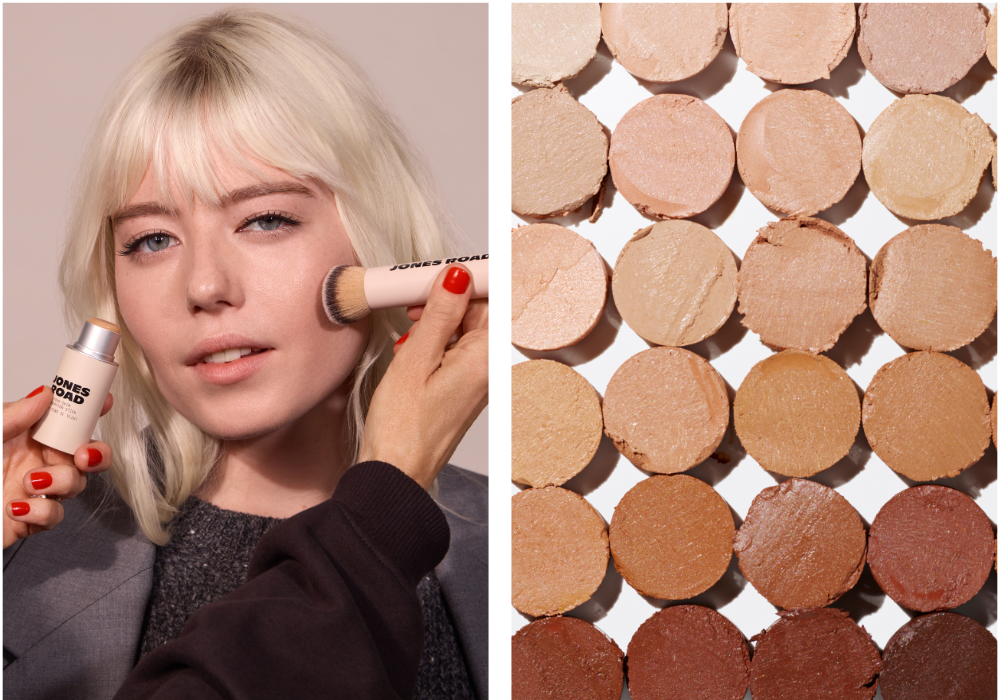
As demand for broader shade ranges and more inclusive complexion products continues across the United States beauty market, manufacturers and suppliers are reassessing traditional formulation workflows.

Dassault Systèmes, through its BIOVIA portfolio, is working with beauty brands to apply scientific modeling, virtual twin technology and AI-driven simulation to complexion product development. In this Q&A, Nick Reynolds, Industry Process Consultant Director, BIOVIA, Dassault Systèmes, discusses how predictive modeling is being integrated into R&D, its impact on shade inclusivity and what it may mean for manufacturers over the next five years.

CDU: From a formulation and R&D standpoint, what specific challenges in developing inclusive complexion products can specific modeling and simulation address more efficiently than traditional bench work?

NR: Two barriers many brands face when looking to develop inclusive complexion products are high costs for extensive testing and the technical challenges involved with formulating for diverse skin needs. Advanced simulation and modeling techniques solve both of these problems.

For example, cosmetic chemists can utilize data-rich virtual twin models, which are scientifically accurate digital replicas of real-life counterparts, to model all skin types based on real-world data. These virtual models reduce the need for repetitive physical testing, speed up ingredient screening, and enable faster decision-making, especially when creating expansive product shade ranges and analyzing complex skin interactions.

Models can integrate physics-based simulations to predict properties like solubility, while using formulation models that leverage existing data to predict the performance of new, untested formulations.

CDU: How does Dassault Systèmes’ simulation technology account for real-world variables such as undertone diversity, skin texture, sebum levels and environmental conditions when predicting how foundation will look, feel, and wear across different consumers?

NR: Dassault Systèmes’ simulation software is used to create a unified, collaborative environment for scientific and data-driven organizations, particularly in the life sciences, materials science, and chemicals spaces. Brands can pair this simulation technology with real-world data and scientific formulations to build digital skin models tailored to individual skin profiles, including different types of melanated skin.

They can also assess how various formulations perform on these different models taking into account shade and undertone diversity, aging properties, and sebum levels and continuously adjust their formulas. Through Dassault Systèmes’ cloud-based 3DEXPERIENCE collaboration platform, brands can virtually screen thousands to millions of potential formulations virtually and optimize them to tailored criteria.

From there, a select few formulations are chosen and can be tested in a laboratory. Brands can then re-input this physical feedback into the software platform to further augment current and future skin models.

CDU: What types of data inputs are required for accurate virtual testing, and how are beauty brands integrating these datasets into their existing product development workflows?

NR: Accurate virtual testing requires comprehensive datasets like ingredient properties, environmental parameters, skin type profiles, and lab results. Virtual testing does not replace the need for physical testing but drastically decreases it while being able to understand the chemistry happening within these trials around permeation, solubility, and personalization at a molecular level.

Brands should feed physical results from past and current experiments to help build robust virtual models. As a first step, we recommend beauty brands standardize functions like materials management and R&D on a unified cloud platform that key stakeholders can continuously collaborate, build, and contribute data into.

Creating this digital infrastructure ensures simulations are informed by real-world data while enabling key stakeholder visibility, so insights can be swiftly integrated into product development cycles.

This also creates a basis of legacy knowledge to be easily stored and accessed. It’s not uncommon for brands to need to redo experiments they’ve done previously because they’ve lost the initial data, so creating this repository of knowledge ensures all data is captured, accounted for, and leverageable.

CDU: For manufacturers and suppliers, where do you see the most immediate impact of simulation technologies: reducing the number of physical iterations, improving raw material selection, accelerating go-to market timelines, or something else entirely?

NR: Simulations reduce the number of physical iterations which leads to accelerated product launch timelines. Ahead of lab-scale production, brands can virtually screen ingredient interactions to predict formula performance, potential toxicity, and shelf life, decreasing potential safety hazards, costly errors tied to physical missteps, or long-term stock issues.

Reducing physical asset disposal can also help brands be more sustainable in their practices. Collectively, these efficiencies lower R&D costs and support more agile and responsive product development. Simulations are also valuable in root cause analysis when manufacturing issues arise, providing a fundamental understanding of material properties.

CDU: How might this approach influence claims substantiation and regulatory documentation, particularly as brands rely more heavily on predictive modeling during formulation?

NR: Funneling virtual models through one unified platform connected to the cloud ensures regulatory checking is completed early and on an ongoing basis, primarily in the design phase. Dassault Systèmes’ 3DEXPERIENCE platform is equipped with global regulatory and compliance information for brands to easily reference during product design.

These platforms can also leverage AI to automatically translate relevant data into regulatory documentation while ensuring full source traceability.

As consumers increasingly look for more ethical products, modeling helps substantiate these claims. This approach decreases the amount of physical testing needed and provides an accessible alternative for brands to move away from animal cosmetics testing for a cruelty-free product.

Source traceability gives brands the ability to ensure only ethical and sustainable materials are used in their products while meeting regulatory compliance. Simulation of properties such as toxicological endpoints is a valuable way to screen ingredients, while eliminating animal testing.

CDU: Looking ahead, how do you envision simulation and AI shaping cross-functional decisions – from ingredient innovation and shade range development to scaling manufacturing across the next five years of beauty product development?

NR: Everything we’ve discussed in our conversation will even further advance in the next five years to set new industry standards. Traditionally, discovering a new active ingredient took years of “wet lab” testing.

In the next five years, molecular simulation will allow chemists to test thousands of compounds virtually before a single beaker is touched. Advanced AI models, or AI advisors, will predict toxicology and allergenicity with such high accuracy that the beauty industry will collectively move past animal testing, as mentioned above.

Scaling a 1-liter lab sample to a 1,000-liter production batch is notoriously difficult in cosmetics because “shear” and “heat transfer” change at scale. Virtual twins of physical factories will solve this. Simulation software will model the fluid dynamics of a new cream within a specific industrial mixer.

This prevents broken emulsions and saves millions in wasted batches. AI will also build more resilient supply chains by monitoring global raw material fluctuations and suggesting new formulas in real time to maintain consistency without halting production.

AI will further augment shade range development with hyper-inclusive spectral accuracy, making inclusivity not just a buzzword, but a technical reality. Instead of physical prototypes, AI will accurately simulate how pigments reflect light on different skin textures and undertones, enabling product and marketing teams to align on a launch range that truly leaves no consumer behind.

We will see “mini-factories” at retail counters where AI scans a customer’s skin and triggers a simulation to mix a bespoke formulation on the spot, bridging the gap between a digital scan and a physical bottle.

The Best Running Shoes For Women 2026

0

Running shoes FAQs, answered:


What’s the difference between men’s and women’s running shoes?

It’s really important to remember that men and women run differently, so we recommend you opt for a pair of running trainers that have been designed specifically with women in mind.

But the biggest difference? Foot shape, including the relationship between the heel and the ball of the foot. Women often have a narrower heel in comparison to the ball of their foot. This means that if a woman wears a size nine running shoe, she will likely have a wider ball, wider ball girth and narrower heel than a man with the same-sized foot. Yeah, running shoes are technical.

In terms of how we run, women tend to have wider hips, so our feet are more likely to strike the ground toward the outside of our soles. Women’s running shoes also tend to be lighter and softer than male offerings, because women typically have lower muscle mass.

How should running trainers actually fit?

“Forget the number on the box and look for a shoe that gives you about a thumb’s width of space between your longest toe and the end of the shoe,” says Michael Gaston, Product Trainer at Runners Need. “This will give your toes good clearance at the end of the shoe to account for any movement, splay or swelling.

“Your heel should be snug with no slippage, and the midfoot should feel secure but not restrictive. If you do feel any movement at the back, try a Runner’s Loop lacing to keep it secure.”

But you’ve also got to take note of your socks: “And don’t neglect the impact of cushioned socks! Always try the shoe on with the socks you will be running in,” Gaston adds.

How to choose the best running shoes for you:

Not everyone is an elite athlete and needs a carbon-plated go-faster shoe. So, we suggest you consider the following when choosing a new pair of running shoes:

This is a speedy, low-stress study of how a person walks or runs, measuring various temporal, spatial, and kinematic parameters. This includes your pronation — does your foot roll inwards (AKA overpronation), outwards (supination) or not at all (neutral pronation) when you run? — and your arch height — high arches typically require more cushioning, while low arches favour stability. All of these will inform what sort of shoe you need to support your style of motion. FYI, there should be adequate room in the toe box, and your heels shouldn’t slip around.

Even if you’re a seasoned runner, we recommend getting a new gait analysis before buying a fresh pair of trainers, as there’s a good chance your gait has changed since your last result.

“It’s important to find out what kind of runner you are, says Senior Marketing Executive at SportsShoes.com, Ben Mounsey. “Once you understand how you run, you can find the shoe that is most suited to your running style.”

Think about what kind of terrain you’ll be running on and how often you intend to train and race. For those used to running off-road, we suggest durable shoes with good traction. For road running, cushioning is key.

“If you’re a beginner runner or someone who runs infrequently, it doesn’t make sense to spend a fortune on your first pair of shoes or buy the latest and most expensive carbon-plated super shoes, which are designed for elite competition,” adds Mounsey. “Instead, choose a style that best suits both your needs and budget, for daily use, all-around performance and capable of handling a range of different surfaces.”

We recommend you try your new trainers out on both a treadmill and on your usual running terrain, so you can get a feel for how comfortable and supportive they are. “Do your research and read the reviews before you purchase to make sure the shoe you’re considering is a good fit for your chosen preferences,” adds Mounsey.

“Our feet are as individual as we are, and they come in all different shapes and sizes. Running shoes have to be equally as diverse, and with hundreds of types to choose from, it can often prove difficult to find the right pair to match our requirements.”

Which brand is best for running shoes?

A hotly debated topic — and a deeply personal one too. Because what you rank as ‘the best’ may be considered the most uncomfortable running shoe for others. Brands like Nike, Adidas, and Brooks consistently receive high marks for their innovative designs and technology.

That said, the most searched-for running shoes in the UK last year were the Nike Vaporfly. This is because the controversial shoe, first launched back in 2016, was almost banned from the Tokyo Olympics due to its advanced technology, with some claiming the combination of thick, energy-returning foam midsoles and embedded carbon fibre plates gave athletes an unfair advantage.

What is pronation, and does it matter?

“Pronation is simply the natural way your foot rolls inward to distribute impact,” details Gaston. “For the most part, it is no longer believed to a major cause of injury as has been believed in the past. But it can still matter.

“Neutral runners have a ‘normal’ inward roll, while overpronators roll inward more significantly, and supinators roll outward. Matching your shoe to your gait isn’t about ‘fixing’ your feet and it won’t make you immune to injury. The goal is long-term comfort, and getting a gait analysis can help to narrow down that search much faster.”

Can I use running trainers for walking or gym workouts?

“You can, but it will shorten the life of the shoe,” says Gaston. “The soft cushioning that feels great on a run can be unstable for lifting weights or HIIT workouts, and using weights will compress the foam faster.

“Running shoes are also designed for forward movement, so lateral (side-to-side) movements might overstretch the lightweight mesh and lead to premature wear and tear. When it comes to walking, this is less of an issue. It all depends on whether you want to prioritise comfort or longevity.”


Meet the experts:

Our team of shopping editors – Sophie Cockett, Shani Cohen, Georgia Trodd, Mayola Fernandes and Sophie Donovan – double as Glamour guinea pigs and so are constantly roadtesting the latest beauty, fashion and wellness releases to see which are really worth your cash. For this guide, the fitness keen were asked to road test each pair of running shoes for up to four weeks. This involved wearing them on short runs, longer training runs, in the gym and during treadmill interval sessions, checking for comfort, stability and breathability.

For those we haven’t yet tested, we asked industry experts whether the pairs selected would get their stamp of approval, and read countless customer reviews.

But we also roped in Alice Barraclough – an avid runner, fitness editor and writer who comments on running shoes for a living. “Over the past eight years, I’ve been testing the latest running trainer launches from some of the best sports brands out there. Think: Nike, Hoka, New Balance and adidas. I’ve tested their speed in tempo and interval sessions, their comfort and durability on those ‘Sunday long runs’, their cushioning both outside facing the elements and inside on the treadmill and their protection and grip on both muddy trails and pavements alike.”

I’ve been a shopping writer for over two years — that’s 17 months at Glamour and a year elsewhere. In that time, I’ve reviewed everything, from new-in sexual wellness products to yoga leggings and menstrual products such as period pants. Essentially, I’ve tried thousands of products across hundreds of brands, meaning I’m more clued up on the subject of wellness than your average online shopper.

Over the last year, I’ve attended countless press days, spoken to various running experts, activewear designers, women’s health experts and functional fashion pros, plus keep up to date on the latest wellness research. But I also run up to three times a week — I’m currently training for a sub-50-minute 10k — meaning I know what I want and need in a pair of running trainers. So, read on for my honest reviews.

The Best NAACP Awards Red Carpet Looks From The 2026 Ceremony

0

Photo Credit: Getty Images

NAACP Awards red carpet looks always set the standard for elegance, and the 57th annual ceremony was no exception.Held at the Pasadena Civic Auditorium on February 28, 2026, the night was a beautiful celebration of Black excellence that felt like one big family reunion. From the moment the first stars stepped onto the ice blue carpet, it was clear that everyone came to represent the culture with pride and intentional style.

The ladies truly understood the assignment this year. We saw everything from classic Hollywood glamour to bold, avant garde silhouettes that pushed the boundaries of fashion. Halle Bailey was a literal vision in a deep brown gown featuring striking white abstract detailing, while her sister Chloe Bailey opted for a daring sheer Christian Siriano masterpiece that had everyone talking.

Viola Daviswho was honored with the Chairman’s Award, looked absolutely regal in a cranberry one shoulder gown that she paired with a chic, blunt bob. We also have to give it up for Keke Palmerwho gave us pure old Hollywood vibes in an ivory satin dress adorned with crystals and a dramatic feathered stole. These NAACP Awards red carpet looksproved that our queens know exactly how to command a room while honoring their roots.

The men did not come to play either, showing us that red carpet fashion for the fellas has evolved far beyond the basic black tuxedo. Colman Domingothe President’s Award recipient, lit up the night in a monochrome mustard yellow suit paired with high fashion cowboy boots. It was bold, it was intentional, and it was uniquely him.

Michael B. Jordanwho walked away as Entertainer of the Year, kept it sophisticated in a rich burgundy velvet jacket that felt both timeless and modern. We also loved seeing Tyler James Williams add a touch of drama to his look with an oversized red rose boutonniere. The men truly showed up and represented, proving that confidence is the best accessory any man can wear.

Beyond the stunning outfits, the 57th Annual NAACP Image Awards felt deeply meaningful. Watching icons like Salt N Pepa and DJ Spinderella get inducted into the Hall of Fame while looking flawless in their coordinated black and white ensembles was a moment we will never forget.

The theme of the night was visibility, and the NAACP Awards red carpet looks served as the perfect visual representation of that message. Whether it was the newcomers making their mark or the legends receiving their flowers, the energy was warm, relatable, and filled with love. We left the night feeling inspired by the creativity and the community that continues to lead the way in every industry.

Rhode’s New Launches Are Predicting an Apple—and Pretzel—Girl Spring

0

Key Takeaways

  • Monday, March 9 marks the beginning of Rhode spring.
  • The brand is launching two new blushes, two new limited-edition Peptide Lip Tints, and matching phone cases.
  • The Pocket Blush offerings include the pearly Candy Apple—Rhode’s first red shade.

They say an apple a day keeps the doctor away. A swipe of Rhode’s new Candy Apple blush might do the same. How could anyone think you’re sick when your cheeks have such a healthy, pearly flush? Also, do your lips smell like caramel-covered pretzels? I’d take that as a sign you’re thriving.

This spring, Rhode is serving up an array of new launches that are sure to make us forget the winter doldrums—mental, physical, and otherwise—ever happened. From their first red blush shade to a shimmery snack of a lip balm, keep reading to discover everything there is to know about the brand’s March lineup.

And yes, that is the one and only Sarah Pidgeon starring in the campaign. We’re all going to have a great spring, but this season belongs to her in particular.

The New Rhode Pocket Blush Shades

Sticking around as part of their core collection, the new Pocket Blushes are named Teacup (a raspberry pink) and Candy Apple (a pearly warm red).

Rhode


We’ll always love a good pink, but Candy Apple is a special treat for this launch—it’s the very first (!) red shade in Rhode’s lineup. Featuring a tiny touch of gold and red pearls “for a poppy, brightening effect,” it was described in a press release as the brand’s “take on a red blush that feels approachable and easy to wear in your everyday look.”

Naturally, brand founder Hailey Bieber teased its release by rocking a pair of new Chanel slingbacks with tiny apples on the heels a few weeks prior to the announcement. Chic and sneaky.

The New (Limited-Edition) Rhode Lip Tints

As for the Peptide Lip Tint lineup, you’re going to meet Sweet Pea, a pearly, warm pink shade with a fresh berry and jasmine scent; and Pretzel, a shimmery, warm mauve with a caramel-glazed pretzel scent. These won’t be around forever, but we’re going to love them while they’re here.

Rhode


The shades came to be after the brand invited customers to vote on a selection of in-progress shades last year. These two were obvious frontrunners, and now they’re here. They’ll be released alongside matching Lip Cases in both for-any-phone Snap-On and regular iPhone 14 through iPhone 17 styles.

@rhode/instagram


The Campaign

As mentioned, the new campaign stars none other than Sarah Pidgeon, Love Story’s Carolyn Bessette. The rollout was flawless, naturally, starting with a very Rhode-coded teaser by way of the star wearing the unreleased shades to the Actor Awards on March 1.

Rhode


Teacup really suits her, no? It’ll likely suit you, too.

That’s the thing about those perfect, tiny little blushes (and the glosses… and the accessories…): the brand just keeps getting them right. From Cinnamon Girl fall to Candy Apple spring, it’s always a good time to be a Rhode girl.

You can shop the new launches beginning Monday, March 9 at noon EST at rhodeskin.com.

Beiersdorf Posts €9.9 Billion in 2025 Sales as Derma Outperforms in Slowing Market

0

THE WHAT? Beiersdorf reported Group sales of €9.9 billion in 2025, representing organic growth of 2.4%, with Derma and Health Care driving performance despite a slowing global skin care market.

THE DETAILS Consumer Business sales reached €8.2 billion (+2.5% organic), supported by Derma growth of 11.7%—its fifth consecutive year of double-digit gains—and Health Care growth of 9.3%. NIVEA grew 0.9% to €5.5 billion amid market slowdown and restructuring in China, while La Prairie declined 4.5% to €478 million but returned to growth in the fourth quarter.

EBIT excluding special factors rose to €1.4 billion, lifting the margin slightly to 14.0% (2024: 13.9%). tesa generated €1.7 billion in sales (+1.8% organic) in a challenging environment. The company proposed a dividend of €1.00 per share and announced a new share buyback program of up to €750 million over the next two years. For 2026, Beiersdorf expects flat to slightly growing organic sales and an EBIT margin slightly below 2025 levels.

THE WHY? The results reflect Beiersdorf’s ability to outperform the broader skin care market through strong innovation in Derma and disciplined cost management, while recalibrating NIVEA’s strategy to restore momentum amid ongoing market volatility.

Source: Beiersdorf

Meet the K-Tip Hair Queen Building a Six-Figure Beauty Empire at 25 in NY

0

By Tracey Khan

Photo Credit: Isata Jay

In a beauty industry dominated by quick installs, viral wig trends and overnight glam, 25-year-old Isata Jay chose a different path: longevity.

Instead of chasing what was popular, she studied technique. Instead of prioritizing volume, she prioritized hair health. That decision has transformed her Bronx, New York hair salon, Isata Jay Beauty, into a thriving six-figure business in less than two years.

“At 25, owning my own space is something I’m incredibly proud of,” Jay said. “I’m grateful for how far I’ve come, but I know my potential doesn’t stop here. I’m capable of more, and that’s what drives me.”

Located inside Suite 202 at 381 Canal Place in the Bronx, the salon feels more like a private luxury studio than a neighborhood storefront. The space is clean, calm and intentionally designed, mirroring Isata’s approach to hair care: refined, disciplined and detail-oriented.

She has earned the nickname “K-Tip Hair Queen” for her expertise in K-tip extensions, silk presses and sew-ins. Her specialty service, keratin bond, strand-by-strand K-tip extensions, can cost around $3,000 and last up to six months when properly maintained.

But her focus on luxury hair extensions in NYC did not begin with glamour. It began with concern.

“When I entered the industry, it was all wigs and braids,” she said. “But I kept seeing brittle, damaged hair underneath. I wanted to learn how to help women protect and grow their natural hair.”

That mission shaped her business model.

Unlike many trending styles, K-tip extensions blend seamlessly with natural hair without bulky tracks. The bonds are lightweight and flexible, allowing clients to wear ponytails, workout comfortably and maintain movement.

“It’s extremely lightweight. You can wear it up. It’s good for the gym girls,” Jay said. “But your lifestyle matters. Your hair health matters.”

Pic 3 1
Photo Credit: Isata Jay

She is careful to clarify that K-tips are not a protective style. Because the natural hair remains exposed, proper maintenance is essential. That is why Jay requires detailed consultations before accepting clients. She asks about heat styling habits, workout routines, swimming and overall hair condition.

“You don’t want to take someone’s money knowing you can’t deliver the right result,” she said. “Not everybody qualifies for this investment.”

The installation process can take up to 10 hours. Custom keratin bonds are often prepared in advance to ensure a flawless blend. The pricing reflects not just the hair used, but the precision and craftsmanship behind the service.

Before opening her own Bronx salon in January 2024, Isata rented a booth where she was the only natural hair specialist while others focused primarily on wigs and braids. In November 2023, she signed her first lease, a pivotal moment in her career.

Ownership came with pressure.

“You’re responsible for everything, rent, inventory, bookings, cleaning. It’s all on you,” she said.

Managing a growing luxury hair business while servicing clients daily began to take a toll. Recently, she began delegating tasks and building support around her.

“I learned that time is currency,” she said. “As women, we need rest. When you’re overloaded, you neglect yourself.”

Despite reaching six figures at just 25, she remains focused on growth.

“I’m grateful and content,” she said. “But I know I can push further and I will. I want to help younger girls and mentor them to help set them up for success.”

Clients are drawn not only to her technical skill but to the energy inside her salon. Warm lighting replaces chaos. Conversations are intentional. Every silk press moves effortlessly. Every K-tip install blends invisibly.

In the Bronx, a borough known for hustle, Isata Jay is building something different: a luxury hair extension brand rooted in discipline, integrity and healthy hair care.

At 25, she is not just styling hair. She is building a legacy,  one precise strand at a time.

Flattering Style Tips for a Tummy Pouch — Inside Out Style

0

twitterpinterestlinkedinmail

Your body changes – that’s life. But your confidence doesn’t have to. If your tummy has softened with time and you’re finding your old styling tricks less flattering, it’s simply time to update what works. Learning to create flattering outfits for a tummy involves experimenting with fit, fabric, and proportion so you can dress with comfort and confidence every day.

As we age, many women notice changes around the midsection, even when their weight hasn’t changed dramatically. Hormones, muscle tone, and posture all play a part. The key isn’t to hide your body but to dress it intelligently – balancing structure with softness and shape with comfort.

Adjust Your Tuck and Hemline

Tucking can still work, but with a twist. Instead of tight, fitted shirts, choose blouses or tops with gentle volume. A soft tuck that blouses over the waistband draws attention away from the stomach while keeping your proportions balanced.

If you prefer untucked looks, end your tops just past the fullest point of your tummy. This subtle adjustment helps the fabric skim rather than cling. Avoid tops that finish exactly at the widest point or ones that cup under the belly, as both exaggerate roundness.

Look for Fabrics That Flow, Not Cling

Fabrics make a huge difference. Stiff materials tent out over curves, while thin, clingy fabrics emphasise every contour. Instead, aim for mid-weight, fluid fabrics that move with you – think viscose, jersey blends, soft crepes, and quality knits.

These create a smooth, continuous line that helps the tummy area blend naturally into your silhouette. A little drape can be far more flattering than a tight fit.

Use Layers to Soften Lines

Layering creates vertical flow, which draws the eye up and down rather than side to side. Open jackets, lightweight cardigans, or vests can visually elongate your frame and reduce focus on your midsection.

Try a shirt with ties that hang down in front of your tummy like the one I’ve got on here.

Tie front shirt and bloused hides your tummyThe vertical ties break up the space and the soft blousing of the shirt creates the illusion of more waist.

Even in warmer weather, a linen shirt worn open over a tee can create the same visual balance without adding bulk.

Choose Waistbands That Move With You

High-waisted trousers and skirts can work beautifully – if they have enough stretch and a soft waistband. Rigid, tight waistbands tend to dig in, creating the “double-tummy” effect. Look for gentle shaping rather than compression.

Elasticated or pull-on styles in quality fabrics give you the support you want without discomfort. They also make it easier to half-tuck or blouse a top without extra bulk.

Let Patterns and Colour Work for You

Patterns are brilliant for softening the eye’s focus. Busy or organic prints – florals, painterly designs, abstract swirls – disguise shape irregularities far better than plain blocks of colour.

Pattern and layering distract from your tummy

Here my snakeskin patterned skirt is distracting and the slim bottom is balanced with the loose crochet top that ends just past my tummy peak, but doesn’t cling and cup it.

If you prefer solids, opt for mid-value tones rather than extreme light or dark. These middle shades reduce contrast between fabric and skin, helping everything appear more balanced.

Find Structure in the Right Places

Structure doesn’t mean stiffness. Choose garments that create gentle definition where you want it – such as shoulder seams that sit well, fabrics that glide rather than cling, and seams that shape without squeezing.

A softly tailored jacket or wrap dress can define your waist without pressure across the stomach. The idea is to highlight your shape while maintaining movement and comfort.

Experiment and Evolve

Bodies change, and so should style. Experiment with silhouettes you might once have ruled out. Sometimes, the clothes that suit you now are even more flattering than the ones that used to.

If you’d like more guidance on finding cuts and fabrics that align with your proportions, my 7 Steps to Style program takes the guesswork out of dressing for your unique shape. It’s a practical, confidence-building framework that grows with you.

A changing body doesn’t mean the end of style – it means a new chapter. By choosing fabrics that skim, fits that move, and silhouettes that balance, you’ll rediscover comfort and confidence in your clothes. Flattering outfits for a tummy start with self-understanding, not restriction, and that’s a style philosophy worth wearing.

Further Reading

Choosing Prints to Disguise Your Tummy

7 Easy Ways to Hide Your Tummy

Where to End Tops to Make Your Hips and Tummy Look Slimmer

5 Outfit Ideas to Flatter Your O Shape Body

Flattering Style Tips for a Tummy Pouch

Facebooktwitterpinterestlinkedinmail

Hildun Beauty Silk to Set Longwear Lip Pencil Review

0

*Links marked with asterisks are affiliate links, these help Ree with running costs of the blog

Priced at

Hildun Beauty Silk to Set Longwear Lip Pencil Review & Swatches

I’ve been using the Hildun Beauty Silk to Set Longwear Lip Pencils for a while, and so I thought it was time that I shared swatches of all the shades. They’re a genuinely impressive addition to any makeup collection. They are super luxurious, soft, and long-lasting, and they glide effortlessly on the lips and deliver a semi-matte finish that feels comfortable all day. Here’s everything you need to know.

What Is the Hildun Beauty Silk to Set Longwear Lip Pencil?

What is Hildun Beauty Silk to Set Longwear Lip Pencil?

The Hildun Beauty Silk to Set Lip Pencil is a long-wear, creamy lip liner designed to define, shape, and enhance your lips. It combines rich pigment with a silky texture that glides effortlessly, sets quickly to a semi-matte finish, and stays put for hours without drying out the lips.

It’s versatile enough to:

  • Be worn alone for soft, natural definition
  • Layer under a lipstick or balm for a polished, full-lip look
  • Create lip contour, shape, or even a soft ombré effect

Essentially, it’s a luxurious, everyday lip liner that doesn’t compromise on comfort or wear, exactly the kind of product that makes your routine feel a little more polished without fuss.

Hildun Beauty Silk to Set Longwear Lip Pencil – Full Shade Lineup & Swatches

  • Anna – rich brown with neutral undertones
  • Grace – lightest of the range, a cool‑toned pink
  • Sara – pinky‑brown neutral
  • Darcy – peachy/pink nude with warm undertones
  • Olivia – deep mauve pink with cool undertones
  • Hayley – coffee‑coloured brown nude with neutral/cool undertones
Hildun Beauty Silk to Set Longwear Lip Pencil Swatches - All Shades
Hildun Beauty Silk to Set Longwear Lip Pencil Swatches – All Shades

My Review of Hildun Beauty Silk to Set Longwear Lip Pencil

Hildun Beauty Silk to Set Longwear Lip Pencil Review

Formula & Wear

I’m obsessed with how soft and buttery these glide on. There’s no chalky tug you sometimes get with lip liners. The formula is creamy enough to blend before setting, yet once it sets, it doesn’t budge. The finish is soft, smoother than a traditional lip liner but still pigmented like a proper contour liner should be.

These pencils are buttery yet structured enough to hold a sharp tip for precise application. They glide easily and build nicely for more intensity if you want it.

My one tip: keep a sharpener handy for clean, precise lines, it makes a noticeable difference with these creamy pencils.

The formula is where these pencils really stand out. They are soft and silky, making application effortless, but set quickly enough to prevent feathering. Unlike many long-wear liners, they don’t dry out the lips, and the colour remains true from morning coffee to evening plans.

How I Wear Them:

  • Alone: Gives a soft, semi-matte finish. Perfect for everyday polished lips.
  • With Balm: Adds moisture and shine without compromising longevity. Ideal for dry lips or a glossier look.

My favourite shade is Hayley because it makes such a gorgeous natural looking lip contour and pairs beautifully with my REESON Glossing Balm in Dewy Rose*.

Final Thoughts

The Hildun Beauty Silk to Set Lip Pencils are a lovely, reliable option for anyone looking for creamy, long-lasting liners that don’t dry out the lips. They’re versatile enough for everyday use and polished enough to complement a layered look with balm or lipstick. Hayley is my current obsession and I find that my lips look fuller and I generally just look more put together when I wear it. It has earned a permanent place in my makeup bag along with the Hildun sharpener.

Where to buy it

Hildun Beauty Silk to Set Lip Pencils are £17 and available now via the link below:

Also, if you love a Kajal liner, you should definitely check out the ones from Hildun. See details of those in Hildun Beauty Silk to Set Kajal Liner Review & Swatches.