Home Blog Page 154

Complexion Rescue® Tinted Moisturizer with Hyaluronic Acid & Mineral SPF 30

0

The secret to hydrated, healthy-looking skin

When makeup and skincare come together seamlessly, that’s where the magic happens. COMPLEXION RESCUE® Tinted Moisturizer with Hyaluronic Acid and Mineral SPF 30 is more than a tinted moisturizer. It’s a daily essential that delivers hydration, sheer coverage, and broad-spectrum sun protection in one effortless step.

Designed for real skin and real life, this tinted moisturizer with hyaluronic acid and mineral SPF helps skin look naturally radiant while supporting long-lasting hydration.

Ingredient Insights

Hyaluronic Acid

A hydration hero, skin-plumping powerhouse, and the reason why our iconic tinted moisturizer delivers that signature healthy glow.

Hyaluronic Acid is a naturally occurring molecule in skin known for its ability to hold up to 1,000 times its weight in water. In hydrating makeup formulas, it helps attract and retain moisture, improving the look of skin texture and comfort.

In COMPLEXION RESCUE® Tinted Moisturizer, Hyaluronic Acid plays a key role in why this hydrating tinted moisturizer for dry and combination skin feels weightless, never cakey, and always fresh. It helps replenish and boost skin’s moisture.

DISCOVER COMPLEXION RESCUE®

Why Hyaluronic Acid Changes Everything

Tinted moisturizers should move with your skin, not sit on top of it. Thanks to Hyaluronic Acid, COMPLEXION RESCUE® Tinted Moisturizer with Mineral SPF 30 blends seamlessly and wears comfortably throughout the day.

The result is hydrated, plump-looking skin with a naturally luminous finish, making it an ideal choice for anyone looking for makeup that hydrates while providing sun protection.

Why We Love It

Because it’s the reason why COMPLEXION RESCUE® is clinically proven to boost skin hydration by 215% in just one week**.

This hydration boost supports healthier-looking skin over time while instantly delivering sheer-to-light coverage. Combined with broad-spectrum Mineral SPF 30, it’s an easy way to protect skin from daily UV exposure while enhancing your complexion.

SHOP NOW

**Based on average results from an independent U.S. clinical study of 62 people.

Need More Proof?

Mixed with water, it blends right in — unlike other tinted moisturizers that separate (it happens on skin, too!).

This simple demonstration mirrors what happens on skin. The Hyaluronic Acid-infused tinted moisturizer integrates evenly, helping prevent streaking, settling, or patchiness throughout the day.

I’M SOLD

The Takeaway

Hydration is essential to healthy-looking skin, and Hyaluronic Acid is the ingredient that powers COMPLEXION RESCUE® Tinted Moisturizer. With breathable coverage, skin-loving ingredients, and Mineral SPF 30 for daily sun protection, this tinted moisturizer proves that makeup can do more.

One step. One product. Hydrated, radiant skin — rescued.

[product-card-list=complexion-rescuetinted-moisturizer-hydrating-gel-cream'[product-card-list=complexion-rescuetinted-moisturizer-hydrating-gel-cream’

FAQs: Complexion Rescue® Tinted Moisturizer with Hyaluronic Acid & Mineral SPF 30

What does Hyaluronic Acid do in a tinted moisturizer?

Hyaluronic Acid helps attract and retain moisture in the skin, keeping it hydrated, plump, and smooth. In our tinted moisturizer, it helps replenish and boost skin’s moisture.

Is Complexion Rescue® good for dry skin?

Yes. Complexion Rescue® Tinted Moisturizer is ideal for dry and dehydrated skin thanks to its Hyaluronic Acid-infused formula, which helps boost hydration and support a healthy-looking glow.

Does Complexion Rescue® provide sun protection?

Yes. It contains Mineral SPF 30offering broad-spectrum protection against UVA and UVB rays as part of your daily makeup routine.

Can I wear Complexion Rescue® every day?

Absolutely. This lightweight, breathable formula is designed for daily wear, combining hydration, sheer-to-light coverage, and mineral sun protection in one easy step.

Does Complexion Rescue® leave a white cast?

No. bareMinerals formulas are expertly crafted to blend seamlessly into skin. Complexion Rescue® is available in a wide shade range and delivers Mineral SPF protection without leaving a white cast.

Is Complexion Rescue® makeup or skincare?

It’s both. Complexion Rescue® is makeup that has skincare benefits. It delivers hydration benefits from Hyaluronic Acid while enhancing skin with natural-looking coverage and Mineral SPF 30.

Apply Sunscreen Before or After Moisturizer?

0

When it comes to natural skincare, the order in which you apply products can make a big difference in their effectiveness.

One common question many people have is whether to apply sunscreen before or after moisturizer. In this article, we’ll explore the best practices for layering these two essential skincare products to maximize their benefits and protect your skin.

Why Do You Need Both Sunscreen and Moisturizer?

Let’s kick things off by discussing why both sunscreen and moisturizer are essential in your skincare arsenal.

Sunscreen and moisturizer serve different but complementary purposes in your skincare routine:

  • Moisturizer:  This product is all about hydration. It locks in moisture, improves texture, and supports the skin barrier. A good moisturizer can make your skin feel soft and supple all day.
  • Sunscreen: Protects skin from harmful UV rays that cause premature aging, sun damage, and even skin cancer. It’s like a shield for your skin, and wearing it every day is crucial for long-term skin health.

Using both products together provides optimal protection and nourishment for your skin. By layering them correctly, you can achieve that radiant, healthy glow while keeping your skin safe from the sun’s damaging effects.

Is Sunscreen Really Necessary?

You might be wondering if sunscreen is really all that important, especially if you’ve got a moisturizer or makeup product that contains some SPF.

Some studies have shown that sunscreen is the best way to truly get the protection you need:

  • Prevents Sunburn: We’ve all experienced that painful sunburn at least once. Sunscreen helps prevent this dreaded discomfort.
  • Fights Premature Aging: Want to keep those fine lines and wrinkles at bay? Sunscreen is the answer. It helps prevent photoaging, which is caused by sun exposure.
  • Maintains Even Skin Tone: Sunscreen can help prevent dark spots and discoloration, keeping your complexion looking fresh and even.

Dermatologists recommend wearing sunscreen daily, regardless of the weather — and yes, you should wear your sunscreen even on cloudy days. UV rays can penetrate through clouds and windows, so it’s essential to make sunscreen a non-negotiable part of your regimen.

What Are the Main Types of Sunscreen?

Now that you know sunscreen is a must, let’s talk about the different types available. Understanding these options will help you choose the right one for your skin.

Physical (Mineral) Sunscreen

Mineral sunscreen contains zinc oxide and/or titanium dioxide as the active ingredient. This type of sunscreen sits on top of the skin and physically blocks and reflects UV rays.

Mineral formulas tend to be ideal for sensitive skin types, and they start working immediately upon application.

If you’re looking for a fantastic physical sunscreen, check out Juice Beauty’s SPF 30 Sport Sunscreen. It’s formulated with organic ingredients and provides broad-spectrum protection.

Chemical Sunscreen

On the other hand, chemical sunscreen contains active ingredients like avobenzone and oxybenzone. These formulas absorb into your skin, and then work to absorb UV rays before they can cause damage.

Chemical sunscreen often feels lighter on the skin, making it a popular choice for those with oily skin. Chemical formulas generally take about 20 minutes to actually begin working, so apply well before you have to go out into the sun.

It’s important to note that the word “chemical” does not always correlate with “bad.” There are a great number of products on the market that use gentle, safe formulations.

Combination Sunscreens

Some sunscreens combine physical and chemical filters for a broad spectrum of protection. Depending on your skin type and preferences, these can offer the best of both worlds.

Should I Apply Sunscreen Before or After My Moisturizer?

Let’s get right down to the heart of the matter. The layering of your products does matter, and can influence how well each product works.

Let’s break it down:

Sunscreen Before Moisturizer

Applying sunscreen before moisturizer may be better for chemical sunscreens. Applying chemical sunscreen first allows it to absorb properly into the skin, ensuring maximum protection.

Moisturizer Before Sunscreen

Applying your moisturizer before your sunscreen may be ideal for mineral sunscreen formulas. Applying moisturizer first creates a hydrating base, potentially making it easier for the sunscreen to spread evenly. Plus, using your products in this order ensures that your SPF is acting as a shield as the last product applied.

Ultimately, the best approach depends on your skin type and the products you’re using. Just remember, the key is to use enough sunscreen and reapply it throughout the day.

Juice Beauty’s Stem Cellular Anti-Wrinkle Moisturizer is a fantastic option that provides intense hydration while also promoting skin health. In a six-week study, 100% of users showed instrument-measured increases in hydration, and 88% reported a reduction in fine lines and wrinkles.

What Are Some Tips for Layering Sunscreen and Moisturizer?

To help you get the most out of your skincare routine, here are some handy tips for layering sunscreen and moisturizer:

  1. Cleanse first. Always start with a clean face. This ensures that your products can penetrate the skin effectively.
  2. Apply serums or treatments. If you use a serum, apply before your moisturizer. This allows the active ingredients to work their magic. Our Stem Cellular Supergrape Youth Renew Serum with Hyaluronic Acid is one of our best selling serums. In clinical trials, 100% of participants reported a more youthful skin appearance, 100% reported their skin improved daily, and 96% reported their skin’s bounce improved.
  3. Wait for absorption. Give each product a couple of minutes to fully absorb before applying the next one. This helps prevent pilling and ensures each layer works effectively.
  4. Use enough sunscreen. Aim for about ¼ teaspoon for your face. Don’t skimp.
  5. Pat, don’t rub. Gently pat products onto your face rather than rubbing them in. This can help you avoid irritation.
  6. Reapply regularly. It’s best to reapply sunscreen every two hours, especially if you’re spending time outdoors.

If you wear makeup, apply it after your sunscreen. We love our Stem Cellular CC Cream, which offers added SPF protection.

What Are Some SPF Tips and Tricks?

To make the most of your sun protection, keep these SPF tips in mind:

  • Choose Broad Spectrum: Always opt for a sunscreen labeled “broad spectrum” to protect against both UVA and UVB rays.
  • SPF 30 or Higher: Look for an SPF rating of 30 or higher for daily use.
  • Apply 15-30 minutes before sun exposure: Give your sunscreen time to absorb and start working, especially if you are using a chemical or combination sunscreen.
  • Use enough product: Don’t skimp. Use at least ¼ teaspoon for the face, or the amount of roughly a shot glass for your entire body.
  • Reapply after swimming or sweating: If you’re active, make sure to reapply your sunscreen every two hours.
  • Don’t forget often-missed spots: Areas like your ears, back of the neck, and the tops of your feet often get overlooked. Be sure to reapply your sunscreen every two hours.

The Wrap-Up

Whether you choose to apply sunscreen before or after your moisturizer, the most important thing is that you’re using both products consistently. Sunscreen is a non-negotiable step in any skincare routine, and it plays a crucial role in protecting your skin from harmful UV rays.

By choosing high-quality, organic products, you’re not only nourishing your skin, but also making a positive impact on your overall health. What goes onto your skin is just as important as what goes into your body. Junk out, juice in.

Sources:

The Efficacy and Safety of Sunscreen Use for the Prevention of Skin Cancer | Canadian Medical Association Journal

Sunscreen FAQs | American Academy of Dermatology

Application of SPF Moisturizers is Inferior to Sunscreens in Coverage of Facial and Eyelid Regions | PLOS One

Sunscreen: How to Help Protect Your Skin from the Sun | FDA

What Is Harry Styles’ Aperture About? Meaning Behind The Lyrics Explained

0

Wake up, new Harry Styles music just dropped! After a four-year break, the singer released his new single, Apertureon Friday 23 January, not long after announcing his upcoming fourth album: KISS ALL THE TIME. DISCO, OCCASIONALLY.

After giving a few select fans an advance listen, Harry dropped the track at midnight, giving interviews to a number of UK radio stations a few hours later. He explained to Capital FM’s Jordan North that he had spent a lot of time enjoying live music during his break, which is where a lot of the inspiration for the album came from.

“I think largely the kind of sound was just from going out,” he said. “I spent a lot of time in Berlin last year and I was meeting a lot of fun and interesting people and hearing a lot of different kinds of music. I kind of just started feeling how that was influencing the music I was making. I was just loving what I felt like it would allow me to do on stage and just be really immersed in the music.”

Of his memories of that time, he added: “I think just being able to be in a crowd and be with friends and be in spaces feeling safe enough to, you know, get a little loose and dance and stuff.”

It certainly seems that Harry’s latest era is all about a hedonistic approach – Aperture builds from the start with a crescendo-ing electronic pulse and an addictive riff that makes you want to play it on repeat (and head to a dancefloor, stat).

With many comparing Harry’s new sound to the likes of LCD Soundsystem (and the singer confirming as much), we’re expecting plenty more euphoric tracks designed to bring audiences together for an unforgettable live experience. Better get in line for tour tickets!

If you’ve been playing Aperture on repeat, those lyrics are probably already going round in your head – and you might be wondering about the meaning behind Harry’s latest song. We belong togethersure… but who’s ‘we’?!

What is Aperture about?

Harry has shared that Aperture was the final song he wrote for the album, explaining that it was the result of feeling at his “freest”. He told BBC Radio 1’s Greg James: “Getting this song at the end, it was when we were feeling freest and really having a lot of fun at that point. It felt like the mission statement of what the album was about, this perfect little bow on it, and it was like: ‘Oh, the record’s finished’.”

He also told Scott Mills on BBC Radio 2: “The opening and allowing for more positive things to come into your life was what this song and the album was about as a whole for me. And the openness to be accepting of transitions and be accepting of flaws and your own mistakes and being able to look at those things and go, ‘I was wrong there’, or ‘I didn’t behave in line with who I want to be there’, and being able to acknowledge those things and therefore go through a change… is more powerful than denying them or refusing to change at all.”

So, the underlying message of Aperture is about letting go and feeling free – the very definition of ‘aperture’ is about letting light in, after all. In the case of the song, Harry sings about how letting go can lead to new connections and a feeling of safety and freedom: “Aperture lets the light in / We belong together / It finally appears it’s only love.”

Global Cosmetics News – Weekly Review | Week 3, January 2026

0

This week, the global cosmetics and personal care industry highlighted the growing convergence of technology, health and retail, as brands, manufacturers and investors responded to shifting competitive dynamics while navigating rising expectations around innovation, performance and trust.

Financial updates and portfolio moves continued across major consumer goods groups.P&G reported Q2 FY26 sales growth and held its outlook despite restructuring charges. In India, Amway India reported a wider FY25 loss as sales declined, while Hindustan Unilever remained the country’s top TV advertiser despite a broader market slowdown.Reliance Consumer acquired global rights to Brylcreem, Toni & Guy, Badedas and Matey.

Retail expansion and store network strategy remained active across key markets. Amazon announced plans for its biggest-ever retail store as part of a US big-box push. In mass beauty, essence expanded into more than 500 Walmart stores across the US. In prestige, Sulwhasoo entered the UK through Cult Beauty, while Sephora partnered with Olive Young to support global growth for K-beauty.

Beauty brand restructuring and corporate change continued. AS Beauty confirmed it will close Mally Beauty and CoverFX. DOUGLAS reported 1.7 percent Q1 sales growth amid softer December trading.Bain submitted a binding bid for FineToday.

Investment and marketing infrastructure remained in focus as brands pursued new growth levers. Blackstone backed Applecart in a US$100 million funding round valuing the company at US$700 million.Statusphere raised US$18 million to scale micro-influencer marketing for brands. L’Oréal announced plans to invest US$383 million in a Hyderabad beauty tech hub.

brands. L’Oréal announced plans to invest US$383 million in a Hyderabad beauty tech hub.Legal disputes and leadership changes also featured this week. Estée Lauder was sued by a beauty tech startup over alleged trade secret theft.Tatcha appointed Diane Kim as its new CEO.Maybelline New York named Teens in Times as global partners.

Global retail and travel retail developments remained active as restructuring and deal-making progressed. Saks Global secured the first US$500 million tranche of restructuring financing. CTG Duty-Free agreed to acquire the DFS Hong Kong and Macau business in an LVMH-backed deal. CK Hutchison targeted a US$30 billion valuation for a dual IPO of A.S. Watson, while Zalando targeted its first US B2B deal as AI-driven traffic growth continued.

Manufacturing and R&D investment also featured across the supply chain. KDC/One confirmed it will close its 150-year Somerset cosmetics factory and shift production to Scotland. In fragrance and flavour, MANE acquired ChemoSensoryx Biosciences to expand its R&D capabilities, while L Catterton moved to acquire a minority stake in fragrance house EX NIHILO.

Taken together, this week reflected an industry operating across increasingly blurred boundaries, as consumer goods groups, beauty retailers and suppliers advanced expansion, investment and restructuring activity across multiple channels and regions. With continued focus on retail scale, marketing performance, manufacturing footprints and long-term capability building, the sector remained active across both operational and strategic priorities.

Winter Hair Hacks for Healthy Hair

0

Not only can the winter bring harsh weather conditions, it can also bring harsh hair conditions such as dryness, brittleness, and lack of moisture.

In the cold winter weather, your hair is most likely screaming for moisture. Cold air holds less moisture, and indoor heating further strips humidity, causing hair to lose its natural hydration. Let’s dive into three winter hair hacks that are sure to protect your hair all season.

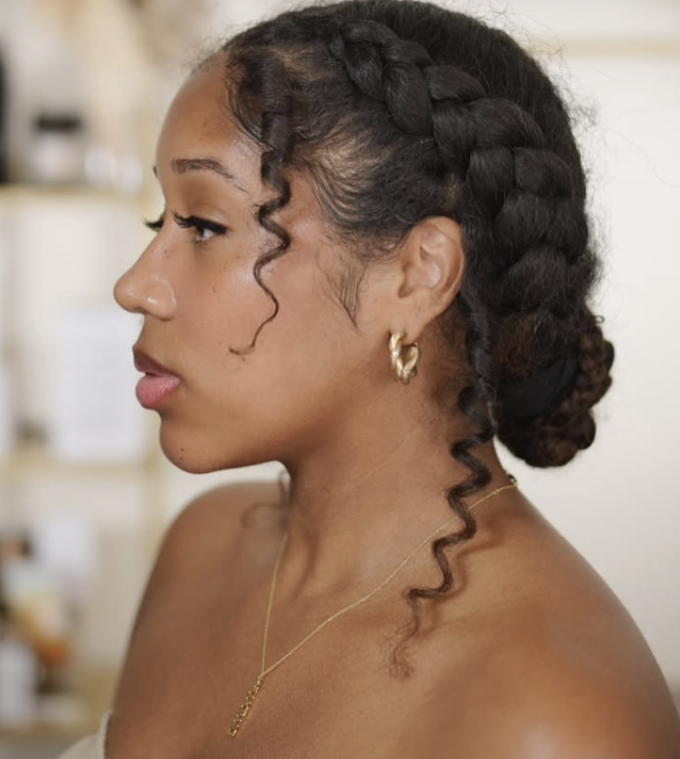
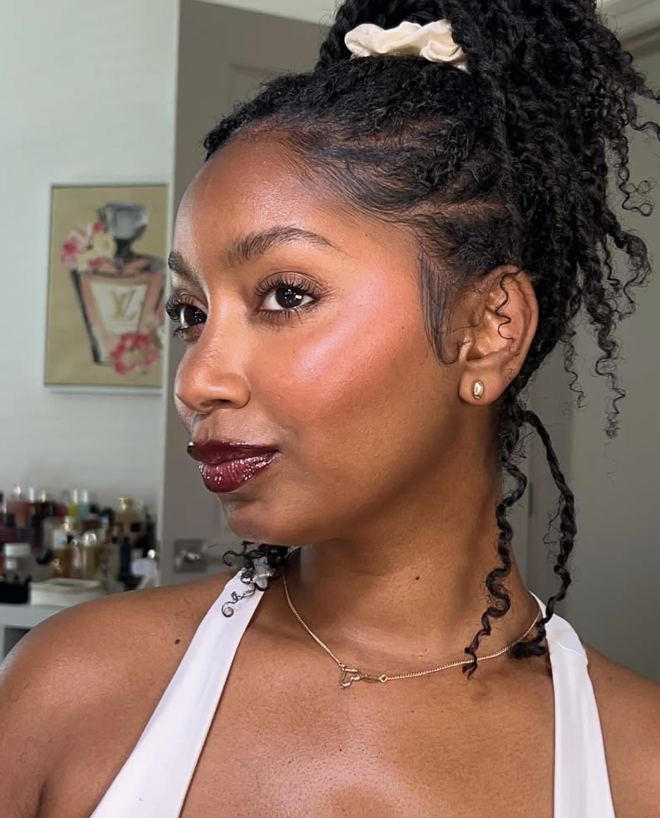
Photo credit: IG @amberalauran

1. Incorporate a weekly hair mask or deep conditioner.

These types of products are made to protect your hair from damage and help restore your moisture balance. You should look for ingredients such as: humectants like honey, glycerin and aloe vera for moisture; penetrating oils like coconut, olive, and avocado; and strengthening butters like shea butter and hydrolyzed proteins. These key components work to hydrate, seal, and repair the hair cuticle for softness, strength, and shine.

Some examples of ultra moisturizing masks and deep conditioners:

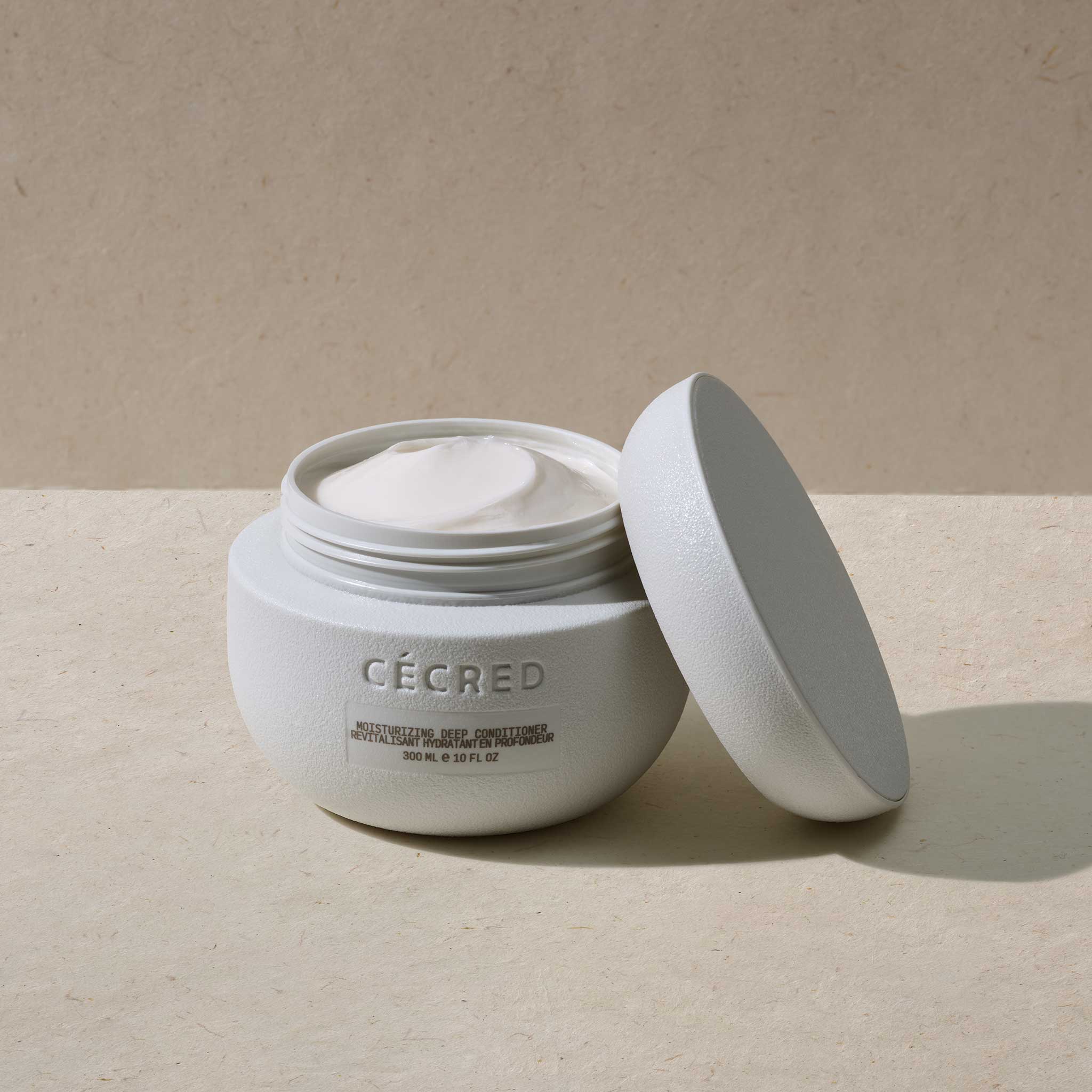
Cécred Moisturizing Deep Conditioner

Cecred Moisturizing Deep Conditioner
Photo credit: cecred.com

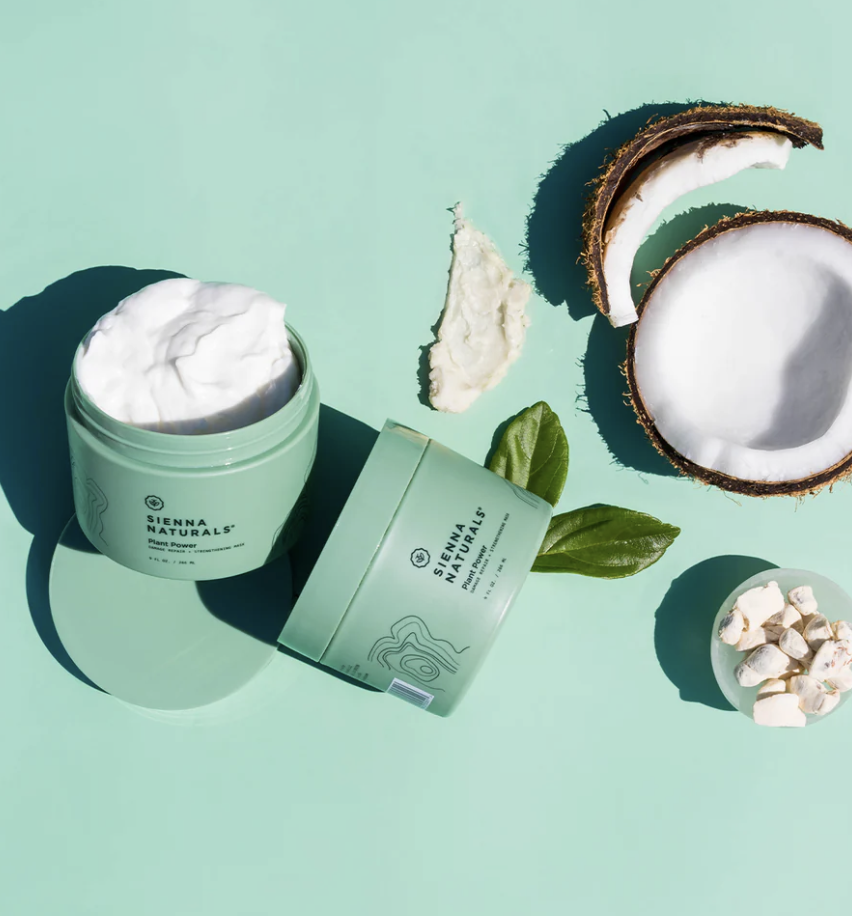
Sienna Naturals Plant Power Repair Mask

Sienna Naturals Plant Power Repair Mask
Photo credit: siennanaturals.com

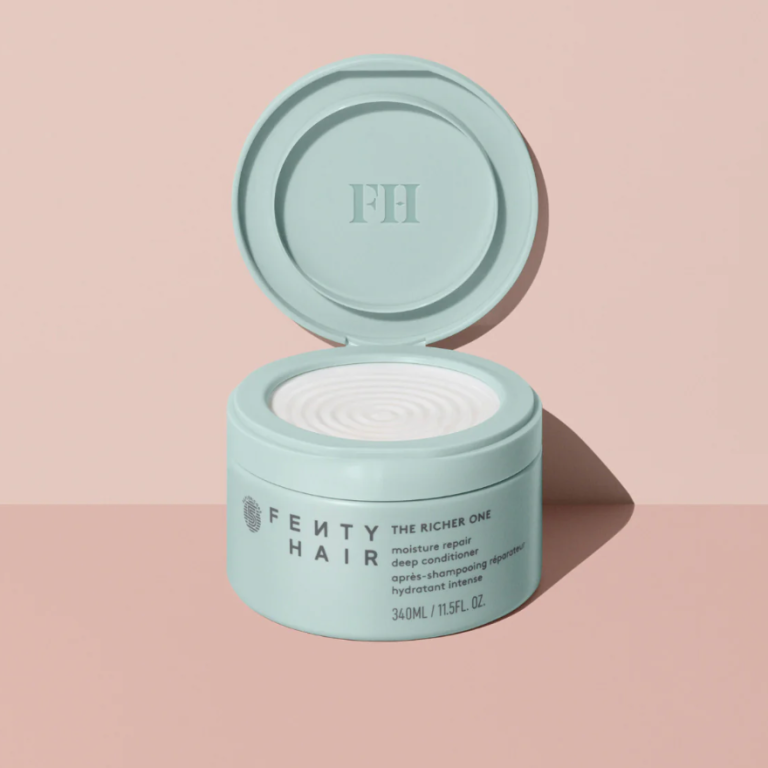
Fenty Hair The Richer One Moisture Repair Deep Conditioner

Fenty Hair Deep Conditioner
Photo credit: fentybeauty.com

2. Use a steamer, hood dryer, or heat cap to seal in moisture.

This is especially important if you have low porosity hair – hair that takes a long time to dry and resists moisture absorption. Heat is an underrated tool that helps open the cuticles, allowing your products to fully penetrate the hair shaft. We’re talking luscious, juicy hair after one use. Your deep conditioning sesh is no good if the product didn’t really get a chance to do its job. As an upgrade to your deep conditioner, try adding heat for 15-30 minutes for maximum results.

My favorite steamers and dryers to try out:

Pattern Beauty Hair Steamer

Pattern Beauty Steamerjpg
Photo credit: patternbeauty.com

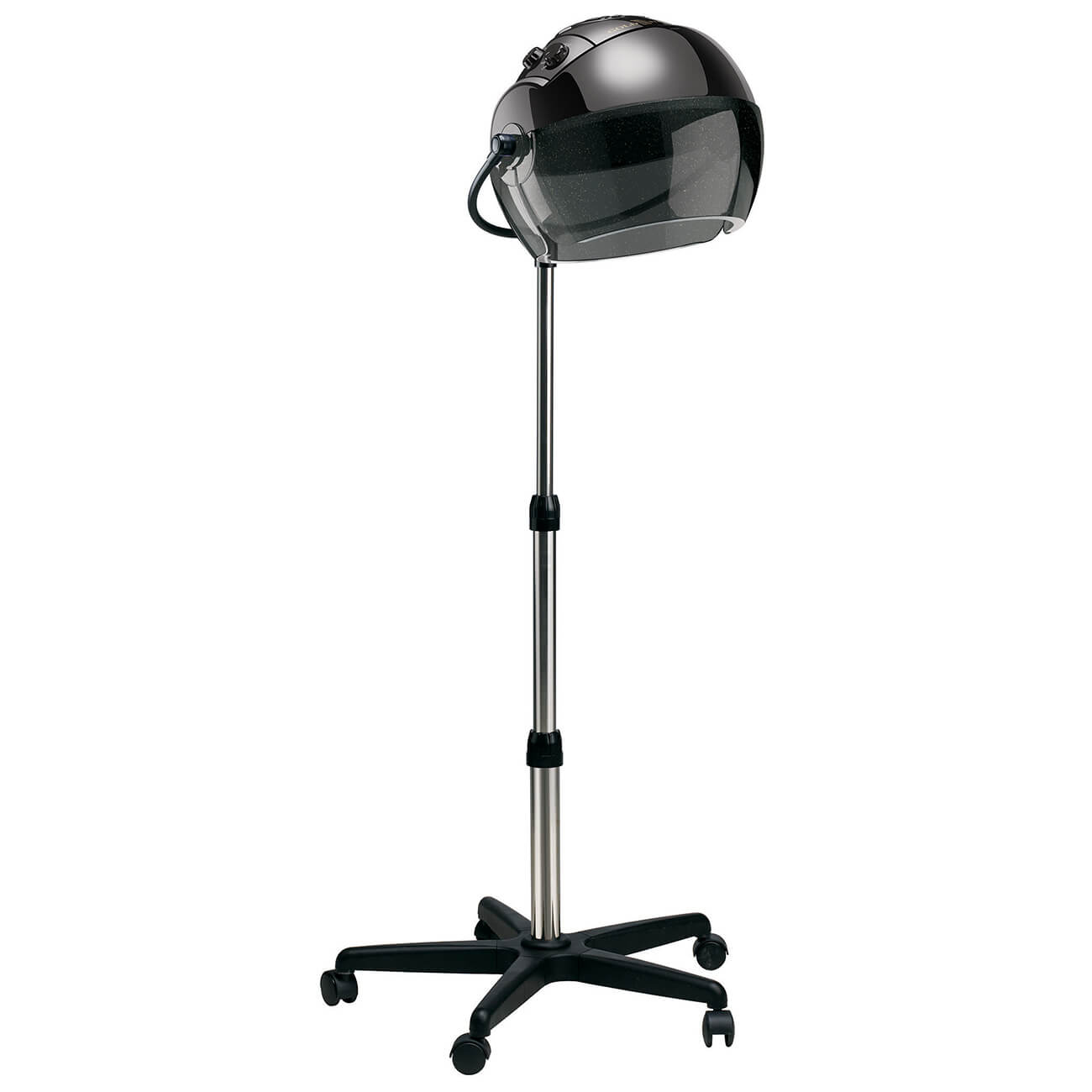
Gold ‘N Hot Hood Dryer

Gold N Hot Dryer
Photo credit: goldnhothair.com

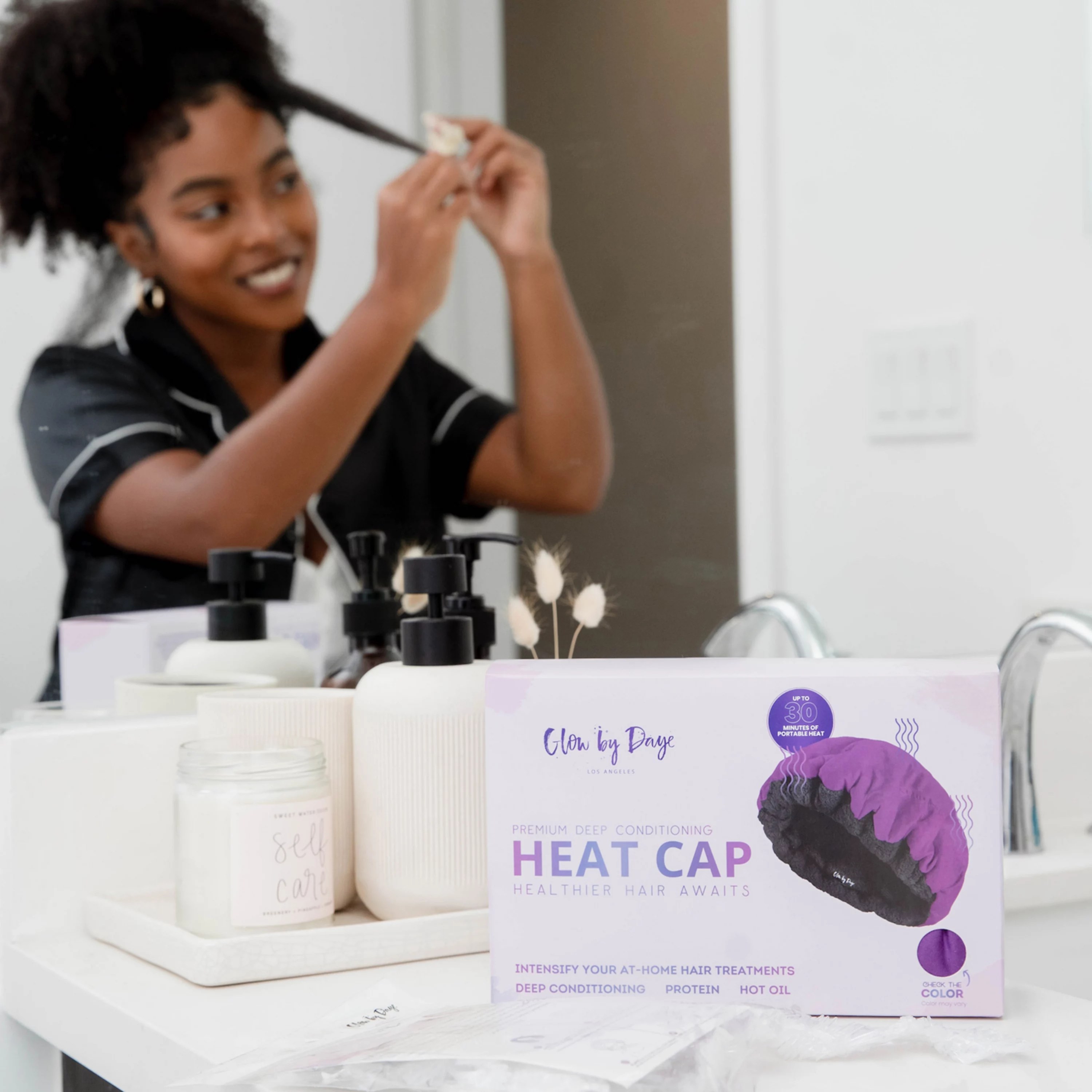
Glow by Daye Deep Conditioning Heat Cap

Glow By Daye Heat Cap 1
Photo credit: glowbydaye.com

3. Protective styles to retain length and moisture.

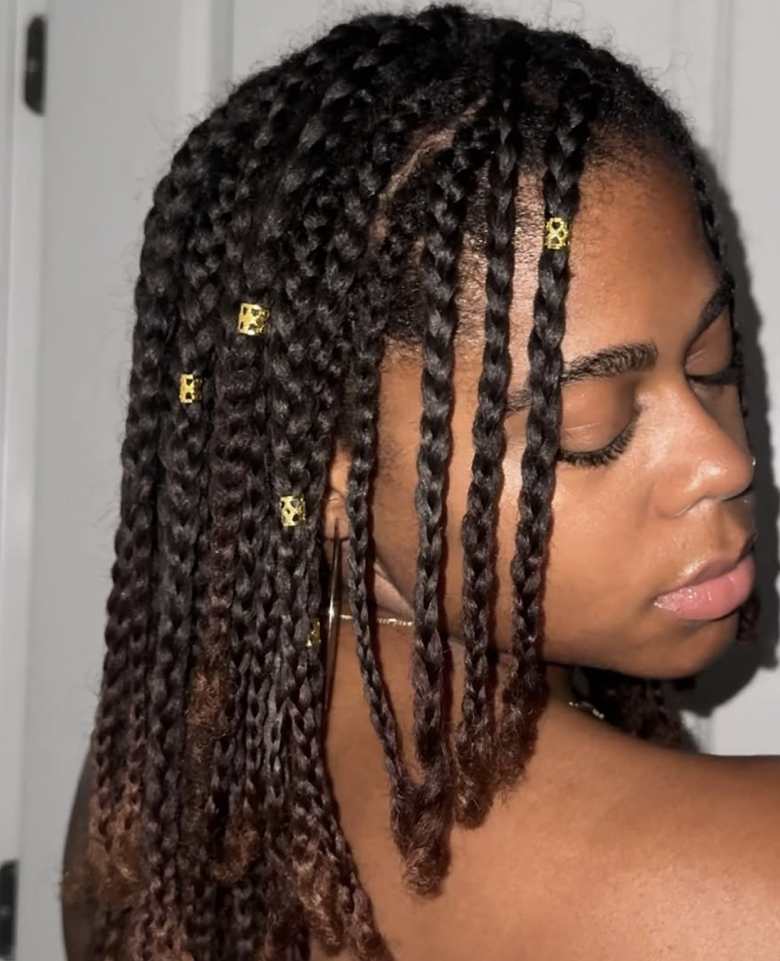
Protective styles have been a longtime contender in the natural hair game. These styles protect your hair from excessive damage from heat, color, and chemicals. Some examples are knotless braids, mini twists, v-part wigs, flat twists and much more. By securing your ends, you are more likely to reduce split ends and breakage. However, you do still need to take care of your hair and scalp during this time for it to be truly “protective.”

Here’s some examples of protective styles that will have you turning heads, while your hair stays safe and secured:

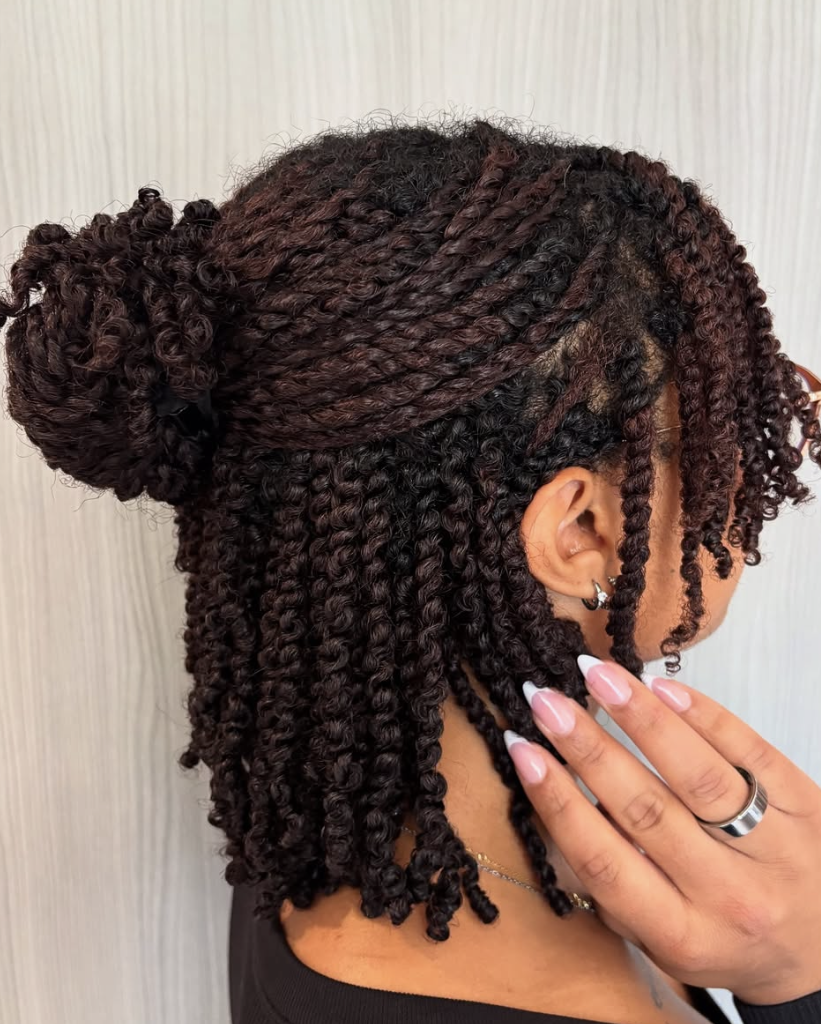
Mini Twists

Winter Hair Header Amberalauran
Photo credit: IG @teerachelle_

Flat Twists

Mini Twists Teerachelle
Photo credit: IG @curlsidoadore_

Mini Braids

Mini Braids Madamj

(photo credit: IG @_madamj)

It’s time to lock in on your healthy hair goals. Save these tips to add to your new winter hair routine!

How & When To Use Vitamin C Serum

0

Here at Juice Beauty, we don’t believe in junk. Your skincare routine should include the creams and serums your skin needs — and nothing more.

Today, we’re going to dive into one popular skincare product: vitamin C serums. What can they do for your skin? How do they work? And most importantly, do they really deserve a spot in your skincare routine? In this article, we’ll answer all of your questions and share if and when to use vitamin C serums on your skin.

Do You Need Serums in Your Skincare Routine?

In order to understand what role vitamin C serums can play in your skincare routine, it’s helpful to break down what exactly a “serum” is in the first place. Especially with new products hitting shelves all the time, it can be tricky to understand their differences.

Serums refer to any type of watery liquid that contains nutrients. Biochemists use the term to describe the liquid part of your blood. In skincare, serums are lightweight skincare formulations designed to target a specific skin concern.

Because skincare serums are made to support a specific area of your skin health, you only need serums that align with your skin concerns.

For example, if you’re looking to hydrate a patch of dry skin, a niacinamide serum designed to slow oil production and minimize breakouts wouldn’t be very helpful. Instead, you’d want to opt for a glycolic acid or other AHA serum that supports water retention in the skin.

What Is a Vitamin C Serum?

Serums typically contain a high concentration of a specific active ingredient. In the case of vitamin C serums, that ingredient is (unsurprisingly) vitamin C.

Vitamin C (also known as L-ascorbic acid) is a water-soluble vitamin found in many fruits and vegetables — most notably citrus fruits like oranges. Your body uses vitamin C in a lot of different ways, from protecting against UV light damage in your eyes to helping your digestive system absorb iron. However, one of vitamin C’s most notable roles is in the skin.

This vitamin is a powerful antioxidant, which means it has the strength to support cells during exposure to damaging free radicals.

Free radicals are a type of unstable atom that build up in your body. If left unchecked, they can cause a lot of damage to your skin cells, like an uneven skin tone, a dry skin texture, and signs of aging like fine lines are all side effects of free radicals. This is why it’s so important to keep these atoms in check — and why antioxidant skincare ingredients like vitamin C are essential for your skin.

3 Benefits of Vitamin C Serums

The free radical-fighting power of vitamin C leads to a lot of key benefits that come from using vitamin C serums. Some of the best effects of vitamin C for your skin include:

1. Brightening Your Skin

The first way vitamin C works to support your skin health is by brightening your skin.

You might have noticed that your skin looks dull at the end of the day but immediately appears vibrant again after you wash your face. This is because your face wash removes the thin layer of dirt, oil, and dead skin cells that build up on your skin throughout the day.

A certain amount of this buildup is normal, and your regular skincare routine should take care of it. But sometimes, your exfoliating cleanser isn’t strong enough to remove those dulling impurities on its own.

This is where vitamin C comes in. In order for your skin to shed these dead skin cells, it needs to have a new layer of healthy ones ready to take their place. This process is called cell turnover. Vitamin C ensures these healthy skin cells are ready to go by supporting collagen production, a structural protein in the skin that helps new cells grow.

By supporting cell turnover in the skin, vitamin C helps shed this dulling layer of dead skin cells, leaving you with brighter, healthier skin.

2. Hydrating Your Skin

Vitamin C also works to support your skin health by hydrating your skin.

Your skin’s hydration often comes down to one thing: the strength of your skin barrier. The outer layer of your skin is made up of a collection of oils and fats called lipids that form a protective shield on your skin. This barrier knows how to let in the good and keep out the bad. However, it also allows some nutrients to leave your skin, including water.

This process is called transepidermal water loss, and it’s a natural part of your skin’s function. However, if your skin barrier malfunctions or grows weak, it can accidentally let out too much water, drying out your skin.

Vitamin C prevents this extra water loss by keeping your skin barrier strong. The vitamin works closely with skin cells responsible for producing lipids and ensures they’re making enough of these fats to protect your skin and keep it hydrated.

3. Evening Out Your Complexion

The color of your skin is determined by the amount of pigment in your cells. This pigment is called melanin, and it’s produced by melanocytes. Typically, your skin has a consistent amount of melanin everywhere, which explains why it’s all the same color. However, if certain melanocytes start producing more pigment than normal, you can develop dark spots on sections of your skin.

This discoloration affects light and dark skin tones alike. For both skin tones, vitamin C can help even out your complexion by interacting with the enzyme melanocytes need to function.

How To Add Vitamin C To Your Skincare Routine

If you struggle with dull, dry, or discolored skin, then vitamin C might be just the skincare ingredient you need to swap your tired skin for a brighter skin tone. And we have just the serum to do it.

Our Stem Cellular Anti-Wrinkle Booster Serum features vitamin C alongside vitamin B5, fruit stem cells, jojoba seed oil, and vitamin C to boost and enhance skin tone and texture. After four weeks of clinical trials, 95% of participants reported that their skin appeared younger and smoother-looking and 95% reported that their skin tone and texture improved.

Our Green Apple Age Defy Serum also includes vitamin C paired with aloe leaf juice, lemon juice, hyaluronic acid, and green tea leaf extract to help create a brighter-looking complexion and reduce the look of discoloration. In laboratory testing, our Age Defy Serum performed on average 2.7 times (168%) better at providing antioxidant protection than a leading conventional serum — and a top natural serum.

When To Use Vitamin C Serums

Remember that you should only be using skincare serums that directly support one of your skin goals. That means you should only use vitamin C serums if your skin would benefit from this skincare ingredient.

Make the Right Choice for Your Skin

The benefits of vitamin C serums are undeniable, but that doesn’t mean you have to use the skincare product every day, or even at all. Some skin doesn’t need it.

If you don’t struggle with dull, dry, or discolored skin, then vitamin C might not belong in your skincare routine. You get to tailor your regimen to your own skin concerns and goals, which means only using products that support that.

For many, vitamin C serums are an essential part of a good skincare regimen — but that might not be you, and that’s okay. At the end of the day, you want to feed your skin exactly what it needs, no junk included.

Sources:

Skin serum: What it can and can’t do | Harvard Health

Effects of ascorbic acid on UV light-mediated photoreceptor damage in isolated rat retina | National Library of Medicine

Interaction of vitamin C and iron | National Library of Medicine

Topical Vitamin C and the Skin: Mechanisms of Action and Clinical Applications | National Library of Medicine

Collagen: What It Is, Types, Function & Benefits | Cleveland Clinic

Skin barrier function | National Library of Medicine

Transepidermal Water Loss – an overview | ScienceDirect

Vitamin C Stimulates Epidermal Ceramide Production by Regulating Its Metabolic Enzymes | National Library of Medicine

Skin melanocytes: biology and development | National Library of Medicine

How to fade dark spots in darker skin tones | American Academy of Dermatology

The Roles of Vitamin C in Skin Health | National Library of Medicine

What Encapsulated, Liposomal, and Time-Released Really Mean in Skincare

0

Encapsulated. Liposomal. Time-released.

These terms show up constantly in skincare marketing, usually implying better absorption, stronger results, or advanced science. Sometimes that is true. Often, it is just expensive vocabulary.

Delivery systems can improve stability, tolerance, and how a product behaves on skin. What they cannot do is rescue a weak formula, inflate a low concentration, or guarantee better results on their own. Before any ingredient “travels,” it still has to be worth delivering.

That distinction matters more than most people realize.


A quick clarification before we go further

These categories overlap.

Liposomal delivery is a specific form of encapsulation. Many time-released formulas rely on encapsulated ingredients to work. The marketing terms are tidy. The chemistry is not.

Understanding the difference helps you read claims more critically and shop more intelligently.


Encapsulation (the umbrella term)

Encapsulation means an ingredient is physically enclosed within another material. This outer shell can be lipid-based, polymer-based, or silica-based, depending on the formula.

The goal is not necessarily deeper penetration. Most of the time, it is controlled exposure.

Encapsulation is used to:

• protect unstable ingredients

• reduce irritation

• improve shelf life

• control how quickly an active is released

Encapsulation often improves tolerability before it improves results.

When encapsulation truly matters

Encapsulation is most useful for ingredients that are potent, unstable, or irritating by nature.

Common examples include:

• retinoids

• retinaldehyde

• exfoliating acids in leave-on products

• certain vitamin C derivatives

When it is mostly marketing

Encapsulation adds little value when:

• the active is already stable

• the concentration is very low

• the product is rinse-off

Encapsulation cannot turn a weak formula into a strong one.

Product examples worth knowing

A well-executed example of encapsulated retinaldehyde. The delivery system helps manage irritation while maintaining potency. This is a legitimate use case for encapsulation and a consistent performer.

These formulas rely on controlled-release technology rather than loud encapsulation claims. The approach prioritizes tolerability and gradual exposure.

Designed with encapsulation and buffering in mind, paired with barrier-supporting ingredients. The delivery system supports consistent use rather than aggressive penetration.


Liposomal delivery (a subtype of encapsulation)

Liposomal delivery uses lipid-based vesicles made from phospholipids. Structurally, they resemble components of the skin barrier.

All liposomal delivery is encapsulation. Not all encapsulation is liposomal.

What liposomes do well

Liposomes can:

• improve ingredient stability

• increase compatibility with the skin barrier

• help water-soluble ingredients interact with lipids

They are especially common with antioxidants, peptides, and hydrophilic actives.

What liposomes do not guarantee

Liposomal delivery does not automatically mean:

• deeper dermal penetration

• faster results

• medical-grade performance

Those outcomes depend on formulation, concentration, and consistency of use.

Where the term gets inflated

Marketing often implies that liposomes escort ingredients deep into the skin. In reality, their biggest benefit is usually stability and compatibility, not depth.

Product examples you will see linked to liposomal delivery

An antioxidant serum often referenced in professional settings for its use of encapsulated delivery to improve stability and skin compatibility rather than penetration depth.

Designed with advanced delivery strategies to support hydration performance and tolerability, rather than acting as a penetration-driven treatment.

Certain Obagi vitamin C serums are positioned around stabilized delivery systems intended to improve tolerance and consistency of use. This applies to specific products, not the entire brand.

Explicitly positioned around liposomal delivery, with retinol housed in lipid-based vesicles to improve stability and skin compatibility. The focus here is gentler exposure rather than deeper penetration, making it a straightforward example of how the term is used in daily-use retinol formulas.


Time-released formulas (a behavior, not a structure)

Time-released refers to how quickly an ingredient becomes available on the skin. It does not describe the delivery vehicle itself.

A time-released formula can be:

• encapsulated

• liposomal

• polymer-based

• multi-phase

Time-release describes behavior, not architecture.

What time-release is good for

Time-released systems are useful when:

• irritation is a concern

• actives are potent

• consistent use matters more than speed

This is why retinoids often benefit from time-released design.

What time-release will not do

Time-release cannot:

• extend the lifespan of an ingredient

• override poor formulation

• guarantee better results

Time-release benefits sensitive skin more than impatient skin.

Product examples with time-released behavior

Formulated with a blend of retinoids designed to release gradually on the skin, helping to balance potency with improved tolerability.

Uses a gentler, controlled-release approach to retinol. Designed for regular use rather than aggressive turnover.

Combines multiple forms of retinoids with time-released behavior to reduce irritation while maintaining effectiveness.

Explicitly formulated with controlled-release systems. These prioritize gradual exposure and tolerability.

Long known for controlled-release acid technology, particularly with glycolic and PHA formulas.


Other delivery terms you may see

Microencapsulation and nanoencapsulation

These describe particle size, not superiority. Smaller particles can improve uniformity and stability but do not guarantee deeper penetration.

Microemulsions and nanoemulsions

These mostly affect texture, stability, and cosmetic elegance. They improve how products feel more than how they absorb.

Penetration enhancers

Unsexy ingredients like alcohols and glycols often influence absorption more than any delivery buzzword. They rarely get marketing credit, but they matter.


The bottom line

Delivery systems are not gimmicks. They are also not magic.

When used well, they make powerful ingredients more tolerable, more stable, and easier to use consistently. When used poorly, they are just vocabulary.

Absorption is contextual. Performance is cumulative. And the formula always tells the real story. Lastly, as always, “results may vary”.


Affiliate disclosure: This post contains affiliate links. If you choose to purchase through them, I may earn a small commission at no extra cost to you. I only recommend products I genuinely use, trust, or would suggest to a close friend.


Sitting at Work May Not Be as Terrible as You Think

0

It’s frustrating to hear about research that suggests sitting is terrible for your health when you have to sit all day for work. But studies have linked sitting for long periods of time to everything from mental health issues to a shorter lifespan, making the connection hard to ignore. Now, new research suggests you’re not totally screwed on the health front if you have a desk job.

The study, which was published in the Journal of Alzheimer’s Diseasecalls out different types of sitting—active and passive—and points out that one in particular may actually help to lower your risk of cognitive decline and Alzheimer’s disease.

While it’s still a stretch to say that sitting all day is good for you, the findings are something to consider if you’re worried that your day job is ruining your health. Here’s what the study found, plus how neurologists say you can put the findings to good use to support your brain health going forward.

Researchers discovered that all forms of sitting are not equal.

For the study, researchers analyzed data from 85 studies featuring 1,575,657 people that looked at participants’ health and sitting habits. The researchers then drilled down to see what people were doing while they sat, breaking this up into “active” and “passive” sitting.

Active sitting meant doing things that engaged the mind like puzzles, playing card games, reading, or using a computer, while passive sitting included things like watching TV. Ultimately, the researchers discovered that the cognitive impact of sitting depended on the type of sitting people did.

People who did a lot of active sitting had better cognitive health and cognitive functions like executive function and various types of memory, suggesting that active sitting may support healthy cognitive aging. But people who did a lot of passive sitting had an increased risk of developing cognitive decline and Alzheimer’s disease.

“The key message is that not all sitting is the same,” Davide Cappon, PhD, director of neuropsychology at Tufts Medical Center, tells SELF.

Why active sitting can help your brain health.

Your brain thrives on activity and communication, Kinga Szigeti, MD, PhD, professor of neurology and director of the Alzheimer’s Disease and Memory Disorders Center at University at Buffalo, tells SELF. “Brain cells are healthier when they do more,” she says. The major difference between active and passive sitting is how much your brain is working in those situations, she explains.

“When well designed, packaging can become a smart tool,” Amela Kusuran

0

What inspired you to pursue a career in the packaging industry?

Amela Kusuran – What inspired me above all was the interaction between material and object. Watchmaking is a highly demanding field, where touch, appearance, comfort, and precision are essential: we create intimate objects that people wear every day. As a scientist, rethinking materials in this context came naturally.

Packaging quickly became an obvious extension of this work, as it is impossible to design something without considering how the object is protected, presented, and passed on. I like the idea that material, packaging, and the narrative surrounding the object all form part of the same vision — a more responsible one — in a sector that is constantly evolving in response to environmental challenges and changing consumer expectations.

Which material has particularly fascinated you in your recent projects?

Amela Kusuran – One material that has particularly fascinated me recently is coffee grounds. I have been working on transforming them into a material for watch and jewellery boxes. Beyond itscircular nature, this project explores a strong sensory dimension: the scent of coffee, the tactile experience, and the emotion created when the box is opened. It provides a new way of telling the story of an object by engaging multiple senses.

What is one of the biggest challenges you have faced as a young leader in this sector?

Amela Kusuran – One of the main challenges has been introducing new ideas into a sector that has historically been highly codified. Proposing an alternative material or a more sustainable process inevitably means challenging established habits: you have to convince, explain, listen, adjust… and sometimes start all over again. Finding the right balance between innovation and industrial feasibility is a constant exercise. As a young leader, you also have to learn how to communicate a clear vision while remaining attentive to market realities.

If you could change one misconception about packaging, what would it be?

Amela Kusuran – I would like to move beyond the idea that packaging is merely “waste.” When well designed, it can become a smart tool — reusable, recyclable, minimalist, and fully aligned with the object it accompanies. It protects, enhances, and can even extend a product’s lifespan. I am convinced that tomorrow’s packaging will be designed with the same degree of precision as the product itself and will become a genuine driver of sustainable innovation.

This year marks the 25th anniversary of Paris Packaging Week. What legacy would you like the new generation of Future Leaders to leave for the next 25 years?

Amela Kusuran – I would like our generation to leave behind a more responsible and more human way of creating. I hope we will have challenged established models and prioritised simplicity, quality, and a more circular approach. If, in 25 years’ time, the industry is more transparent, more respectful of resources, and more aware of its impact, then we will have achieved something really important.

What advice would you give to young professionals starting their careers?

Amela Kusuran – I would tell them to be bold: ask questions, suggest ideas, and express their point of view. Creativity often comes from curiosity or a simple observation. I would also encourage them to explore different disciplines and change their perspective, as the industry needs fresh ways of thinking. Finally, I would remind them to enjoy the journey: it’s a demanding but exciting field, where you are constantly creating and inventing.

What does being selected as a Future Leader mean to you?

Amela Kusuran – It is a great source of pride, but above all a responsibility. Being a Future Leader means embodying a more innovative, committed, and open approach, while giving visibility to work that often happens behind the scenes and leads to the creation of new materials. For me, this recognition is a real encouragement to continue championing innovation that has meaning.

Can you share an example of a design, innovation or brand that you consider iconic and explain why?

Amela Kusuran – One brand I consider iconic is ID Genève. Their approach reinvents watchmaking by combining high-end design, circular materials, and transparency. They demonstrate that it is possible to create a desirable watch while rethinking the entire value chain, from materials to packaging. For me, they embody responsible innovation and a truly modern vision of watchmaking.

Gloves are the unexpected style trend of 2026 – here’s how to style them

0

Before they went out of style in the 1960s, gloves were an essential part of women’s wardrobes for centuries, hitting their most decadent era during the reign of Queen Elizabeth I, who, like Dominic, loved her gloves embellished to an inch of their existence. Politically speaking, it’s impossible not to consider gloves as an archaic piece for a reason, an item that is connected to the disparity in the workforce and women being seen as just decorative. Yet as we’ve seen with younger generations embracing corsets and towering heels, there are opportunities to reclaim these old rules and celebrate them in a new, positive way.

In order to bring gloves back to everyday lives, let’s start by figuring out some style commandments of glove-wearing, according to some of our favourite celebrity and catwalk looks:

Rihanna

Daniele Venturelli/Getty Images

Image may contain Huw Higginson Clothing Dress Formal Wear Fashion Gown Adult Person and Runway

Richard Quinn

WWD/Getty Images

1. Match the gloves to the rest of your outfit

Celebrities like Rihanna, Anya Taylor-Joy, Pamela Anderson and Ariana Grande are experts at this trick, having showcased the levels of drama a pair of gloves can bring to a red carpet look. This approach will create an elongated silhouette and a decidedly contemporary look – matching patterns or bold colours always have that effect, as seen on catwalks from brands like Richard Quinn and Marine Serre.

Dents Women’s Spotted Cotton Gloves with Cuff Bow

Dents Women’s Long Above-Elbow Satin Gloves


Image may contain Liu Wen Fashion Clothing Coat Performer Person Solo Performance Adult and Glove

Saint Laurent AW25

Vittorio Zunino Celotto/Getty Images

Image may contain Maxsta Clothing Footwear Shoe High Heel Coat Pedestrian Person Adult Glove Accessories and Bag

Balenciaga Pre-Fall 2026

Courtesy of Balenciaga/Launchmetrics.com/spotlight

2. A contrasting glove adds unprecedented elegance

Just like matching colours and prints achieves a sense of modernity, a contrasting glove instantly transports you back to the era of 1980s power dressing, pointing to iconic references like Yves Saint Laurent. Recently, designer Anthony Vaccarello brought these pieces back for his AW25/26 collection at YSL, with loose leather gloves in shades that fought with those of the oversized outerwear. Similarly, Pierpaolo Piccioli’s new, pre-fall collection at Balenciaga captured a balance between formality and casual sophistication; think workout gear with opera-length gloves. Miuccia Prada and Raf Simons agree, as evident in one of their key looks for SS26 – a chartreuse 1950s-style dress with a soft lilac glove.

David Koma Bow Detail Long Jersey Gloves

Lauren Perrin Hand Dyed Pink Cotton Gloves


Image may contain Adult Person Face Head Photography Portrait Clothing Hosiery Pantyhose and Glove

Naomi Tarazi’s voluminous silhouettes

Shauna Summers/Courtesy of the brand

Image may contain Clothing Glove Adult and Person

C’est Jeanne beaded velvet gloves

Julia Hermans/Courtesy of C’est Jeanne

3. Bold shapes and embellishments get bonus points

Berlin-based designer Naomi Tarazi creates voluminous silhouettes, with gloves being an essential part of the story. “While designing, I imagine them as an extension of the whole look because it just makes it more complete,” she says, referencing the 3D effect achieved with her signature, circular boning technique. Meanwhile, Dutch designer Jeanne Hermans is one of the leading artisans with her label C’est Jeanne, creating custom couture pieces that veer into the territory of wearable sculpture. “The reason gloves are so special to me is the technical skill required to create this accessory. I started glove making to fully understand this mysterious garment,” Hermans says.

Issey Miyake Red Knit ‘As It Is’ Gloves

Naomi Tarazi Golden Gloves

Image may contain: Adult, Person, Clothing, and Hosiery

C’est Jeanne Sofia Black Bow Gloves


Image may contain Pamela Anderson Person Adult Clothing Glove Body Part Finger Hand Accessories and Formal Wear

Pamela Anderson

Charly Triballeau/Getty Images

Image may contain Accessories Bag Handbag and Purse

Valentino SS26

Daniele Venturelli/Getty Images

4. Tulle, mesh and lace for a softer look

One designer who happens to be a master of recreating a vintage vibe is Alessandro Michele, whose SS26 collection at Valentino showed the most delicate pair of gloves in the form of wrist-length purple lace, reminiscent of 1950s housewives. Transparent materials like nylons, tulle and lace are a great way to dip into the gloved experience, both practically and stylistically. The delicate texture subtly reveals the skin underneath and allows you to actually feel what you are touching.

Valentino VLogo Mesh Gloves in Blue

Mango Elbow Length Lace Gloves


5. One step up from lingerie

It’s no surprise that lingerie and hosiery brands have the expertise needed to craft these pieces. British designer Lauren Perrin and Ukrainian label Zhilyova are both indie brands that create incredible gloves, in prints and unexpected silhouettes, which totally reinterpret vintage ideas. Tatiana Tolstikova of Zhilyova statesthat gloves deserve a return to the mainstream because they “bring intention back into dressing. In a world of fast fashion, gloves invite a more thoughtful, expressive approach to style.”

Lauren Perrin Circles Yellow & Black Gloves

Lauren Perrin Sketch Tartan Red Gloves

Zhilyova Nirvana Midnight Long Gloves

Atsuko Kudo Moulded Evening Length Gloves


Image may contain Taylor Russell Black Hair Hair Person Adult Face Head Photography Portrait Clothing and Glove

Taylor Russell

Frazer Harrison/Getty Images

Image may contain Parker Posey Yumnam Kamala Devi Clothing Dress Person Fashion Formal Wear Gown Adult and Wedding

Parker Posey

Steve Granitz/Getty Images

6. Black gloves forever

Finally, a classic is a classic for a reason. A pair of black gloves should be the 2026 version of the LBD; a piece everyone should have in their wardrobes. According to Naomi Tarazi, style icons like Marlene Dietrich and Aubrey Hepburn created the prototype of modern glove styling, and their choice was (mostly) a simple black glove. Short, mid-length or covering most of the upper arm, see-through or solid, a black glove is a perfect addition to your wardrobe. For bonus decadence points, choose a latex pair – yes, ones from a sex shop will do, too. Instantly, your look will reach new heights.

Norma Kamaly In Velvet Gloves

Nour Hammour Extra Long Butter Soft Leather Gloves

& Other Stories Long Lace Gloves

Karl Lagerfeld Long Ruffled Gloves

Let’s leave absolute practicality in 2025 and take this year as an opportunity to showcase the most opulent version of ourselves. It doesn’t really matter whether you’re getting your pair on the high street, from a heritage glove brand like Dents or a luxury brand – just rust me, it’s much easier to handle that 9 am meeting when you’re wearing a pair of gloves.