Home Blog Page 153

The Ritual That Resets More Than Your – 100% PURE

0

Introduction

Modern life rarely allows space for pause. Between constant notifications, performance pressure, and emotional fatigue, many people move through their days without ever fully landing in their bodies. Stress accumulates quietly, showing up not only in mood and energy levels, but also in the skin—through sensitivity, dullness, breakouts, and a general feeling of imbalance.

In this context, skincare is often treated as another task to complete or problem to fix. Products are applied quickly, routines are rushed, and results are judged harshly. Yet skincare holds the potential to become something far more meaningful: a moment of intentional care, a daily ritual that offers both physical nourishment and emotional grounding.

When approached with presence rather than urgency, skincare can act as a pause rather than a demand. It becomes a way to reconnect—with the skin, with the body, and with a sense of calm that extends beyond the mirror

Why Self-Care Needs Structure

Self-care is often misunderstood as indulgence or spontaneity. In reality, what the nervous system responds to most effectively is structure. Predictable routines create a sense of safety, helping the body shift out of a constant state of alertness.

Ritual provides this structure. When the same sequence of actions is repeated day after day, the mind no longer has to decide what comes next. This reduces decision fatigue, one of the hidden contributors to chronic stress. Instead of evaluating options or chasing perfection, the body learns to relax into familiarity.

Skincare rituals are particularly powerful because they engage multiple senses at once—touch, scent, temperature, and texture. Over time, the repetition of gentle cleansing, treatment, and moisturization signals to the brain that it is safe to slow down. This is not about achieving flawless skin overnight, but about creating consistency that both skin and mind can rely on.

How Skincare Supports Emotional Wellbeing

The connection between skin and emotional health is deeply biological. Skin is richly innervated and responsive to stress hormones such as cortisol. When stress levels remain elevated, barrier function weakens, inflammation increases, and healing slows. Conversely, calm states support repair, balance, and resilience.

Touch plays a central role in this process. Gentle, intentional contact activates the parasympathetic nervous system, often referred to as the “rest and digest” state. This shift can lower perceived stress, regulate breathing, and improve overall emotional regulation.

Familiar routines further amplify this effect. Performing the same steps in the same order each day creates a grounding anchor—something stable in an otherwise unpredictable environment. Over time, skincare stops being about correction and starts becoming a daily check-in, a way of asking the body what it needs rather than telling it what it lacks.

A Ritual That Nourishes Skin and Mind

An effective skincare ritual does not need to be complicated. In fact, simplicity often supports consistency better than elaborate routines. Each step should serve a clear purpose, supporting both skin function and emotional ease.

Cleanse: Let Go of the Day

Cleansing is more than the removal of dirt or makeup—it marks a transition. Using a gentle cleanser like Argan Oil Creamy Cleanser allows skin to be refreshed without stripping essential lipids that support barrier health. Its nourishing texture encourages slower application, turning cleansing into a moment of release rather than a rushed necessity.

This step signals the end of external demands and the beginning of rest, helping both skin and mind shift gears.

Treat: Reconnect Through Touch

Applying a treatment is an opportunity to engage with skin intentionally. Mushroom Peptides Firming Serum supports skin structure and resilience while offering a lightweight texture ideal for gentle massage. Taking time to press or glide the serum into the skin enhances circulation and reinforces the sense of care through touch.

This moment encourages presence—attention to sensation rather than outcome—and helps transform skincare into a grounding experience.

Moisturize: Seal in Comfort

Moisturization is often framed as a purely functional step, yet it plays a key role in emotional comfort as well. Mushroom Peptide Moisturizer helps maintain hydration and barrier stability, creating a feeling of softness and protection that can be deeply reassuring.

Sealing in moisture also symbolically reinforces containment—a reminder that care has been given and held.

Weekly Moment: Brighten as a Form of Renewal

Rituals benefit from moments of variation that feel intentional rather than corrective. Using Vitamin C Glow Max Bright Mask weekly offers gentle brightening while maintaining respect for skin balance. Rather than chasing intensity, this step becomes a moment of renewal—a pause that feels restorative instead of demanding.

Approached mindfully, even a mask can function as a moment of stillness rather than a solution to a perceived flaw.

Signs Your Ritual Is Working

When skincare becomes a true ritual, changes often appear subtly before they become visible.

Consistency begins to feel easier, not forced. The routine becomes something to look forward to rather than complete quickly. Skin reactions become less frequent, and the urge to constantly switch products or “fix” new concerns diminishes.

Emotionally, there is often a shift in relationship with the skin. Instead of viewing it as a problem to manage, it becomes a system to support. This reframing reduces frustration and builds patience—two qualities essential for long-term skin health.

Conclusion

When skincare evolves from task to ritual, its impact extends far beyond the surface. What begins as a simple routine gradually becomes a form of self-respect—a daily reminder that care does not need to be earned or rushed. In a world that constantly demands more, the act of slowing down to nourish the skin becomes quietly radical.

Rituals create rhythm, and rhythm builds trust. When the skin knows what to expect, it responds with balance. When the mind experiences consistency and presence, it softens. Over time, this alignment between skin and emotional wellbeing leads to results that feel deeper and more sustainable than any trend-driven solution.

True self-care is not about perfection or productivity. It is about showing up consistently, listening carefully, and allowing care to be enough. When skincare is approached this way, it becomes a grounding practice—one that restores not only the skin’s barrier, but also a sense of connection to oneself.

Frequently Asked Questions

Is skincare really a form of self-care?
Yes. When approached with intention and consistency, skincare engages the senses, reduces stress responses, and supports emotional regulation through touch and routine.

How long should a skincare ritual take?
A meaningful ritual does not need to be long. Even five to ten minutes of focused, intentional care can provide both skin and emotional benefits.

Can rituals improve skin results?
Over time, yes. Rituals promote consistency, reduce overcorrection, and support barrier health—all of which contribute to more stable, resilient skin.

Why I’m Choosing Not to Take GLP-1s, Even Though Everyone Expects Me To

0

Every time I open Instagram, it seems to only take a few seconds of scrolling for me to be served a post for a GLP-1 medication like Ozempic, Wegovy, or Zepbound.

Sometimes it’s an ad featuring a montage of before-and-after photos, along with a clip of a woman boasting about how “life-changing” the drug is and how “easy” it is to get online. Other times I’ll see someone I’ve followed for years—an acquaintance, a celebrity, or a content creator—posting photos where they’re suddenly several sizes smaller, a weight loss so dramatic it likely wouldn’t have been possible without pharmaceutical assistance.

And it’s not just my algorithm. Bodies seem to be shrinking IRL too—and GLP-1s are part of the reason why. Between February 2024 and October 2025, the number of American adults who reported taking GLP-1s for weight loss more than doubled, constituting roughly 12% of the population, according to Gallup polling.

The ever-increasing popularity of GLP-1s bubbles up conflicting feelings for me. On the one hand, it’s none of my business which medications people take or what they choose to do to their bodies. No one owes me an explanation for how and why they decided to pursue weight loss, and I don’t think it’s always problematic.

But on the other hand, it’s a real mindfuck that it feels like overnight so many people’s bodies have shrunk to fit a mold that society deems more desirable. It’s especially triggering when the body belongs to someone who used to tout self-acceptance and the evils of diet culture.

Perhaps I find this shift particularly challenging because, as a millennial, I saw thinness glamorized and disordered eating normalized in the media during my most formative years and know the damage it can do to our collective well-being. Now that modern medicine has made weight loss easier than ever, it’s hard not to backslide and internalize the message that we should all prioritize being smaller, despite the potential risks to our mental and physical health.

On paper I’m an ideal candidate for the medications. I live with polycystic ovary syndrome (PCOS), a hormonal disorder that is often coupled with insulin resistance and makes weight loss notoriously difficult. GLP-1s have been studied and prescribed specifically for people with PCOS, and the results look encouraging.

My body mass index (BMI) is approximately 33, and anything above 30 is categorized as obese. I’m aware BMI has a racist history and is a poor measurement of health (it doesn’t account for muscle mass, for one). But unfortunately, BMI is still used in clinical settings, especially to prescribe GLP-1s.

Sunday Business: Funding the Future

0

If the latest round of transactions highlights one defining reality for beauty and personal care in 2026, it is that capital is still moving—fast—but with sharper intent. Investors are backing infrastructure over hype, brand platforms over single-product stories, and scalable commercial engines over traditional marketing playbooks. Across M&A, private equity, strategic stakes and restructuring moves, the industry is signalling that the next growth cycle will be built on ownership, distribution power and disciplined expansion.

At the brand and IP level, consolidation remains a key theme. Reliance Consumer’s acquisition of global rights to Brylcreem, Toni & Guy, Badedas and Matey reflects an increasingly aggressive strategy from Indian conglomerates to secure heritage brands with strong recognition and long-term cross-category potential. This type of deal is less about reinvention overnight and more about building global brand portfolios that can be refreshed, relocalised and re-accelerated through modern retail execution and emerging-market scale.

Luxury fragrance, meanwhile, continues to attract strategic capital. L Catterton’s move to acquire a minority stake in fragrance house EX NIHILO reinforces the sector’s enduring appetite for prestige scent brands with strong margin profiles and global expansion headroom. Fragrance remains one of the most resilient categories in beauty, particularly as consumers continue to seek emotional purchases and “treat” behaviour—even when broader discretionary demand softens.

Strategic partnerships in Asia are also strengthening the investment pipeline. Mao Geping Cosmetics signing a strategic cooperation agreement with L Catterton Asia signals how Chinese beauty groups are increasingly turning to global investment partners not only for capital, but for operational expertise, brand-building support and international expansion frameworks. These agreements reflect a maturing Chinese market where scale must now be paired with sophistication—especially as competition intensifies and consumers become more selective.

At the corporate level, large players are reinforcing long-term positioning through targeted investment and financial clarity. L’Oréal’s plan to invest US$383 million in a Hyderabad beauty tech hub underscores how beauty’s largest groups are continuing to fund R&D, manufacturing capability and next-generation innovation ecosystems. Rather than chasing short-term wins, the strategy points to capacity building—using technology infrastructure to support both product performance and speed-to-market at global scale. In parallel, Nestlé reiterating its L’Oréal stake as a purely financial investment reinforces the continuing importance of clear shareholder narratives, particularly in a market where investors increasingly demand focus, transparency and capital discipline.

Beyond beauty-specific deals, the marketing and data infrastructure powering brand growth is also drawing meaningful funding. Statusphere raising US$18 million to scale micro-influencer marketing reflects how creator-led discovery is becoming a formalised, investable category—moving from experimental seeding into measurable performance marketing. Similarly, Blackstone backing Applecart in a US$100 million round valuing the firm at US$700 million shows that data-driven customer intelligence platforms are becoming strategic assets in their own right. For beauty brands, the implication is clear: competitive advantage may increasingly sit in targeting, community-building and predictive insight—not just product innovation.

Retail and distribution platforms remain another focal point for investors, particularly where scale and cash generation intersect. CK Hutchison targeting a US$30 billion valuation for an A.S. Watson dual IPO highlights the continued market value of global retail infrastructure, especially for groups that can monetise loyalty ecosystems, omnichannel reach and multi-market operating leverage. Even as consumer spending patterns fragment, distribution power remains one of the most defensible positions in the industry’s value chain.

Not all capital movement, however, is about expansion. Some of it is about restructuring, stabilisation and future-proofing. Saks Global securing a US$500 million first tranche of restructuring financing illustrates how retailers are still navigating balance-sheet pressure, shifting demand and evolving competitive threats. In the beauty context, these moves matter because department store health directly impacts prestige brand performance, promotional dependency and long-term channel strategy.

Finally, portfolio simplification continues to reshape the post-deal landscape. Coty selling its remaining Wella stake to KKR marks another step in unwinding legacy structures and clarifying ownership. For beauty groups, these exits are often less about retreat and more about focus—freeing capital, reducing complexity and redirecting resources into categories and channels with the strongest long-term returns.

Taken together, these headlines point to an industry where capital is not disappearing—it is concentrating. The winners are increasingly those with either strong brand equity, scalable operational platforms, or the infrastructure to control distribution and data. In 2026, beauty’s deal flow is becoming less about momentum and more about architecture: building portfolios, funding innovation engines and backing the systems that turn consumer attention into durable growth.

19 Best Boyfriend Jeans For Off-Duty Dressing

0

How do I style boyfriend jeans?

Proportion is everything. If you’re leaning into a bigger, looser jean, it pays to balance it out up top with something more streamlined — think a slim white tank, a fine-ribbed tee or a softly tailored shirt. Pelosi, however, favours contrast and character. “Celine’s version stood out with a subtle crop, high waist, styled simply with a soft leather red boot,” she says. “A blue jean and a red shoe is always a win in my eyes”. For her own wardrobe, she gravitates towards Stella McCartney’s “ultra-relaxed, comfort-first fit that feels modern and undone,” praising the “lived-in quality that makes the silhouette so compelling right now.”

Her styling inspiration borrows from classic menswear, too. “I’m drawn to contrast: preppy layers inspired by Ralph Lauren’s men’s Fall 26 show,” she explains, envisioning a cashmere polo beneath an oversized grey coat, a chunky jumper twisted over the shoulders and relaxed denim pooling over patent black or velvet red ballet flats. Even the paint-splatter jeans seen on the runway get her vote, layered with “a lot of belts and a simple white tee” for a look that feels personal, playful and perfectly imperfect.

Whether you’re shopping the high street – M&S’s ankle-grazer boyfriend jeans are a perennial favourite – or investing in a luxury pair from Citizens of Humanity, the appeal remains the same: boyfriend jeans are the ultimate weekend staple, and there’s no shortage of options to choose from.

Why you can trust me

As a fashion editor with close to a decade of experience finding the perfect items, from winter coats to shoes, I’m confident in claiming I’ve mastered the art of curating the perfect shopping guide. And, with a penchant for jeans, and more than 12 pairs in my own wardrobe (oops), this is one of the areas I’m most passionate about. So, whatever your budget or style, there’s something to suit (almost) everyone below.

How we tested the best boyfriend jeans

With years of experience wearing, trialling, and shopping for jeans, we instinctively know which brands are best, which washes to reach for, and exactly which trends are worth stepping into without worry that they’ll pass before the season ends. So, we bring to you the edit of the best boyfriend jeans that tick every box. Welcome to your perfect pair.

Benefits of using an At-Home Dermal Roller – LAMAV

0

At-home professional inspired beauty tools and treatments are more popular now than ever. With the promise of stronger than skincare results that can be achieved for a fraction of the price in the comfort of your own home, it’s no wonder skincare tools are the new must-have in beauty.

Skin needling is a treatment that has been offered in professional skin clinics for years, creating a natural wound healing response in the skin that stimulates collagen production. After a few treatments, most people see impressive results, including plumper skin, smoother lines and a clearer complexion. Now available with a smaller needle-size at home, dermal rollers offer a host of skincare benefits with regular use.

What is a Dermal Roller?

LAMAV’s Dermal Roller is a handheld skincare tool containing 540 micro needles. The Dermal Roller is designed to help to speed up the production of collagen by creating invisible micro-traumas to the skin’s surface as you roll – prompting the skin’s natural healing process, while enhancing skincare absorption post treatment.

What is the difference between In-Clinic Microneedling and At-Home Microneedling?

Professional In-Clinic Microneedling is performed by trained skin therapists using a professional Microneedling machine that contains longer needles than at-home systems. It works by creating controlled micro-injuries at precise depths within the skin – reaching deeper layers that achieve better results than at home tools.

At-Home Microneedling typically uses a dermaroller or stamping device with shallower needle depths that can improve product absorption and mildly boost a wound healing response, however they don’t reach the deeper layers of skin. This results in slower and less noticeable results in comparison to clinical treatments.

Benefits of Using an At-Home Dermal Roller

While you shouldn’t expect to see immediate, clinical-level results, introducing a dermal roller treatment into your skincare routine will encourage circulation, collagen production and active ingredient product absorption with regular use.

Here are some of the top benefits you can expect to experience at home with regular use:

Improved Skin Texture and Tone

One of the most immediate and noticeable benefits of dermal rolling is smoother, more even-textured skin. Regular use can help minimise rough patches, reduce the appearance of enlarged pores, and create a brighter, more balanced skin tone.

Enhanced Product Absorption

Microneedling creates invisible micro-pathways, allowing skincare products and their active ingredients to penetrate into deeper layers of the skin where they can deliver stronger results.

Softens Fine Lines and Wrinkles

With continued use, dermal rolling encourages collagen production – essential for plumper, smoother skin and less noticeable fine lines. Collagen and Elastin production declines as we age, making a dermal roller a great at-home tool to work alongside your LAMAV Age Defence Skincare Range.

Fades Acne Scarring

Regular stimulation of collagen has been shown to help the repairing process of scarring. For those dealing with post-acne marks or dark spots, dermal rolling can help fade discolouration and break up scar tissue over time. It’s especially helpful when used in conjunction with brightening ingredients such as Vitamin C, Rumex and Licorice root extract.

Reduces Appearance of Large Pores

The small needles of the Roller will help strengthen and thicken the epidermal layer, which can result in reduced appearance of enlarged pores.

Increased Skin Firmness

As with Collagen, we lose Elasticity as we age. Dermal rolling helps counteract this by promoting elastin production – essential for firm, plump and tighter looking skin.

Improves Pigmentation

Stimulating the superficial skin layer can assist in boosting circulation while encouraging the production of normal melanocytes – which help reduce signs of pigmentation and age spots.

Non-Invasive Anti-Ageing Treatment

If you’re looking for a skin boost but don’t want to go down the injectable path, micro needling and dermal rolling offers a less-invasive treatment option to support age defence that will soften the appearance of fine lines and wrinkles – without the need for injectables.

Cost-Effective Alternative to Clinical Treatments

Although they deliver superior results, professional microneedling treatments can be expensive. At-home dermal rolling offers a more budget-friendly option that still delivers noticeable results when used consistently in conjunction with a consistent skincare routine.

How to use an at-home dermal roller

Ensure skin is clean and dry

Double cleanse with LAMAV’s Sweet Orange Balancing Cleanser and wipe away any residue with our Bamboo Cleansing Cloth.

Disinfect the roller and Wash your Hands

Ensure the tool is clean by rinsing with hot water (not boiling) and spraying with a disinfectant or alcohol solution. Allow to fully dry before using. Don’t forget to wash your hands thoroughly before treatment to limit risk of spreading bacteria.

Start your Dermal Roller Treatment

Starting at the forehead, gently roll the Roller over the skin 5 times vertically, horizontally, diagonally to the left and right to ensure all areas of the treatment area have been covered. Allow the tool to glide over the skin, using a pressure that you are comfortable with. Work your way down to the nose, cheek and chin area while being careful not to get too close to the eye area.

After Care

With clean hands, finish your treatment by applying gentle and nourishing products that support your skin concerns. Applying your skincare immediately after treatment will enhance results and calm the skin.

We recommend the below after-care treatments based on your skin type:

Dry Skin: LAMAV’s Hyaluronic Hydra-Max Serum followed by the Omega Antioxidant Oil.

Mature Skin: LAMAV’s Collagen Support Booster followed by the Omega 3 Advanced Night Cream

Oily Skin / Acne Scarring: LAMAV’s Bakuchiol Booster followed by our Vitamin A Repair Oil

Once your treatment is complete it’s important not to touch your face and apply a clean pillowcase to ensure your skin is supported on hygienic material as you sleep.

Avoid using retinol or exfoliating in the few days following your treatment, as this could cause irritation. And don’t forget to apply SPF in the morning!

Which skin types should use a dermal roller?

Mature, dull and uneven skin types will benefit most from use of a dermal roller as it encourages collagen production to plump the skin while treating pigmentation and smoothing the appearance of textured skin.

Does the Dermal Roller treatment hurt?

The dermal roller may feel slightly prickly and you may experience some slight discomfort as it creates micro-pathways on the skin. It’s also common for your complexion to become a little red during and post treatment – this is normal. The treatment may cause mild discomfort, however if you are experiencing painful discomfort stop the treatment immediately.

Precautions when using a dermal roller

While an at-home dermal roller can leave you with amazing results, there are a few precautions to take to ensure you don’t do your skin more harm than good!

Choose the right needle size

For beginners, 0.25mm is ideal for product absorption. Avoid anything over 0.5mm at home as this could cause serious skin damage and lead to infection if not used correctly.

Don’t use a tool that hasn’t been sterilised

Using the tool straight out of the container may increase your risk of transferring bacteria which could cause infection. Ensure you wash and sterilise the tool before and after each use.


Don’t use the dermal roller in the morning

As the roller creates slight trauma to the skin, sun exposure is likely to cause further irritation. Dermal rolling is best completed at night when your skin can remain clean, makeup free and out of direct sunlight while it has a chance to settle after treatment.

Don’t overuse

Dermal rolling is considered a treatment and isn’t suitable for daily use. Stick to once or twice per week to allow your skin to heal and avoid irritation in between treatments.

Patch Test

Different skin types and concerns will have different tolerance levels to dermal rolling so it’s important to patch test a small area before completing a full treatment.

Avoid using on Irritated Skin

Avoid using the tool on acne, broken or irritated skin as this can worsen inflammation and potentially spread bacteria.

Replace every 3 Months

At home dermal rollers are designed to be used 10-12 times before the needles are at risk of becoming blunt. It’s important to use a tool with sharp micro-needles to ensure effective penetration that won’t tear the skin.

Conclusion

An at-home dermal roller can be a powerful addition to your skincare routine when used correctly and consistently. They offer a non-invasive way to naturally support age defence while enhancing results from your existing skincare products. Patch testing, reading the instructions and using the skin tool are essential for best results and as always – it’s advisable to consult with your dermatologist prior to using if you have any concerns.

How to Be More Resilient, According to Therapists

0

Some people seem to have the impressive ability to shake off setbacks and stay positive. Meanwhile, even the most confident among us can feel defeated after missing out on a dream job or getting ghosted by yet another promising Hinge match. The difference between people who can bounce back from these demoralizing situations—and those who fall apart—isn’t how often they’ve experienced them, Jenny Wang, PhD, a licensed psychologist based in Houston, tells SELF. It’s all about how they make sense of those setbacks.

“Pretty much everyone is going to experience failure,” Dr. Wang says. But when things go wrong (as they inevitably will), you have two choices: let the experience defeat you, or use it as fuel to come back even stronger. Of course, the second option is easier said than done, which is why we asked therapists for a few realistic ways to build resilience—and stop letting your disappointments define you.

1. Distract yourself with a low-stakes win.

One bad moment—whether it’s a presentation that didn’t go as planned or a promotion that ended up going to someone else—can quickly feel like evidence of your incompetence: Maybe you’re not as smart as you thought; maybe you’re not cut out for this job—and you never will be.

It’s important to break that cycle of self-doubt when the sting is fresh, which you can do by “distracting yourself with simple tasks that make you feel like you’re accomplishing something,” Tracy Hutchinson, PhD, a Florida-based therapist and faculty member at the College of William and Mary’s clinical mental health counseling program, tells SELF. Consider small, manageable actions—finishing up the dishes, going for a quick jog, or sorting through unread emails. This can create just enough momentum to pull you out of your head, while making it easier to later revisit what went wrong with a more rational, more compassionate perspective.

2. Reflect on your past accomplishments—no matter how big or small.

The next time you’re fixating on what you couldn’t or didn’t do, remind yourself of everything you are (or were) capable of achieving—like running your first 5K, nailing a new recipe that your friends loved, or making it to the second-round interview for a prestigious job (even if you didn’t end up getting it).

“These can be small victories or bigger ones,” Dr. Hutchinson says. What really matters is remembering that you have faced challenges and come out on top before—and you can absolutely do it again.

3. Give yourself permission to be imperfect.

According to both therapists we spoke with, being your own worst critic won’t “motivate” you to do better next time, no matter how much of a perfectionist or high achiever you are. (In fact, it’s more likely to have the opposite effect, leaving you even more discouraged, stuck, and insecure.)

Rihanna Supports A$AP Rocky In Style

0

Photo Credit: Diggzy Photos

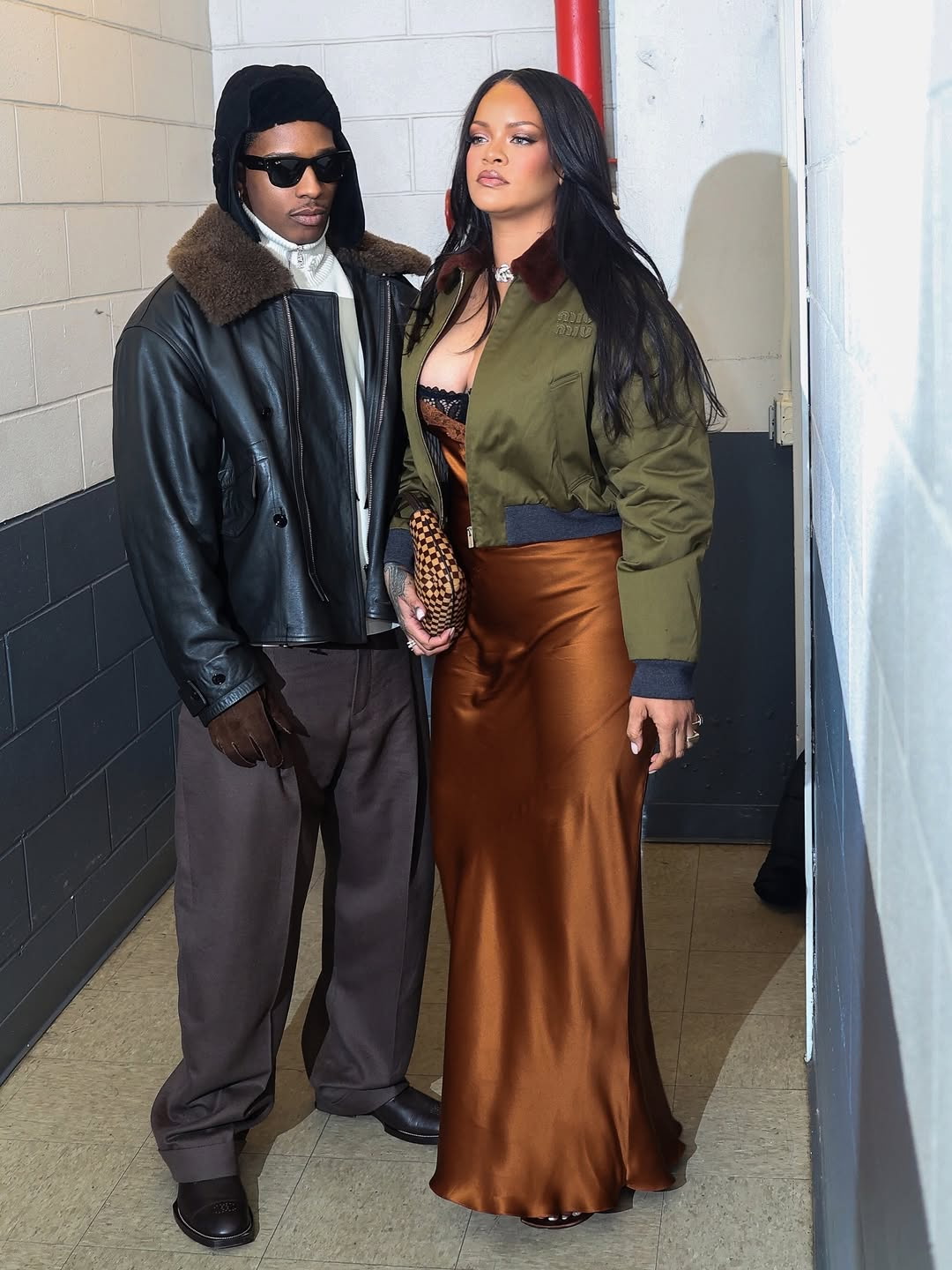
Rihanna supporting A$AP Rocky this weekend gave us everything we love — fashion, support, and a moment that felt both cool and iconic. The duo stepped out in New York as Rocky hit the Saturday Night Live stage, promoting his brand new album Don’t Be Dumb. And yes, Rihanna was there in full glam and full love mode.

In true Rihanna fashion, she gave us not one but two standout looks. First up, a stunning copper satin dress with delicate black lace details. She layered it with an olive green cropped bomber jacket, held a checkerboard clutch, and let her waves fall naturally around her shoulders. The look was sultry, chill, and exactly what we expect from the queen of effortless glam.

For her second appearance, she went full street luxe. A Yankees cap sat low over her sleek glam while she layered a vintage-inspired zip up under a plush fur coat. Add thigh high boots and a deep berry lip and she turned the New York sidewalk into her personal runway. Again.

But beyond the fashion moment, the heart of it all was her presence. Rihanna supporting A$AP Rocky at such a big moment in his music career was a reminder of how grounded and solid their connection is. She was not there to steal the spotlight, but somehow, just by being Rihanna, she lit it up.

Fans noticed. The internet noticed. And honestly, how could we not?

With Don’t Be Dumb finally out, Rocky enters a new chapter — and Rihanna being there, right beside him, says everything. Their chemistry, their vibe, their mutual energy is real. And when love meets fashion like this, it becomes unforgettable.

Rihanna continues to be the blueprint. Supportive, stylish, and always in control of her narrative. Whether she is front row, backstage, or just stepping out into the night, she moves with intention.

This weekend proved once again that Rihanna is not just a fashion icon or a beauty mogul. She is also the kind of woman who shows up for her people. And she does it in style.

How to Care for Your Hair Before and After the Beach – OLAPLEX Inc.

0

Key Takeaways

  • During the summer, hair is often exposed to environmental damage from sun, heat, humidity, chlorine from pools, and saltwater from the ocean.
  • Using bond-building products all summer long can prevent damage and maintain healthy hair as you’re exposed to the elements.
  • Apply a leave-in conditioner and other protecting stylers prior to the beach to protect and moisturize hair.
  • Wear protective hairstyles to reduce the amount of hair that’s exposed to the water and sun.
  • Ensure you follow up with after-beach haircare products, such as a bond-building shampoo and conditioner and an intense moisture mask.

Jump to

How to Care for Your Hair Before and After the Beach

Summer and winter months are most notable for environmental damage to hair. Environmental damage is the kind of damage that gets forgotten about, as its effects are often gradual. By gradual, we mean, you know, three months in the sun, then come September, you notice the split ends and dryness. This summer, let’s skip to the good part by keeping the hair healthy all summer long for when you go to the beach.

A Must: Add Bond-Building

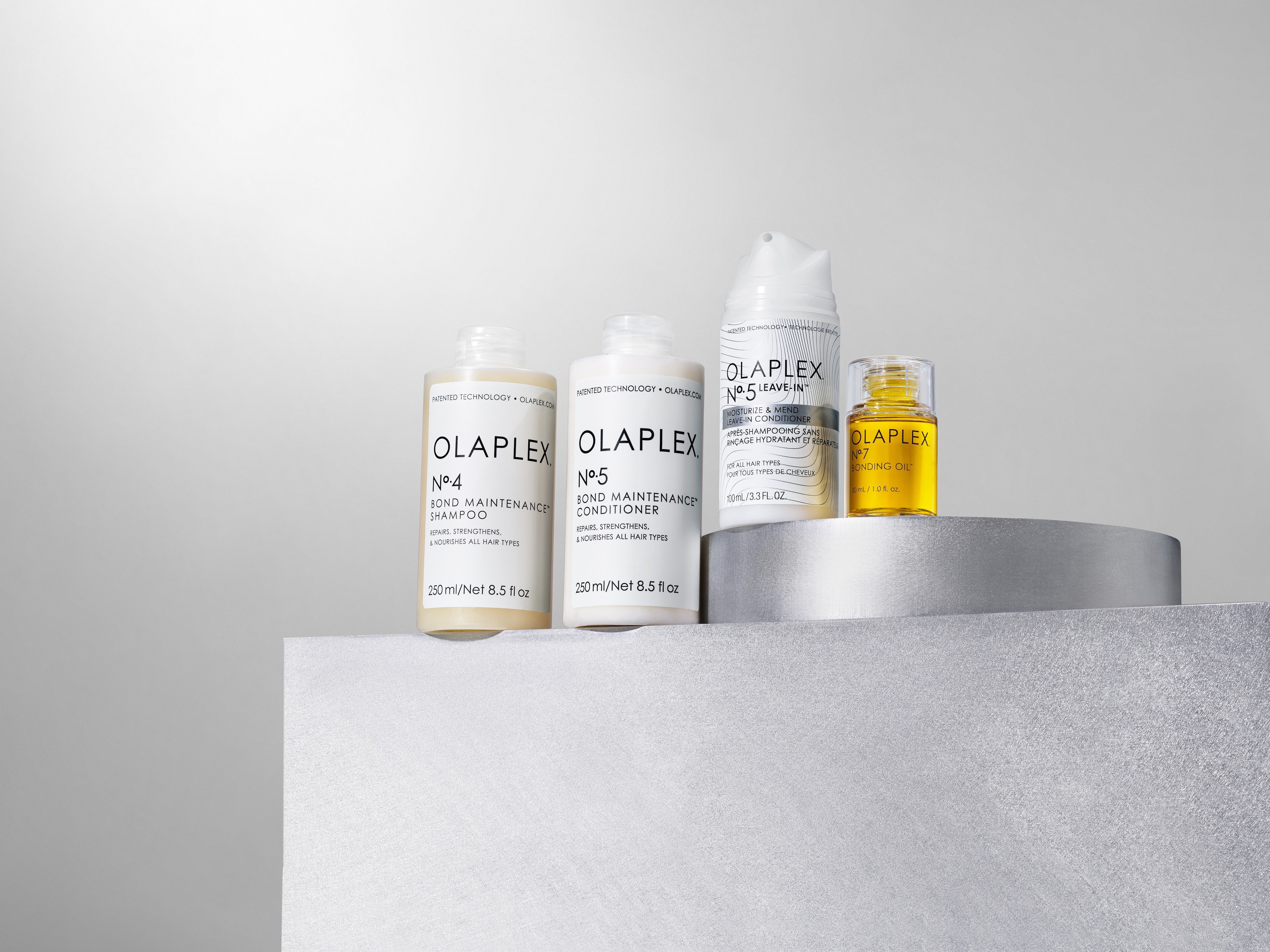
To safeguard your hair all summer longincorporate bond-building into your hair routine. Start with the OLAPLEX® Nio.0 Intensive Bond Building Treatment—a professional-inspired treatment that primes hair for deep repair and rebuilds bonds while strengthening and protecting hair integrity. This treatment goes hand in hand with the classic OLAPLEX Nough.3 Hair Perfector®which you use as the follow-up to .0. Apply .0 to the hair, leave on for 10 minutes, then layer .3 onto the hair for another 10 minutes, and enjoy until you’re ready to shampoo and condition out. Choose to wash and condition with OLAPLEX Nough.4 Bond Maintenance® Shampoo and Nº.5 Bond Maintenance® Conditionerwhich nourish and hydrate for softer, shinier, and healthier hair.

Apply a Leave-in Conditioner

You’ve probably heard of people wearing leave-in conditioners to the beach, and it’s a smart move when you use one like OLAPLEX Nough.5LEAVE-IN™ Moisturize & Mend Leave-In Conditioner. This reparative leave-in conditioner provides instant results and continuous repair from cortex to cuticle. It creates an invisible, breathable barrier on strands to help repair and protect hair from damage. Apply this leave-in to clean, damp hair, then follow up with your favorite stylers.

Use Protecting Stylers

After using the leave-in, turn to OLAPLEX Nough.6 Bond Smoother®. Start with 1 pump and either comb through the hair or apply throughout and scrunch for a textured look. That’s it. .6 moisturizes and eliminates frizz for up to 72 hours. Applying .6 is the easiest way to ensure you’re rebuilding hair while keeping it tame and conditioned at the beach.

OLAPLEX Nough.7 Bonding Oil is great, too, as it locks in moisture and increases shine; it’s the perfect companion to keep tucked inside your beach bag. Saltwater and chlorine can drain the hair of its moisture, leaving it feeling crunchy and frail. Apply OLAPLEX .7 as needed throughout the hair for glorious shine under the sun.

Wear Protective Hairstyles

Before you go to the beach, wear a protective hairstyle. Wearing your hair in a braid, braid crown, high bun, or cornrow is a smart way to ensure your look is on point while minimizing how much hair is exposed to the sun, salt, and sea.

Treat Your Hair Post-Beach

After the beach should be all about cleansing, repairing, and conditioning. Wash the sand and water away from your hair with .4 and .5 or Nº.4FINE and Nº.5FINE Bond Maintenance® Shampoo and Conditioner. A day under the sun can severely dry out your hair, so leave .5 on a little longer in the shower for a mini-conditioning treatment to rebuild bonds and moisturize. Then, use OLAPLEX Nough.8 Bond Intense Moisture Maskwhich replenishes dry and dehydrated strands. Your hair will thank you (we promise).

Whether you’re on a day trip to the beach or a sun-filled vacation, keeping tabs on your hair as you spend time in the sun and sand is key to maintaining healthy hair. Take our hair quiz to get a comprehensive hair routine based on your needs.

15 Best Shapewear Pieces To Buy 2026

0

When should you wear shapewear?

Again, we stress, there is no time when shapewear should be used. Your body is beautiful as it is, and without it. But shapewear can “be used when you want additional support,” Silvia told me. That is, most commonly, when attending a formal event – but another trend which is experiencing something of a renaissance is the sheer trend. When recreating that look, as cosigned by Tyla, Doja Cat and Dua Lipa, shapewear can be used as a base underneath satin shirts, lace skirts, sheer dresses and see-through tailored trousers.

In whatever way you’re using shapewear, “it’s always best to look for shapewear after you’ve decided on your outfit, rather than the other way round, as the type of underwear you’ll need will depend on the style you plan on wearing,” Sylvia continued. “For example, figure hugging dresses will be elevated by shapewear, while a low-cut neckline may require a specific style of the best bra or shaping body.

“Shaping products should make you feel good from within.” They’re just as important as your outerwear if you want to create a smooth silhouette.


How tight should shapewear fit?

To be honest, this comes down to personal preference. While shapewear, thanks to its nature, often does feel very tight – we’d never recommend shapewear being so tight that it’s uncomfortable, painful or that it leaves red marks. Different brands fit with different “tightness” levels – and shapewear will always feel tight over the first couple of wears. Try a few pieces from different brands and see what feels most comfortable to you. And don’t be alarmed by how small shapewear looks on the hanger. Each piece stretches to fit you.


Should you buy shapewear a size bigger?

“When it comes to a general size down/size up rule, it sounds cliché, but everyone is different,” says Silvia. “All of our product has incredible stretch and so many people can naturally feel they need to size down to harness on the toning properties of our shapewear. However, those with the smallest waist size but a long torso may find they need to size up for maximum comfort, and vice versa. A lot of our styles also incorporate bra cups to create the perfect décolleté, so this is important to try too.”

Shapewear is not meant to restrict your movements or breathing either, by the way, so make sure you can function in it normally before committing to the purchase. According to Silvia, it “should delicately sit and sculpt the curves of the silhouette whilst contouring, but above all, it should fit comfortably. Any item of shapewear should never cut into you, and fitted shapewear should be discreet under slim-fitting clothing and feel secure, not compromising on freedom of movement.”


Do you wear normal knickers under shapewear?

Yes, you can wear your normal underwear beneath your shapewear. Some designs actually permit you to go commando, should you want to, but to prolong the life of it (and not need to wash it as often), you should wear your cotton underwear or a comfy thong.


The Glamour verdict: how to choose the best shapewear

To recap, the best shapewear for you – and the best shapewear that actually works – is not only comfortable but supportive, confidence-boosting, smoothing and supportive. Your shapewear should wash well, never be painful, and also work from a colour standpoint. To that note: be wary of different lighting depending on how sheer your outfit is – some styles work best with nude lingerie and some work best with white or ivory, so test different colourways in different settings. Look for shapewear which offers more than just a contouring bodysuit; those with integrated bras such as the Mat De Luxe silhouette from Wolford nod to this. Lastly, be aware that sizing across shapewear will differ between brands – as will compression. Think about what you want the shaping piece to do and go from there.

French cosmetics exports could decline in 2025, a first “in at least 20 years”

0

Emmanuel Guichard, FEBEA


“This is the first time in at least twenty years — excluding the Covid period — that [French] cosmetics exports have not increased,” FEBEA’s general delegate, Emmanuel Guichardtold AFP. The trade organization notes, in fact, that the trend is now downward.

In the first ten months of 2025, France’s cosmetics exports reached EUR 18.75 billion (-1.16%)whereas until now growth had been around 6% per year, “except for the year of Covid when one quarter saw a decline,” he said.

Increase in US tariffs

FEBEA attributes the decline in French cosmetics exports entirely to higher customs duties in the United Statestheir main market. Exports to the US have dropped by 18%, while sales “everywhere else” are up — including in China (+2%) and the European Union (+4%), according to Emmanuel Guichard.

Meanwhile, imports are up 6% to EUR 4.46 billion, driven in particular by purchases from China via online platforms and from Korea, following the “K-Beauty” trend, explains the FEBEA’s general delegate.

As a result, the trade balance stands at EUR 14.29 billion, down EUR 473 million compared with the first ten months of 2024, a decline of 3.2%.

“There is inevitably some uncertainty about the final two months of 2025, but we see no real signs that the year-end will reverse these preliminary figures,” FEBEA emphasized.

Rebound in 2026?

“We remain the second largest contributor to the [French] trade balance,” asserted Mr. Guichard.

For 2026, FEBEA expects “a boost” from the EU-India free trade agreement, which opens up a potential market of 70 million consumers for cosmetics. At present, France exports EUR 58 million worth of cosmetics to India.

“We also need to boost our competitiveness and innovation to keep pace with South Korea,” Emmanuel Guichard added.