

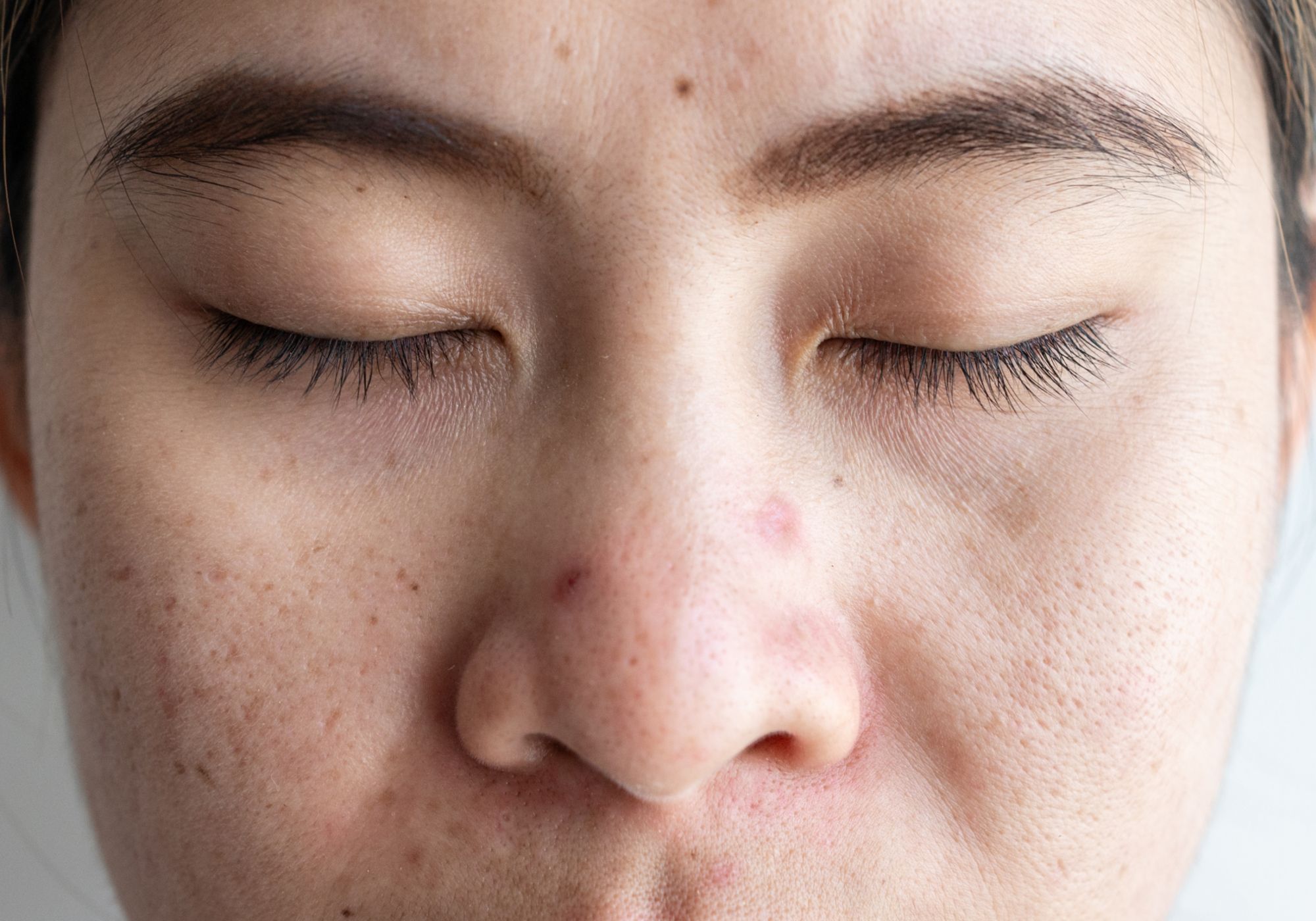
If your acne is keeping you up at night, that’s not just a figure of speech. According to new research as reported by Dermatology Timesadults with acne are more likely to experience sleep disruptions than those without—and for people with severe acne, the connection is even harder to ignore.
One of three studies found that severe acne patients were significantly more likely to report sleep disruptions because of their skin. Another found that worse sleep was independently associated with worse acne, even after controlling for depression and quality of life.
Almost one-third of adults in the U.S. already get less than the recommended amount of sleep, according to the CDC—a fact that raises concerns for several health conditions, including heart disease, mental health and immune function. But the research specifically examining the relationship between acne and sleep quality in adults has, until recently, been limited.
What the Research Shows
Three studies over the last three years have examined the acne-sleep connection. Each study population was predominantly female, though age ranges varied—one included adolescents, while the other two focused on adults.
Two of the three found a clear relationship between acne and sleep issues. One study reported that while patients didn’t show different levels of sleep disruption based on acne severity overall, the picture shifted when patients were asked directly about the effect of their skin on their sleep—more than 30 percent of those with severe acne reported being woken up or prevented from sleeping because of their skin. The study also confirmed findings from earlier research showing significantly more individuals with acne reporting a lack of sleep compared to those without.
A second study went further, uncovering a relationship between acne severity and sleep quality specifically. Researchers found that even when controlling for depressive symptoms and quality of life, worse subjective sleep quality was associated with objectively worse acne—suggesting a potential two-way relationship: acne affecting sleep, and sleep affecting acne.
That said, two of the three studies did not find a significant relationship between sleep quality and acne severity specifically. All three studies relied on self-reported sleep habits, a limitation worth noting when interpreting the findings.
