Home Blog Page 45

Is Summer Friday’s New Fragrance Clean?

0

Let’s talk about something most of us spray on our skin every single morning without a second thought… Fragrance. The product that makes us smell incredible, feel put together, and honestly… feel like ourselves. I get it. I love a good scent but here’s the thing nobody in the beauty industry wants you to know: conventional fragrance is one of the most chemically complex, least regulated and most toxic products in your entire routine that we know can and does disrupt our body! And the word fragrance on a label? That’s not an ingredient. That’s simply a legal way to hide toxins that you should know about, especially if you have pets in the home as their noses are up to 100,000 times more sensitive to it than we are! Summer Fridays, a brand known for their “wellness forward” marketing also just launched their first fragrance and sadly, it was just as I suspected. Toxic. So, let’s get into it!

What “Fragrance” Hides

Did you know that in the United States, the FDA does NOT require companies to disclose individual fragrance ingredients because they’re considered trade secrets? That single word, “fragrance” can legally conceal anywhere from 50 to over 300 separate chemical compounds in one product. The Environmental Working Group (EWG) has flagged this as one of the biggest transparency gaps in the entire personal care industry and I very much agree.

So what’s actually hiding in fragrances? Let’s explore.

Phthalates

Phthalates are chemical plasticizers used to help fragrance last longer on the skin. You know how you put on perfume and then smell it literally everywhere for weeks!? That’s usually thanks to Phthalates. The most commonly found in perfume is diethyl phthalate (DEP). Here’s why that matters: phthalates are classified as endocrine disruptors… meaning they interfere with your hormonal system! A study published in Environmental Health Perspectives found measurable levels of DEP in the urine of nearly 75% of Americans tested. Research has linked phthalate exposure to reproductive issues, thyroid disruption, and developmental problems in children. And we’re spraying this on our necks every morning? And around our developing children, teens and pets?

Synthetic Musks

Two of the most common synthetic musks used in mainstream fragrance are galaxolide and tonalide and both have been found to accumulate in human fat tissue and breast milk. A study published in Chemosphere detected these compounds in nearly all human tissue samples tested. They’re also highly resistant to breaking down in the environment, making them a persistent pollutant. The EU has already restricted or banned several synthetic musks that are still being used freely in American products.

Benzene Derivatives & Aldehydes

Many conventional fragrances contain benzene derivatives, which are linked to carcinogenic activity with long-term exposure. Formaldehyde-releasing preservatives are also commonly found in fragrance blends. The Campaign for Safe Cosmetics identified these compounds in multiple bestselling mainstream perfumes that most of us have probably owned at some point. Again, you will NOT see this on a label which is what makes this so alarming.

Allergens & Sensitizers

The European Commission’s Scientific Committee on Consumer Safety (SCCS) has identified over 80 fragrance ingredients as known or suspected allergens. Fragrance is consistently ranked as one of the top causes of contact dermatitis and because these ingredients don’t have to be disclosed, consumers have almost no way of knowing what triggered a reaction. Ever wonder why when you are in an Uber or around someone wearing perfume, you feel sick or start sneezing!? This is why.

It’s Not Just Skin Deep

Here’s where it gets even more real. Your skin is not a barrier… it’s an absorption organ. Studies show that fragrance chemicals can be detected in the bloodstream within minutes of skin application. A report from the Environmental Working Group found that women are exposed to an average of 168 unique chemicals per day through personal care products alone and fragrance is one of the biggest contributors.

For people with asthma, hormonal conditions, pregnancy, or skin sensitivities, this isn’t a minor inconvenience. It’s a real health consideration that the industry has been slow to acknowledge and even slower to fix.

Summer Fridays’ Sunlit Vanilla

Summer Fridays just entered the fragrance world with their debut Eau de Parfum, Sunlit Vanilla, and the internet absolutely lost it. It launched at Sephora in March 2026 for $82, sold out almost immediately, and has been all over every For You Page since. And I get the appeal! The bottle is cute, the marketing is immaculate, and vanilla is universally loved but here’s what nobody is talking about while they’re gushing over it.

Flip the bottle over and read the ingredient list.

Alcohol Denat., Fragrance/Parfum, Water, Vanillin, Coumarin, Citrus Aurantium Bergamia Peel Oil, Tetramethyl Acetyloctahydronaphthalenes, Linalyl Acetate, Limonene, Cinnamomum Zeylanicum Bark Oil, Linalool, Benzyl Benzoate, Pinene, Cinnamal…

Let’s break down what’s actually in that “clean” skincare brand’s first fragrance.

Fragrance/Parfum is legally allowed to represent hundreds of individual chemicals under a single term, with zero requirement to disclose what’s actually inside. Independent testing found hidden chemicals linked to cancer, reproductive toxicity, and endocrine disruption hiding behind this word across 32 personal care products tested.

Alcohol Denat is a real nasty one I try to avoid as it stands for denatured, meaning the alcohol has been chemically altered with additive agents to make it undrinkable. Here’s the problem: those denaturing agents don’t have to be disclosed on the label. We’re talking potential additives like diethyl phthalate, methanol, acetone, and benzene, none of which you’ll find listed anywhere on the bottle. EWG flags Alcohol Denat. as a mixture of ethanol with a denaturing agent, broadly linked to toxicity concerns and that’s before we even get into what’s used to denature it. Eek!

Coumarin has been flagged by the EU’s Scientific Committee on Consumer Safety as a known allergen and sensitizer, and is restricted in leave-on products across Europe for that exact reason. Sensitization builds over time, meaning your skin can tolerate it for months before suddenly reacting. In the U.S. it can hide inside the word Fragrance with zero accountability.

Tetramethyl Acetyloctahydronaphthalenes (OTNE) is a synthetic musk, also known as Iso E Super, used as a fixative in perfumery to give fragrance its long-lasting woody, amber quality. The U.S. EPA flagged all four of its isomers as priority chemicals of concern based on aquatic toxicity and human exposure potential. EWG flags concerns around enhanced skin absorption, organ system toxicity, and skin and respiratory irritation.

Cinnamal is the primary aromatic compound found in cinnamon, used in perfumery for its warm spicy scent. The SCCS has specifically identified it as a skin sensitizer, which is why it requires individual disclosure on European labels above a certain concentration. It sits on the EU’s original List A of the most frequently reported and well-recognised consumer allergens.

Limonene and Linalool are both classified as known allergens by the EU. They appear naturally in citrus and floral ingredients but become sensitizing when oxidized on skin… which happens with regular wear. This, alone, is not a deal breaker for me, but when layered with so many other toxic ingredients, it should be noted.

Benzyl Benzoate is an aromatic ester used in fragrance as both a fixative and a solvent, found naturally in some balsams and resins. It is on the EU’s regulated allergen list and consistently appears in patch test results among patients presenting with fragrance-related contact dermatitis. Layered alongside the other sensitizers already in this formula, the cumulative skin burden is the real concern.

To be fair, Summer Fridays did disclose more than the bare minimum here. Listing individual allergens like cinnamal, linalool, and benzyl benzoate goes beyond what U.S. law requires, and that counts for something. But here’s the thing: this is a brand that consumers trust as a cleaner, more intentional option. People are reaching for it specifically because Summer Fridays has that wellness-forward reputation but for me, this brand is anything but clean. The marketing positions it as a sensorial, elevated experience… not as a conventional fragrance loaded with synthetic musks and EU-restricted allergens. That gap between perception and reality? That’s the problem.

I am sure it smells good but at $82 a bottle, with a brand identity built on conscious formulation, the bar should be higher than “better than the worst offenders.” You deserve to know exactly what you’re spraying on your pulse points every morning and right now, Sunlit Vanilla isn’t giving us that full picture.

Cleaner Swap: Meet ESAS

One of my favorite perfume brands right now is Those and they just so happen to have launched their brand new Summer ’95 perfume which is everything a scent should be. Warm, golden, nostalgic… it smells like the best summer of your life, the kind where you didn’t have a care in the world and everything just felt easy. The bottle alone is an aesthetic moment: that pale celadon liquid, the retro striped sun label, the oversized gold orb cap. It looks like a piece of art sitting on your vanity and it performs like one too!

But what actually makes ESAS worth talking about beyond the vibe is what they’re not putting in the bottle. ESAS was built on the premise that fragrance should be a sensory experience, not a chemical experiment. Their formulations are intentionally developed to move away from the hidden nasties that conventional houses rely on… no unnecessary fillers, no vague ingredient dumping, no hiding behind the fragrance loophole.

The scent itself? Think sun-warmed skin, a little citrus, soft florals, and a dry-down that genuinely stays with you without needing to be reapplied every hour. It’s the kind of fragrance that people will ask you about because it smells THAT good. The perfect Summer scent, minus the toxins found in most conventional fragrances. Try it and let me know what you think! We carry 3 sizes.

Mini samplesa medium size and the big daddy full size you can see all options here.
Westman Atelier Sun Tone Bronzing Creme

0

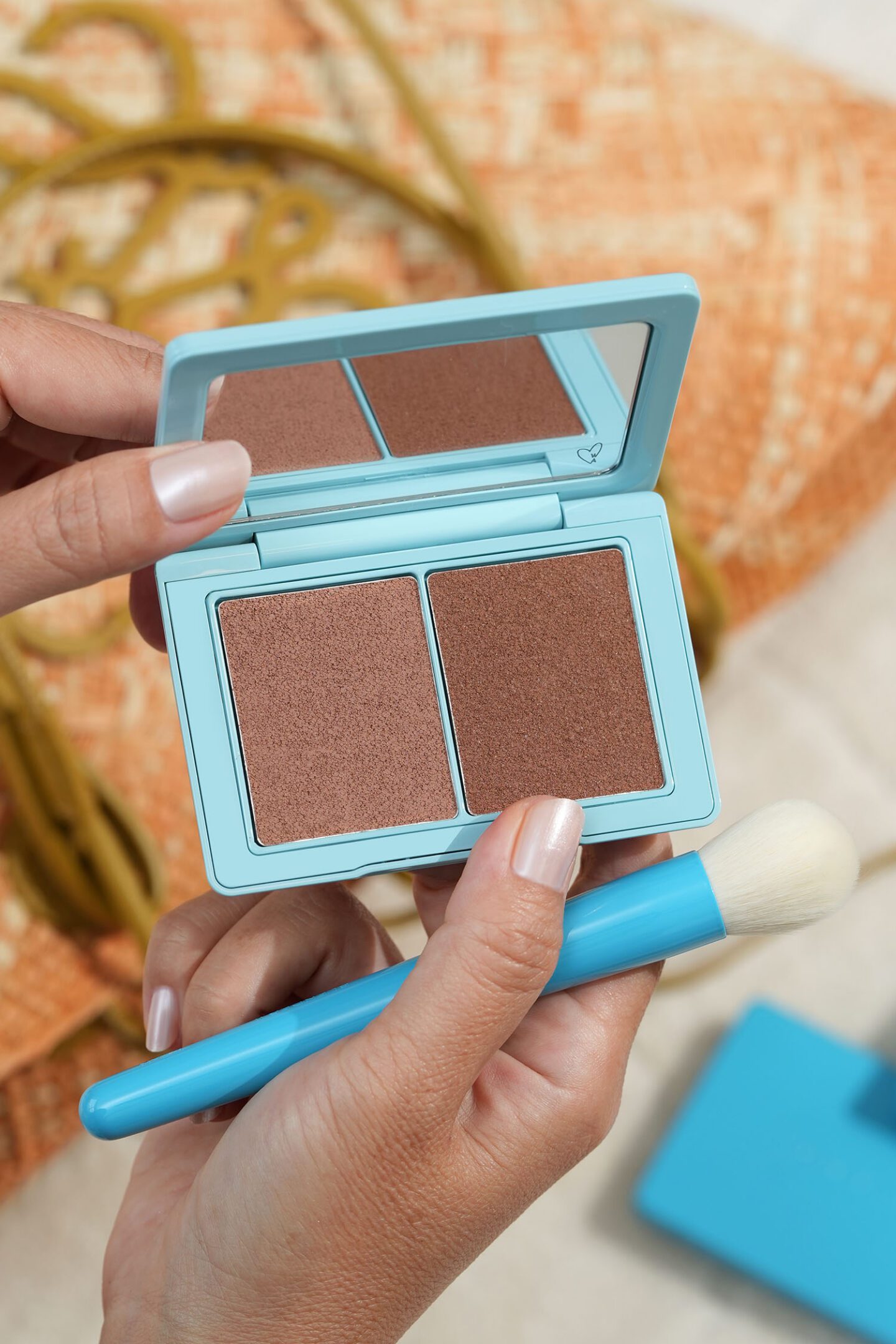
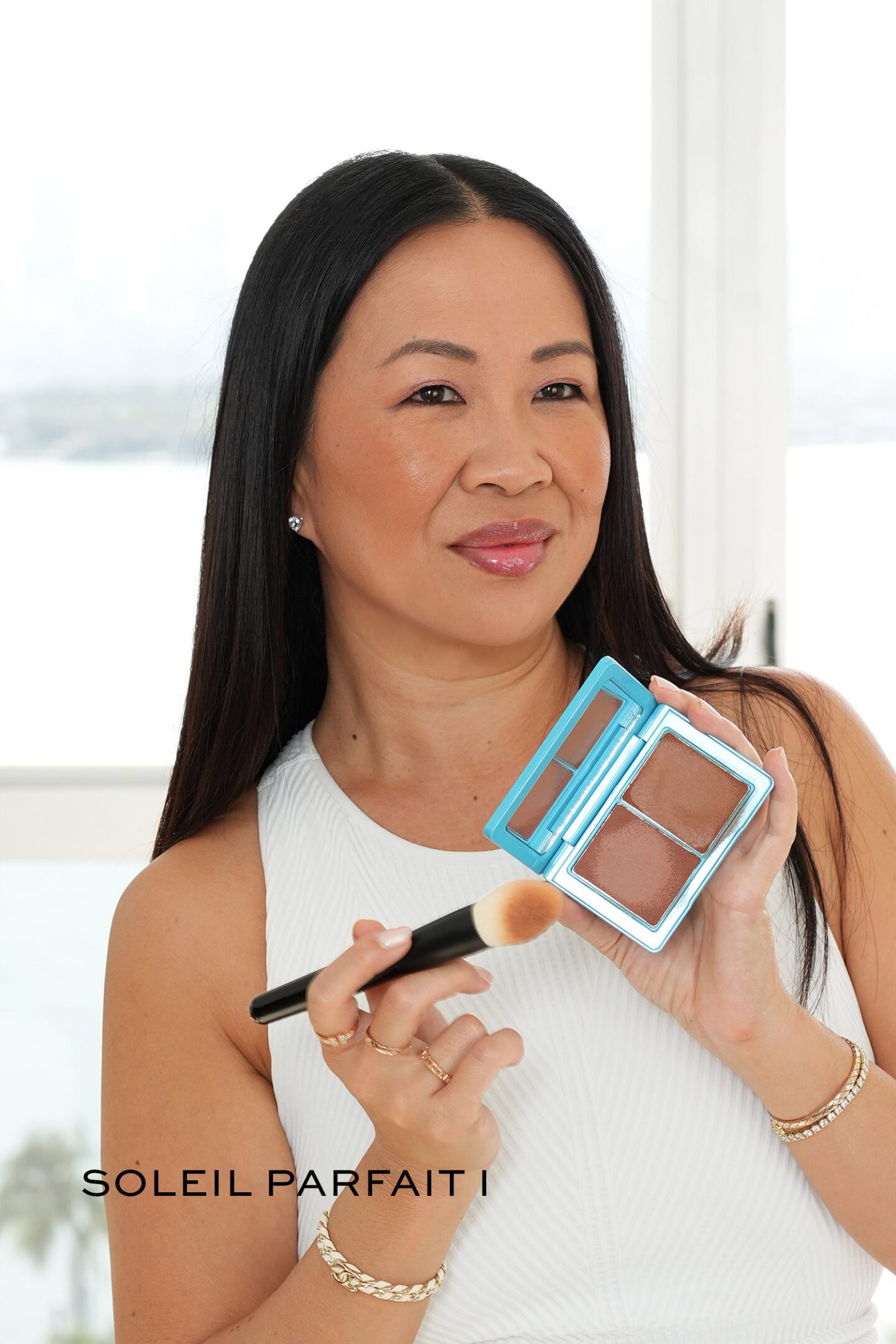
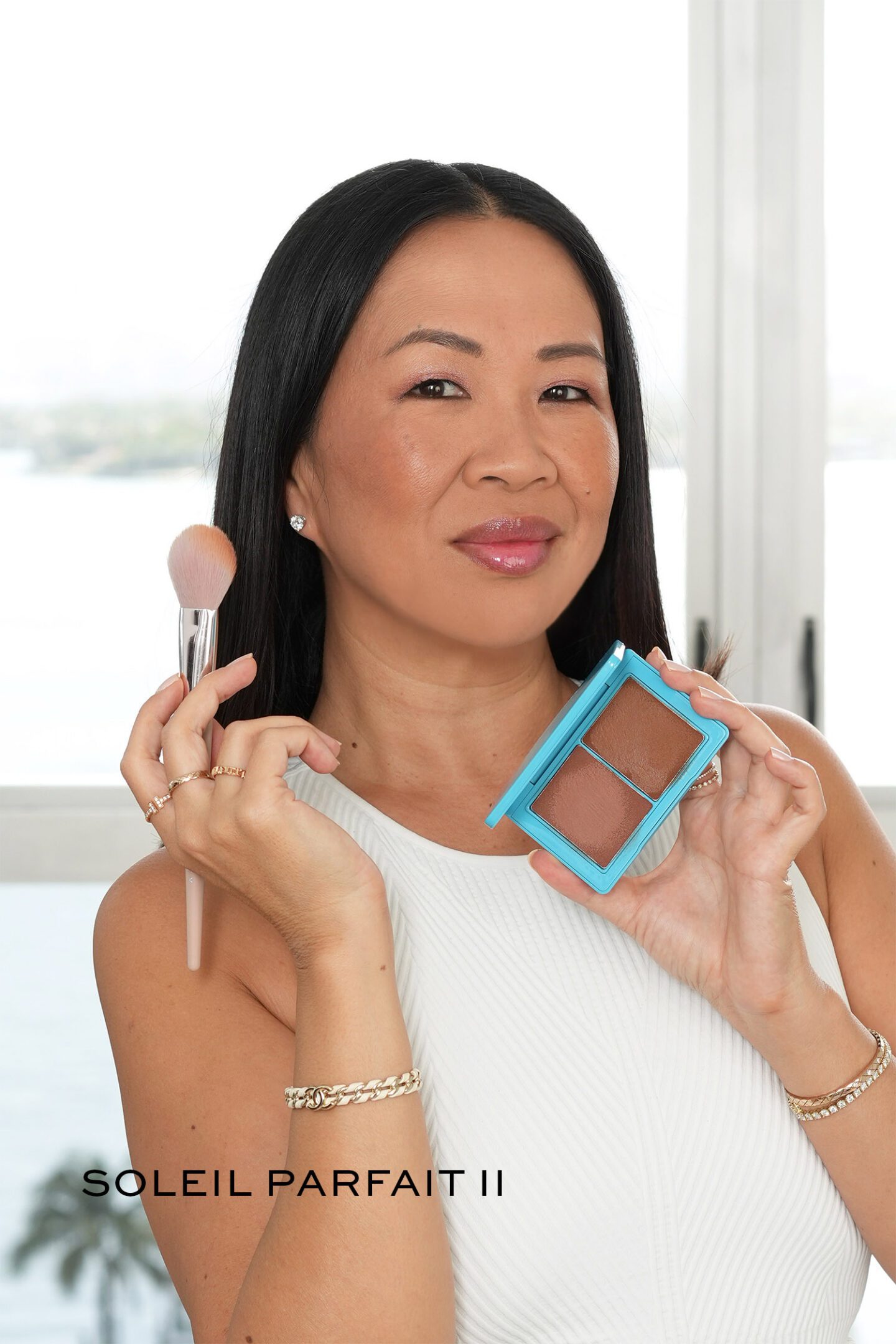
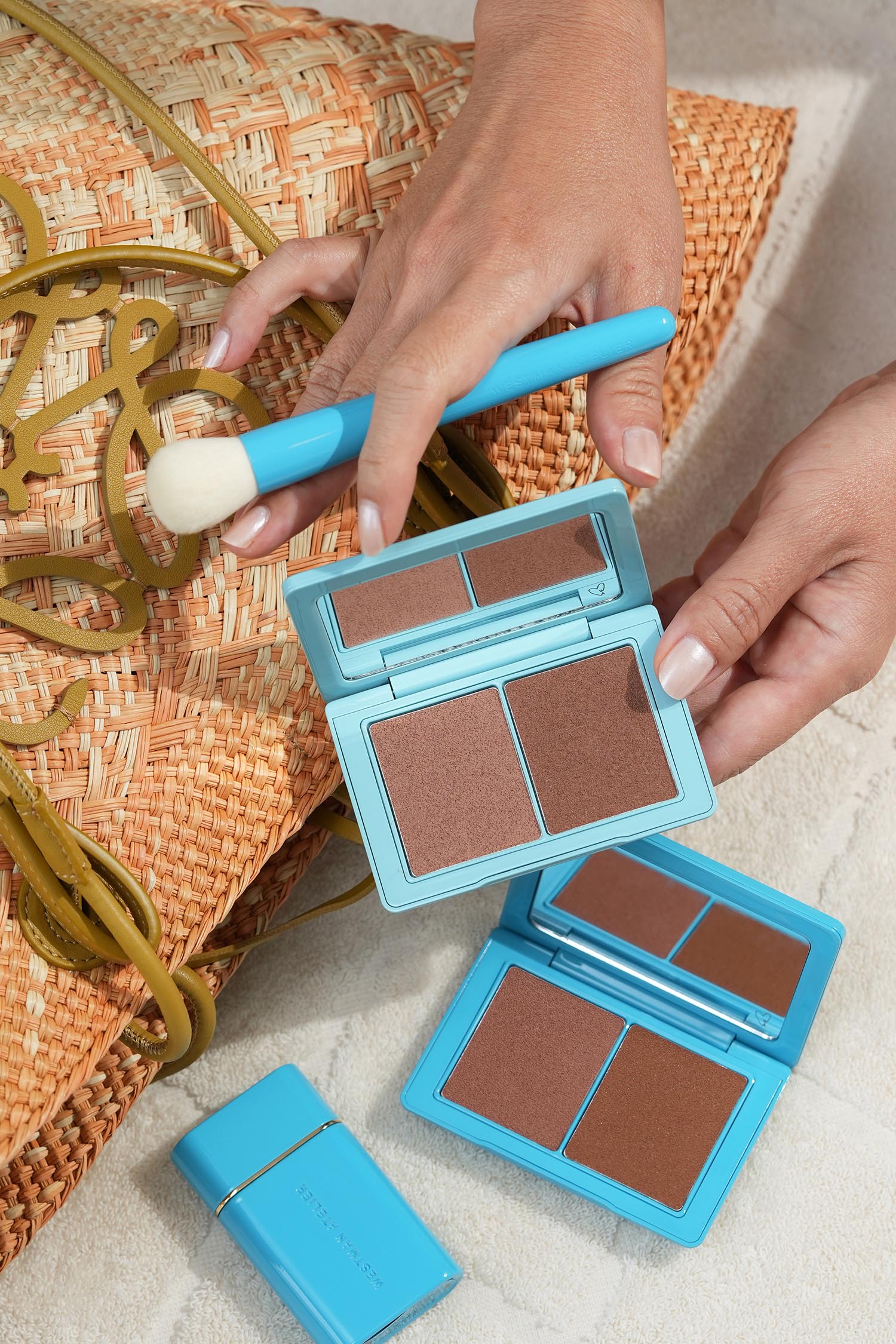
Westman Atelier launched a new cream bronzing duo called the Sun Tone Bronzing Creme ($75 each) along with a Blender Brush II ($85) designed specifically for this formula. I’ve been playing this for over a month now and can say this is the bronzer I’ve been reaching for the most these past few weeks. Available at Westman Atelier, Nordstrom, Credo Beauty, Sephora.

There are four shade options available now. I picked up Soleil Parfait 1 and 2. The shade charts recommended 2 for me, but after swatching in store I decided to try multiple options. For her Vital Skin Foundation Stick, I still alternate between V, VI and VII – right now I am in between V and VI (always in between foundation shades!).

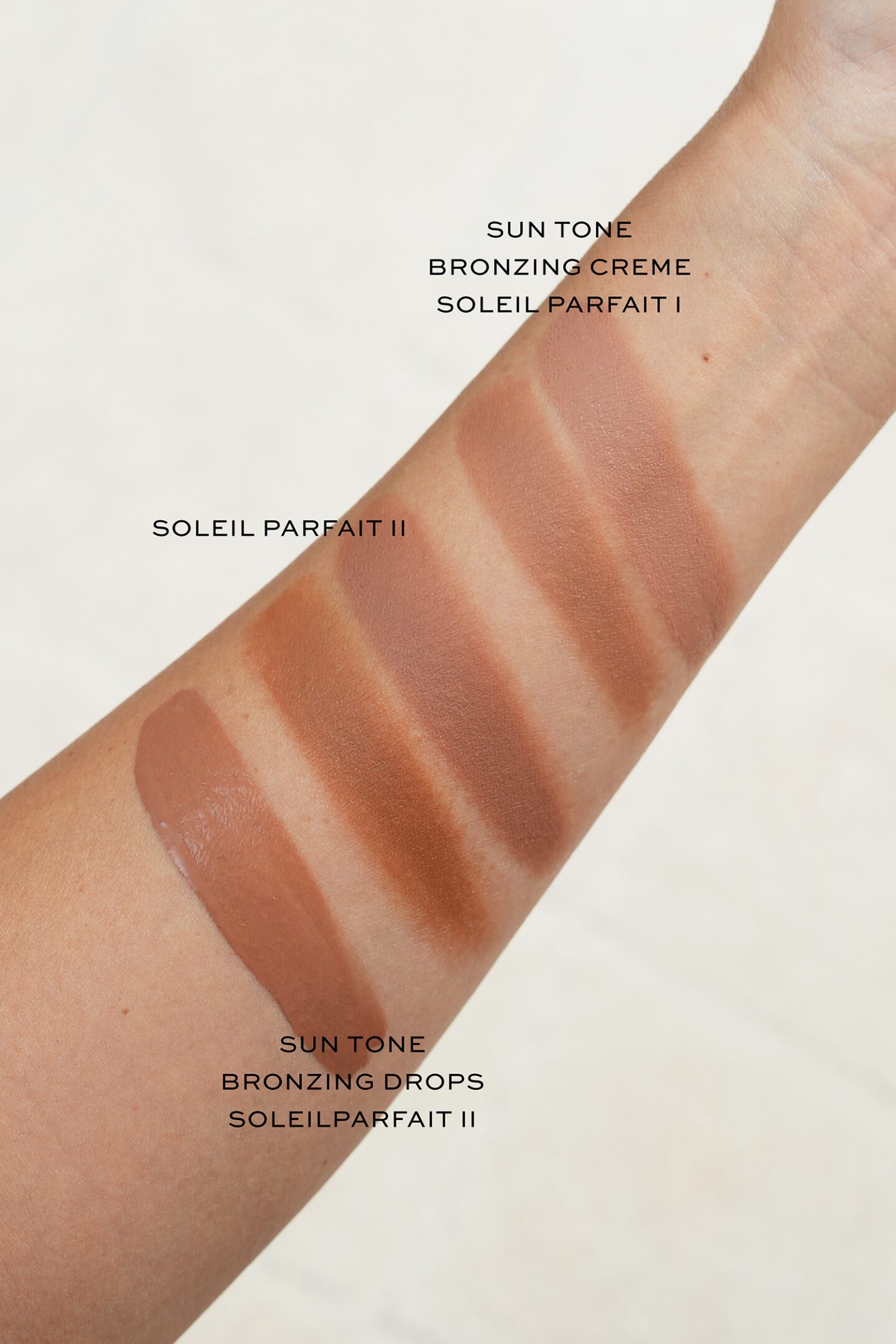
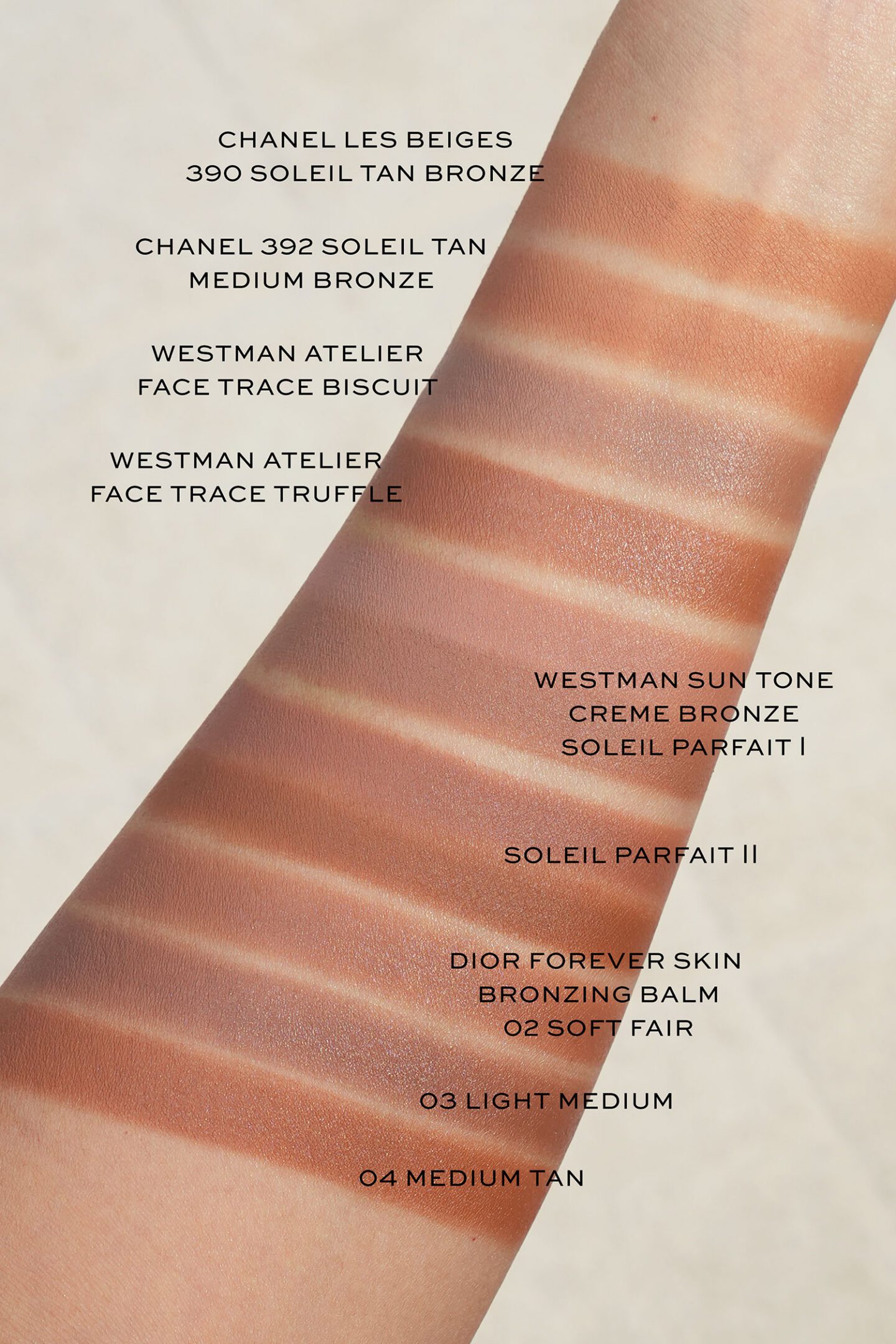
Westman Atelier Sun Tone Bronzing Creme swatches

This is a hydrating cream bronzer that has a nice satin finish, so it glides on the skin nicely but doesn’t have that dewy finish (which I prefer). Formula is very easy to blend and while I really love the Blender II Brush, I think any brush will work. I usually like the Hourglass Ambient Soft Glow Foundation Brush or Fenty Brush 195 to apply cheek products.

I know a lot of you really loved the Sun Tone Bronzing Drops. I have this in Soleil Parfait 2 and while I really like them, they aren’t always easy for me to blend. I think the Crème Duos are much easier to work with, they blend better and I like the solid cream compact style more.

Soleil Parfait 1 pulls more neutral/cool but still warms up the skin.

Westman Atelier Sun Tone Bronzing Creme Soleil Parfait 1

Westman Atelier Sun Tone Bronzing Creme Soleil Parfait 1

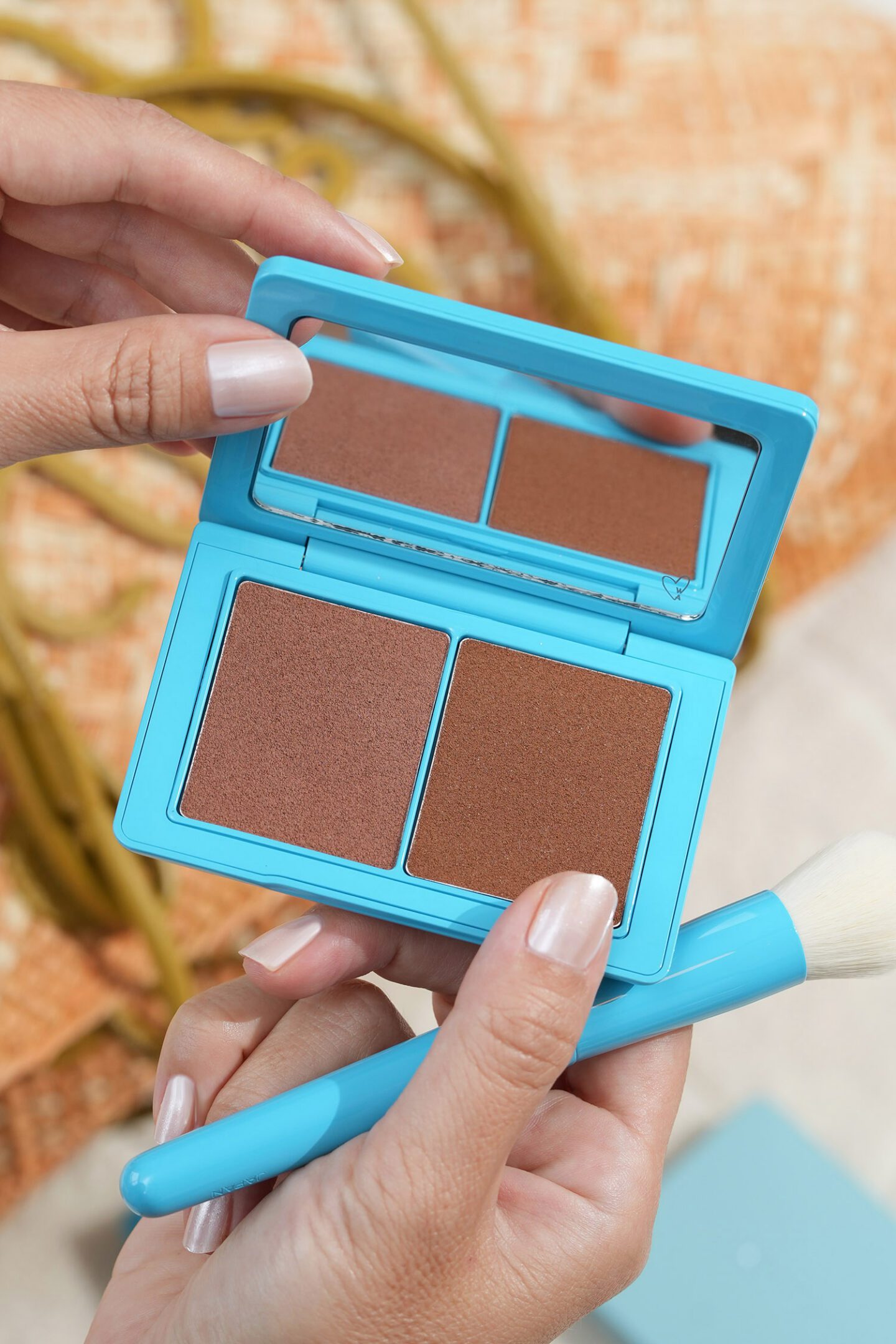
Soleil Parfait 2 is a deeper variation and warmer.

Westman Atelier Sun Tone Bronzing Creme Soleil Parfait 2

Westman Atelier Sun Tone Bronzing Creme Soleil Parfait 2

Right now I am just starting to get my summer tan back, so while I’ve been reaching for Shade 1 the past month, I think I will start using Shade 2 soon. If you’re my skin twin I think you can really opt for either one.

Swatches next to a few other cream bronzers (note that my arm is a lot lighter/cooler than my face). I was really surprised to find how warm some other bronzers pull compared to the Westman Atelier options.

Linking reviews for the other options swatched:

Westman Atelier Sun Tone Bronzing Creme swatch comparisons

Overall love and I do think it’s worth the splurge. I still think the Dior Bronzer stick is a close tie in terms of ease of blending and exceptional formula but they are scented and I know a lot of you can’t do fragrance in your face products.

I do have the new Sarah Creal Just Like Paradise Bronzer Shade 2.5, Summer Fridays Bronzer Butter Balm and something new coming from Refy to test/compare. So if you’re debating between all the new launches this year, I will have a few more I’ll be testing soon.

You can find the Westman Atelier Sun Tone Bronzing Creme available at Westman Atelier, Nordstrom, Credo Beauty, Sephora.

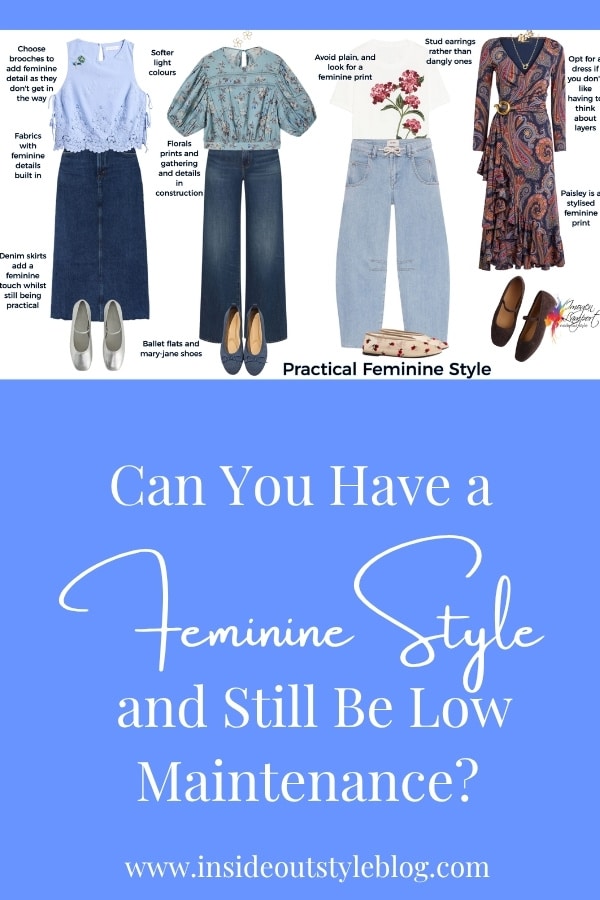
Can You Have a Feminine Style and Still Be Low Maintenance? — Inside Out Style

0

twitterpinterestlinkedinmail

There’s a quiet assumption that trips a lot of women up – that feminine style and low-maintenance style sit at opposite ends of the spectrum. That if you love softness, detail, or a more romantic feel, you’re signing yourself up for effort, upkeep, and complexity.

But that’s not actually what’s going on.

What’s really happening is a mismatch between how feminine style is often presented and how you personally want to live. So you assume that having a feminine style will take too much time, energy and maintenance, and end up in the relaxed style rut, not feeling like yourself.  I’m here to let you know that you can have a feminine personal style and it can still be low maintenance and easy.

Why Feminine Style Often Feels “High Maintenance”

When most people think of feminine or romantic style, they picture very specific visual cues such as frills, floaty fabrics, delicate details, and intricate outfits. And often, those garments do come with a higher level of care or coordination.

But that’s only one interpretation of femininity. It’s a narrow version that the fashion industry tends to promote because it photographs well and signals a clear aesthetic.

The problem is, it quietly sets up an expectation: that to look feminine, you have to invest more time, more effort, and more attention. And if that doesn’t fit your lifestyle, you start to feel like the style itself isn’t for you.

Which is why so many women default back to simpler, plainer clothes, not because they don’t like feminine style, but because it feels impractical.

This is where understanding your own version of “low maintenance” becomes the turning point.

What Does Low Maintenance Actually Mean for You?

Low maintenance sounds simple, but it’s surprisingly nuanced. And unless you define it clearly, you end up making style decisions based on assumptions rather than reality.

For some women, low maintenance is about fabric care. They don’t want to iron, don’t want to dry clean or handwash, and don’t want clothes that require special handling or storage.

For others, it’s about outfit complexity; they don’t want to think about coordinating multiple pieces or layering.

And for some, it’s about accessories; they don’t want to finish an outfit with “flappy scarves,” “annoying necklaces,” or other jewellery or additional details that might get in their way.

Each of these creates a different constraint. And once you know which one applies to you, your choices become much more precise.

This is often where the frustration behind wardrobe overwhelm really starts to ease. Because instead of trying to follow general advice, you’re working within a system that actually reflects how you live.

So when you think about your version of “low maintenance” what does this really mean for you and your style?  How much effort are you willing to put in?  Are you happy to steam or iron? Have you got a washing machine that has a gentle cycle that allows you to wear “handwash” only garments?  Are there specific accessories you don’t enjoy wearing, but other’s you’re more than happy to?  Maybe you prefer a scarf over a necklace. Or earrings or brooch instead of a necklace. There are many options available to you.

Building Feminine Style Into the Garment Itself

If you don’t want to rely on accessories or complex styling, the simplest shift is to choose garments that already contain the detail you’re looking for.

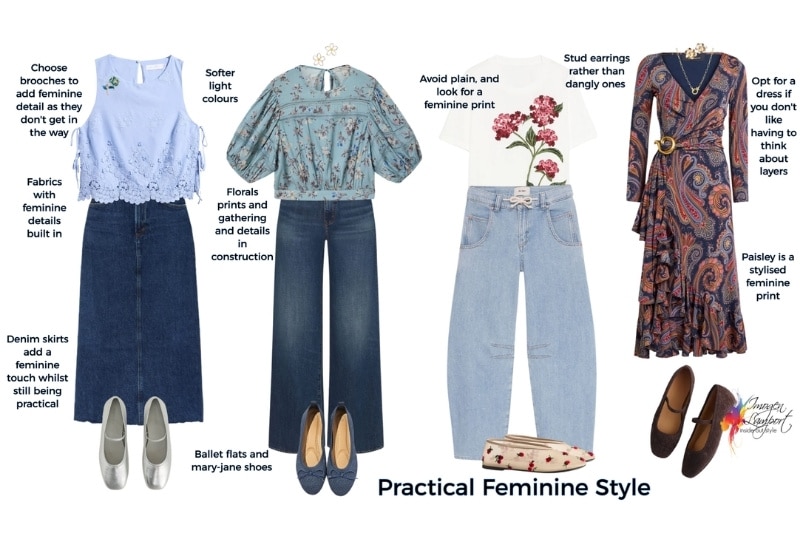
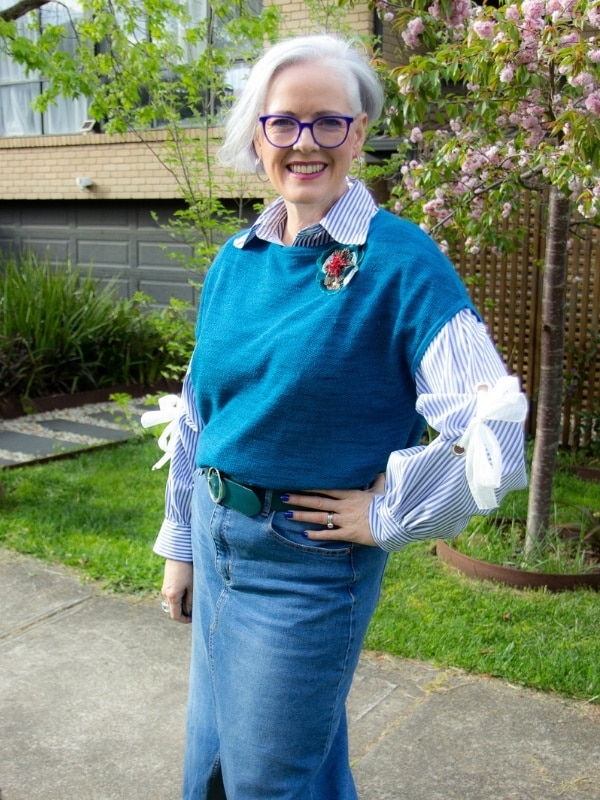
This might be as subtle as a softly gathered shoulder, a shaped neckline, or a fabric with a gentle drape. It might be a feminine print, such as a floral, paisley or polka dot, that adds interest without requiring additional pieces. Or a colour that carries a sense of softness or femininity on its own.  For example, this more classic style shirt becomes a little more feminine with the addition of the bows on the sleeves.  Wearing it with a skirt (rather than pants) and a brooch completes the outfit to make it both feminine and practical.

What’s interesting here is that the garment’s *function* changes. It’s no longer just a basic piece that needs styling; it becomes a complete expression in itself.

And when that happens, cognitive load decreases. You’re no longer thinking, “What do I add to make this work?” The garment has already done that work for you.

This is one of the simplest ways to resolve the tension behind why you keep wearing the same outfits. Not because you lack options, but because only a small number of pieces actually feel finished without extra effort.

Even when you’re doing house chores or gardening, you can still express your femininity.  That practical tee that you wear may have a floral pattern rather than being plain (which is what most people automatically reach for, when a print can take a plain and relaxed outfit and give it some personality.  You might choose a flat mary-jane style shoe instead of sneakers to wear to the supermarket.  Still practical and comfortable, but more feminine.

The Power of Dresses

If your version of low maintenance includes not wanting to coordinate outfits, then dresses become incredibly powerful.

Not only because they are inherently more feminine, but also because they reduce decision-making to a single step.

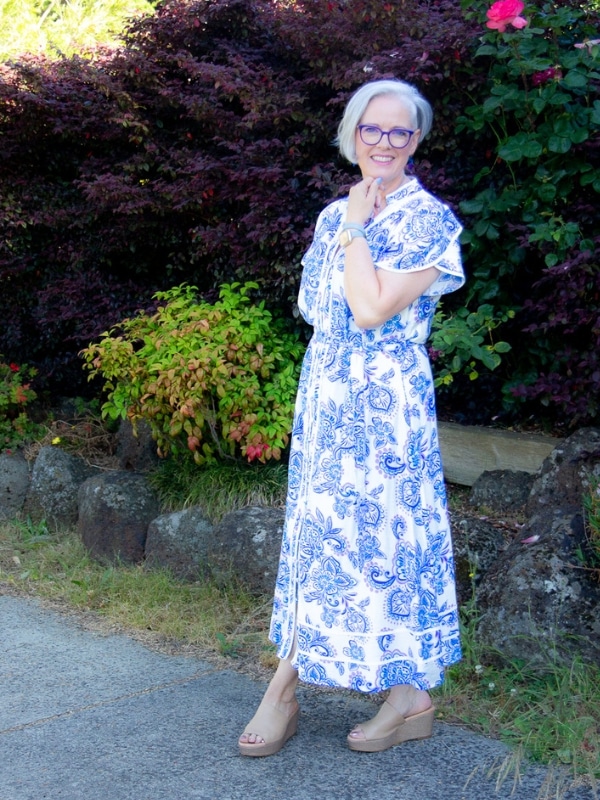
dresses are inherently feminine

A dress like the one above is comfortable and easy to wear, which makes it practical for many aspects of life.  The pattern makes it more practical because nobody will notice a tiny stain like they may on a solid coloured or neutral garment.  Plus you’re no longer balancing tops and bottoms, proportions, or combinations. You’re simply choosing one piece and putting it on. And that simplicity has a direct impact on decision fatigue.

But again, it’s not about any dress. It’s about finding styles that align with your other low-maintenance preferences, fabrics that don’t require ironing, shapes that create harmony with your body, and details that feel like you.

When those elements come together, the dress becomes both expressive and effortless.

You Prefer Denim over Dresses

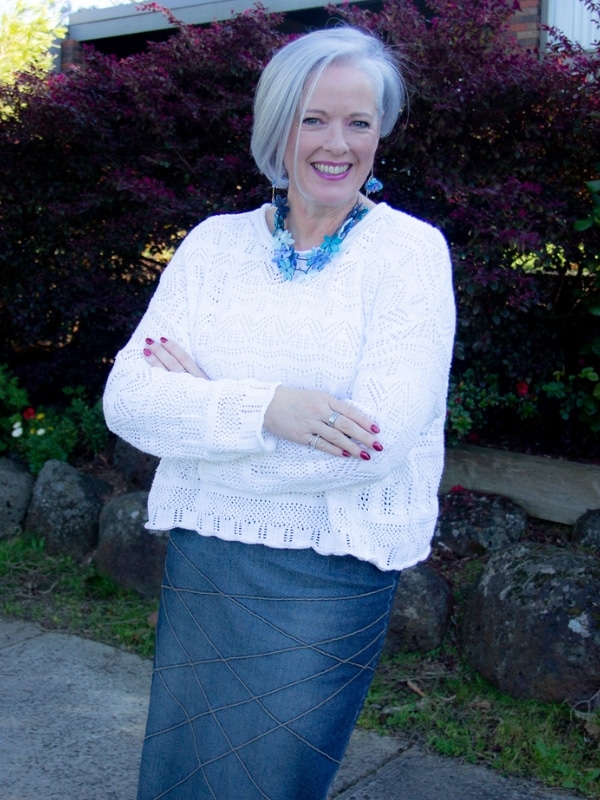
crochet adds feminine touch

And that’s completely OK.  You can still have a feminine style in a pair of jeans or a denim skirt. Think about the shoes, try a ballet flat or mary-jane instead of sneakers.  Think about your top, a floral print, or some gathering in the construction rather than something completely plain. Crochet, broderie anglaise and lace are all feminine textures without being fussy.  Think about the fabric weight too, try a chiffon or other floaty fabric, rather than a crisp cotton.  A satin blouse over a cotton or linen button-up.

There are lots of ways you can add femininity to a relaxed, practical and comfortable outfit.

Can You Have a Feminine Style and Still Be Low Maintenance? — Inside Out StyleFabric Choices That Support Your Lifestyle

This is the part that often gets overlooked, but it’s where a lot of low-maintenance success is determined.

If you dislike ironing, then fabric composition matters. Blends that include synthetics tend to hold their shape better and require less upkeep. If you’re open to steaming but not ironing, that expands your options. And if you want completely fuss-free care, then wash-and-wear fabrics become essential.

These decisions aren’t about lowering your standards. They’re about aligning your wardrobe with your actual behaviour.

Because when there’s a mismatch between what your clothes require and what you’re willing to do, the clothes lose. Every time.

This is often the hidden reason behind how to make your current wardrobe more stylish. It’s not about adding more – it’s about removing friction.

Where This Becomes a System, Not a Guess

What you might be starting to notice is that this isn’t really about feminine style versus low-maintenance, relaxed style. It’s about understanding the variables that influence your choices, fabric, construction, coordination, detail, and using them intentionally.

And this is where many women realise they’ve been trying to solve the wrong problem. They’ve been looking for the “right” clothes, when what they actually need is a framework for making decisions.

This is often the point where a more structured approach becomes useful. Inside 7 Steps to Stylethis is exactly what we break down – how to identify what works for you across multiple factors, so you’re not relying on trial and error every time you shop or get dressed.

Because once you understand the system, the process becomes significantly easier. Decision fatigue reduces. Confidence increases. And your wardrobe starts to function as a cohesive whole, rather than a collection of individual pieces.

Bringing It Back to You

At the end of the day, feminine style isn’t defined by effort. It’s defined by expression.

And low maintenance isn’t about doing less for the sake of it. It’s about doing what aligns with your energy, your preferences, and your life.

When those two things are working together, the tension disappears. You’re no longer trying to force yourself into a version of style that doesn’t fit. You’re creating one that does.

And that’s usually the moment where things start to feel easier. Not because your wardrobe has changed dramatically, but because your decisions have.

Related Reading

How To Feel Feminine While Wearing Jeans

How To Create Feminine Personal Style With Power

Colour Personality – 5. Soft – Feminine

Shedding the Armour: Unveiling Your Feminine Confidence

Can You Have a Feminine Style and Still Be Low Maintenance?

Facebooktwitterpinterestlinkedinmail

Oura confidentially files for IPO amid growing smart ring demand

0

THE WHAT? Smart ring maker Oura has confidentially filed for a US initial public offering as it looks to capitalise on growing consumer demand for wearable health technology.

THE DETAILS Oura Health Oy confirmed it has submitted confidential IPO paperwork to the US Securities and Exchange Commission, although details including the number of shares and price range have not yet been disclosed. The company is reportedly working with Goldman Sachs, Morgan Stanley, JPMorgan, Allen & Co. and Jefferies on the planned offering, which is expected later this year. Founded in 2013, Oura has gained traction with consumers seeking discreet alternatives to smartwatches for tracking sleep, fitness and health metrics. The company reached an US$11 billion valuation in 2025 following a US$875 million Series E funding round. CEO Tom Hale previously said Oura had sold 5.5 million rings to date and expects revenue to reach US$1.5 billion in 2026, up from US$500 million in 2024. The IPO filing comes amid renewed momentum in technology stock offerings and increasing competition in the wearable tech market from companies including Apple and Samsung.

THE WHY? The move reflects rising investor and consumer interest in health-focused wearable devices as companies race to expand beyond traditional smartwatches into next-generation wellness technology.

Source: Bloomberg

21 Maternity Wedding Guest Dresses Picked By Our Editor Mums

0

The Lita asymmetric maternity maxi dress you see her wearing above comes in four other colours, and also comes in a non-maternity shape (just in case you’re looking for summer wedding guest dresses sans bump!). Its premium stretch jersey hugs every curve, boasting a twisted, one-shoulder neckline and a heel-grazing hemline that you could easily pair with comfy heels or flats.

Elsewhere, if you don’t mind investing a bit more, Bumpsuit have a gorgeous brushed satin gown that drapes over your figure instead of hugging it. Bonus points: it would be perfect for postpartum, too.

Looking for something a bit more modest, or perhaps a spring wedding guest dress while it’s still cooler out? Next has this beautiful Bardot-sleeved floral dress that looks far more expensive than its £54 price tag, while Nobody’s Child have got you breastfeeding mums covered with this floral jacquard button-down dress.

So, while you might be contemplating how you’re going to get through the speeches and dancing without a glass of fizz in hand, you certainly shouldn’t be worrying about what to wear. There are plenty more bump-friendly wedding guest dress options available below, from both dedicated maternity brands as well as your favourite online clothing stores.


Why you can trust us

Glamour’s Senior Beauty Editor, Elle Turner, and Freelance Fashion Editor, Charlie Teather, have both become first-time mums over the last year or so, and – alongside, you know, prepping for one of humankind’s toughest physical feats and the subsequent life-altering reality of a tiny new human to care for 24/7 – rediscovering how to dress a body that was changing every single day posed a real challenge.

We didn’t want to lose our personal style identities, but we also wanted to celebrate and not just ‘disguise’ this incredible moment in our lives. And if we were finding this balance hard to strike, after working our whole adult lives in the fashion and magazine industry, we figured others must be too. So, we made it something of a personal/professional mission to compile the ultimate maternity fashion guides. If for nothing more than for us to refer back to if/when we ever do this pregnancy thing again, because (spoiler alert) baby brain is no joke, people…


How we tested the best maternity wedding guest dresses

Elle and Charlie used their own pregnancies as the perfect excuse to trial run the best maternity styles out there and compile this edit. We shopped from independent, designer and high street maternity brands during our second and third trimesters (with varying success), and have also asked our well-dressed pregnant pals and new mums for their top tips to find high-quality maternity wear. Not to mention, we’ve scoured Instagram for the ultimate inspiration too. For mums-to-be, Glamour‘s edit of the best maternity wedding guest dresses of 2026 is essential reading…


Ahead: pregnant editor-approved maternity wedding guest dresses to wear in 2026.

Why does natural skincare have to be white?

0

What if everything you thought you knew about natural skincare was… wrong?

Picture the most luxurious skincare product you can imagine – a weighty glass jar, minimalist branding, a premium price tag. Now ask yourself: what colour is it? If your answer was white or cream, you’re not alone.

But this week’s episode of Green Beauty Conversations challenges exactly why that assumption exists, and what it might be costing us.

Following last week’s fascinating interview with Alejandro Franco of Kaffe Bueno, where we explored innovative ingredients made from upcycled coffee grounds, this episode takes a deeper look into one unexpected barrier facing truly sustainable beauty – colour.

Beauty brands are still hesitant to use colourful botanical extracts, not because they don’t work, but because they don’t look the way we’ve been conditioned to expect. And that raises a bigger, more uncomfortable question about the future of natural skincare.

In this thought-provoking solo episode, Formula Botanica CEO Lorraine Dallmeier unpacks over a century of beauty industry conditioning – from the rise of clinical aesthetics in the early 20th century to today’s contradiction between “natural” marketing and highly processed formulations.

If you’ve ever wondered whether the products on your shelf truly reflect nature, this episode is for you.

Listen here

“Nature has never been white and it’s time we stopped asking it to pretend.” — Lorraine Dallmeier

Key takeaways:

  • The historical link between white and cleanliness: The association between white skincare and cleanliness is not accidental – it’s rooted in a historical shift towards sterility during the early 20th century. As germ theory became widely accepted, white became synonymous with safety, science and trust. The beauty industry adopted this visual language to signal legitimacy, and over time, it became an unspoken standard. Today, even as consumers seek natural skincare, this outdated aesthetic still dominates product design and expectations.
  • Colour equals function in natural ingredients: Many of the most beneficial compounds in natural skincare ingredients are directly linked to their colour. Carotenoids, chlorophyll, anthocyanins and other pigments are responsible for powerful antioxidant, anti-inflammatory and protective properties. When ingredients are refined, bleached or deodorised to achieve a white or neutral appearance, much of this biological activity can be lost. In trying to make products look “clean”, the industry often strips away the very qualities that make them effective.
  • The real challenges of formulating with colour: There are genuine challenges involved in formulating with colourful natural ingredients, and these cannot be ignored. Pigments can be unstable when exposed to light, heat or changes in pH, leading to shifts in colour over time. Regulatory frameworks can also complicate matters, as ingredients used primarily for colour may need to meet strict approval criteria. Additionally, brands must contend with consumer perceptions that associate non-white products with spoilage or inconsistency.
  • The contradiction within the natural skincare industry: Despite these challenges, the reluctance to embrace colour reveals a deeper contradiction within the industry. Brands frequently promote sustainability, natural sourcing and transparency, yet continue to prioritise aesthetics that disconnect products from their natural origins. This gap between messaging and reality raises important questions about authenticity and whether “natural skincare” is always as natural as it claims to be.
  • Rethinking colour as a marker of authenticity: Reframing how we think about colour in skincare could unlock a more honest and effective approach to formulation. Instead of questioning why a product is green, gold or brown, we should be asking why so many products are white. Colour can serve as visible proof of an ingredient’s integrity and activity, offering a powerful storytelling tool for brands willing to educate their audience. Embracing the true appearance of natural ingredients may ultimately bring the industry closer to the values it promotes.

Thank you for joining us for this episode of the Formula Botanica Green Beauty Conversations podcast. If you enjoyed listening, please share, subscribe and review this episode on Apple Podcasts, Spotify or Youtube so that more people can enjoy the show. Don’t forget to follow and connect with us on Facebook and Instagram.

FREE TRAINING

Learn how to become an
Organic Skincare Formulator

Join over 100,000 other Formulators

By providing your details, you agree to receive additional educational & marketing emails from Formula Botanica, which further introduce our curriculum. Your data is never shared or sold. Read our Privacy Policy.

FREE TRAINING

How to become an
Organic Skincare Entrepreneur

Join over 100,000 other Formulators

By providing your details, you agree to receive additional educational & marketing emails from Formula Botanica, which further introduce our curriculum. Your data is never shared or sold. Read our Privacy Policy.

FREE TRAINING

How to become an
Organic Skincare Entrepreneur

Join over 100,000 other Formulators

By providing your details, you agree to receive additional educational & marketing emails from Formula Botanica, which further introduce our curriculum. Your data is never shared or sold. Read our Privacy Policy.

Bags and boxes: Rissmann showcases its paper and textile creativity

0

At the Packaging Première trade fair, held in Milan from May 19 to 21, the German specialist in custom-made bags, boxes and cases showcased its creative expertise across paper and textile applications.

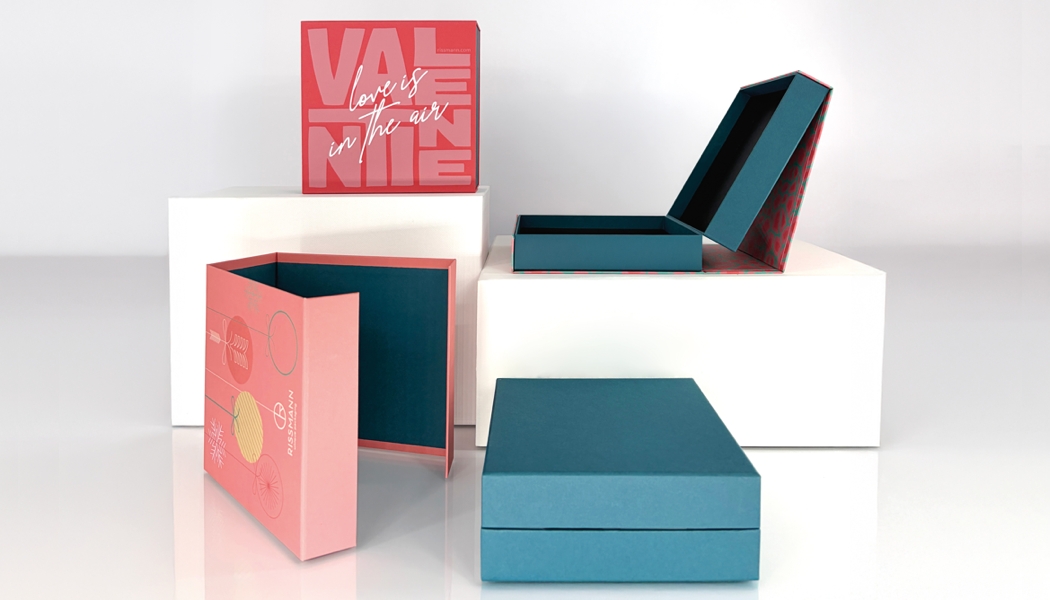
Illustrating Rissmann’s expansion into textile materials, the Fabric Love Bag in 320 gsm cotton canvas features a cut-out seamlessly integrated into the fabric, allowing it to be carried comfortably by hand or over the shoulder without the need for additional handles or components. This design optimizes material use while reinforcing product sustainability. The textile collection also includes dust bags, tote bags, and garment bags.

For its part, the Shell Box transforms the opening of a box into a true discovery experience. Inspired by nature, this mono-material paper and cardboard packaging concept integrates a smooth opening mechanism that instantly shifts from protection to product presentation. Flexible and adaptable, it also allows outer covers to be easily renewed in order to create different graphic universes throughout seasons and celebrations Its customizable interior can accommodate bespoke inserts or a “boxes in a box” system, making it particularly suitable for Advent calendars, gifting editions, Chinese New Year, and seasonal retail activations.

The Cutting-Edge Round Box is a premium cylindrical box whose sculpted cut-outs create a sophisticated three-dimensional effect, revealing a gradient interplay of shapes and materials when closed. Developed using Fedrigoni’s Sirio Color papers, it is particularly suited to the fragrance, wines & spirits, and leather goods sectors.

Eventually, Boutique Bag reinterprets the boutique bag through a handbag-inspired approach, featuring triangular shapes, embossed textures, and multicolored woven handles. Designed for emerging fragrance markets, particularly children’s haute parfumerie, this FSC® certified model combines strong visual impact, logistical practicality, and customization possibilities.

Can Grapes Help Your Skin Fight UV Damage?

0

You probably know grapes are good for you in that vague, “fruit is healthy!” kind of way. But new research published in the journal ACS Nutrition Science is giving us a much more specific—and surprising—reason to keep them in regular rotation: they might actually help your skin defend itself against UV damage.

And we’re not talking about some distant, theoretical benefit you’d need to eat grapes for five years to maybe see. The study found measurable changes in skin health at the genetic level after just two weeks of daily grape consumption. Read on for more details.

What Did the Study Find?

Researchers from Western New England University had volunteers consume three servings of grapes daily for two weeks. Then they analyzed what was happening in participants’ skin at the genetic level, both before and after grape consumption, and after UV exposure.

The results showed that grapes altered the behavior of skin genes. Specifically, the changes helped strengthen the skin’s protective barrier—the part that shields you from environmental damage—and lowered markers of oxidative stress induced by UV exposure, the kind of cellular damage that shows up as fine lines, uneven tone and loss of firmness.

Can Grapes Replace Sunscreen?

Absolutely not! Grapes aren’t a replacement for SPF. (Nothing is!) But they might give your skin an extra layer of internal defense alongside your topical protection. The American Academy of Dermatology recommends using a broad-spectrum sunscreen with SPF 30 or higher daily.

Will Grapes Protect Everyone’s Skin From UV Damage?

Here’s where it gets interesting: everyone’s genes responded differently to the grapes, but everyone showed some kind of shift in gene activity. Previous studies found that grapes improved UV resistance in about 30 to 50 percent of people.

One 2022 study published in Antioxidants found that one-third of participants demonstrated enhanced UV resistance after consuming grapes for two weeks. This newer research suggests the benefits are probably more widespread than that—you just might see them show up in different ways depending on your unique genetic makeup.

Should You Add Grapes to Your Skin-Care Routine?

Grapes are easy to work into your routine, taste good and based on this research, might boost your skin’s defenses against sun damage at a cellular level. Is it a game-changer? Probably not on its own. But as part of a broader skin-health strategy that includes sunscreen, antioxidants and smart sun habits, it’s a pretty low-effort addition with science behind it. And worst-case scenario? You ate some grapes.

Worth noting: The study was funded by the California Table Grape Commission, which has a financial interest in positive grape research. However, it was conducted by independent researchers from Western New England University and Oregon State University and published in the peer-reviewed journal ACS Nutrition Science.

Tracee Ellis Ross Is Wearing 10 Different Colors in Her Mismatched Jelly Manicure—See the Photos

0

Can’t decide on one color for your next manicure? Why not follow Tracee Ellis Ross’s lead and wear them all?

The actor teamed up with manicurist Zola Ganzorigt on her latest set, a multicolored manicure in earthy tones that feels both playful and elevated. “Mismatched but perfectly matched,” Ross wrote on Ganzorigt’s Instagram post about her nails, and we’d have to agree!

“Tracee usually sticks to her favorite nude, French, or red colors,” Ganzorigt tells Allure. “But this time she wanted to experiment with new nails, so we went with this and she loves it. It’s her ‘out of my comfort zone’ nail.” Ganzorigt shares that she used 10 different jelly nail polishes to create the look in shades of nude, butter yellow, silver chrome, and dark brown; each nail has its own unique shade, but they all work together in perfect harmony for a cohesive color story.

Ross’s nails were filed into a long, oval shape and the colors chosen ran the gamut from a classic milky pink-white on her pointer finger to a nearly-black espresso brown on her pinky. We love the unique yellow shade, the soft mauve, and a hint of chrome for texture and shine, and the jelly formula makes them stand out even more, especially against her all-white Calvin Klein outfit. It’s the perfect solution for those nail appointments when you truly can’t decide between a handful of hues because each one feels like “the one” for your mood and vibe. But with the right color palette and the right placements, your “mismatched” manicure isn’t mismatched at all! (Another Ganzorigt client, Kylie Jenner, did a mismatched plaid set for Thanksgiving.) Plus, earthy tones seem to be having a moment; Bella Hadid recently showed off a dark taupe hue on the red carpet at Cannes, further proving our point that spring nails don’t have to be sugary sweet.

Tinted Moisturizer Benefits for Natural Everyday Coverage

0

Between school drop-offs, work calls, and bedtime routines, most moms don’t have time for a multi-step makeup routine. That’s where tinted moisturizer comes in—a true multitasking beauty essential that combines hydration, coverage, and often SPF protection in one clean, seamless step. Designed to simplify your morning without sacrificing skin health or radiance, tinted moisturizer is the go-to base for that effortless, “no-makeup makeup” look. It minimizes clutter, cuts prep time, and gives skin a naturally radiant glow—all while nourishing it beneath the surface. Here’s why this low-effort, high-performance hybrid has become the secret weapon of busy moms everywhere.

What Makes Tinted Moisturizer the Ideal Multitasking Base

Tinted moisturizer is a hybrid that merges skincare and makeup, delivering lightweight hydration with a sheer, skin-evening tint. It’s ideal for anyone craving simplicity and efficiency. Unlike foundation, which focuses purely on coverage, tinted moisturizer multitasks—hydrating, balancing tone, and protecting skin at once. This single-step solution eliminates the need to layer multiple products, saving both time and counter space.

Multitasking beauty is all about doing more with less, and tinted moisturizer epitomizes that philosophy. Using fewer products means quicker routines, less decision fatigue, and a cleaner, more sustainable approach to your daily regimen. bareMinerals pioneered this less-is-more approach through mineral-powered formulas that improve skin over time.

Benefits of Tinted Moisturizer for Busy Moms

Every mom needs products that work as hard as she does. A mineral-powered tinted moisturizer checks every box—hydrating, balancing, and protecting the skin while delivering a luminous, natural finish.

Skincare and Hydration in One Step

Tinted moisturizers are infused with skin-loving ingredients like hyaluronic acid, niacinamide, and squalane. These ingredients help replenish moisture, strengthen the skin barrier, and promote a soft, plump complexion. Humectants, ingredients that draw water into the skin, help lock in hydration throughout the day—a key benefit for tired or post-pregnancy complexions. With dermatologist-tested formulas, you can trust you’re getting skincare benefits disguised as makeup. Mineral-based options, like bareMinerals® tinted moisturizers, combine clinically proven hydration with gentle, skin-friendly ingredients.

Light, Natural Coverage for Redness and Uneven Tone

If redness or uneven tone are daily concerns, tinted moisturizer provides enough pigment to even things out without masking your skin. One quick application can soften redness, blur imperfections, and leave behind a fresh, breathable glow. This sheer coverage supports a no-makeup makeup look—a minimalist style that enhances natural features with just a hint of tint.

Built-In Sun Protection for Simplified Routines

Many tinted moisturizers include SPF 15–30, offering broad-spectrum defense against harmful UV rays while streamlining your morning routine. SPF, or sun protection factor, measures protection against the UVB rays that burn and age the skin. For short trips and school runs, tinted moisturizer with SPF can be enough, but extended outdoor time still calls for dedicated sunscreen reapplication. Clean mineral SPF, like that found in bareMinerals® formulas, protects without irritation—ideal for sensitive or reactive skin.

How Tinted Moisturizer Differs from Foundation and Other Base Products

It’s easy to confuse tinted moisturizers with BB creams or lightweight foundations, but the differences are distinct:

Product Type

Coverage Level

Primary Benefits

Best For

Tinted Moisturizer

Sheer to light

Hydration + natural tint + SPF (sometimes)

Quick, natural everyday wear

BB/CC Cream

Light to medium

Skin-correcting + added skincare actives

Uniform tone with more smoothing

Foundation

Medium to full

Pigment-rich, long-wear coverage

Events or full glam looks

Tinted Sunscreen

Sheer

SPF-first with subtle color

Outdoor or minimalist routines

Tinted moisturizers—sometimes called skin tints—deliver hydration and subtle pigment that looks like your skin, only better. They offer buildable coverage without heaviness or caking, a hallmark of mineral-powered clean formulas like those from bareMinerals.

Choosing the Best Tinted Moisturizer for Your Skin Type and Needs

Not all tinted moisturizers are the same. The right formula depends on your skin’s needs and your desired finish. Busy moms should look for options that are mineral-powered, talc-free, vegan, and dermatologist-tested for everyday confidence.

Checklist for choosing your tinted moisturizer:

  • Desired coverage (sheer to buildable)

  • SPF level and “broad-spectrum” labeling

  • Finish preference—dewy, natural, or matte

  • Ingredients that support your skin type

  • Non-comedogenic and fragrance-free claims

Skin Concern

Key Features to Look For

Dry or mature

Hyaluronic acid, squalane, or peptide hydration

Oily or breakout-prone

Lightweight, oil-free, matte finish formulas

Sensitive

Fragrance-free, mineral-based, calming ingredients

Redness-prone

Color-correcting tint and soothing minerals

For a clean, proven option, bareMinerals® COMPLEXION RESCUE® Tinted Hydrating Gel Cream delivers weightless hydration and SPF protection in one easy step.

How to Apply Tinted Moisturizer for Even, Natural Coverage

Application determines how effortlessly your skin looks finished yet fresh. Fortunately, it takes just minutes to achieve even, natural coverage.

Preparing the Skin Before Application

Start with clean, well-hydrated skin. Use a gentle cleanser, follow with a lightweight moisturizer if needed, and apply additional sunscreen if your tinted base doesn’t include SPF. Prepping ensures smoother blending, prevents pilling, and boosts wear time.

Application Techniques: Fingertips, Brush, or Sponge

Each method offers a slightly different finish:

  • Fingertips: Fastest option—warms product for a sheer, dewy result.

  • Brush: Provides an even, streak-free, polished coverage.

  • Sponge: Ideal for pressing product in and achieving an airbrushed glow.

Building Coverage Without Caking

For extra coverage on redness or spots, pat an additional layer with your fingers or a damp sponge. Avoid rubbing, which can disturb the finish. Lightly set oily zones—like the T-zone—with a touch of clean mineral powder to maintain a natural, shine-free effect.

When to Add Concealer or Other Products for Extra Coverage

Even with a buildable tinted moisturizer, certain situations call for reinforcement. Apply a dab of concealer after your base has set to cover dark circles or blemishes, blending seamlessly into the surrounding skin. Reserve full-coverage foundation for special events when you need greater longevity or camera-ready precision.

Concern

Product Pairing Suggestion

Dark circles

Hydrating concealer under eyes

Breakouts or marks

Spot concealer tapped in with a brush

Full event makeup

Lightweight or serum foundation layer

Tips for Maintaining a Fresh Look Throughout the Day

To keep your skin looking fresh despite a hectic day:

  • Blot with tissue mid-afternoon to remove excess shine.

  • Reblend areas using clean fingertips or a sponge.

  • Lightly dust powder only where needed.

  • Keep a small tube of tinted moisturizer for touch-ups after exercise or long errands.

The best part? Most clean formulas wear beautifully as they fade, maintaining a natural, polished look without cracking or settling. bareMinerals® tinted moisturizers are formulated to stay comfortable and breathable all day.


For more routine tips and clean beauty guides, explore the bareMinerals® tinted moisturizer collection and discover how mineral-powered hydration and natural coverage can simplify your mornings—one multitasking product at a time.