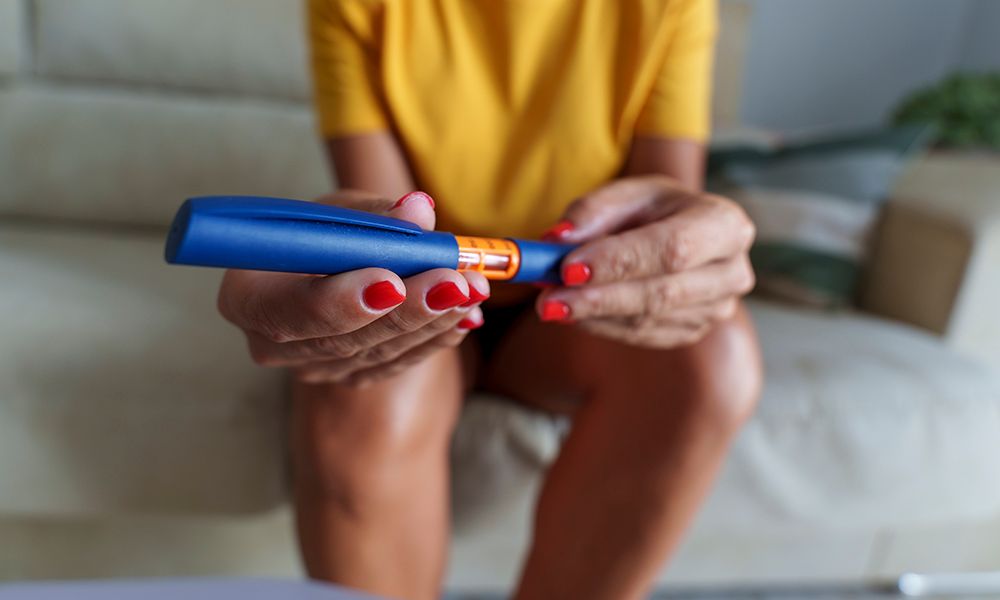
Most of what we know about GLP-1s centers on weight loss and the drug’s effects on the skin and body as they relate to aesthetics. However, a new study published in the Journal of Dermatologic Surgery suggests that those on GLP-1s may have lower post-operative dermatological complications than those who don’t take the drug. The study looked at those who had Mohs surgery and larger incisions for skin cancer removal.
Curious about how GLP-1 users healed after dermatological surgery versus those not on the drug, researchers tracked GLP-1 users for a month to assess their risk of post-operative inflammatory complications.
How can GLP-1s help with wound healing?
In combination with the study, the authors cited prior research suggesting that the drug suppresses inflammatory molecules in the body, improves tissue repair by promoting skin cell movement and blood vessel formation, and leads to overall improvements in metabolic health. All in all, these factors, combined, help contribute to better wound healing, researchers say.
Conclusion of the study
Compared to non-GLP-1 users, those on the drug showed a significantly decreased risk of infection post-procedure due to a reduction in “wound disruption, skin and subcutaneous tissue infection, hematoma and other complications,” according to the authors of the study. Patients who were specifically on semaglutide and tirzepatide showed the greatest reduction in complications. “GLP receptor agonists were associated with a significantly reduced risk of post-operative inflammatory complications after dermatologic surgery, supporting their peri-operative safety and beneficial role in wound healing.”
Though more studies are needed, the results are encouraging, suggesting GLP-1 patients may have fewer post-operative complications. With more research, these findings may one day have larger implications.
THE WHAT? e.l.f. Beauty has launched the third cohort of its Change the Board Game initiative, welcoming 22 executives into its board readiness programme in partnership with the National Association of Corporate Directors (NACD).
THE DETAILS The 2026 cohort is the largest since the programme launched in 2024 and brings the total number of executives to have participated in the initiative to more than 60. Change the Board Game aims to increase representation of women and people of colour on US public company boards by providing governance education, networking opportunities and board preparedness through NACD’s Accelerate programme. According to e.l.f. Beauty, applications for the programme have increased fourfold year on year, while 58% of participants who have completed the programme now serve on corporate boards.
THE WHY? The initiative forms part of e.l.f. Beauty’s broader diversity, equity and inclusion strategy, with the company seeking to expand access to board leadership opportunities and strengthen the pipeline of board-ready executives. The programme reflects growing recognition that diverse leadership teams can contribute to stronger corporate governance and long-term business performance.
I do not do many Amazon roundups. Amazon pays creators a pittance, which is the one thing I like about it here. There is no rate worth chasing, so nothing is shaping this list except the products I actually use. These are not Prime Day impulse buys. They are the things in my heavy rotation all year, the ones I would repurchase at full price, that happen to be marked down right now. Make of that what you will.
My Amazon skincare favorites, all on sale
iS Clinical Cleansing Complex (30% off) The best gel cleanser in existence, and I do not say that loosely. It cleans thoroughly without a hint of strip, leaves skin soft and genuinely clean, and pulls off the hardest trick in the category: simple and sophisticated at the same time.
Bioeffect EGF Power Cream (20% off) Recently reformulated to absorb better and feel less dense, this is one of my favorite night creams full stop. It does more than cushion. It revives dull skin overnight, and I wake up looking like I got the eight hours I did not actually get.
Elemis Dynamic Resurfacing Facial Pads (40% off, the deepest cut on this list) Gentle enough for daily use, effective enough to matter. Lactic acid and fruit enzymes dissolve the dead surface buildup, and skin reads smoother, softer, and more even within a few uses.
ISDIN K-Ox Eyes (30% off) One of my all-time favorite eye creams, and one of very few with a texture that works on my undereye in every season. Rich without weight, it dims fatigue on contact and, given a little time, firms more than it has any right to. For a full, in-depth review, click here.
Medik8 Crystal Retinal 10 (25% off) One of the most effective and forgiving overnight treatments I have used. The retinal delivers real results without the usual irritation tax, which is exactly why I keep coming back to it. For a detailed review, click here.
Prequel Half and Half Fluid Moisturizer (23% off) The affordable, low-effort moisturizer I reach for on lazy days. It is milky and light like a heavy toner, cushions skin with immediate moisture, and leaves nothing greasy behind. A great summer pick.
Skinfix Triple Lipid Peptide Cream (25% off) A standout from my best peptide moisturizers roundup, and still one of my favorite picks in the category. It multitasks well above its approachable price, and I have yet to hear a complaint from anyone I have pointed toward it.
CENTELLIAN 24 Madeca Cream Time Reverse (36% off) My review of this is the most-read post on the blogand the cream backs it up. It is no miracle in a tube, just a brilliant moisturizer using TECA technology to deliver cica’s soothing payoff. Everyone’s stash needs a tube.
Estée Lauder Advanced Night Repair Face Serum (30% off) It is rare to catch this icon at a discount this generous, and I have sworn by it long enough to notice. Lightweight but serious, the ANR serum hydrates, firms, and smooths overnight in a way few serums match, especially past 40.
ANUA PDRN Hyaluronic Acid Serum (41% off, and the steepest discount here) Topical PDRN’s benefits are fairly debated, and I will not pretend otherwise. But underneath the buzzword sits a smart, very affordable hyaluronic acid serum, watery and light enough to layer under anything, and a summer hydration no-brainer at this price. Check out my roundup of Best Hyaluronic Acid Serums while you’re here.
Remedy For Cleansing (25% off) This comes in two formulas, normal to dry and normal to oily, so at this price you may as well take both and alternate by season. If you like a face wash that is straightforward with no theatrics, Remedy is the one.
Biafine Skin Recovery Emulsion (19% off) A French pharmacy staple worth keeping around, if only for the summer. It soothes sensitized, sunburned skin on demand and doubles as a quick chilled mask or a light overnight layer. Keep the tube in the fridge.
Paula’s Choice 25% Vitamin C Serum with Glutathione (30% off) One of the biggest sleepers in the Paula’s Choice lineup, and I am on my fifth or sixth bottle to prove it. The lotion texture absorbs seamlessly under every sunscreen I own, and it brightens better than serums triple the price.
medicube Booster Pro 6-in-1 Device (32% off) The one thing I am actually buying in Spain this Prime Day. I am notoriously lazy with gadgets, but the discount is too steep to keep ignoring, and the Booster and Air Shot modes have me cautiously optimistic I might become a loyalist.
That is the highlight reel. My full Amazon storefront has the rest, the supporting players that keep the whole operation running. I am not telling you to buy all of it. I am simply leaving the door open and stepping aside.
Affiliate disclosure: This post contains affiliate links. I only recommend products I actually use and love. If you shop through these links, I may earn a small commission, which helps keep this site running.
Picture this: you’ve done everything right. You’ve chosen what you believe is eco packaging, carefully selected materials, and aligned your brand with sustainability values. But what if the packaging you’re so proud of isn’t as sustainable as you think?
Truth is, packaging tends to be the last decision beauty founders make – squeezed in after formulation, branding and marketing. And yet, it plays a crucial role in a product’s environmental footprint.
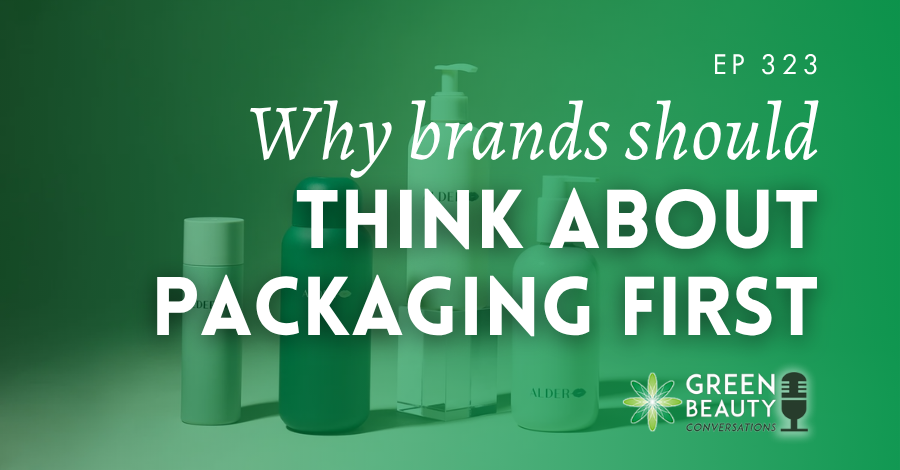
In this eye-opening episode of Green Beauty Conversations, Formula Botanica CEO Lorraine Dallmeier uncovers the uncomfortable truths behind eco packaging – and why good intentions don’t always lead to lower-impact outcomes.
She is joined by Jerome Fraillon, founder and CEO of Alder Packaging, who shares what really happens behind the scenes of packaging design, manufacturing and disposal. His insights will challenge everything you thought you knew about sustainable packaging.
From hidden recycling issues to misleading “eco” materials, this conversation exposes the gaps between perception and reality in eco beauty packaging – and shows you how to make better decisions moving forward.
If you’re a beauty entrepreneur, formulator or conscious consumer, this is an episode you can’t afford to miss.
“Most brands go straight to recyclability as their metric of success – but that’s actually at the bottom of the waste hierarchy.” — Jerome Fraillon
In this episode with Jerome Fraillon, you will hear:
Why packaging is often an afterthought: Most beauty brands start with a formulation, a story or a vision, leaving packaging decisions until the very end. Jerome explains how this approach creates problems, as packaging requires technical, logistical and sustainability considerations that need early planning. When rushed, brands often make decisions with limited knowledge and under time pressure, leading to unintended environmental consequences.
The complexity behind “sustainable” packaging: Sustainability in packaging isn’t just about recyclability. Jerome breaks down the multiple dimensions of eco packaging, including material choice, refillability, reduction and sourcing. He highlights how brands tend to focus on what’s visible – like recycling – while overlooking less obvious but equally important factors such as transportation and material reduction.
Common misconceptions about eco materials: From dark glass to bio-resins, Jerome shares examples of materials that appear sustainable but often aren’t. He explains why tinted glass may not be recyclable and how plant-based plastics still behave like conventional plastics at end of life. These insights reveal how marketing claims can obscure the real environmental impact.
The truth about refillable packaging: Refillable systems are often seen as the gold standard, but their success varies widely by region. Jerome discusses why refillable packaging works well in some markets, particularly in Asia, but struggles in the US and Europe. He also explores consumer behaviour and infrastructure as key barriers to adoption.
What indie brands should do differently: For founders just starting out, Jerome shares practical advice on navigating packaging decisions. He stresses the importance of speaking directly with suppliers, attending trade shows and seeking expert guidance early. This approach helps avoid costly mistakes, such as choosing packaging that isn’t compatible with a formulation.
Key takeouts:
Eco packaging is more complex than it looks: Eco packaging isn’t defined by a single factor like recyclability. It involves a balance between material choice, production methods, transportation and end-of-life outcomes. Many brands oversimplify sustainability, focusing on visible cues rather than the full lifecycle.
Recycling is not the ultimate solution: Despite its prominence, recycling sits low on the waste hierarchy. Jerome explains that reduction and reuse should come first, yet most brands default to recyclability because it’s familiar and visible. This mindset can lead to missed opportunities for more impactful changes, such as using less material or designing for refill systems.
Not all “green” materials are better: Materials like bio-resins or tinted glass can give the impression of sustainability without delivering real benefits. Bio-based plastics, for example, still degrade like conventional plastics and may compete with food resources. Similarly, certain glass types can’t be recycled due to sorting limitations. Understanding these nuances is essential for making informed decisions.
Local sourcing can significantly reduce impact: Transportation plays a major role in packaging’s environmental footprint. Shipping bulky packaging across continents unnecessarily increases emissions. Jerome highlights that sourcing packaging closer to the point of filling can be a simple yet powerful way to reduce impact, even if it requires compromising on design or aesthetics.
Early planning is critical for better outcomes: One of the biggest mistakes brands make is treating packaging as an afterthought. Integrating packaging decisions early in product development allows for better alignment between formulation, functionality and sustainability. This proactive approach reduces waste, avoids costly errors and leads to more effective eco packaging solutions.
Meet our guest: Jerome Fraillon, founder and CEO of Alder Packaging
With over 20 years of experience in beauty packaging engineering, Jerome Fraillon is a recognised leader in sustainable packaging innovation. Prior to founding Alder Packaging, he made far-reaching impacts on brands like Estée Lauder, Smashbox, Coty and Victoria’s Secret Beauty as an engineer and package developer before moving into a leadership role at one of the world’s largest cosmetic packaging companies.
In 2022, Jerome launched Alder with a mission to create personal care packaging that genuinely cares for the environment. As CEO, he leads a team of industry experts focused on guiding brands towards sustainable, forward-thinking packaging solutions.
His ability to combine technical expertise with strategic vision has positioned Alder as a trusted partner for beauty brands worldwide.
Find out more about Jerome & Alder Packaging:
Related episodes:
Thank you for joining us for this episode of the Formula Botanica Green Beauty Conversations podcast. If you enjoyed listening, please share, subscribe and review this episode on Apple Podcasts, Spotify or Youtube so that more people can enjoy the show. Don’t forget to follow and connect with us on Facebook and Instagram.
FREE TRAINING
Learn how to become an Organic Skincare Formulator
Join over 100,000 other Formulators
By providing your details, you agree to receive additional educational & marketing emails from Formula Botanica, which further introduce our curriculum. Your data is never shared or sold. Read our Privacy Policy.
FREE TRAINING
How to become an Organic Skincare Entrepreneur
Join over 100,000 other Formulators
By providing your details, you agree to receive additional educational & marketing emails from Formula Botanica, which further introduce our curriculum. Your data is never shared or sold. Read our Privacy Policy.
FREE TRAINING
How to become an Organic Skincare Entrepreneur
Join over 100,000 other Formulators
By providing your details, you agree to receive additional educational & marketing emails from Formula Botanica, which further introduce our curriculum. Your data is never shared or sold. Read our Privacy Policy.
Lorraine Dallmeier is a Biologist, Chartered Environmentalist and the CEO of Formula Botanica, the award-winning online organic cosmetic science school. Read more about Lorraine and the Formula Botanica Team.
Lifted, Healthier-Looking Lashes with the EBL Korean Lash Lift System
A beautiful lash lift starts with healthy lashes, and the right system makes all the difference. Our Korean Lash Lift System was created for lash artists who want consistent, root-lifting results while prioritizing lash health throughout the service.
From soft, natural enhancements to dramatic lifted transformations, these before and after results showcase what is possible with the EBL Korean Lash Lift System.
Shop our Korean Lash Lift System Here!
See The Transformation For Yourself
The best way to understand the power of a lash lift is to see the results. These transformations highlight the beautiful difference a professional Korean Lash Lift can make, creating lifted, open, eye-enhancing results while celebrating each client’s natural lashes.
Create Beautiful Lash Lift Results
Ready to create your own before and after transformations?
Shop the EBL Korean Lash Lift System today and start offering your clients the lifted lash look they love.
SHOP KOREAN LASH LIFT SYSTEM
Ready To Add Korean Lash Lifts To Your Menu?
Whether you are new to lash lifts or looking to expand your current services, proper education is key to creating safe, consistent results.
EBL offers Korean Lash Lift education options designed for lash artists:
✨ In-Person Korean Lash Lift Certification Get hands-on training, learn the full process, and practice creating beautiful lifted results with guidance from EBL educators.
✨ Online Korean Lash Lift Training Learn at your own pace with our online certification option designed to help you master the technique from anywhere.
LEARN MORE ABOUT OUR KOREAN LASH LIFT TRAININGS
To shop all lash extensions and Korean Lash Lift supplies visit our website here.
As fun as mysterious perfume names can be, there’s something refreshing about a fragrance that tells you exactly what you’re getting. All of Clean Classic’s scents are inspired by life’s simplest comforts—fresh laundry, soap, and crisp air—and Warm Cotton is an editor-favorite for its subtle blend of citrus, lemon verbena, cotton flower, orange blossom, musk, and amber. “It captures that just-out-of-the-dryer feeling perfectly,” says contributing commerce writer Christa Joanna Lee.
Ellis Brooklyn Sun Fruit Eau de Parfum
Allure commerce editor Sarah Han applying the Ellis Brooklyn Sun Fruit Eau de Parfum
Sarah Hahn
Ellis Brooklyn
Sun Fruit Eau de Parfum
If booking a beach vacation isn’t in the cards right now, Ellis Brooklyn’s Sun Fruit is the next best thing. Inspired by bare skin, ripe fruit, and long days in the sun, the fragrance pairs juicy fig, pear, and bergamot with creamy coconut, jasmine, vanilla, and musks for a scent that feels like a tropical getaway bottled up. Even the cheerful lemon-lime bottle feels like a postcard from somewhere warm. “It’s sunshine in a bottle and I’m instantly energized with every spritz,” says commerce editor Sarah Han.
DedCool Xtra Milk Eau de Parfum
Dedcool
Xtra Milk Eau de Parfum
Allure senior editor Jesa Marie Calaor applying the DedCool Xtra Milk Eau de Parfum
Jessa Marie Calor
If you loved the original DedCool Milk Eau de Parfum but wished it lingered just a little longer, Xtra Milk is exactly what you’re looking for. The Best of Beauty-winning fragrance takes the skin-like scent and turns up the volume, amplifying its blend of bergamot, white musk, and amber for a warmer take. It’s soft, clean, and cozy—like your favorite white T-shirt, only in fragrance form. “Xtra Milk is like burying your face in laundered linens, wading in sunshine in a quiet open field,” says senior editor Jesa Marie Calaor.
TL;DR: In June 2026 we have brought back zinc oxide into our deodorant stick formulas! Our deodorant pastes will be getting a makeover in July 2026 to include zinc oxide in their formulas too. 💪
When we reformulated our natural deodorants last year (in June 2025), we expected people to notice the creamier texture, smoother glide and swanky new scents.
Even though lots of folks were loving the new formulas, what we didn’t expect was the number of messages saying they missed the old formulas.
The more we dug into the feedback, the more we realised something important:
We had to bring zinc oxide back into the mix.
A quick trip down memory lane
If you’ve been part of the Woohoo family for a while, you might remember the great deodorant reformulation of 2025.
A global ingredient shortage meant we were forced to reformulate our deodorants much faster than we’d planned. One of our hero ingredients, candelilla wax, suddenly became incredibly difficult to source and we had to make some big decisions to keep deodorant on shelves.
While we were making those changes, we decided to revisit a few other ingredients too.
For years we’d used zinc oxide in our deodorants. But during the reformulation, we replaced it with zinc ricinoleate – another well-researched deodorising ingredient that works by trapping and neutralising odour molecules.
Why the change?
At the time, we were paying attention to ingredient-rating apps like Yuka (an independent app that is meant to help you understand the impact your product ingredients have on your health), which was giving zinc oxide a less favourable rating despite its long history of safe use in products like mineral sunscreens. Zinc ricinoleate scored better, so it seemed like a sensible switch.
But over the following year, the feedback kept rolling in.
Some customers felt the original formulas lasted longer.
Others told us they preferred how the old formulas felt on their skin.
And the more we reviewed the science, the more we realised we’d moved away from an ingredient that had served us really well for years.
So our co-founder and cosmetic chemist, Aaron, did what he does best: he headed back to the lab.
After extensive testing, we made the decision to bring zinc oxide back.
Zinc oxide is an incredibly versatile ingredient. Alongside helping absorb moisture, it supports long-lasting odour control and helps boost the overall performance of a deodorant formula. It’s been used safely in personal care products for decades and we’re very comfortable standing behind it.
Today, zinc oxide is back in all Woohoo deodorants and our Extra Strength formulas now contain both zinc oxide and zinc ricinoleate for even greater BO-fighting power.
Sometimes innovation means trying something new.
And sometimes it means recognising when the original was pretty hard to beat 🙂
As a side note, Yuka seems to have lightened up on the doom-and-gloom ratings it used to give zinc oxide, so even our new formulas will rate well once we’ve updated them in the app! We’ll be spending less time chasing favourable ratings and more time chasing amazing formulas in the future.
Zinc oxide: the unsung hero of Woohoo natural deodorant
If you’ve ever wondered why some natural deodorants seem to keep working all day while others throw in the towel by lunchtime, the answer often comes down to how they deal with odour.
Because here’s a fun fact: sweat doesn’t actually smell.
It’s essentially odourless.
That distinctive underarm aroma develops when naturally occurring bacteria on the skin start breaking down sweat and producing the compounds responsible for BO.
In other words, your sweat isn’t the villain. The cheeky bacteria raising a stink under your arms are.
This is where zinc oxide comes in.
Research suggests this naturally-derived mineral can help create an environment that’s less favourable for some of the bacteria associated with underarm odour, such as Corynebacterium species.
So, rather than simply covering up BO, zinc oxide helps address one of the reasons that smelliness occurs in the first place.
Which means more freshness and less stink for longer.
It helps keep pits feeling comfortable too
The other reason we love zinc oxide so much is its long history of use in personal care.
There’s a reason you’ll find it in products designed for delicate skin.
It’s widely recognised as a gentle ingredient and has been used in everything from nappy creams to mineral sunscreens.
So we love that zinc oxide doesn’t just bust BO, it also fits beautifully into our philosophy of creating products that are effective while still being kind to sensitive skin.
It helps keep your pits dry and fresh
Zinc oxide won’t stop you sweating. And honestly, we wouldn’t want it to, as sweating is one of the ways your body regulates temperature.
What it can do is help absorb a little surface moisture, contributing to that comfortable, fresh feeling under your arms throughout the day while caring for your skin microbiome.
So why bring it back?
One of the things we’ve always tried to do at Woohoo is listen when our customers tell us something isn’t quite right.
Sometimes that means creating an entirely new product.
Sometimes it means improving an existing one.
And sometimes it means admitting that an ingredient doesn’t always need to be upgraded if it’s already doing a stellar job.
Zinc oxide is sooooo good at:
Helping tackle odour-causing bacteria without blocking sweat
Supporting skin comfort while keeping pits fresh and dry
Protecting your skin barrier
Helping your deodorant last longer
So zinc oxide is back and it’s here to stay!
And if the feedback from our testers is anything to go by, it’s keeping sweaty armpits VERY happy indeed.
So with all that said…
Welcome back to the Woohoo natural deodorant family, zinc oxide. We missed you.
Our beauty team has been testing the Biodance Bio-Collagen Real Deep Face Mask in very different conditions to see whether it truly deserves its cult status. While Lucy Partington, Glamour’s Freelance Commerce Writer has been using the mask since before it went viral, beauty expert and Freelance Beauty Journalist Georgia Brown put it to the test during London’s recent 35°C heatwave, when dehydrated, overheated skin was crying out for anything remotely cooling.
Spoiler: both experiences were overwhelmingly positive, albeit for very different reasons.
How I tested the Biodance collagen face mask
Just because a product is viral, it doesn’t mean it’s actually good – so I wanted to ensure I tested the Biodance Bio-Collagen face mask thoroughly before recommending it (or not) to you. Conveniently, I actually shipped the Biodance Bio-Collagen Real Deep Face Mask over from the US years ago, when it wasn’t available to buy in the UK, and have been reaching for it ever since.
Over the years, I’ve tested the Biodance Bio-Collagen Real Deep Face Mask at different times of the day. They’re designed to be worn for at least three hours, allowing the ingredients plenty of time to absorb. I work from home most of the time, so I will sometimes apply a mask after lunch and leave it on throughout the afternoon while I’m on my laptop (in fact I am wearing one right now as I type this), or sometimes I’ll apply in the evening after cleansing and let it adhere to my skin for a few hours before I go to bed.
To help get a better understanding of how a mask performs, I used them several times over a couple of weeks, paying attention to hydration levels, texture and how my skin looked immediately after removing and a few hours later. I also ensured it wasn’t just me testing it: I enlisted the help of beauty expert Georgia Brown to test it, too. Her videos – of the mask performing on another skin type – are below. Together, we assessed how the masks performed across different skin needs, routines and environments.
Georgia Brown tested the Biodance Bio-Collagen Real Deep Mask during a heatwave
Lucy Partington put the K-skincare hydrogel mask to the test during a work-from-home day
Why you can trust us
I’m a skincare-obsessed beauty editor who has spent years testing different product formulas and reporting on emerging trends across the beauty industry. I’ve written for titles including Glamour UK, Cosmopolitan, Stylist, British Vogue and ELLE UKand I am always testing new launches, from viral TikTok products to dermatologist-approved staples, to see whether they genuinely deliver on their claims. I speak to dermatologists, hair stylists, makeup artists and doctors regularly to support my findings, and I am regularly invited to press and influencer events to get first-looks at the hottest launches.
Sheet masks, in particular, are something I’ve tested extensively over the years, including countless Korean formulas known for their hydrating and skin-plumping properties.”
Georgia adds: “I’ve spent years testing everything from luxury skincare launches to affordable high-street buys in a bid to separate the genuinely brilliant products from the overhyped. I’ve written extensively about skincare, wellness and beauty for titles including Glamour UK, HELLO! and Marie Claireand regularly interview dermatologists, aesthetic doctors and cosmetic experts to ensure my reporting is backed by expert insight.
“When it comes to sheet masks, K-beauty formulas have long been a staple in my routine, particularly when my skin is feeling dehydrated, dull or compromised. I tested the Biodance Bio-Collagen Real Deep Mask during London’s recent 35°C heatwave, when my skin was looking noticeably more dehydrated and stressed than usual, making it the perfect time to put its hydrating and soothing claims to the test.”
What does the Biodance collagen face mask do?
The Biodance collagen face mask is designed to deeply hydrate skin while helping it look smoother, firmer and more radiant – which we all want, right? Unlike traditional sheet masks, it uses a hydrogel texture, which allows the mask to sit closer to the skin and gradually release ingredients over time.
What are those ingredients? It features hydrolysed collagen, which helps improve skin elasticity and reduce fine lines. Board-certified dermatologist Nina Desai, MD previously explained to Allure that hydrolysed collagen rejuvenates your complexion by supposedly stimulating skin cells to produce brand-new collagen. In addition, there’s hyaluronic acid, which is one of my favourite ingredients. It’s basically like a tall glass of water for your skin, leaving it plump and dewy. The mask also contains niacinamide to even out your complexion and centella asiatica extract, which soothes and calms any irritation, making this mask great to use after a detoxing mask for acne treatment. Together, these ingredients aim to leave skin looking plumper, more hydrated and noticeably glowier – the sort of glass-skin effect that Korean skincare has become famous for.
Here’s what else makes this mask unique: Unlike your typical 15 to 20 minute sheet mask, you actually leave it on for three to four hours until it becomes translucent, which indicates that your skin has absorbed all the essence. How does that work? I tapped cosmetic chemist Kelly Dobos to explain. “The change that happens here is likely from a change in the hydration and temperature of the mask once applied to the skin,” she says. Dobos adds that this sheet mask is likely somewhat occlusive, creating a seal to trap in the moisture the mask is giving the skin.
The application is easy. After cleansing and toning my skin, I unfold the mask and fit it over my face, making sure it adheres snugly. Then, let it do its magic while you relax. When I take it off, I just gently massage in any remaining essence. No rinsing is needed.
Biodance Bio-Collagen Real Deep Mask
My first impressions
“This isn’t the first time I’ve used the Biodance collagen mask. A couple of years ago, long before they started popping up all over TikTok, I ordered a box from Amazon US after seeing them mentioned in skincare circles – back when Biodance was impossible to find in the UK.
The first thing that stood out to me was the texture. Unlike traditional sheet masks, which tend to be thin and soaked in serum, this one has a thicker hydrogel consistency that helps it cling closely to the skin without slipping around.
Once applied, it feels more like placing two cool, jelly-like patches over your face than using a typical sheet mask. Be warned, though, they can be quite slippery and – if you have long nails – they can easily tear. As it sits on the skin, the mask slowly begins to change. Rather than drying out, the hydrogel gradually turns clear as the ingredients absorb. The masks do take 20 minutes or so to adhere to skin properly though, but once it’s dried down a little bit, it stays put well.
Georgia’s first impressions
“I have to say, I love the novelty of applying this face mask,” Georgia told me. “It reminds me of the peel-off face masks I used to sneak from my mum’s beauty cupboard when I was a child. I do get bored easily, so the 3–4 hour wear time is a bit of a patience test for me, but I’ve been told it’s worth it. Thankfully, there’s no scent or stinging, which is a huge plus for my sensitive skin.”
The mask takes 3-4 hours to fully dry, but can also be worn overnight
Biodance Bio-Collagen Real Deep Mask x4
My experience using the Biodance collagen face mask
When I used it, I noticed the change first around my forehead and mouth area, particularly my upper lip, where the mask became almost transparent before the rest slowly followed. Another thing that makes it different is the wear time.
While most sheet masks are designed to come off after 15 or 20 minutes, as I mentioned previously, the Biodance mask stays on for at least three hours, with many people choosing to keep them on even longer. I’m definitely that person sometimes, but know that requires both planning and patience. That said, I do think they’re perfect for a lazy Sunday afternoon or a work-from-home day when the diary is clear and there are no meetings.
I took a photograph of myself straight after putting the face mask on.
I removed the face mask after three hours and was so impressed with the immediate glow.
After removing the mask, my skin always feels hydrated and looks smoother, with the kind of subtle glow K-beauty is known for. The glow doesn’t last forever, but for a few hours afterwards my skin looks noticeably smoother and more hydrated. I do think there is something in the longer term benefits of regularly using these masks, plus they’re great for long-haul travel.
Another thing to note is that I did try sleeping in them a couple of times but didn’t have much success. I’m a front sleeper, so the masks tended to become unstuck and move around, or I’d feel slightly claustrophobic and end up ripping them off in the middle of the night, meaning my skin looked no different by morning.
Georgia’s experience of using the Biodance collagen face mask
“Once I took it off, I could immediately see and feel the difference – my skin looked noticeably plumper, smoother and much more hydrated, with that fresh, bouncy, almost glass-skin finish that K-beauty products are known for. The cooling effect was especially impressive. During a 35°C London heatwave, my skin felt hot, a little flushed and generally a bit sorry for itself, so it was such a relief to have something that instantly felt calming and restorative.
“This is exactly the kind of mask I’d reach for in summer, after a long flight or following a beach day when skin needs a proper reset. It gives that lovely just-had-a-facial feeling, and didn’t leave my sensitive skin with any irritation.”
Georgia having just applied the Biodance mask
After application, Georgia’s skin was left hydrated and glowy
Is the blue or pink Biodance mask better?
Both versions of the Biodance mask are designed to hydrate the skin, but they target slightly different concerns. The pink collagen mask focuses more on improving the appearance of elasticity and firmness, making it a good option if your main goal is achieving that bouncy, plump skin effect. The blue versionmeanwhile, leans more towards soothing and barrier support, which may make it a better choice for anyone dealing with dryness, redness or sensitivity.
In reality, both deliver a similar boost of hydration, so the best option largely comes down to what your skin needs most at the time.
Our verdict: is the Biodance collagen face mask worth it?
If you’re looking for a mask that delivers serious hydration and gives a subtle plumping effect, the Biodance collagen mask is well worth trying – especially if you love the dewy, glass-skin finish Korean skincare is known for.
The three-hour wear time means it’s not something you’ll reach for every day, but when skin is looking tired, dull or dehydrated, it’s a low-effort way to give it a noticeable boost. The results aren’t permanent, but the glow is impressive enough that it’s easy to see why these masks have developed such a loyal following.
I love having a clean electrolyte on hand that I know my kids will love!
When kids are sweating heavily during sports, outdoor activities, or summer adventures, they may need more than water alone to replace lost fluids and electrolytes. Traditional sports drinks like Gatorade and Powerade are common choices, but they’re not the only option. A growing number of brands now offer electrolyte products made specifically with kids in mind. Here are my favorite options, along with honest reviews from my own kids.
**I am not a doctor, just sharing what I’ve used with my kids. Please, consult with your physician when using any new products with your children.
**This post contains affiliate links, and if you make a purchase through them, I may earn a small commission at no additional cost to you—I only recommend products and brands I genuinely trust and use myself.
Best Clean Electrolytes For Kids – Quick Picks
What are electrolytes?
Electrolytes are minerals that carry an electrical charge when added to water. They help your body regulate the balance of fluids in the body, nerve signaling, muscle contractions, heart rhythm, and other essential functions.
For more electrolyte brands for adults, check out the Best Electrolytes with Clean Ingredients
Why Kids Need Electrolytes
Kids need electrolytes for hydration, muscle function, nerve signaling, growth and development, and recovery from illness.
When should kids use electrolytes?
Electrolytes can replace fluid losses due to excessive sweating during physically demanding sports and activities.
Electrolytes can replace fluid losses due to long periods of time outdoors in hot weather.
Electrolytes can help replace fluids that are lost due to vomiting, diarrhea, or when there’s little fluid intake.
What To Look For In A Clean Electrolyte
Whole Food Ingredient Lists
Flavor Sourcing
A listing of “natural flavor” on a label may seem better than “artificial flavor” but natural flavors can still undergo extensive processing before it reaches a food product. That’s why it’s best if flavor sources are disclosed on the label.
I love so many electrolyte brands – but knew I needed to have my kids test the best brands for kids!
Appropriate Electrolyte Profile
Recommended intake of key electrolytes:
1–3 years: Less than 1,200 mg
4–8 years: Less than 1,500 mg
9–13 years: Less than 1,800 mg
14 and older: Less than 2,300 mg
Birth to 6 months: 400 mg
7-12 months: 860 mg
1-3 years: 2,000 mg
4-8 years: 2,300 mg
9-13 years: 2,500 mg male/2,300 mg female
14-18 years: 3,000 mg male/2,300 mg
0-6 months: 30 mg
7-12 months: 75 mg
1-3 years: 80 mg
4-8 years: 130 mg
9-13 years: 240 mg
14-18 years: 410 mg male/360 mg female
Lower Sugar Options
Third-Party Testing
Free of artificial dyes
Check out my favorite Clean Protein Powders!
Ingredients To Avoid In Electrolytes For Kids
Artificial Food Dyes
Artificial Sweeteners
Excess Added Sugar
Artificial Flavors
Hidden Preservatives
Caffeine
High Sodium
How I Picked The Brands For My Kids To Taste Test
I picked these brands for my kids to try because they are cleaner kids electrolytes brands. There aren’t any artificial sweeteners or sugar added. They are clean formulas, without weird ingredients or fillers. When I was researching kids’ clean electrolytes I found a lot of brands that had added sugar or emulsifiers in them- ingredients I didn’t want my kids consuming.
My Filtered Water Guide will help you find the best type of water filter so you have clean water to use with your electrolytes!
Best Clean Electrolytes For Kids
Hiya Kids Electrolytes
Hiya was founded in 2020 and focuses on products for children, including multivitamins, probiotics, iron supplements, greens powders, and other nutritional products. Their products don’t contain added sugar or any artificial colors or flavors. Every Hiya product undergoes rigorous third-party testing for heavy metals, microbials, and other contaminants and are Clean Label Project Certified.
Best for Travel
They come in packets, making it easy to bring them anywhere!
Dye free – Yes
Added Sugar – 0 grams
Electrolytes
1. Sodium – 85 mg
2. Potassium – 240 mg
3. Magnesium – 25 mg
Kids Taste Test Review
I have 3 kids that tried the electrolytes (fruit punch flavor) and 2 of my kids loved this flavor and 1 didn’t. They said they liked the fruity flavor. My daughter that didn’t like them said she didn’t like the after taste.
What I Like
I like that there is no added sugar or any artificial colors or flavors. I also really like the 3rd party testing they do. The option to purchase as individual sticks (on Amazon) or a reusable canister (on their website) is great too.
What I Don’t Like
I didn’t like that they had limited flavors (Fruit Punch in the Hydration Sticks and Berry in the reusable canister)- would be nice to have more flavor options.
Redmond Re-Lyte for Kids
Redmond Re-Lyte Kids is a pediatrician-approved electrolyte drink mix made from the brand’s Real Salt. Their electrolyte mix is made without any added sugar, artificial dyes or other junk ingredients.
Best for Active Kids
Has the most minerals overall.
Dye free – Yes
Added Sugar – 0 grams
Electrolytes
1. Sodium – 340 mg
2. Potassium – 150 mg
3. Magnesium – 25 mg
Kids Taste Test Review
Everyone liked these! All the flavors they said were good and refreshing. These are the electrolytes they kept asking for again and again!
What I Like
I like that this was formulated with kids in mind – but teens and adults that want a lighter electrolyte drink could drink it too. Ingredients are top notch! They also offer kid-friendly flavors that passed my kids’ test – this makes staying hydrated more enjoyable .
What I Don’t Like
I wish these didn’t have quite as much sodium in them.
Just Ingredients Electrolytes
Just Ingredients was founded by Karalynne Call, a certified nutritionist with a core message of, “simplifying your health journey by simplifying your ingredients”. Their products are third party tested and are created without added sugar or artificial dyes. While the electrolytes are not specifically formulated for children, they do say they are designed to support hydration for the whole family.
Best for The Whole Family
Dye free – Yes
Added Sugar – 0 grams
Electrolytes
1. Sodium – 100 mg
2. Potassium – 300 mg
3. Magnesium – 50 mg
Kids Taste Test Review
They liked some of the flavors but not all of them. They did want to open these first- the packaging must have drawn them in! They liked the Strawberry Limeade and the Raspberry Lemonade the best.
What I Like
I love that Just Ingredients works for the whole family. They offer a unique 3:1 potassium-to-sodium ratio. There is a wide offering of flavors to choose from that use real fruit for the flavor. If one flavor wasn’t a favorite, they have so many to choose from!
What I Don’t Like
There really isn’t anything I didn’t like about them. They really nail the minerals and I like all the flavor options they offer.
Use code GURLGONEGREEN to save 10%!
Paleovalley Electrolytes
Paleovalley was co-founded by Autumn Smith, a Doctor of Holistic Nutrition and is focused on creating nutrient-dense products that are minimally processed. The electrolytes are formulated for adults, but I just use half of a scoop for my kids instead of a full scoop.
Best Clean Ingredient Electrolyte
Easy to find, comes in packets and my kids liked all the flavors.
Dye free – Yes
Added Sugar – 0 grams
Electrolytes (Keep in mind I give my kids a 1/2 scoop and these numbers are for a full scoop)
1. Sodium – 400 mg
2. Potassium – 280 mg
3. Magnesium – 160 mg
Kids Taste Test Review
They didn’t like these as much. They don’t have as strong of a flavor they said.
What I Like
I love that these are made with whole-food sourced electrolytes from ancient sea salt, organic coconut water, seaweed extract, and seawater. Beyond electrolytes, these also contain over 60 trace minerals. Paleovalley electrolytes also don’t have citric acid which I appreciate because it can be harmful for their teeth.
What I Don’t Like
I wish these came in packets too. Would be nice for travel!
Use my link below to save 15%!
Cure Electrolytes
Cure Kids is a children’s hydration line that focuses on electrolyte drink mixes based on the World Health Organization’s oral rehydration solution (ORS) principles. Their electrolyte mixes are pediatrician-approved and provide sodium, potassium, and a small amount of glucose to support hydration.
Best Overall Electrolyte For Kids
Easy to find, comes in packets and my kids liked all the flavors.
Dye free – Yes
Added Sugar – 0 grams
Electrolytes
1. Sodium – 240 mg
2. Potassium – 300 mg
3. Magnesium – 0
Kids Taste Test Review
They liked these a lot! There wasn’t a flavor they didn’t like.
What I Like
I like that they are made with made with real fruit, coconut water, and pink Himalayan salt. Their ingredients are science-backed AND their flavors won my kids over.
What I Don’t Like
They are spendy! They offer 15 servings for nearly the same price as Just Ingredients that offer 30 servings.
Natural Sources of Electrolytes for Kids
Anytime I can give my kids whole food options, that is what I choose. Even electrolytes can be obtained from food sources.
Magnesium – pumpkin seeds, beans, whole grains, dark chocolate
Potassium – potatoes, bananas, avocados, dairy products, beans, coconut water
Sodium – generally sodium is plentiful in the American diet.
Bananas with peanut butter are a good source of magnesium, potassium, and sodium.
Frequently Asked Questions
1. Do kids need electrolytes every day?
Generally, kids do not need to supplement with electrolytes every day unless they’re sick, in extreme heat or participating in sports or intense activity lasting longer than an hour.
2. What electrolytes are best for young athletes?
With sodium being the primary electrolyte lost in sweat, Cure Kids Electrolytes would be a good option for young athletes. Many kid-based electrolytes focus on potassium, but Cure has 240 mg of sodium and follows the World Health Organization’s oral rehydration solution (ORS) principles.
3. How do I know if my child is dehydrated?
Decreased urination or darker urine.
Dry or parched lips or mouth.
Decreased energy levels such as playing less than normal.
Increased irritability.
4. Are there any guidelines for appropriate electrolyte intake for kids?
While there aren’t any hard and fast guidelines for electrolyte intake that work for all kids and all contexts, there are general guidelines such as:
If it’s evident that kids are losing fluids due to longer or heavier heat exposure then electrolyte replacement is generally useful.
If kids are losing fluids due to vomiting or diarrhea or profound sweating, then an Oral Rehydration Solution may be in order. These are fluids formulated with the correct ratio of sodium and glucose for maximum absorption of water.
Do your kids have a favorite electrolyte? Share below!
If you liked this post, check out these past posts:
*Affiliate Disclosure: I do have affiliate links in this blog post. If you purchase something from my link, I will receive a small commission from the sale. This comes at no cost to you, but is paid by the company. I do not take becoming an affiliate with any company lightly. If I am, it’s because I believe in the company and their product.
*Suzi(Gurl Gone Green) is a participant in the Amazon Services LLC Associates Program, an affiliate advertising program designed to provide a means for sites to earn advertising fees by advertising and linking to amazon.com.
When my hair starts giving me the ick—that dull, dry, generally lifeless look, even after a fresh blow-dry—a good gloss can be one of the quickest ways to revive it. Traditionally reserved for salon appointments, hair glosses are beloved for their ability to boost shine, smooth the cuticle and make color look richer and healthier. But some of today’s at-home treatments are so good, they mimic professional results. A new one I’m loving is IGK’s new Paid In Full High-Gloss Intense Repair Treatment ($38). Here’s my honest review.
The Benefits of IGK’s Paid In Full Treatment
This salon-inspired, three-step repair system is designed to repair, restructure and reseal damaged hair while delivering the type of reflective shine I’d typically only associate with a professional gloss service. How does it work? It combines a bond-building concentrate, a squalane-infused glossing base and a moisture-sealing mask that work together to strengthen hair and smooth the cuticle for a high-shine, glossy finish. It’s a reset for anyone with color-treated hair (especially bleached) or overprocessed hair that looks damaged.
The formula highlights IGK’s proprietary Lift + Seal Technology, which the brand says penetrates the hair cuticle and then laminates the surface for lasting repair and shine. The treatment also contains vegan silk proteins to help reinforce damaged strands and protect against future breakage, as well as bond-building technology that helps reconnect weakened areas of the hair fiber.
How to Use IGK’s Paid In Full Treatment
First, put on the gloves that are included in the box. On clean, dry hair, emptythe entire tube of HEALTHYYY Bond-Building Restructuring Concentrate into the bottle of GLOSSYYY Squalane-Infused Glossing Base.Putthe cap back on and shake the bottle for 20 seconds to mix everything up. Then, apply the cream to yourhair in sections, distributing it evenly throughout. Let it sit for 10 minutes before rinsing and shampooing as usual. Next, apply the SILKYYY Moisture Barrier Lamination Mask instead of conditioner (the whole packet if you have long hair) and let it sit for five minutes. Rinse, blow-dry and enjoy your silky, glossy strands. Each box is one treatment, and results last up to four weeks.
The Clinical Claims
According to the brand, the treatment seals 100 percent of split ends after a single use and results in 83 percent less breakage. The brand also says hair was up to six times stronger and up to eight times softer and smoother in its testing.