Home Blog Page 189

Shop the post: short skirt, flat shoe

0

Pro Tips for Your Best Makeup Look Yet

0

You can’t tell us otherwise: the holiday season is officially here. Whether your calendar is packed with parties or you’re headed home to spend time with family, now’s the perfect moment to get your holiday looks in order.

Instagram and Pinterest offer no shortage of ideas, but a little expert guidance goes a long way. To narrow the field, we tapped celebrity makeup artist Kelli Anne Sewell. Known for working with stars such as Kelsea Ballerini and Alix Earle, Sewell has mastered soft yet incredibly fabulous makeup—the ideal formula for holiday glam. Through her app, Makeup By Kelli Anne, she shares pro techniques for achieving polished makeup at home, and now she’s giving us a quick guide to flawless holiday beauty.

Prep Before You Play

Skin care is at the heart of all of Sewell’s makeup looks. “I always say every great makeup look starts with good skin prep,” she says. However, to achieve the dewy radiance and subtle sheen for which Sewell is known, a few extra steps are required. “Winter weather can amplify dryness, so your skin needs some extra love underneath your makeup.”

Her pro tip: layer hydrating and moisturizing products. “I like to use formulas that have a thicker consistency and hydrating elements. For winter skin prep, I start with Rhode Glazing Milk to add a pearly glow to your base, then layer Dieux Instant Angel on top. Eye cream is also essential and a lip mask will help prevent chapped skin and dryness,” she says.

Lean Into Festive Trends

The holidays only come once a year, so why not lean into festive makeup? Glitter, bold blush, bronze and shimmer are all on the table and can instantly elevate your look. “If you’re working with glitter, a shimmery highlighter like Fenty’s Diamond Bomb can be used all over the face, including the eyes and lip if you want to,” she says.

For those who prefer a more understated approach to holiday glam, Sewell recommends leaning into top seasonal blush trends such as warm and toasty browns: Summer Friday’s Toasted Terracotta and Rhode’s Tan Lines are two of her favorites for achieving the look. She’s even got a tip for blending these two trends to get the best of both worlds. “One of my key eye products is a bronze shimmery eyeliner, specifically Victoria Beckham’s, which comes in bronzed cinnamon,” she says. “It’s highly pigmented with just a touch of glitter and looks great applied in the waterline. It adds an extra luminosity to your eye makeup without going overboard.”

Keep Things in Balance

Balance is essential if you want your makeup to stand out. Bold lips and smouldering eyeshadow always look best when the skin is kept fresh and clean. Put simply: pick a focal point. “If your eyes or lips draw attention, your skin should complement that,” she says, noting that if you’re going for the clean look, a completely matte base isn’t the best move. She suggests using products that provide coverage with a more radiant finish, complemented by hydrating base formulas.

Don’t Forget to Set

Makeup longevity is another area Sewell has mastered; she even dedicates full tutorials to it on her app. The gist: every cream product needs to be set, but in light layers to prevent things from looking cakey. “The final step, and you don’t want to forget it, is locking it all in with a good setting spray like Charlotte Tilbury’s Airbrush Setting Spray,” she says.

Products to Try This Holiday Season

Natasha Denona
Hy-Glam Serum Concealer
Victoria Beckham Satin Kajal Liner
Victoria Beckham
Satin Kajal Liner
Makeup by Mario Ethereal Eyes Eyeshadow Palette
Makeup by Mario
Ethereal Eyes Eyeshadow Palette

Your Food Order Matters. Here’s How to Do It Right.

0

Beginning with fiber also means you’ll likely eat more of it than you would otherwise—an important point, since around 95% of Americans are actually deficient in this critical carb. Because of this, “it helps with meeting the daily recommendation for fiber intake, which many of us tend to fall short of,” Holley says.

Eating more fiber can additionally make it easier to maintain a healthy weight. “Higher-fiber foods tend to be lower in calories,” Holley explains (and more filling to boot)—so when you load up on them early on, you’re likely to eat less of the higher-calorie foods coming down the line, making for a lower total calorie intake.

Next, turn to protein and healthy fats.

Protein is plentiful in meat, poultry, eggs, dairy, and seafood (as well as a few special plant-based items like legumes and soy products), while healthy fats can be found in nuts, seeds, avocados, vegetable oil, and fatty fish like salmon and mackerel. Both “are effective at stimulating the release of GLP-1, a hormone that helps to regulate appetite and blood sugar” (and which you’ve probably already encountered if you’re at all tuned into the Ozempic discourse), Holley says. Subsequently, that GLP-1 surge delays something called gastric emptying—“how quickly food moves from stomach to intestine,” according to Inchauspé. In practice, this effectively reduces the rate at which food is digested and, in turn, the rate at which glucose hits your bloodstream, resulting in a more gradual rise (seeing a pattern here?).

Finally, finish with carbs.

Once you’ve polished off everything else, it’s (finally!) time for carbs like rice, bread, and pasta, as well as those starchy veggies we mentioned above. By the time you reach this portion of the meal, there are “all these buffers in place to reduce the speed at which they arrive into the bloodstream. And that’s what we want,” Inchauspé says. Using chocolate cake as an example, she explains, “we’ll get all the joy from it, just as much as we did before, but on the inside, in terms of what happens in our intestine, things will be slowed down significantly.” Ta-da—“a smaller glucose spike and fewer consequences of the glucose spike on brain and body.”

The Difference Between Moisturizer and Serum

0

A skincare routine is essential for maintaining skin health, enhancing appearance, and preventing future issues.

Within this regimen, moisturizers and serums are cornerstone products, each playing a unique role in achieving healthy, clear, and beautiful skin.

However, despite their shared goal of improving skin health, they differ significantly in formulation, purpose, texture, and how they should be incorporated into a skincare routine.

Therefore, in this article, I will delve deeper into these details and help you understand the differences between moisturizers and serums and how to use each product to achieve optimal skin health.

NB: I can show you how to never have acne again. If you have acne and want it goneread this message.

What is a Serum?

Serums are lightweight, highly concentrated formulations designed to deliver potent active ingredients deeper into the skin and initiate a biochemical reaction that will target specific skin concerns.

They are made up of small molecules that easily penetrate the outermost layers, offering solutions for skin concerns such as dryness, acne, lines and wrinkles, texture, or hyperpigmentation.

Serums are typically water-based, though oil-based options exist, catering to different skin types and needs.

What is a Moisturizer?

Moisturizers, on the other hand, are thicker, creamier formulations that aim to slow down transepidermal moisture loss by forming an occlusive barrier on the skin’s surface.

This barrier locks in moisture from the deeper layers of the skin and prevents it from evaporating while protecting the skin from environmental aggressors such as pollution and dry air.

These products are made with a blend of humectants, emollients, and occlusives and can have a thicker or lighter texture to suit various skin types and needs.

Ingredients: The Key Differentiators

Serum Ingredients

Serums are packed with active ingredients meant to solve specific skin issues.

Common ingredients in serums include:

Vitamin C: An antioxidant that protects the skin from free radicals in the environment and reverses cellular damage that leads to symptoms such as dullness, uneven skin tone, and pigmentary abnormalities.

Hyaluronic Acid is a humectant that brings moisture from the environment or the deeper layers of the skin to the surface, keeping the top layer of the epidermis hydrated, soft, and plump.

Niacinamide: An anti-inflammatory and antioxidant ingredient that helps improve the skin barrier’s function, resulting in smoother, more even-toned skin.

Retinol: A derivative of vitamin A that promotes cellular turnover and tackles skin concerns such as acne, wrinkles, texture, and pigmentary abnormalities.

Moisturizer Ingredients

Moisturizers contain ingredients that mainly aim to hydrate and protect the skin barrier.

These include:

Humectants like glycerin and hyaluronic acid, which draw water into the skin.

Emollients such as squalane, shea butter, and jojoba oil to smooth and soften the skin by filling in gaps between skin cells.

Occlusives like petrolatum and beeswax, which create a physical barrier to prevent moisture loss.

Texture and Consistency: A Tactile Difference

Comparison illustration depicting the texture and consistency variances between a serum and a moisturizer, illustrating their different formulations and application methods for effective skincare routines.

Serum Texture

Serums typically have a light texture, ranging from watery to gel-like, and are quickly absorbed into the skin, making them suitable for layering under other skincare products.

Due to their water-based formulation, some serums may feel slightly tacky or sticky upon application, but this feeling usually dissipates once the product is fully absorbed.

Moisturizer Texture

Moisturizers come in various consistencies, from light lotions to thick creams.

They are designed to be applied over serums and other treatments to lock in moisture and create a protective barrier on the skin’s surface.

The texture depends on the moisturizer’s formulation and the amount of water, oil, and other ingredients, making them versatile for different skin types and concerns.

The Effects on Skin

Immediate Effects

Serums: Due to the high concentration of active ingredients, serums have a more immediate effect on the skin, delivering quick and noticeable results, such as reduced acne, brighter skin tone, improved appearance of lines and wrinkles, and refined texture.

Moisturizers: Upon application, moisturizers provide an immediate hydrating effect, leaving the skin feeling soft, supple, and protected. Additionally, while moisturizers also contain active ingredients, they are not as concentrated as serums, so their effects may take slightly longer to become visible.

Long-Term Benefits

Serums: With regular use, serums can significantly improve the skin’s health and appearance, addressing concerns like lines, wrinkles, dark spots, acne, and overall skin texture.

Moisturizers: Continuous use helps maintain the skin’s hydration levels, prevents transepidermal water loss, and supports the skin’s barrier function, keeping it healthy and resilient against environmental stressors and pathogens that can exacerbate or trigger inflammatory skin conditions.

How to Use a Moisturizer and Serum Together?

A guide that demonstrates the proper application technique for using moisturizer and serum together in a skincare regimen, showcasing the correct order and method for maximizing the benefits of both products.

Application Order

Serums should be applied after cleansing and toning but before moisturizing.

Their thin consistency allows them to penetrate deeply into the skin, where their active ingredients can be most effective.

Moisturizers are applied after serums to lock in the active ingredients from the previous product and ensure the skin remains hydrated and protected.

Application Frequency

Depending on their ingredients, both serums and moisturizers can be used daily.

Serums should be applied once or twice a day depending on the product’s potency and the skin’s tolerance.

For example, hydrating serums can be applied twice a day, while active serums containing ingredients such as exfoliating acids or retinoids should only be applied once a day (depending on the skin’s tolerance) as part of a nighttime skincare routine.

On the other hand, moisturizers should be used twice a day, in the morning and evening, to maintain optimal hydration levels and barrier health.

Choosing the Right Products for Your Skin

The selection of serums and moisturizers should be based on your skin type, concerns, and the results you hope to achieve.

Dry Skin

For individuals with dry skin, selecting a serum rich in hydrating ingredients such as hyaluronic acid, glycerin, and PCA is crucial, as these components help attract water into the skin and retain moisture.

On the other hand, avoid serums with high concentrations of alcohol or fragrances, as these can strip the skin and increase dryness and discomfort.

When choosing a moisturizer, those with dry skin should look for products rich in emollients and occlusives, such as shea butter, ceramides, and petrolatum, to nourish the skin and lock in moisture.

Avoid moisturizers with a high content of drying alcohols or those that are too lightweight, as they may not provide sufficient hydration or protection for dry skin.

Oily Skin

For individuals with oily skin, it’s beneficial to seek out serums that contain active ingredients such as glycolic acid or niacinamide.

These can regulate oil production, refine enlarged pores, and reduce shine.

On the other hand, oily skin should avoid oil-based serums or heavy oils, which can exacerbate oiliness and contribute to breakouts.

When selecting a moisturizer, those with oily skin should opt for lightweight, water-based formulas, often labeled as “non-comedogenic,” to ensure they won’t clog pores.

On the other hand, avoid heavy, occlusive moisturizers with ingredients like petrolatum or coconut oil, as these can be too rich and worsen oily skin concerns.

Sensitive Skin

For individuals with sensitive skin, it’s important to choose serums that contain calming and soothing ingredients, such as aloe vera, chamomile, panthenol, Centella Asiatica, etc., which are efficient at targeting inflammation and redness.

On the other hand, avoid serums with harsh exfoliants, high concentrations of vitamin C, or synthetic fragrances, as these can irritate sensitive skin, trigger adverse reactions, and even cause permanent skin conditions such as rosacea and dermatitis.

When selecting a moisturizer, those with sensitive skin should look for fragrance-free products that contain barrier-reinforcing ingredients, like ceramides and squalane, to nourish and protect the skin and reduce inflammatory reactions caused by environmental pathogens.

On the other hand, moisturizers with artificial colors, fragrances, or preservatives should be avoided, as these can exacerbate sensitivity and irritation.

Aging Skin

For individuals with aging skin, it’s advisable to select serums rich in antioxidants, such as vitamins C and E, and retinoids, which are known for their powerful anti-aging properties.

These ingredients help stimulate collagen production, reduce the appearance of fine lines and wrinkles, and improve overall skin tone and texture.

However, it’s important to avoid serums with harsh ingredients like high concentrations of alcohol or fragrances, which can irritate and dry out the skin.

When choosing a moisturizer, those with aging skin should look for products that contain hydrating and repairing ingredients like hyaluronic acid, peptides and ceramides to help restore the skin’s moisture barrier and improve its elasticity.

Avoid moisturizers that are too lightweight and do not provide adequate hydration or nourishment, as aging skin tends to be more prone to dryness.

The Acne Solution: Your Ultimate Guide To Flawless Complexion

An extensive, no-nonsense course showing you how to never have acne againfrom a licensed Esthetician specializing in oily/acne-prone skin.

United States: Circana optimistic for the holidays after a record 3rd quarter

0

Beauty product sales reached record levels in the United States during the first nine months of the year, according to Circana.

From January to September 2025, sales in the prestige channel increased by 4% to reach $24.1 billion. The number of units sold also increased by 4% compared to the same period of 2024. In mass market, sales increased by 5% to reach $54.5 billion. The increase in volume is limited to 2%.

« The beauty industry had an exceptional third quarter and, in fact, its growth rate accelerated compared to the last three quarters of 2025, which bodes well for the holiday season “, underlines Larissa Jensen, Global Beauty Industry Advisor chez Circana. « Beauty is well-positioned to sparkle this holiday season, with a third of consumers planning to gift beauty products for the occasion – a significant increase on last year “, she added.


Mainstream fragrances outperform all other categories

THE perfume sales prestige rose 6% to $5.9 billion over the period. The most concentrated fragrances, mainly eau de parfum and perfumes, continue to generate the strongest growth.

Consumers continue to favor both ends of the price spectrum: sales of luxury perfumes recorded double-digit growth, while travel formats grew 12% in volume, while discovery sets jumped 41%.

In the mass market, fragrance is the fastest growing category, up 17% in value and double-digit growth in volume.

Lips dominate the makeup market

In the prestige circuit, the makeup generated $7.9 billion in sales over the first nine months (January-September), an increase of 3% compared to the previous year. The volumes sold are also increasing.

According to Circana, a particularly dynamic third quarter resulted in positive results for all segments (eyes, complexion, lips, nails and sets). Lip products continue to outperform other segments, including in the mass market, while premium eye makeup products have returned to growth after a decline in 2024.

The masstige draws growth from care

Skincare sales reached $6.7 billion in the prestige channel, representing a moderate increase of 1% year-on-year. This is the only category where sales are growing faster in volume than in value.

THE facial carethe largest segment, experienced slight growth, mainly thanks to e-commerce. Body care and sun care products are those whose sales have grown the fastest, both in stores and online, even if growth has been stronger on the internet.

Skincare sales were also good in the mass market, with facial serums and moisturizers among the fastest growing segments.

With growth of 14% over the first nine months of the year, “masstige” brands continue to outperform both mass-market and prestige brands.

The capillary progresses in all circuits

The segment of hair care prestige saw its sales increase by 8% to reach 3.5 billion dollars over the first nine months. Volumes sold are also increasing. All segments are growing, ranging from single-digit growth for shampoo and conditioner to double-digit growth for styling and care products.

« The hair care segment also performed well in the mass market, where it represents the largest share of the beauty market. “, adds Circana.

Is Charlotte Tilbury’s Magic Cream Worth The Hype?

0

Phone, card holder, keys: The items you’ll never catch me leaving the house without…those and a healthy amount of Charlotte Tilbury’s Magic Cream all over my face, of course.

I have acne-prone skin, but I’m also simultaneously combination-to-dry – an odd mix, I’m aware. That means however, when I do find a moisturiser that works for me, it becomes my holy grail, and that’s exactly how I feel about Magic Cream.

I’ve been wearing it daily for the past seven years now, ever since I stepped into the fashion industry really, and I think it might be my desert island item.

SKIP TO & FAQs:


Magic Cream review, at a glance…

How I tested:

My skin type: Combination-dry and hormonal acne-prone.

I’ve been ‘testing’ Charlotte Tilbury’s Magic Cream for almost a decade now – which is more than enough time to give a fair verdict I reckon. I’ve worn it on makeup-free days while working from home and running errands as well as beneath full-glam looks while attending events/weddings/date nights. I’ve also tried it alongside the rest of my skincare routine (read: after a cleanser and toner, and before or sometimes after facial serums), to see if it pilled or reacted in a different way each time.

Before and after pics:

Image may contain Head Person Face Bottle Cosmetics Perfume Adult Accessories Jewelry Necklace and Photography
Image may contain: Bottle, Cosmetics, Face, Head, Person, and Perfume

Charlotte’s Magic Cream 50ml

Why you can trust me:

While my area of expertise mainly lies in fashion, being a senior shopping writer means I also know a thing or two about beauty (see here for my Light Salon Boost review – one of the best LED face masks on the market – for proof). I have to say I’m fairly fussy when it comes to skincare, unless I see immediate results I lose interest and am unlikely to re-purchase, so when I do ramp and rave about something you can rest assured it’s because it’s a mainstay in my beauty bag.


About Charlotte Tilbury

Hopefully by now Charlotte Tilbury needs little to no introduction – even if you’ve been living under a rock. One of the leading brands in the global beauty and makeup sphere, it’s a name you’ll hear (and see) on the lips of celebrities like Kate Moss, J-Lo, Amal Clooney and – the most recent face of the brand – Celine Dion.

Founded in 2013, it’s most celebrated for its Pillow Talk collection and Magic Cream. The invention of the latter all came about when Charlotte herself was a backstage makeup artist. She was renowned for using her own secret concoction on model and A-lister’s faces to instantly revive their dull, dry and tired skin.

“I created my iconic Magic Cream to prime skin too, so that makeup glides on flawlessly, looks more beautiful and lasts longer – I never do makeup without it!” She says. Neither do I, Charlotte.

The formula:

Image may contain Person Skin Baby Body Part Hand Wrist and Finger

Charlotte’s Magic Cream 50ml

As a fairly thick emollient, Charlotte Tilbury’s Magic Cream is ideal for those with dry skin like myself. That said, if you’re on the oilier side (or have sensitive skin to fragrances) you might be better off trying the Magic Water Cream or steering clear entirely. It’s not for everyone, but those that love it will struggle to find anything better. Trust me, I’ve tried.

What’s in Magic Cream? The ingredients…

  • Hyaluronic acid: A humectant produced naturally by our body that can hold up to a thousand times its weight in water (AKA, great for hydration).
  • Rosehip oil: Rich in vitamin F for a cushioning effect.
  • Oat extract: Contains loads of alpha-glucans.
  • Frangipani flower extract: Gives that delicate scent Magic Cream is renowned for.
  • Vitamin C: Brightens complexion.
  • Vitamin E: Evens skintone.
  • Peptide complex: Plumps.
  • Aloe vera: Calms.
  • Camellia oil: Provides that dewy finish.
  • Shea butter: Nourishes and softens.

My experience & final verdict:

The blend of antioxidant-rich Rosehip oil and oat extract softens and smooths the feel of my skin and lifts the look of my facial contours which, in turn, is what creates that perfect base for foundation, bronzer, blush etc to sit atop. I will say I’ve found I’m better to apply it at least 10 minutes before, though, as it can pill if I don’t let it soak in properly – especially if I use anything water-based on top.

Here’s Exactly How To Control It

0

Sharing is caring!


  • Twitter

Hey there! Some links on this page are affiliate links which means that, if you choose to make a purchase, I may earn a small commission at no extra cost to you. I greatly appreciate your support 🙂

When your thyroid gets moody, your hair is often the first to spill the tea. Hair fall is one of the most frustrating and visible symptoms thyroid patients experience and it’s not just about a few strands on the pillow. It can mean clumps in the shower, thinning at the crown, and breakage that styling products can’t hide.

But here’s the good news: you can regain control over thyroid related hair fall.

With the right treatment plan, nutrition, and expert hair care routine, your hair can bounce back, even if your thyroid is still figuring itself out.

Let’s get into the science-backed, expert-approved plan to stop thyroid hair fall in its tracks.

The Thyroid-Hair Connection

Your thyroid gland produces hormones thyroxine (T4) and triiodothyronine (T3) that regulate many body functions, including the hair growth cycle. When these hormone levels are off balance, hair follicles enter a premature resting phase (called telogen effluvium), causing increased shedding and thinning.

How Different Thyroid Conditions Affect Hair

  • Hypothyroidism (Underactive Thyroid): Slows metabolism, leading to brittle, dry hair that falls out easily. Hair growth slows down, and you might notice thinning on the scalp and even loss of eyebrow hair.
  • Hyperthyroidism (Overactive Thyroid): Speeds up metabolism, causing hair to become fine, soft, and prone to shedding.

Recognizing Thyroid-Related Hair Fall: What To Watch For

  • Sudden or gradual increase in hair shedding, especially during brushing or washing
  • Hair texture becoming dry, brittle, or thinning noticeably
  • Patchy hair loss over the scalp
  • Hair loss on the outer third of the eyebrows (common in hypothyroidism)
  • Slow or no regrowth despite regular hair care

If you notice these symptoms, talk to your doctor about checking your thyroid hormone levels and discuss appropriate treatment.

Your Expert-Approved Hair Care Routine For Thyroid Patients

Managing thyroid-related hair loss requires a multi-pronged approach medical treatment, targeted hair care, and nourishing your body from the inside out.

Start With Your Thyroid Treatment (No Shortcuts!)

Hair fall is a symptom, not the root cause.

To truly stop it, your thyroid levels need to be in check. That means sticking to your prescribed meds and working closely with your doctor to keep your TSH, T3, and T4 levels in the optimal range, not just technically “normal.”

Hair regrowth isn’t instant. Expect results after 3 to 6 months of consistent thyroid control. And don’t stop treatment even if your hair seems better. Relapses happen fast when hormones go rogue again.

Test & Correct Your Nutrient Levels

Many thyroid patients unknowingly suffer from deficiencies that make hair fall worse. Iron, ferritin, zinc, selenium, vitamin D3, vitamin B12, and biotin are the most commonly depleted. Ask your doctor to test your levels before supplementing. Taking high doses of biotin, for instance, may interfere with your thyroid blood tests, so always discuss it first.

Iron-rich foods like spinach, lentils, red meat, and pumpkin seeds can help, but if your ferritin is low, your doctor may recommend an iron supplement. You can try the hair fall control diet but avoid intermittent fasting as it may slow down your hair regrowth.

Nourish Your Body With A Thyroid-healthy Diet

Eating your way to better hair should be number one on your thyroid hair fall control checklist. Load your plate with:

  • Lean proteins: chicken, eggs, legumes
  • Omega-3s: fatty fish like salmon or flaxseeds
  • Biotin: egg yolks, almonds, oats
  • Iron: leafy greens, beans, and beef
  • Antioxidants: berries, citrus, and colorful veggies

Remember you’re not just feeding your hair, you’re fueling your thyroid too.

Go Gentle With Your Fragile Manes

This is not the time for aggressive heat tools or three-step bleach jobs. Your hair is fragile and needs a little extra TLC.

  • Choose a sulfate-free, gentle shampoo for hair fall Laritelle like  or Svvimer .

    Sale

    Laritelle Organic Shampoo 17 oz + Conditioner 16 oz | Prevents Hair Loss, Promotes Hair Growth | Ayurvedic Herbs, Lavender, Ginger & Rosemary | NO GMO, Sulfates, Gluten, Alcohol, Parabens, Phthalates

    Laritelle Organic Shampoo 17 oz + Conditioner 16 oz | Prevents Hair Loss, Promotes Hair Growth | Ayurvedic Herbs, Lavender, Ginger & Rosemary | NO GMO, Sulfates, Gluten, Alcohol, Parabens, Phthalates

    • ✿ ORGANIC SHAMPOO & CONDITIONER TO PREVENT HAIR LOSS & PROMOTE NEW…
    • ✿ MADE WITH 100% PURE, HIGHEST QUALITY, CERTIFIED ORGANIC INGREDIENTS….
    • ✿ EXTRA KIND & GENTLE to your scalp and hair. Nourishing for all hair…

    Last update on 2025-11-15 / Affiliate links / Images from Amazon Product Advertising API

    Last update on 2025-11-15 / Affiliate links / Images from Amazon Product Advertising API

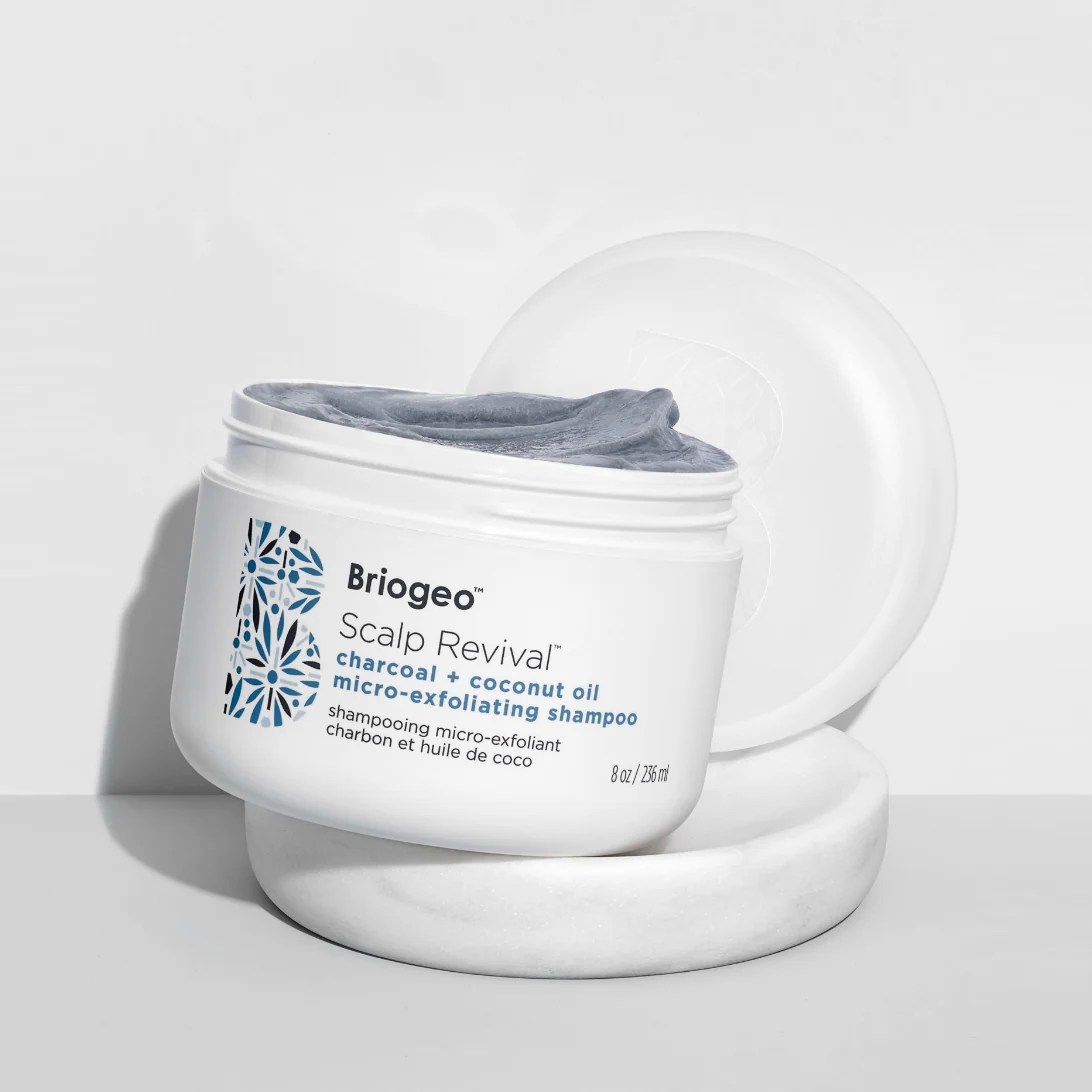
  • Use a deep conditioning treatment weekly like Briogeo Don’t Despair, Repair

    Last update on 2025-11-15 / Affiliate links / Images from Amazon Product Advertising API

  • Ditch tight or sleek ponytails and over-brushing. If your brush sounds like it’s in a fight with your hair, it probably is. Clean your boar bristle brush or wooden comb or any hair brush you prefer, but keep it clean.
  • Air dry whenever possible. If you must style, use a heat protectant.

    Last update on 2025-11-15 / Affiliate links / Images from Amazon Product Advertising API

Effective Home Remedies

  • Amla Oil Massage: Rich in antioxidants and vitamin C, amla oil boosts scalp circulation and strengthens roots. Massage 2-3 times a week, leave overnight, then shampoo gently.

    Last update on 2025-11-15 / Affiliate links / Images from Amazon Product Advertising API

  • Green Tea Rinse: Brew strong green tea, cool it, and rinse your hair post-shampoo to soothe the scalp and reduce inflammation.
  • Scalp Massage: Daily 5-minute scalp massages improve blood flow and follicle health. Use fingertips or a scalp massager tool.

Eucalyptus essential oil is very effective for thyroid related hair fall. But always dilute it with a good carrier oil, follow it up with gentle massage and hair steaming.

Last update on 2025-11-15 / Affiliate links / Images from Amazon Product Advertising API

Reduce Stress

Chronic stress affects cortisol levels, which in turn worsens thyroid imbalances and that combo often leads to accelerated shedding. Prioritize calming rituals:

  • Try yoga or meditation 10 minutes a day.
  • Get 7–8 hours of quality sleep.
  • Cut caffeine if it worsens anxiety or energy crashes.
  • Avoid excessive consumption of alcohol or smoking.

Calming your system helps your thyroid and your hair follicles chill out and do their jobs.

Ask Your Doctor About Supportive Treatments

If your hair fall persists despite thyroid treatment, your doctor may recommend:

Make Patience Your New Bestie

Hair regrowth isn’t overnight. It takes 3 to 8 months for your follicles to cycle back to growth mode once treatment begins. So don’t obsess over every strand, consistency pays off overtime. In the meantime, celebrate baby hair, experiment with scalp-friendly hairstyles, and know that this phase isn’t forever.

Rule Out Other Causes Too

If you’ve been responsibly your thyroid meds, fixed your diet, and still notice major hair fall, ask your dermatologist to investigate other possibilities:

  • Androgenetic alopecia (hereditary thinning)
  • Scalp infections or inflammation
  • PCOS, anemia, or other hormone imbalances or other causes of hair fall.

Because sometimes, it’s not just your thyroid.

Over To You

Hair fall is one of the most emotionally exhausting symptoms of thyroid dysfunction but it’s also one of the most reversible. Treat the root cause, feed your body well, pamper your scalp, and be patient. With the right care, your strands can absolutely make a comeback.

If you’re ready to take control of your thyroid-related hair fall, start with your labs, upgrade your routine, and don’t be afraid to ask for expert support. Your hair and your confidence deserve all the love, support and care you can get.

Have a lovely day!

Smart Casual Style for Corporate Women

0

Introduction

Smart Casual style strikes the perfect balance between comfort and professionalism, making it an ideal choice for the workplace. In today’s corporate environment, dressing appropriately is crucial as it reflects not only your personality but also your commitment to your role. This article explores the significance of Smart Casual attire and how personal style consultations can help corporate women achieve the perfect look.

Personal Style Consultation

Explanation of the Service

A personal style consultation is a tailored service designed to help you refine your wardrobe and enhance your overall appearance. A personal style consultant works closely with you to understand your preferences, lifestyle, and professional needs. This service provides you with personalised advice on clothing choices, ensuring that you always look your best.

How It Benefits Corporate Women

Corporate women can greatly benefit from personal styling services. Here’s how:

  1. Confidence Boost: Knowing that you look stylish and professional boosts your confidence in the workplace.
  2. Time-Saving: A personal stylist helps you build a versatile wardrobe, making daily outfit choices quicker and easier.
  3. Professional Image: Your consultant ensures your attire aligns with your career goals, helping you project the right image.

Workplace Style for Corporate Women

Appropriate Attire for Different Workplace Settings

  1. Formal Business: Suits, tailored dresses, and blouses with pencil skirts are staples. Opt for neutral colours and minimal accessories.
  2. Business Casual: Mix blouses with trousers or skirts. Blazers can add a professional touch. Incorporate colours and patterns while keeping it professional.
  3. Smart Casual: Combine casual pieces like dark jeans or chic trousers with blouses and blazers. Shoes should be polished, and accessories can be more expressive.

Tips on How to Dress for Success

  1. Know Your Environment: Understand your workplace dress code and adapt your wardrobe accordingly.
  2. Invest in Quality: Quality fabrics and well-tailored clothing make a significant difference in appearance.
  3. Accessorise Wisely: Use accessories to add personality to your outfits without overpowering them.
  4. Fit and Comfort: Ensure your clothes fit well and are comfortable, as this affects your confidence and performance.

Importance of Dressing for the Job You Want

Dressing appropriately not only impacts how others perceive you but also how you perceive yourself. By dressing for the job you want, you project ambition and readiness for greater responsibilities.

Corporate Women

Corporate women aged 36-54 are often at pivotal points in their careers, making professional appearance crucial. Smart Casual attire caters to their need for stylish yet professional outfits. STYLED BY SALLY provides personal styling services that cater to the unique fashion needs of this age group, ensuring they feel confident and look their best in any professional setting.

Book an Online Styling Session

Online Styling Session Service

STYLED BY SALLY offers comprehensive online styling services, providing personalised advice from the comfort of your home. These sessions help you understand how to maintain and style your wardrobe, ensuring you always look your best.

Enhance your wardrobe with expert advice. Book an online styling session with STYLED BY SALLY today. Visit our online styling and shopping page to schedule your session and explore our services.

Conclusion

Smart Casual style is essential for corporate women aiming to strike the right balance between style and professionalism. Maintaining a polished appearance can significantly impact your career, boosting your confidence and professional image. By utilising personal style consultations, you can ensure your wardrobe is always on point. Book a consultation with STYLED BY SALLY today and elevate your professional image.

Swap It Out: Pillow Talk by Charlotte Tilbury

0

Charlotte Tilbury’s Pillow Talk is a beautiful and iconic shade, but did you know that it is full of petrochemical binders, plastics, silicones, synthetic dyes, and conventional stabilizers?! Ugh. And, so many people say oh well, it’s a small amount but this matters more with lip products because it doesn’t just sit on our skin, we literally ingest it! Industry exposure models estimate ~20–30 mg of lipstick can be unintentionally swallowed, per day which is roughly 20–30% of what’s applied! That means what’s on your lips does contribute to your daily intake and imagine over time! From a science lens, concerns are mostly around microplastics and persistent polymers building up in the environment, potential impurities in coal-tar dyes (like heavy metals in the synthetic pigments), and antioxidant preservatives that have shown pro-oxidant or endocrine-active signals in certain in-vitro or animal data! Why risk it when there are cleaner options!?

Why I Avoid Pillow Talk Lipstick-

So now, perhaps you are wondering, what is really that bad in the lipstick? So, let’s explore! The top 5 worst offenders often found in Pillow Talk is Polyethylenea literal plastic film-former linked to environmental persistence and hormone disruptions; Polybutene improves slip and shine but is fossil-based and can carry low-level residuals from manufacturing; Dimethicone create a silky feel yet are non-biodegradable and can trap debris on skin all while drying out the lips more! Synthetic Dyes deliver that precise nude-pink tone but come from petrochemical sources and may contain trace metal impurities; BHT is an antioxidant preservative flagged by many clean brands due to endocrine-active signals in lab models alongside bioaccumulation concerns. All for some lipstick? When there are cleaner options!? No thank you Charlotte! So, what to use instead?

What Is a Cleaner Swap?

Easy! Simply line the lips with the BAIMS Lip Liner in Hibiscus and then add in a pop of the Inika Nude Pink and together it creates a super similar, just as stunning look, free of any of the yuckies above! I also love the Inika Pink Nude Lip Crayon that is super similar too! The above runs more pink so if you want something that runs a bit more nude, check out this option as well below.

In some lighting, the Pillow Talk is a lot more pinky nude so if you like something more nude, I would do the Zuzu Luxe Lip Liner in Innocence with the Inika Soft Coral Lipstick. This is another one of my go-to duos and an absolute must for anyone looking for an iconic, every day pinky nude!

In these images, I used a heavy line of the Hibiscus liner and then a pop of the Inika Nude Pink lipstick and am obsessed! I love the darker pink because it’s something different than my every day nude, especially around the holidays where we are daring to wear more color. Try it, I think you will love it and you can rest assured, it’s a WHOLE lot cleaner than your old Pillow Talk fave! Great gift idea for the glamorous girl in your life too!

10 ‘HEALTHY’ FOODS THAT ARE SABOTAGING YOUR HEALTH ~ THE MALE GROOMING REVIEW

0


10 ‘Healthy’ Foods That Are Not Actually That Healthy

Everywhere you look, health gurus and food companies are telling you what’s “good” for you. Whole grains! Low-fat! Heart-healthy! But scratch beneath the surface and you’ll find that many so-called health foods are anything but. In fact, some of the staples you’ve been told to eat daily could be quietly harming your body, spiking your blood sugar, messing with your gut, and fuelling inflammation.

Here are 10 popular “health foods” that might not be as virtuous as you think:


1. Porridge (Oatmeal)

It’s marketed as a warm, comforting, cholesterol-lowering breakfast — but porridge is far from innocent. Rolled or instant oats are high in carbohydrates that rapidly convert to sugar in your bloodstream. A typical bowl can spike your glucose levels more than a candy bar. That blood sugar rollercoaster not only leads to energy crashes but can increase insulin resistance over time.


2. Whole Wheat Bread

Swapping white bread for whole wheat is often seen as a healthy upgrade. The truth? Even whole wheat bread can cause massive spikes in blood sugar and insulin. It may contain more fiber than white bread, but it’s still heavily processed and breaks down quickly into glucose. Plus, many commercial “whole grain” breads are loaded with added sugars, preservatives, and industrial seed oils.


3. Breakfast Cereal

No matter how many heart-healthy checkmarks or whole grain labels are slapped on the box, most cereals are ultra-processed sugar bombs. Even the ones marketed as “natural” or “high fiber” are often packed with sweeteners and refined grains that digest fast and leave you hungry an hour later. A bowl of cereal is basically dessert disguised as breakfast.


4. Fruit Juice

Orange juice, apple juice, even the cold-pressed green ones — fruit juice is just concentrated sugar water. Yes, even if it’s “100% natural.” You lose all the fiber that slows down sugar absorption when you strip away the fruit’s pulp. What you’re left with is a liquid that causes rapid blood sugar spikes, which can contribute to metabolic dysfunction over time.


5. Granola Bars

A granola bar might seem like a smart snack, especially the ones with nuts and seeds. But turn the package over and you’ll often find multiple forms of sugar, inflammatory oils, and processed grains. Some bars contain more sugar than a donut. They might fill you up temporarily, but they won’t support stable energy or long-term health.


6. Low-Fat Yogurt

Yogurt used to be a nutrient-dense food — then the low-fat craze came along. When fat is removed from yogurt, it’s often replaced with sugar and artificial flavors to keep it palatable. The result? A “health food” that spikes your blood sugar and does little to keep you full. Fat helps with satiety and nutrient absorption, and without it, you’re getting the short end of the deal.


7. Plant-Based Milks (Like Oat and Rice Milk)

These dairy alternatives are often assumed to be healthier, but many of them are loaded with additives. Oat milk and rice milk in particular are extremely high in carbohydrates and often have added sugars. Oats, when processed into milk, retain none of their fiber, so you’re essentially drinking carb-heavy liquid with a misleading health halo.


8. Veggie Chips

They might look colorful and wholesome, but veggie chips are usually no better than regular potato chips. Most are deep-fried in vegetable oils and contain minimal real vegetable content. The “spinach” or “beet” is often just a powder added for marketing. You’re still getting the same inflammatory fats and processed starches — just dressed up in green packaging.


9. Agave Syrup

Touted as a “natural sweetener” with a low glycemic index, agave syrup seems like a smart alternative to sugar. But it’s mostly made of fructose — a type of sugar that doesn’t raise blood glucose immediately, but gets processed in the liver, where excess amounts can lead to insulin resistance and fatty liver disease. It’s one of the most misleading sweeteners out there.


10. Protein Shakes and Powders

Many protein shakes are marketed as essential for recovery and fitness, but take a close look: lots are filled with artificial sweeteners, emulsifiers, and gums that wreak havoc on your gut. Some protein powders also have hidden sugars or carbs, even if the label says “low carb.” And if it tastes like a milkshake, it probably behaves like one in your body, too.


Final Thoughts

Just because something has a health claim or a whole grain stamp doesn’t mean it’s good for you. The food industry is masterful at making processed junk look virtuous. The key is to look beyond the label and ask: will this keep my blood sugar stable, reduce inflammation, and support long-term health?

Most of the foods above fail that test — and cutting them out could be the best move you make for your health this year.

hair health foods