THE WHAT? The California Department of Toxic Substances Control (DTSC) has designated nail products containing more than 250 parts per million (ppm) of triphenyl phosphate (TPhP) as a priority product under the Safer Consumer Products Program and has proposed banning cleaning products containing hydrofluoric acid.
THE DETAILS Effective 1 October, manufacturers of nail coatings and nail or cuticle treatments containing more than 250 ppm of TPhP sold in California must notify DTSC and undertake an alternatives analysis to identify safer substitutes. TPhP is used as a plasticiser to improve the flexibility and durability of nail products but has been linked to liver, endocrine, developmental, neurological and reproductive toxicity. Under California’s Safer Consumer Products Program, DTSC may ultimately require manufacturers to reformulate products or remove them from the market if safer alternatives are available. Separately, DTSC has proposed prohibiting the sale of cleaning products containing hydrofluoric acid or related bifluoride compounds, citing the availability of safer alternatives and the chemical’s severe health risks.
THE WHY? The measures reinforce California’s increasingly stringent approach to chemical safety and are expected to drive reformulation, regulatory compliance and ingredient substitution across the nail care, beauty and household cleaning sectors, with potential implications for manufacturers supplying the US market.
Granny jeans and kitten heels might sound like the contents of your glamorous grandmother’s retirement wardrobe, but bear with me. Together, they make one of the chicest outfit formulas of the season.
Featured in this article:
Granny jeans are essentially the older relative of the classic mom jean. Usually high-waisted, straight through the leg and slightly relaxed without being oversized, they tend to finish around the ankle and favour clean, traditional details over rips, embellishment or dramatic shapes. Think crisp denim, neat pleats, and turned-up cuffs. In other words, jeans your impeccably dressed grandmother might wear for lunch somewhere.
Kitten heels, meanwhile, are defined by their slender, typically curved heel, which usually measures between one and two inches. I knew my frontal lobe had fully developed when I realised I had replaced the sky-high stilettos in my wardrobe with delicate, slip-on kitten heels. At the same time, I felt deep regret for allowing my grandmother to donate her collection of vintage Laura Ashley slingbacks to the charity shop before I had matured enough to realise they were practically gold dust. We live and learn.
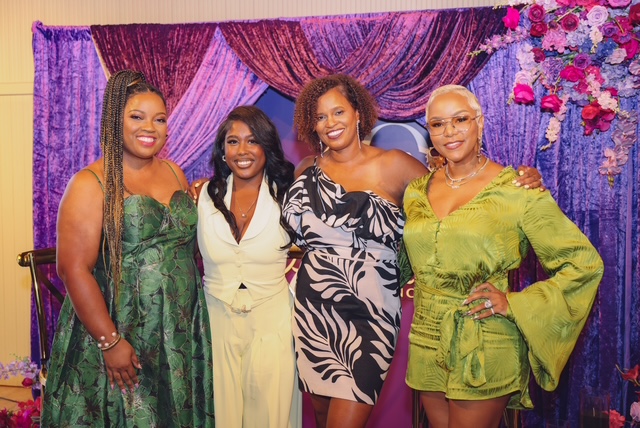
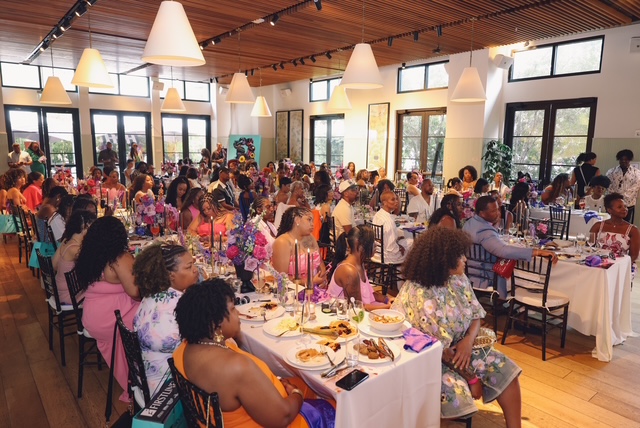
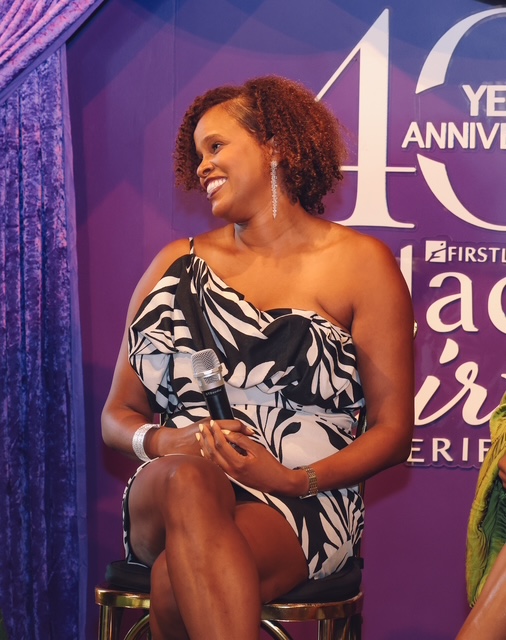
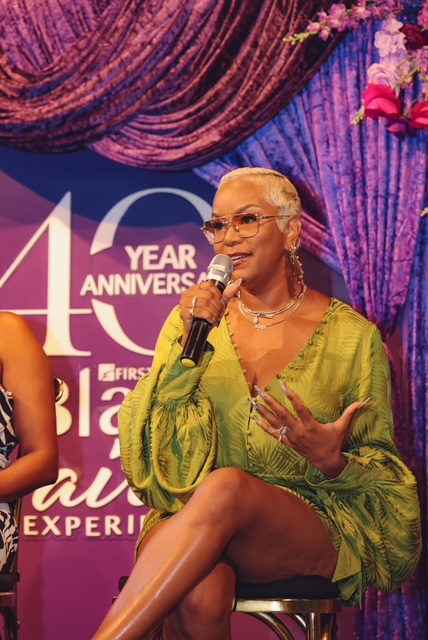
NEW ORLEANS, LA — During the excitement of ESSENCE Festival weekend, beauty professionals, entrepreneurs, celebrities, influencers, educators, and textured hair enthusiasts gathered at the elegant Hotel Saint Vincent for the Firstline Black Hairitage Experience: Bubbles & Brunch, an unforgettable celebration honoring Firstline Brands’ 40th Anniversary. The sophisticated brunch blended education, inspiration, and community while recognizing four decades of innovation and excellence within the professional beauty industry.
Hosted in an intimate setting complete with champagne, a curated brunch, engaging panel discussions, and meaningful networking opportunities, the experience reflected Firstline Brands’ unwavering commitment to serving beauty professionals and consumers with products intentionally created for textured hair. More importantly, it celebrated the rich legacy that has defined the company for the past four decades.
Photo Credit: Ryan Marrero of Marrero Production
At the heart of the celebration was Joni Odum, owner of Firstline Brands, who continues the vision established by her father, the company’s founder. For Odum, the anniversary represented much more than a business milestone, it was a deeply personal reminder of the responsibility and privilege of carrying forward a family legacy built on purpose, innovation, and service.
“I am so incredibly grateful,” Odum shared. “I cherish that I am the one who gets to carry the legacy that my father created. I know how important representation is and how important it is to leave a footprint, bridging creativity and thoughtfulness with endurance.” Joni Odum
That commitment has allowed Firstline Brands to remain relevant for 40 years while continuing to evolve with the changing beauty industry. Although social media, influencers, and content creators now play a significant role in shaping consumer purchasing decisions, Odum believes authenticity and intentionality will always distinguish brands that truly care about their customers.
The celebration attracted an impressive mix of entertainment and beauty industry tastemakers. Among those in attendance were acclaimed musician and actress LeToya Luckett-Coles, actresses Eva Marcille, Dominique Perry and Danielle LaRoach, whose presence underscored the cultural significance of the event. The brunch also welcomed influential digital creators and beauty personalities, including Helencia Williams, JaLisa Vaughn, Shaymah Ali, and Victoria Thomas, all of whom continue to shape conversations around beauty, entrepreneurship, and culture through their respective platforms. Their attendance reflected Firstline Brands’ continued ability to bridge generations by connecting established industry leaders with today’s influential voices.
When asked what message she hopes Generation Z takes away from Firstline Brands, Odum emphasized the care that goes into every product the company creates.
“I want them to understand what really goes into the development of our products. When they see us, I want them to know there is so much love, care, and intention behind creating safe products designed to make their lives better, more fun, and more beautiful.” Joni Odum
When asked what beauty represents through the lens of Firstline Brands, Odum offered a message that resonated throughout the room.
Photo Credit: Ryan Marrero of Marrero Production
“Beauty is so much more than just the physical. It is inner confidence, freedom of expression, and knowing there is nothing that you have to fix. God made you exactly how you are supposed to be, and everyone is beautiful.”
Throughout the brunch, attendees participated in thoughtfully curated conversations led by respected industry leaders discussing innovation, entrepreneurship, education, and the future of textured hair care. Celebrity hairstylist and beauty educator Le’Tova Luckett-Coles made a special appearance, offering valuable insights on building a successful career while remaining authentic in an ever-evolving beauty industry. Her perspective inspired attendees to embrace both artistry and business acumen as they continue to elevate the profession.
The event reinforced that education remains one of Firstline Brands’ core pillars. While celebrating its history, the company also demonstrated its commitment to investing in future beauty professionals through mentorship, innovation, and community-building initiatives that will continue shaping the next generation of stylists and entrepreneurs.
As guests raised their glasses in celebration, the atmosphere reflected more than just an anniversary, it honored four decades of impact on an industry that continues to thrive because of visionary leaders dedicated to excellence.
Photo Credit: Ryan Marrero of Marrero Production
Actress Danielle LaRoach shared her heartfelt perspective on the importance of preserving and celebrating Black hair culture, emphasizing why events like the Black Hairitage Experience are so meaningful.
“Black hair has always been more than just hair, it is history, identity, creativity, and resilience. It tells a story about who we are. I come from a long line of women starting with my grandmother who taught me that caring for our hair is an act of pride and self-love. As an actress, my hair is an extension of my confidence and my culture. That’s why events like Black Hairitage matter they celebrate the beauty, innovation, and legacy of Black hair while reminding us that our natural beauty has always been worthy of celebration.”
Photo Credit: Ryan Marrero of Marrero Production
In an era where trends evolve overnight, Firstline Brands has proven that longevity is built on authenticity, consistency, and purpose. By remaining committed to innovation while honoring the foundation established by its founder, the company continues to leave an enduring mark on the beauty industry.
As Firstline Brands enters its next chapter, Joni Odum’s leadership ensures that the company continues to honor its rich heritage while embracing the future. Forty years later, the brand remains a shining example that true beauty is rooted not only in exceptional products, but in purpose, representation, education, and a legacy of empowering generations to confidently embrace who they are. For the beauty industry and the communities, it serves, Firstline Brands continues to prove that Black hair is and always will be a powerful expression of identity, culture, and excellence.
From groundbreaking product innovation to authentic conversations surrounding representation, legacy, and confidence, the Black Hairitage Experience demonstrated why Firstline Brands remains a trusted leader in textured hair care after four decades. The Road to 40 campaign is more than a celebration it’s a promise to continue creating products, opportunities, and experiences that honor Black beauty for generations to come.
Photo Credit: Ryan Marrero of Marrero ProductionPhoto Credit: Ryan Marrero of Marrero Production
As part of its yearlong ‘Road to 40′ celebration, Firstline Brands unveiled a new lineup of innovative styling and maintenance products that reflect the company’s continued commitment to textured hair care and beauty innovation. The collection includes the Evolve® Triple Pro Styler + Edge Brush, Evolve® Triple Pro Styler Comb, Evolve® Carry-On Edge Brush, Evolve® XL Take-Two Bonnet, Evolve® Jet Set Scarf, WavEnforcer® Inked Fade Brush, and WavEnforcer® King Cap. These multifunctional tools were designed to simplify styling, protect textured hair, and provide practical solutions for consumers while reinforcing Firstline Brands’ legacy of creating high-quality, intentional products for the Black hair community. The new launches are part of the company’s broader Road to 40 campaign, celebrating four decades of innovation, representation, and service to multicultural consumers.
THE WHAT? The Estée Lauder Companies has disclosed that employee data was compromised following a cyberattack targeting Oracle’s E-Business Suite (EBS), prompting the company to notify current and former employees whose information may have been affected.
THE DETAILS The company said an unauthorised third party gained access to its Oracle EBS system in August 2025, exposing personal information including names, contact details, dates of birth, Social Security numbers, passport information, bank details, health records and internal HR data. Estée Lauder launched an investigation with external cybersecurity specialists, notified law enforcement and implemented additional security measures. The breach is believed to be linked to a wider campaign exploiting vulnerabilities in Oracle EBS, reportedly associated with the Cl0p ransomware group, although Estée Lauder has not confirmed the identity of the attackers. The company is offering affected employees identity monitoring and fraud protection services.
THE WHY? The incident highlights the growing cybersecurity risks facing global beauty companies that rely on third-party enterprise software, underlining the importance of supply chain security, rapid incident response and robust protection of sensitive employee and business data.
By now, you’ve heard of “Ozempic face”—the gaunt cheeks and jawline sagging that can accompany significant weight loss, including weight loss associated with GLP-1 medications. The temples, however, can be among the first places where facial volume loss becomes visible, leaving the upper face looking hollow, shadowed or older.
Ahead, dermatologists and a facial plastic surgeon explain what happens to the temples after rapid weight loss, why hollowing may show up there first and which treatments can help restore volume.
Featured Experts
Tina Alster, MD and Nina Hartman, MD are board-certified dermatologists in Washington D.C.
Paul S. Nassif, MD is a board-certified facial plastic surgeon in Beverly Hills, CA
What Happens to Your Temples After Rapid Weight Loss?
“The temple is an anatomically complex area composed of multiple layers, including deep and superficial fat pads that provide soft, youthful contour,” explain Washington D.C., dermatologists Tina Alster, MD and Nina Hartman, MD. With significant weight loss, those fat pads can shrink substantially.
“Because the temple is a relatively thin region with few other structures contributing meaningful volume, this loss can create a hollow or concave appearance, making the underlying bone, muscle and blood vessels more visible,” they explain. “The result is an upper face that often appears more skeletal, tired and aged.”
Beverly Hills, CA, facial plastic surgeon Paul S. Nassif, MD, adds that “this loss of volume can create the appearance of accelerated facial aging, even when the weight loss itself is a positive health outcome.”
Why Do Temples Hollow After Weight Loss?
“The temples are naturally a thinner area of the face, with relatively little soft tissue covering the underlying bone. Even a modest reduction in facial fat can therefore become noticeable,” says Dr. Nassif. That limited cushioning can make hollowing apparent before similar changes are obvious elsewhere on the face, explain Drs. Alster and Hartman.
Because the temples visually connect the forehead, brows, eyes and cheeks, hollowing in the area can change how light falls across the upper face and have an outsized impact on overall facial harmony, Dr. Nassif notes.
Best Treatments for Temple Hollowing After Weight Loss
Experts recommend several treatments for restoring volume to hollow temples, but the right approach depends on the individual. As Dr. Nassif notes, “treatment should always be individualized based on the patient’s anatomy, degree of volume loss and long-term goals.” A consultation with a board-certified dermatologist or facial plastic surgeon can help determine the most appropriate option.
Hyaluronic Acid Fillers
Drs. Alster and Hartman note that hyaluronic acid fillers “are the most commonly used option for mild to moderate hollowing, as they can be precisely placed within both the deep and superficial compartments of the temple to provide relatively immediate correction.”
They may be especially appealing to patients seeking a temporary, nonsurgical option. When administered by an experienced injector, hyaluronic acid filler can restore volume and improve the temple’s contour, Dr. Nassif says. Another benefit is that it can be dissolved if necessary, add Drs. Alster and Hartman.
Biostimulatory Fillers
Biostimulatory fillers are another option for addressing temple hollowing. “Rather than simply replacing volume, these treatments stimulate the body’s own collagen production, offering more gradual and potentially longer-lasting improvement,” explain Drs. Alster and Hartman. Because the effects develop over time, patients may need a series of treatments to achieve their desired results.
Fat Grafting
For patients seeking a longer-lasting option that uses their own tissue, the experts suggest facial fat grafting. “This involves transferring a patient’s own fat to restore temple volume, but it requires a harvesting procedure such as liposuction and typically involves more downtime,” explain Drs. Alster and Hartman.
“Using the patient’s own fat allows us to restore volume while maintaining a soft, natural appearance,” says Dr. Nassif. “In many cases, we also process a portion of that fat into nanofat, which can be used to enhance skin quality and overall tissue health.” Because weight loss often affects several facial fat compartments at once, he evaluates the face as a whole rather than treating the temples in isolation. Doing so, he says, helps preserve balance and facial harmony.
The EU on Monday, July 20, slapped online retailer AliExpress with a 550-million-euro (USD 630 million) fine for allowing the sale of illegal products, including unsafe toys and cosmetics.
The European Union said AliExpress also did not do enough to stop the sale of counterfeit products and that when the platform detected illegal goods were on sale, many remained online for several weeks. The EU found some of the products sold on the platform did not meet the bloc’s strict environmental and safety standards during its investigation into AliExpress launched in March 2024.
“Risks must be identified and addressed systematically to ensure consumers can safely shop online. Today, we are holding AliExpress to this standard and request it to take action,” EU tech chief Henna Virkkunen said in a statement.
It is the largest fine ever imposed under the EU’s powerful Digital Services Act (DSA), part of the bloc’s legal armoury to police big tech that entered into force in 2022. Elon Musk’s X social media platform received a 120-million-euro fine in December last year, while the EU slapped e-commerce giant Temu with a 200-million-euro fine in May.
AliExpress criticised the “disproportionate” fine, saying in an updated statement that the EU’s decision “ignores our sound risk management framework and the significant, proactive enhancements we have made”. The company added it would appeal the fine.
The EU said the amount took into consideration the nature of the violations, the impact on Europeans and the duration of the infringements.
AliExpress is the biggest Chinese e-commerce platform in the EU with 193 million users, while Asian fashion giant Shein and retailer Temu respectively have 156 million and 130 million users. The EU is AliExpress’ biggest market, a senior European official said.
Under the DSA, the world’s most popular digital platforms including social media networks and online retailers must evaluate what risks they pose and take measures to tackle the dangers.
Illegal products reappearing
The EU said AliExpress’ “overestimated the effectiveness of its system in detecting and removing illegal products”.
Millions of products would also reappear, the EU official said. And many illegal products would be recommended to users before they were removed. Those selling illegal goods were still able to remain active on AliExpress.
The platform also did not “adequately” stop the sale of counterfeit products because its mandatory “brand authorisation” system “proved ineffective and understaffed. Therefore, traders easily bypassed this”, the EU found.
The DSA is part of a strengthened legal weaponry to rein in what the EU views as Big Tech’s excesses, and fines can go as high as six percent of a company’s total worldwide annual turnover.
The EU official said the global turnover of Alibaba, AliExpress’ parent company, was 122 billion euros last year, but the fine was well below six percent of that.
AliExpress has to now pay the fine and present a plan to the EU by October 20 that includes what action it will take to tackle the breaches. If it does not comply, AliExpress risks periodic penalty payments.
Virkkunen told reporters AliExpress was “cooperating very actively” with the European Commission, the EU’s digital watchdog.
The EU has stepped up its efforts in recent years to combat what it says is unfair competition from Chinese retailers, including slapping a levy of three euros this month on cheap parcels entering the 27-nation bloc. But Virkkunen insisted the EU did not target platforms based on their origin.
“We are investigating several online platforms. So a big part of them are from the USA, many of them are from China and also from Europe,” she said.
Earlier this month, French consumer advocacy group Que Choisir Ensemble (formerly UFC Que Choisir) questioned the compliance of sunscreen products sold on the online marketplaces Temu, AliExpress, and Shein. “The findings are alarming: nine of the ten products tested were found to be non-compliant, with most failing to deliver the sun protection they claim to provide,” the association stated at the time.
What if your next wash day felt less like a routine… and more like a luxury ritual?
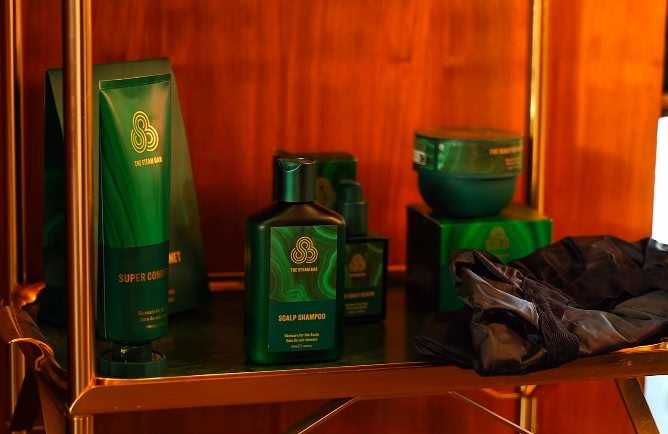
That’s exactly the question The Steam Bar set out to answer during an intimate Wimbledon-inspired afternoon hosted at The Alex Vann Experience Salon in Duluth, Georgia. Dressed in all white, creators gathered for an afternoon centered around scalp care, meaningful conversation, and a fresh perspective on what luxury haircare can look like for women with textured hair.
I’ll admit it, I expected to discover a new haircare line. I didn’t expect to leave inspired!
Photo Credit: The Steam Bar
From the moment I stepped inside Alex Vann’s salon, I understood why this space was chosen to introduce the UK-based brand to Atlanta creators. Every detail felt intentional. The atmosphere was warm without sacrificing sophistication. Conversations flowed as easily as the refreshments. And everywhere you looked, beauty wasn’t just something being sold,it was something being experienced.
If you’ve never visited The Alex Vann Experience Salonimagine the kind of place where self-care begins the second you walk through the door. It’s more than a salon. It’s the kind of one-stop beauty destination where luxury meets expertise, making it the perfect setting for a brand built around elevating the textured hair experience. That philosophy became even clearer when founder Judy Koloko took the floor.
“The Steam Bar is a premium haircare brand for people with coily, Afro and textured hair, meets a private members club. It’s an elevated hair experience like no other, where digital culture meets culture.”
It’s a bold statement but after hearing her story, it made perfect sense.
Before launching The Steam Bar, Judy Koloko spent years working in luxury fashion, representing some of the world’s top photographers, stylists, and creatives. Traveling the world exposed her to incredible beauty experiences, but she repeatedly noticed something missing: premium spaces intentionally designed for textured hair.
Instead of waiting for someone else to create that experience, she built it herself!
After leaving her career during the pandemic, Judy spent years researching and developing what would become The Steam Bar. Just two years after launching, the brand has already reached milestones many companies spend decades chasing. The Steam Bar became the first textured-hair brand to launch inside Selfridgesearned a place in the 2024 Sephora Accelerate program as the first British brand selected, and officially launched on Sephora.com on April 1, 2026. Not bad for a company that’s still in its infancy.
What makes The Steam Bar different isn’t just its sleek branding, it’s the philosophy behind every product. Judy encouraged us to think about our scalp the same way we think about skincare. Because your scalp is skin. That simple reminder completely reframed the conversation. Instead of focusing only on styling, The Steam Bar prioritizes cleansing, hydration, and maintaining a healthy scalp microbiome using skincare-inspired ingredients like hyaluronic acid, glycerin, probiotics, and inulin. Then there’s the brand’s signature ritual: steaming.
Whether you’re relaxing beneath a professional salon steamer or using one of the brand’s at-home steaming caps, the goal goes beyond healthy hair. It’s about creating intentional moments to slow down, reset, and care for yourself while caring for your crown. Honestly, it felt like the beauty industry’s answer to “girls just want to have fun.” Luxury fun! Not because of over-the-top décor or extravagant giveaways but because everyone in the room was simply enjoying beauty together. Learning. Laughing. Connecting. It reminded me that hair appointments have always been about more than hair. They’re where stories are shared, confidence is restored, and community naturally forms.
Then came the moment that shifted the room.
Judy Koloko shared the deeply personal reason behind everything she’s building. Her daughter suffered a brain injury as an infant and now lives with complex medical needs. While growing The Steam Bar is an incredible accomplishment, Judy revealed that her ultimate dream is to build a care home that will one day become her daughter’s legacy.
Suddenly, this wasn’t just another founder story. It became a story about purpose.
Photo Credit: The team Bar
Guests left with The Steam Bar’s Scalp Saviour Maskbut I think everyone walked away carrying something even more valuable: a reminder that the brands we choose to support often represent dreams much bigger than the products themselves.
Before the afternoon ended, Judy challenged creators to intentionally support Black-owned businesses. Not just through words, but through action. It’s a message that couldn’t have felt more timely. Representation on shelves like Sephora doesn’t happen by chance. It happens because communities decide those brands deserve to thrive.
If my afternoon with The Steam Bar taught me anything, it’s that luxury and textured hair no longer have to exist in separate conversations. They’re finally sharing the same table!
Where to Experience The Steam Bar
Ready to begin your own scalp-care ritual?
The Steam Bar collection, including the Scalp Saviour Maskis available online at Sephora.com. If you’re in the Atlanta area, you can also shop the collection in person at The Alex Vann Experience Salonwhere guests can experience the brand in the luxury setting that perfectly complements its scalp-first philosophy.
The Alex Vann Experience Salon 3296 Summit Ridge Parkway, Building 1900 Duluth, GA 30096
Stay connected with The Steam Bar by following @thesteambar on Instagram.
For our UK readers, you can also shop The Steam Bar in-store at @theofficialselfridgesand our South African beauty lovers can find the collection at @woolworths_sa. Because supporting Black-owned beauty brands isn’t just about purchasing exceptional products, it’s about investing in visionary founders, celebrating community, and helping build the legacy they imagine for generations to come.
Heads up: some links in this article are affiliate links, and I may earn a small commission if you buy through them, at no extra cost to you. It never changes what I recommend.
RRP £17.33 (500ml) Escentual at time of writing; RRP £26. The buy card shows this week’s live price.
Thick as butter, sinks like water, and it leaves zero greasy slug-trail. The barrier balm I’ve repurchased six times over.
What’s good
Genuinely thick and cushioning, yet sinks in with no greasy film, so no slug-trail on door handles, phone or keyboard
Rebuilds a compromised barrier and takes the itch out fast (ceramides NP/AP/EOP, cholesterol, phytosphingosine, glycerin)
Fragrance-free and simple enough for angry, eczema-prone or dermatitis-flared skin
Works on face, hands and body, and a little goes a long way
The 500ml pump lasts for months and is easy value from Escentual
What I’d change
The pump bottle is genuinely ugly, no match for a bathroom you’ve styled around Aesop or Perfumer H
So thick it won’t decant into a nicer dispenser, and there’s no refill pouch
You’re left scraping the last inch out of the pump (a few wiggles of the nozzle gets it moving)
If your skin gets so dry it itches, cracks or flakes, the honest job of a balm is simple: seal it, calm it, and don’t leave you coated in grease for the next hour. Bioderma’s Atoderm Intensive Baume is the one I’ve come back to six or seven times, and the reason is that rare pairing of very thick and completely non-greasy. It’s a fragrance-free, ceramide-loaded balm built for atopic, eczema-prone and dermatitis-flared skin, and after trying what feels like every French pharmacy brand going, it’s the one that stuck. My verdict up front: 5/5, and a permanent fixture by every sink in the house.
I use it to keep hand dermatitis in check. Mine is managed with methotrexate, but without something topical the skin on my hands still flares, and this is what keeps the barrier calm between washes. If you’ve read about what CeraVe did for my eczema-prone skin, this is the richer, more occlusive step for when things get properly dry.
First impressions and texture
The texture is the whole story. It’s like cold butter, dense enough to stand up on the back of my hand, but it breaks down and sinks in within a minute rather than sitting there. That matters more than it sounds. Most balms this rich, including the emollients I get on prescription, can leave me walking around like a slug, smearing grease onto door handles, my phone and my keyboard for the next half hour. This one doesn’t. It disappears into the skin and leaves a soft, cushioned finish, not a film.
It’s genuinely fragrance-free, so there’s no perfume and no “cream” smell to sting broken or reactive skin.
My only real gripe is the bottle itself. It’s functional but genuinely ugly, and if you’ve styled your bathroom around sleek black Aesop or Perfumer H pumps, this thing sticks out. It bothered me enough that I 3D-printed a case for mine. It helps, but I still wish Bioderma offered a refill pouch, both so I could refill this pump and, ideally, decant it into something I actually like looking at.
The pump is ugly enough that I 3D-printed a case for mine.
What’s actually in it
Strip away the marketing and this is a well-built barrier balm. The part that earns the money is the trio of skin-identical lipids: ceramides NP, AP and EOP, plus cholesterol and phytosphingosine. Those are the actual building blocks of a healthy skin barrier, and putting them back is exactly what dry, atopic skin is missing. Glycerin sits high up as the humectant that pulls in water, and the occlusive base (mineral oil, sunflower and canola oils, behenyl alcohol) is what seals that water in. Mineral oil gets an undeserved bad name here: it’s a safe, effective, non-irritating occlusive, and it’s a big part of why this can be so rich yet leave no greasy film.
The rest is supporting cast. Bioderma badges its mannitol, xylitol and rhamnose as “Skin Barrier Therapy”, with zinc gluconate and Laminaria ochroleuca extract for soothing. They’re perfectly reasonable inclusions, but be clear-eyed: the lipids, glycerin and occlusion are doing the heavy lifting, and the sugars are more supporting story than hero. The full INCI is in the specs below.
What Bioderma claims
Bioderma calls it “ultra-soothing”, anti-itching and lipid-replenishing, for skin with an atopic tendency, and promises immediate and lasting comfort via its patented Skin Barrier Therapy. Taken as a cosmetic claim, that’s fair. Sealing and soothing a dry, itchy barrier genuinely does calm the urge to scratch, and I feel that within minutes. Where I’d add the caveat is the word “anti-itching”: it’s a moisturiser, not a medicine, so it soothes the dryness that drives the itch rather than treating any underlying condition. For that, you need what your doctor prescribes. As the topical comfort layer, though, the claims hold up.
How to use it
Smooth it onto clean skin, ideally while it’s still slightly damp after a shower or a hand-wash, which traps more water underneath. Use it as often as your skin needs, at minimum morning and night on the dry areas. A little goes a long way, so resist the urge to over-apply. It’s fine on the face if you want the richness, and it’s excellent on hands and elbows. My routine is simple: one by every sink, reapplied to my hands after every wash, and a proper layer on hands and elbows after every shower. If you have active eczema or dermatitis, use it alongside, not instead of, anything you’ve been prescribed.
Does it actually work?
Yes, unreservedly, for me. On hands and elbows after every shower, and on hands after every wash, it keeps my dermatitis-prone skin comfortable and stops the itch and tightness taking hold. Six or seven repurchases is the honest measure of that. It won’t cure an atopic condition and it isn’t magic, but as the topical half of a routine (mine sits alongside methotrexate) it does exactly what a barrier balm should: rebuild, seal, soothe, and then get out of the way without coating everything you touch.
How it compares
I’ve worked through the French pharmacy line-up looking for this exact combination of thick-but-not-greasy, and the only thing I’ve found that genuinely matches it is Eucerin AtoControl Calming Balm, which is my back-up on the rare occasion Atoderm is out of stock. Against the other usual names: CeraVe Moisturising Cream is good value and ceramide-rich but lighter and less cushioning; La Roche-Posay Lipikar Baume AP+M is the closest big-brand rival and genuinely excellent, just with a touch more slip; E45 and basic emollients will seal but leave you greasy, which is the exact thing Atoderm avoids; and Aveeno is fine for mild dryness but out of its depth on true atopic skin. For very dry, itchy, barrier-compromised skin, this is the one I keep buying.
Key specs
Size
500ml (also sold in 200ml)
Format
Ultra-soothing balm / rich body & face moisturiser (pump)
Best for
Very dry, irritated, itchy skin with an atopic (eczema-prone) tendency
Is Bioderma Atoderm Intensive Baume good for eczema?
Yes. It’s built for atopic, eczema-prone skin: ceramides, cholesterol and phytosphingosine to rebuild the barrier, plus glycerin and soothing sugars, all fragrance-free. I use it to keep hand dermatitis calm between flares. It’s a cosmetic moisturiser rather than a medicine, so use it alongside anything your GP or dermatologist has prescribed, not instead of it.
Can you use Atoderm Intensive Baume on your face?
Yes, it’s fine on the face as well as the body. It’s rich, so it suits dry or dehydrated skin best. If you’re oily or blemish-prone, keep it to the drier areas rather than slathering it everywhere.
How is the Baume different from the Atoderm Creme?
The Baume is the thicker, more occlusive balm aimed at very dry, itchy, atopic skin. The Creme is a lighter everyday moisturiser for skin that’s merely dry. If yours cracks, flakes or itches, the Baume is the one to reach for.
How often should you use it?
As often as your skin needs it, at least morning and night on dry areas, and after every shower or hand-wash on slightly damp skin to trap the moisture. I keep one by every sink and reapply to my hands each time I wash them.
I’ve never been a big eye cream person. I just felt like my facial creams were enough, but the more I age, the more I realize the under-eye is a lot more delicate than we have been told; it needs extra care! I recently learned that our face cream is formulated for the rest of your face, and the under-eye area is just built differently. That skin is some of the thinnest on your entire body, and what really was wild was to learn that it barely produces any of its own oil! The under-eye is also low on the collagen and elastin that keep the rest of your face bouncy, especially as we age. On top of that, we blink 15,000 to 20,000 times a day, and all that motion adds up to deeper fine lines. Face cream just isn’t made to handle that combination of thin, dry, low-collagen skin that’s moving constantly, which is exactly why fine lines tend to show up there first. Once I understood that, eye cream became a must! This is your reminder not to skimp on the eye cream. Here are 5 of my favorite non-toxic eye creams, of course, for all budgets. To view all of our faves, click here.
This Scentual Aroma Firming Eye Cream takes the top spot because of one ingredient: bakuchiol (from psoralea corylifolia, also called bakuchi seed oil). Bakuchiol is a plant-based retinol alternative that’s been studied for delivering similar collagen-boosting, line-smoothing results as traditional retinol, without the irritation retinol is known for around the eyes. That’s a big deal in an area this thin and reactive. It’s paired with caffeine and green tea for depuffing and antioxidant protection, probiotics (lactobacillus ferment lysate) to keep the area calm and balanced, and Kakadu plum, which has roughly 10 times more vitamin C than an orange, for serious brightening power.
Best For- It’s one of the only creams on this list giving you an actual retinol-alternative active, so if you want visible anti-aging results without traditional retinol’s side effects, this is the one for you, plus, it’s tinted yellow to brighten!
#2: Earth Harbor Aqua Aura Peptide Awaken Eye Cream $26
Peptides are one of the most well-researched ingredient categories for firming and collagen support, and this Earth Harbor Aqua Aura Eye Cream leans on marine peptides plus a naturally derived collagen nutrient (yeast extract) to do exactly that. Coffee caffeine wakes up tired eyes and visibly brightens, while blue tansy oil (which gives the cream its signature blue-green tint) helps blur dark circles and discoloration on contact. Snow mushroom extract and hyaluronic acid deliver deep hydration, and a blend of superfruit oils rounds out the antioxidant protection. In total, it’s built with 15 botanical actives.
Best For: Anyone on a budget wanting high performance! Peptides plus a genuinely low price point make this the best effectiveness-to-cost ratio on the list. It also layers seamlessly under makeup without pilling or greasiness. 98% of users reported instantly hydrated eyes, 95% saw a brighter eye area, and 95% saw fewer eye-area lines and wrinkles.
#3: INIKA Organic Phytofuse Renew Eye Cream $61
The hero ingredient in this Inika Organics Renew Eye Cream is resveratrol, a polyphenol-rich antioxidant from grapes that’s well known for supporting collagen production and neutralizing free radicals. It’s paired with Rose of Jericho extract (a “resurrection plant” known for rehydrating itself even after being fully dried out), which works alongside olive-derived squalane and grapeseed oil to shield skin from pollution and UV damage. The formula comes in a sugarcane bio-resin tube with a built-in cooling ceramic applicator tip, so the de-puffing starts the moment you apply it, no fingers needed. It’s 100% natural, vegan, and organic, and the brand notes it’s free of added synthetic hormone-disrupting chemicals.
Best For- Anyone who wants a built-in de-puffing tool along with their antioxidants; it’s the only formula on the list with a cooling ceramic applicator, so it does double duty as a mini facial tool the others can’t match.
What Most People Say
In INIKA’s own clinical trial, the formula was shown to decrease dark circles by 8% in just 7 days, with 97% of trial participants saying their skin looked visibly brighter after a week of regular use.
The Agent Nateur Holi Glow is a gel-serum, not a cream, and that texture is the whole point. It glides on cool, then settles into a silky balm finish that plumps and hydrates both the under-eye and lip area. Sodium hyaluronate (a bioavailable form of hyaluronic acid) draws water into the skin for instant plumping, while caffeine and daisy flower extract work together to brighten dark circles and depuff. Cucumber extract, lavender water, and rice bran calm the area, and pitaya (dragon fruit) extract brings in vitamin C for antioxidant protection. Pearl powder finishes it off with a soft-focus glow. Plus, this smells SO good, like fresh, fruity cucumber.
Best For-Anyone who wants their eye treatment to double as a lip treatment; it’s the only formula on the list built for both areas, so it replaces two products instead of one. It also works as a makeup primer of sorts; you can tap it over the outer under-eye area before or after makeup for a natural highlighter effect!
#5: Om Organics Bilberry Eye Cream $43
This Om Organics Bilberry Eye Cream is more of a true eye cream than a balm, which means it absorbs fast and layers well under makeup! Its signature ingredient is purely pressed bilberry extract, which gives the product its natural pink hue and delivers antioxidant activity to fight fine lines, puffiness, and dark circles. Tucuma seed butter adds antioxidant polyphenols along with fatty acids that moisturize and protect, while marula oil and squalane round out the hydration. Prickly pear seed oil and pomegranate extract add another layer of antioxidant support. This is another great one if you want something great for under makeup, as the others can be a bit more slippery.
Best For- It’s the most makeup-friendly texture on this list; it’s rich enough to hydrate but light enough not todisrupt concealer application. It’s also a great gentle daily option if your skin doesn’t tolerate actives well.
I carry a ton of other clean eye creams, but these are some of our best sellers to help you choose. You can also always book a FREE consult with our holistic Esthetician to help you pick out the perfect eye cream for your skin and goals. You can book your consult here.
Curious about the order of application? Here is the proper order; you always work lightest to heaviest.
Cleanser, toner, serums, eye cream, face moisturizer, SPF.
To add any of these eye creams to your cart, click here.
Let’s start with endophytol, a new trademarked ingredient derived from dandelion extract: “It’s a very nice anti-inflammatory,” Lynch says, noting that reports of skin irritation from the original CEF are what inspired the company to look into anti-inflammatory ingredients that might pair well with the existing mix. “If [a customer was] getting a little bit of that redness, a little bit of that irritation, they might see a slight mitigation of that [with the updated formula].”
This is potentially huge news for the group of people whom I can anecdotally confirm find the old formula is too harsh for their skin. “If endophytol helps with inflammation, as it claims, it would be a fantastic addition to the formula considering pure ascorbic acid formulas tend to be irritating for many,” Perkins says. “This would signal to me that they are listening to their consumer feedback and improving their formula in ways that would make it both more efficacious and more friendly to use.” (SkinCeuticals’ research team has conducted in vitro ingredient studies on endophytol, but they will not have results of those studies until closer to the end of this year or early next year.)
New Ingredient: Carnosine
The second new ingredient is carnosine, another antioxidant and dipeptide that Perkins says—unlike endophytol—has been used in skin care for a while. “Simply put, it can help reduce the appearance of fine lines and wrinkles,” she explains, noting that the addition “aligns with the longevity trend booming in the skin-care space right now.” (See? Inescapable.)
Lynch says they added carnosine to the already antioxidant-packed formula after realizing that “vitamin C is maybe not the best ingredient to fight glycation,” a natural process that can lead to early signs of aging, like the aforementioned fine lines and wrinkles, as well as skin sallowness. “We think carnosine is a really great ingredient for this,” Lynch says. Vitamin C, he adds, also helps improve the appearance of fine lines and wrinkles, but its real strength is in brightening and combatting discoloration. The addition of carnosine is meant to complement the ascorbic acid for even more noticeable results.
Scent and Texture Differences
While our editors believe there’s a slight difference in the texture and scent of the new formula, Lynch says loyal customers should expect them to be about the same. Of the texture—a rich-but-lightweight liquid that feels quite hydrating for a serum—Lynch says, “It’s going to be very similar to all our consumers. I think they’ll enjoy it.”
The legendary hot-dog scent isn’t going anywhere, either, because as Lynch says, it comes from the blend of ingredients in the original formula, which isn’t being eliminated.
Packaging Differences
There is no visible difference in the new packaging: CEF will still come in an amber, 1-ounce bottle with a dropper applicator. The new label is exactly the same as the original, with no special mention of the two new ingredients anywhere other than the ingredient list.
That’s it! Otherwise, the product—and the price point of $185—remains the same. “It was really a challenging project,” Lynch says of trying to update the product without disappointing hoards of loyal fans. “I’m really proud of the way we were able to keep the essence of the original formula.”