Home Blog Page 275

Trespasses’ Gillian Anderson & Lola Petticrew On Shame-Free Sex Representation

0

Bestselling novel Trespasses depicts a “forbidden love” story across the divide of Catholics and Protestants during the Troubles in Belfast. Now, Louise Kennedy’s gorgeous novel has been adapted into a four-part Channel 4 TV series, with Irish rising star Lola Petticrew playing protagonist Cushla and none other than screen queen, the ultimate Sex Education mother and Scoop star Gillian Anderson playing her “glorious wreck” of a mother, Gina.

Filmed in Belfast, we see young school teacher Cushla fall for married Protestant barrister Michael (Tom Cullen) and pursue a passionate extramarital affair with him across enemy lines. When she’s not risking her life for love, she cares for her alcoholic mother Gina (Anderson), who is grappling with grief and mental health issues.

Kennedy, who is also an executive producer, asked Gillian on board over dinner. “Louise actually asked me, she says, after she was ‘emboldened by a couple glasses of wine’, when I had a meal with her, whether I’d play Gina,” Gillian recalls.

Peter Marley / Channel 4

Lola (who identifies as non-binary) previously played real-life IRA volunteer Dolours Price in explosive TV series Say Nothingand can also be spotted in the opening scene of #MeToo movie She Said playing a terrified victim of sexual abuse. They are a perfect example of the “green wave” of acting talent coming from Ireland, a concept entering public discourse again after the success of Netflix’s House of Guinness.

Both Lola and Gillian clearly thrive in telling the most important of stories, and Trespasses is no exception – a torrid, compelling love story set during conflict that still exists in its own way today.

Glamour sat down with them to talk telling Irish stories, the importance of shame-free sex scenes and depicting a complex mother-daughter relationship on screen.

Glamour: Lola, this is your second big project telling a story during The Troubles after Say Nothing – tell me a bit about what this means to you?

Lola: It’s an incredible privilege for me as an Irish person to be able to do that. There was a time when I was in drama school and I panicked that I would never get work because of my accent. So anytime I get to do something in my own accent and something that’s about home, it feels like a privilege to me.

Tie dye your tips with this nail art tutorial and sneak peek from “Pretty Hands and Sweet Feet”! | Chalkboard Nails

0

Hey friends! Today I have a sneak peek into one of the tutorials that I contributed to our new nail art book, Pretty Hands and Sweet Feet. This design, as well as 20+ additional designs, can be found within its beautiful, full color pages.

I first tackled tie-dye nails WAY back in 2013 with my Rodarte-inspired design, but figured it was time to do a classic rainbow version, too.

I suggest using neon polishes for this look (I used the China Glaze Electric Nights collection) because they usually have a semi-sheer consistency that helps blend all of the colors together nicely. Plus, who doesn’t love a good neon?

Tie dye nail art tutorial by @chalkboardnails

Start with a white base, and then use a medium length striper brush to add dashes of color spiraling out from the center of your nail. I began with my yellow shade, and then continued to build out the colors on either side of it (sticking with rainbow order, of course!). Don’t forget a layer of topcoat to smooth out and protect your design.

This look is pretty simple to achieve, and the less precise you are, the more tie dyed it will look! So just have fun with it!

If you want to pick up PH&SF for a nail art lover or young adult DIY-er in your life, it is available for purchase now wherever books are sold. Here are links to some of the places that you can nab it:

How Do I Know If My Acne Is Hormonal?

0

Understanding Hormonal Acne

What is Hormonal Acne?

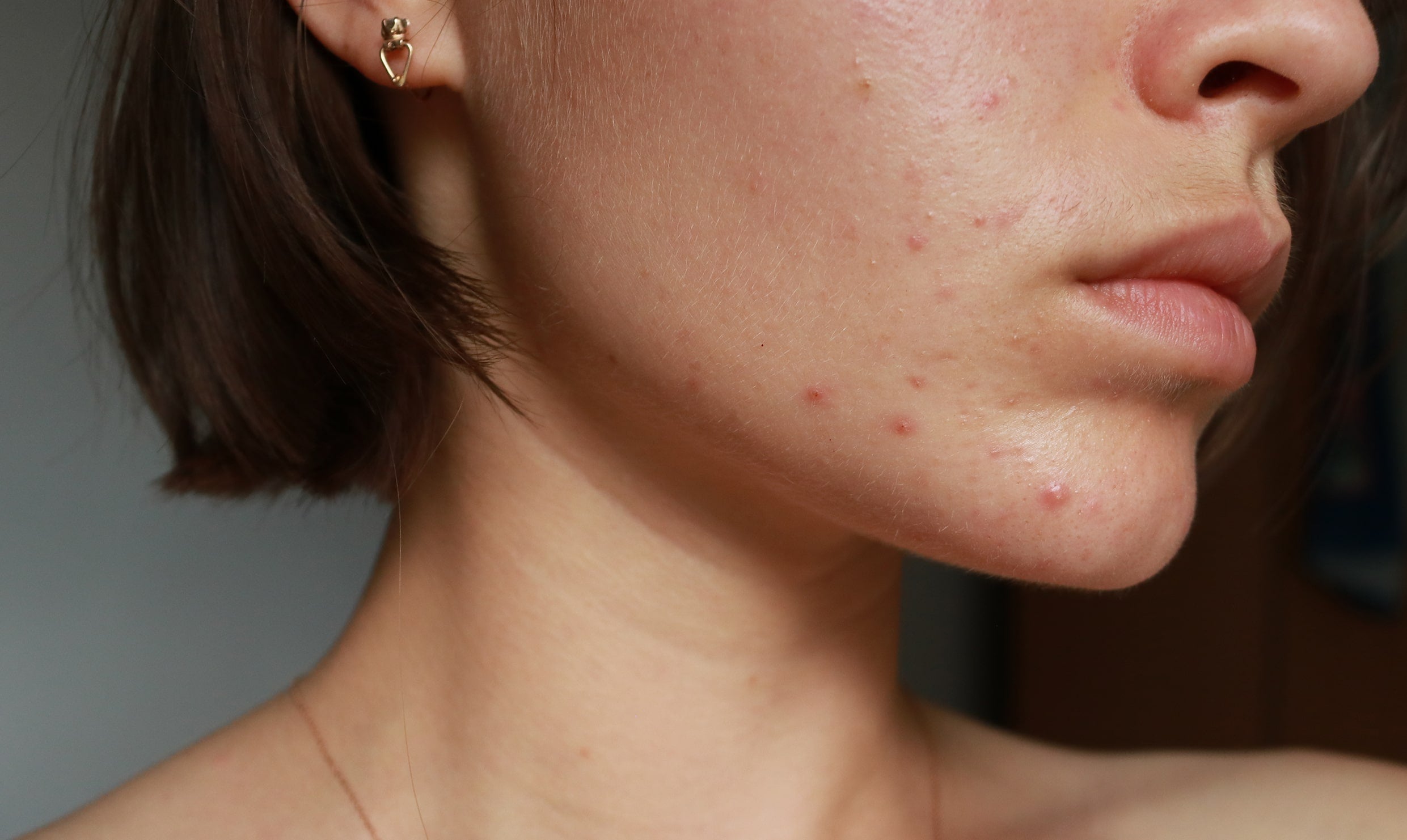
Hormonal acne is a type of acne driven by fluctuations in hormone levels, particularly androgens, which increase oil production in the skin. Unlike teenage acne, hormonal acne primarily affects adults and often presents as deep, painful cysts on the lower face, jawline, chin, and neck. There are multiple potential causes of acne in adultssuch as a hormonal imbalance and lifestyle factors. This type of acne breakout can be persistent and challenging, requiring targeted treatments to manage effectively.

Hormonal acne is distinct from other types of acne in both its cause and appearance. It’s typically characterized by deep, inflamed cysts that can be painful and take longer to heal. These breakouts often recur in the same areas and can leave behind acne scars if not treated properly. Understanding the nature of hormonal acne is the first step in effectively managing and treating it.

Why do I have Hormonal Acne?

Hormonal Imbalances

Hormonal imbalances are the primary cause of hormonal acne. Fluctuations in hormone levels, such as those caused by menstrual cycles, pregnancy, or conditions like polycystic ovary syndrome (PCOS), can trigger excess oil production. This oil can clog hair follicles and mix with dead skin cells, creating an environment where acne-causing bacteria thrive.

Lifestyle and Environmental Factors

Lifestyle choices and environmental factors can also contribute to hormonal acne. Stress is a significant trigger, as it can lead to increased cortisol levels, which in turn can cause hormonal imbalances. Additionally, diet plays a crucial role; consuming high amounts of sugar and dairy can exacerbate hormonal fluctuations. Environmental pollutants can further irritate the skin, leading to breakouts.

Identifying Hormonal Acne

Signs Your Acne Is Hormonal

If you’re wondering, “How do I know if my acne is hormonal,” look for these signs:

  • Timing of breakouts: Hormonal acne often correlates with your menstrual cycle, appearing or worsening a week before your period.
  • Acne location: Breakouts are primarily along the lower face, jawline, and neck.
  • Cystic nature: The pimples are often deep, painful, and filled with pus, unlike the superficial whiteheads or blackheads.
  • Resistant to traditional acne treatment: Standard over-the-counter treatments for teenage acne might not be effective for hormonal acne, necessitating more specialized approaches.

Differences Between Hormonal Acne and Other Types of Acne

Understanding the differences between hormonal acne and other types can help in choosing the right treatment:

  • Teenage Acne: Typically appears on the forehead, nose, and upper cheeks. It’s often due to excess oil production and clogged pores during puberty. This type of acne is usually easier to treat with over-the-counter products containing salicylic acid or benzoyl peroxide.
  • Bacterial Acne: Caused by an overgrowth of acne-causing bacteria, leading to inflamed pimples and pustules. It can occur anywhere on the face and body. Bacterial acne often responds well to topical or oral antibiotics, which reduce inflammation and bacterial levels.
  • Fungal Acne: This type of acne, caused by an overgrowth of yeast, usually appears as small, uniform pimples and can be itchy. It often occurs on the chest, back, and shoulders. Fungal acne requires anti-fungal acne treatment rather than typical acne medications, which can sometimes worsen the condition.
  • Cystic Acne: Cystic acne is a severe form of acne that results in large, inflamed cysts filled with pus. This type of acne is often painful and can cause significant acne scarring. While cystic acne can be a form of hormonal acne, it can also occur due to other factors such as severe bacterial infections. Treatment often requires stronger medications, such as oral antibiotics, isotretinoin, or hormonal therapies, to reduce inflammation and prevent new cysts from forming.

Hormonal acne is often confused with bacterial or cystic acne, but the key differentiator is the timing and location of breakouts. While bacterial acne can appear anywhere and is usually superficial, hormonal acne tends to be deeper and more painful, often clustering around the jawline and lower face. Cystic acne, on the other hand, can be a more severe manifestation of hormonal acne or occur due to other severe bacterial infections, requiring more intensive treatments.

Treatment Options for Hormonal Acne

Effectively treating hormonal acne requires a multi-faceted approach:

Topical Treatments

Products containing salicylic acid or benzoyl peroxide can help reduce inflammation and kill acne-causing bacteria. Salicylic acid works by exfoliating the skin and keeping pores clear, while benzoyl peroxide targets and eliminates bacteria. Topical retinoids, derived from vitamin A, are also effective in unclogging pores and promoting skin cell turnover.

Oral Medications

For more severe cases, oral medications may be necessary. Birth control pills can regulate hormone levels and reduce breakouts in women. Anti-androgen drugs, like spironolactone, can block the effects of androgens, reducing oil production and preventing acne. Oral antibiotics are sometimes prescribed to reduce inflammation and bacterial growth.

Hormonal Therapy

For women experiencing a severe hormonal imbalance, hormonal therapy can be an effective option. This may include anti-androgen drugs or hormone replacement therapy, which can help stabilize hormone levels and reduce acne.

Dietary Adjustments

It’s important to be mindful of your diet when managing hormonal acne. Here are some tips for a diet for hormonal acne:

  • Eat anti-inflammatory foods: Foods rich in omega-3 fatty acids, such as salmon, flaxseeds, and walnuts, can help reduce inflammation.
  • Incorporate antioxidants: Berries, green tea, and dark chocolate are high in antioxidants, which can help protect your skin from damage.
  • Stay hydrated: Drinking plenty of water helps to flush out toxins and keep your skin hydrated.
  • Avoid high-sugar foods: Foods with high sugar content can spike insulin levels, leading to hormonal imbalances and breakouts.
  • Limit dairy intake: Some studies suggest that dairy can exacerbate acne in some individuals.
  • Cut back on processed foods: Processed foods often contain unhealthy fats and sugars that can contribute to inflammation and acne.

Stress Management

Incorporating stress-reducing activities like yoga, meditation, and regular exercise can help keep hormone levels balanced. Stress management is crucial because high stress levels can trigger hormonal imbalances that lead to acne.

Preventive Measures

Skincare Tips

Adopting a consistent skincare routine for hormonal acne is crucial in prevention:

  • Gentle Cleansing: Use a mild, non-comedogenic cleanser twice a day to remove excess oil and impurities.
  • Targeted Treatments: Incorporate products with ingredients like salicylic acid and topical retinoids to unclog pores and reduce inflammation.
  • Hydration: Keep your skin hydrated with a light, oil-free moisturizer to maintain a healthy skin barrier.
  • Exfoliation: Regular exfoliation with gentle products can help remove dead skin cells and prevent clogged pores. Avoid harsh scrubs that can irritate the skin and worsen acne.

Lifestyle Changes

Making certain lifestyle changes can also help manage hormonal acne:

  • Diet: Monitor your intake of dairy and sugary foods, and consider incorporating more whole foods and antioxidants into your diet. Foods rich in omega-3 fatty acids, such as fish and flaxseeds, can help reduce inflammation.
  • Stress Management: Practice stress-reducing activities like yoga, meditation, or regular exercise to keep cortisol levels in check.
  • Sleep: Ensure you get enough restful sleep, as poor sleep can affect hormone levels and contribute to acne.
  • Hygiene: Keep your hair and hands clean to prevent transferring oils and bacteria to your face. Change your pillowcases regularly and avoid touching your face.

Discover Kate Somerville Products for Hormonal Acne

At Kate Somerville, we understand the unique challenges of managing hormonal acne. Our range of expertly formulated products is designed to help you achieve clearer, healthier skin by addressing the root causes of breakouts. Here are some of our top recommendations for an effective skincare routine:

EradiKate™ 3% Sulfur Daily Foaming Cleanser

Our EradiKate™ 3% Sulfur Daily Cleanser is a powerful yet gentle option for both morning and evening routines. This cleanser features 3% sulfur, which helps to clear acne blemishes and prevent new ones from forming. Sulfur is known for its anti-inflammatory and antibacterial properties, making it ideal for targeting hormonal acne. The foaming formula deeply cleanses pores, removes excess oil, and leaves your skin feeling fresh and balanced.

Goat Milk Cleanser

For a more soothing and hydrating cleanse, try our Goat Milk Cleanser. This gentle formula is perfect for sensitive skin prone to acne. It’s enriched with natural goat milk, which provides essential proteins and nutrients to soothe and moisturize your skin. Use it in the morning and evening to remove impurities and maintain a healthy skin barrier without stripping your skin of its natural oils.

+Retinol Vita C Power Serum Firming and Brightening Treatment

To combat the signs of aging and improve skin texture, incorporate our Vita C Firming and Brightening Retinol Treatment into your nighttime routine. This potent serum combines the benefits of retinol and vitamin C to promote cell turnover, reduce the appearance of fine lines, and brighten your complexion. Retinol helps to unclog pores and prevent acne, while vitamin C provides antioxidant protection and improves skin tone. Use this serum at night to wake up with refreshed, rejuvenated skin.

Oil Free Moisturizer

Keeping your skin hydrated is crucial, even if you have acne-prone or oily skin. Our Oil Free Moisturizer is lightweight and non-comedogenic, making it an excellent choice for morning and evening use. It provides essential hydration without clogging pores or leaving a greasy residue. This moisturizer helps to balance oil production and maintain a smooth, clear complexion.

Illuminating SPF 50+ Drops

Sun protection is a vital part of any skincare routine, especially when using products like retinol that can increase your skin’s sensitivity to the sun. Our Illuminating SPF Drops offer broad-spectrum protection against UVA and UVB rays while also providing a luminous finish. These drops can be mixed with your moisturizer or applied directly to the skin for a lightweight, non-greasy shield that protects and enhances your skin’s natural glow.

By incorporating these expertly formulated acne skincare products into your daily routine, you can effectively manage hormonal acne and achieve clearer, healthier skin. Trust Kate Somerville to provide the solutions you need to address your skin concerns with confidence and expertise.

Sources:

What to Expect and Why It Matters – Medical Grade Skincare and Sugaring Hair Removal

0

In a desert town like Tucson, where the sun beats down nearly year-round, skin isn’t just a matter of looks -it’s a matter of protection, health, and confidence. If your concerns include dryness, sun spots, acne, or just wanting to radiate, a visit to a qualified Tucson Skin Clinic can change the way your skin looks and feels.

In this blog, we will walk you through what to do when you visit a skin clinic, why you should, and how the right professional can have you looking and feeling your best.

Why Skin Health Matters in Tucson

The weather in Tucson is stressful to your skin. The climate of Tucson can be cruel to your complexion. The dry air, strong UV radiation, and heat extremes can cause:

  • Dehydration
  • Early aging
  • Sunspots and discoloration
  • Chronic dryness and irritation
  • Acne from over-oil production

If they are not taken care of, these environmental conditions can cause long-term skin problems. That’s why visiting an expert at a Tucson skin clinic is not a luxury – it’s an investment in your well-being.

What to Expect at a Tucson Skin Clinic

Every skin clinic is a little different based on its specialty, but most have a similar array of fine treatments and individualized attention. Here’s what you can typically expect:

1. Personalized Consultation

Your first visit typically starts with a thorough consultation. A professional looks at your skin type, lifestyle, and problems.  You will discuss your goals, skincare routine, and any sensitivities or allergies.

This step ensures that every treatment is tailored to your individual needs – no one-size-fits-all solutions.

2. Custom Treatment Plan

According to your consultation, the skin therapist will advise you on treatments that will enable you to reach your skin objectives. Among the most popular available from a Tucson skin clinic are:

  • Custom Facials
  • Enzyme Therapy
  • Microneedling
  • Chemical Peels
  • Dermaplaning
  • LED Light Therapy
  • Natural Hair Removal (such as sugaring)

These treatments penetrate deeper than products you purchase over the counter and assist in rebuilding your skin from the inside out.

3. Expert Application

Treatments at a skin clinic are performed using professional equipment, clean methods, and high-quality products that often consist of plants or clinical-grade ingredients. The environment is soothing, sanitary, and centered around helping you relax.

Throughout and after treatment, you will be instructed so that your skin reacts well and heals well, particularly after more aggressive treatments such as micro needling or chemical peels.

Most Popular Procedures at a Tucson Skin Clinic

Most individuals visit a skin clinic for recurring problems or just to maintain the health and glow of their skin. Some of the most popular services include:

This innovative treatment removes dead skin cells using natural enzymes and stimulates cellular activity. It improves circulation, reduces freckles, and maintains the skin’s immune function properly.

A very popular treatment that induces mini-controlled injury to the skin in trying to stimulate collagen production. Collagen is required for smooth, youthful skin, and micro needling can be used to soften wrinkles, scarring, and texture.

Unlike standard spa facials, advanced facials at a Tucson skin clinic are personalized with ingredients specified for your skin. They can include oxygen therapy, peels, or hydration therapy.

  • Sugaring for Hair Removal

Sugaring is a natural, wax-free alternative that is particularly kind to the skin. It is perfect for sensitive spots and makes the skin smoother and less red.

Why Not Do It Yourself?

You may wonder if you can get the same kind of results from at-home products. While home care is crucial every day, it can’t compare to the results of a professional at a Tucson skin clinic.

Here’s why:

  • They know the science of skin function
  • They can catch hidden skin problems early
  • They have access to tools and products not available to everyone
  • They monitor your skin and tailor your plan to it

One treatment might get your skin radiant, but long-term professional attention can transform your skin for a lifetime.

The Role of a Tucson Skin Therapist

Tucson skin therapists are more than people who provide facials – they are qualified skin health professionals. They offer educated, effective care and guide you along your skincare path.

They assist you in making informed product decisions, learn how to manage your skin in the long run, and adjust treatments according to the response of your skin. Their aim is not short-term appearance but long-term health.

How Frequently Should You Go to a Tucson Skin Clinic?

Stick to it. Some procedures, such as peeling or micro needling, are done monthly or bi-monthly, but facial and maintenance procedures are done every 4 to 6 weeks.

Your therapist will guide you in creating a schedule according to your budget, skin type, and what you wish to attain.

Questions to Ask When Selecting a Tucson Skin Clinic

Prior to reserving, inquire about the following so that you know you are in capable hands:

  • Is the clinic licensed and insured?
  • What are the credentials and experience of the therapist?
  • Do they provide a consultation?
  • What tools and products do they work with?
  • Can treatments be tailored?

Comments can also make you feel happier about your decision.

Conclusion

Skin protection is required in Tucson’s bright desert environment.  A Tucson skin clinic provides tailored treatment for dry skin, sun spots, acne, and other disorders.  Expect a full assessment, personalized treatments including enzyme therapy, micro needling, and sugaring, as well as skillful application of high-quality products.

Our professional Tucson skin therapist care means safer, more effective results than do-it-yourself treatments. Regular appointments keep skin healthy and glowing in spite of Tucson’s demanding climate. For professional, customized skin care, contact Incandescent Skin.

Back, Chest & Shoulder Breakouts Explained

0

Acne is incredibly common, affecting around 50 million people in the U.S.—and for many, it doesn’t stop at the face. More than half also experience breakouts on the body, including the chest, neck, back (often called “bacne”), shoulders, arms, legs, and even the buttocks. If you’re dealing with body acne, you’re not alone—and you don’t have to navigate it without support. At Apex Skin, we offer treatments that can help calm breakouts and restore your confidence, so you can feel more comfortable in your skin this summer.

It’s June, it’s warm, and it’s summer… we want to wear our summer clothes, but there’s also a higher risk for acne breakouts in warm weather, and we might feel nervous about exposing our acne breakouts and scars.

“Acne Awareness Month is important because it encourages us to discuss a condition that mentally and physically affects such a large portion of our population,” says Jackam. “It is an opportunity to educate the public on the many treatment options available while also providing support. This month serves as a great reminder that if you have acne, you are not alone.”

Body acne, like facial acne, comes from clogged “pilosebaceous” units, which are the scientific way of referring to the hair follicles we have all over our bodies. It often develops in adolescence when hormone levels spike and interact with the incredibly prevalent Cutibacterium acnes (C acnes) bacteria. Dead skin cells, excess oil, environmental conditionsand hormones can all gang up on and clog your pilosebaceous units, which results in acne breakouts. Also, just because acne is a common teenage afflictionanyone of any age experiencing risk factors for acne development can get body acne.

Acne occurs in areas where we have higher amounts of sebaceous glands, such as the face and back,” explains Jackam. “These sebaceous glands produce sebum, an oil that your body uses to keep your skin healthy and create a barrier to trap moisture. During the summertime, the sebaceous glands increase their sebum production, meaning you become oilier. In addition, the warm weather causes you to sweat more. When we mix these two things together and then add sunscreen and thick moisturizers, we create the ‘perfect’ acne storm. Should you still wear sunscreen? Absolutely! Can we use lighter moisturizers in warm, humid weather? Of course.”

Jackam adds that the primary causes of body acne include:

One of the reasons teenagers are often the most afflicted with acne is that so many hormones are powering up. Girls and women can especially experience flare-ups as a part of a normal (or abnormal) menstruation cycle. Furthermore, 70% of adult body acne and bacne sufferers are female. Also, excess exposure to the stress hormone cortisol can inflame body acne in both male and female patients.

Wearing tight clothes, backpacks, sports gear, etc., can also cause skin irritation that can inflame body acne breakouts on the back, chest, and shoulders. Sweat adds to the pore-clogging action, and friction causes inflammation.

Using heavy, oily, or greasy skincare products can exacerbate clogged pores and stimulate acne flare-ups, too. It’s important to choose lighter moisturizersmakeup, and sunscreen products that are formulated to be non-comedogenic—in other words, they won’t clog your pores.

Jackam also adds that in addition to these and other causesdietary factors such as excess sugar, dairy sensitivities, poor sleep, certain medications, and genetics can add to the complexity of body acne.

It’s also important to understand what doesn’t cause body acne, as Jackam explains:

“The biggest misconception about body acne is that if you have body acne, you are unhygienic. This could not be further from the truth. Most of my patients with acne take amazing care of their skin! Sometimes, when my patients first come to see me, they are even overdoing it with how frequently they cleanse their skin. Let’s change the narrative that acne is an issue of cleanliness.”

Jackam adds that excessive scrubbing and harsh products can actually aggravate acne flare-ups instead of clearing them up. Using a gentle, strategic approach with guidance from your dermatologist can help far more than over-exfoliating.

If you have ever struggled with any kind of acne, you know that it’s not only physically painful, but it can be emotionally scarring as well. There is a real impact on acne-related mental health struggles.

And if that wasn’t bad enough, that stress can cause more cortisol, which is one of those hormones that can trigger more breakouts. It can trigger intense self-consciousness, feelings of unworthiness, and uncleanness, all of which can lead to anxiety and even depression. This cascade of intense feelings can get worse in the summer when the summer clothing comes out of the closet, which can leave those with bacne feeling “exposed” and more unsure of themselves.

So, if you are losing sleep at night because you are trying to figure out how to get rid of back acne, or acne anywhere on your body, take heart! Acne does not make you “dirty”, unattractive, or unworthy of love, care, and respect! Remember to show yourself some compassion, be grateful for your amazing body, and seek support from dermatologists who have your back, and who know how to get rid of body acne and even heal acne scars. Schedule an appointment today and get the compassionate, expert support and care you deserve.

That said, there are several things you can do right now, from home, and with over-the-counter products that can start your chest and back acne treatment regimen:

“To prevent or reduce body acne, especially on hot, sweaty days or after exercising, shower and wash your face to remove the increased sweat and oil production,” says Jackam. But with an important caveat: “This does not mean going overboard and showering 5 times a day, but 1–2 times a day is reasonable depending on one’s workout schedule or how often they’re outdoors.”

“Avoiding acne extractions (popping pimples) at home is also helpful,” stresses Jackam. “Keeping your hands away from the acne can prevent the introduction of bacteria, which could potentially make the lesions much worse.”

“Over-the-counter acne treatments containing ingredients such as benzoyl peroxide, salicylic acid, retinoids, glycolic acid, or exfoliating body pads are great options for mild body acne,” says Jackam. “These can be in cleanser, cream, gel, and even spray forms making them very convenient depending on your needs. Just remember, for those who are spending hundreds to thousands of dollars on over-the-counter acne care (I know you’re out there because I’ve been there), acne treatment does not need to be expensive!”

Select loose, breathable clothing that doesn’t bind or rub against the skin and avoid using heavy skincare products with clogging creams or oils. Another thing for people who want to know how to get rid of back acne is to use clean towels after every shower and to change their bed sheets more often. This can reduce the spreading of bacteria and dead skin cells that can aggravate acne.

“Avoid tight-fitting, non-breathable clothing,” adds Jackam. “This can create that warm, moist environment that acne-causing bacteria love, especially during the summer. If you do choose to exercise in this type of clothing, be sure to change out of it promptly and shower when you are done.”

Finally, cut down on ultra-processed, high-fat foods that can spike blood sugar levels, as this has been shown to aggravate acne. Stay hydrated with plenty of clean water and fill your plate with fruits, vegetables, whole grains, and lean protein sources to stimulate whole-body health, which can impact your skin’s health.

Depending on the severity of your face, body, back or chest acne, you may need to consult with your dermatologist in addition to these at-home body and back acne treatment efforts.

Sometimes, when you’re trying to figure out how to get rid of back acne, you just need a stronger dosage of topical medication than you can get over the counter at the drugstore.

“The body tends to be able to handle higher strengths in medications such as tretinoin or benzoyl peroxide compared to the face where the skin is thinner and more delicate,” explains Jackam. “On the face, I usually start low and go slow, especially with medications like tretinoin.”

Your dermatologist can prescribe stronger retinoids, clindamycin, or combination therapies to help with body acne treatment.

“If the patient feels their acne is hormonal because it flares around their menstrual cycle, topical or oral spironolactone and combined oral contraceptives are a great option,” explains Jackam. “There are oral antibiotics that we use in acne treatment as well, such as doxycycline. One of my favorite acne medications is isotretinoin, more commonly known as Accutane, as I have had great success with it.”

Professional Face, Body, Bacne, and Chest Acne Treatments

In the whole mix of how to get rid of back acne, there’s the difficulty of getting rid of the acne scars left behind. “Treatments such as microneedling, chemical peelsand laser treatments are especially helpful for acne scarring.” Especially persistent body acne and bacne lesions may benefit from in-office extractions as well, but only when appropriate.

As Jackam says, “This month is about more than breakouts—it’s about hope, confidence, and finding the right support.”

So, if you’ve tried over-the-counter body acne treatments, but you still feel stuck, Apex Skin is here to help! Body acne is treatable, and nobody should feel like they have to hide, especially in the summer. Whether you’re struggling with general body acne, facial acne, bacne, chest acne, shoulder acne, or even if it’s in other places—our Northeast Ohio acne clinics can help. Acne treatment is unique for each individual’s circumstances, so it’s important to get a customized acne treatment plan that fits you and your summer plans.

5 Storage Tips to Make Lipstick Last Longer – Besame Cosmetics

0

Easily one of the most frustrating experiences when buying lip makeup is finding that lipstick has dried out or gone bad prematurely. Throwing away those perfect lipstick shades after wearing them just a few times feels like such a waste of money and means you need to buy a replacement. Long-lasting lipstick shouldn’t just refer to lipstick that stays on all day and night—long-lasting lipstick should also mean lipstick that won’t dry out or go bad, but believe it or not, it’s not always a formula issue.

At Bésame, we’ve been perfecting our lipstick formula for years, and have picked up some excellent advice for making lipstick last along the way. Here, we’re sharing five simple storage tips to help keep your lipstick fresh for longer.

1. Store Lipstick Tubes Right Side Up

Even though tube lipstick is a solid formula, it’s still not a good idea to store it upside down. Some people like to store their lipstick tubes upside down to be able to see the shade name, but this can eventually damage the lipstick and create a mess in the cap of the tube.

Instead, it’s best to store lipstick tubes right side up.

2. Keep a Lipstick Organizer on Your Vanity

Using a simple lipstick holder can keep your lipsticks right side up, and make them readily accessible on your vanity! Our lipstick holder is vintage-inspired, a gorgeous crimson like our popular deep red lipstick shades, and embossed with a gold Bésame logo. Glamorous, minimalistic, and so practical, each 1960s-style lipstick display holds five tubes.

lipstick holder

3. Don’t Leave Lipstick in Your Purse

It’s fine to carry a tube of lipstick in your purse when you go out, but it’s not a good idea to keep lipstick in your purse long term. Leaving lipstick in your purse puts it at risk of losing its cap, getting smashed, collecting germs and crumbs, and of course, ruining the inside of your purse.

We also put our purses in a lot of strange spots, some of which are extra warm (e.g. on top of a radiator) or extra cold. Temperature changes can affect the integrity of your lipstick, and help to shorten its usable lifespan, so it’s better to return the tube to your vanity after going out.

Pink lipstick

4. Don’t Leave Lipstick in The Car

Will lipstick melt in the car? Yes, absolutely. Especially if the weather is hot, or the heat in your car is on high. While it might be tempting to leave a travel lipstick in your car for on-the-go touch ups, the inconsistent temperatures in a car aren’t good for your lipstick. Leaving lipstick in your car can also be messy since you’re risking melted lipstick getting all over your interior.

But, what if it’s cold in the car? Can lipstick freeze? Yes, lipstick can freeze, and while it might not damage the lipstick, low temperatures can change the profile of the formula and the experience of applying the lipstick.

5. Use a Lip Brush To Pick Up Pigment

To protect your lipstick from accumulating germs, try applying your lipstick with a lip brush. To avoid transferring any germs to your lipstick tube, collect the amount of lipstick you need using the lip brush, then apply it to your lips. If you need more, clean the brush before returning to the lipstick tube.

If you’re concerned about spreading skin conditions like cold sores, this technique is especially useful and can help to make your lipstick last longer.

hand holding red lipstick and lip brush

Lipstick Storage FAQ

Feeling like you have more questions than answers? Here are more of our answers to some of the most common questions about making lipstick last.

Can lipstick expire?

Yes! All makeup products expire, and lipstick is no different. Lipstick expiration dates are typically found on the product packaging or the products themselves. Typically, lipstick has an expiration date of 1–2 years after opening, depending on how well it is taken care of.

How long does a tube of lipstick last on average?

The average tube of lipstick contains about 300 swipes of product, but many people don’t end up using the full tube before it goes bad.

hand holding red lipstick

Can lipstick cause cold sores?

Yes, if a tube of lipstick has been used by someone with an active cold sore, it can pick up and transmit the virus responsible for cold sores.

How long does lipstick last on lips?

The ingredients used by different lipstick brands vary greatly, which means that the longevity of lipstick formulas also varies greatly. How long lipstick will last on your lips also depends on how you apply it, what you do while you wear it, and whether you use a lip liner. In general, tube lipsticks last around 3-6 hours on the lips.

Learn more about lipstick plus other vintage-inspired makeup and accessories on the Bésame Cosmetics blog!

ColorLuxe Eye Shadow Sticks: Easy, Long-Lasting Eye Makeup

0

Eye shadows have been a key element of makeup for over a century.  They first became available to consumers in 1910 with basic colors like brown, gray and black which were commonly applied with brushes or fingers. Since then, eye shadow has been a constantly evolving product with trends going from matte to shimmer, bright colors to muted tones and highly pigmented to very sheer.

Over the years, a variety of trends have come and gone from unblended creases with white highlights in the 60s to shimmering blues and greens in the 70s to dramatic yellows and purples in the 80s.  What’s really exciting is that we now live in an “anything goes” era where influencers and artists are wearing and applying styles from every era of history.  There’s nothing off limits.  The only challenge to this liberation is that many people are at a loss as to which styles will work best for their own individual looks.  This is probably because eye shadow isn’t as simple of a product to use as lipstick.

For makeup artists and consumers alike, eye shadow has always been a product that requires a bit more skill to apply.  You have to understand the principles of light and dark and you must have a steady hand to apply it smoothly so it doesn’t go on looking blotchy or overdone.  Some common laments we hear from those who aren’t comfortable with eye shadow are “I don’t want to look like I have a black eye.”, “I don’t know where to put each color.”, “How do I keep it from coming off?” and “Which brush should I use for what?”

The truth is consumers worldwide are still looking for easier ways to do eye shadow. So, it’s not surprising that the new ColorLuxe Eye Shadow Stickshave been one of the most well received products of 2024.  Let’s look at why these innovative tools have been such a success:

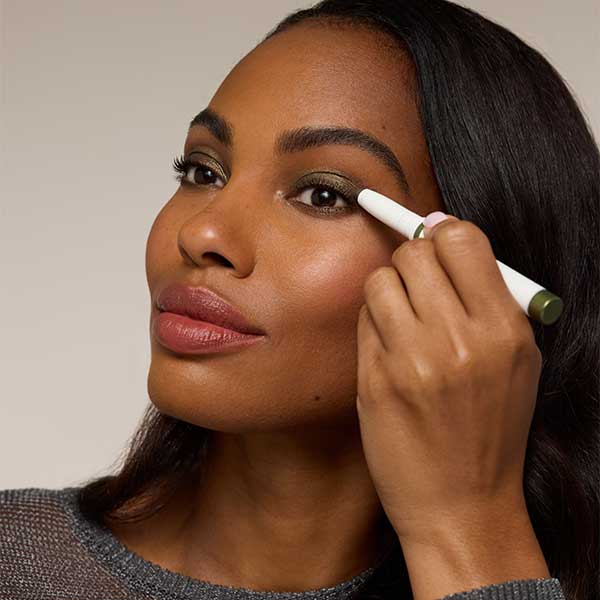
The ColorLuxe Eye Shadow Sticks are a fresh take on shadow technology with a well curated assortment of matte and shimmer tones in a variety of depths and hues. The creamy formula goes on and blends out quickly and easily before drying down to a powder finish that lasts for hours.  Its ease of application makes it user friendly for even the most amateur of consumers.  It also provides the versatility of being used in three different formats:  as a shadow, a liner or an eye shadow base that can be layered with other products.

Eyeshadow Stick Application

  • One Single Color – Can be used as an all over eye shadow that will look beautiful whether using a shimmer for a luminous look or a matte for a softer, more natural look.
  • Multiple Colors – Can be placed in different areas of the eyes and then blended together for multidimensional looks.
  • Application Tools – Can be used such as eye shadow brushes and concealer brushes. They can also be applied directly to the eyes and blended out with fingers.

Eyeshadow as an Eyeliner

  • Deeper tones such as Americano, Midnightor Ivycan be sharpened and used for defined lining or tight lining. The product can then be smudged out with a brush.
  • Lighter tones such as Alabasteror Moonstonecan be applied to the inner water line for a brighter, more open appearance.

Eyeshadow as an Eye Base

  • Any depth can be used all over the eye and then layered with powder eye shadows for more intense looks that last for hours. Here are a few options:
    • Ultra Nude – Start with Saddleas an eye base and then apply Sweet SpotPurePressed Eye Shadow Triple on top for a rich finish.
    • Soft Glam – Start with Roséas an eye base and then apply Pink Quartz PurePressed Eye Shadow Triple on top for a luminous finish.
    • Smoky Intense – Start with Dove Grey as an eye base and then apply Blue HourPurePressed Eye Shadow Triple on top for a dramatic finish.

Best Eye Shadow for Each Eye Color

Many people wonder which colors work best for their eye color.  The truth is, all of the colors are incredibly versatile but if you want to get maximum impact based on your eye color, we recommend the following guidelines:

How to Apply Eyeshadow on Mature Skin

Our more mature consumers have asked if there are any restrictions on use for mature eyes.  The answer is no, there are no restrictions!  The ColorLuxe Eye Shadow Stick has beautiful optic diffusion and it does not bring out wrinkles or texture.  If you want to minimize texture, use the more matte shades in places like the inner corner of the eye or the brow bone.

Finally, don’t forget to use the sharpener at the end of the stick if you want to get a finer point for more specific applications.  But when you sharpen, always clean the sharpener afterwards to keep it from getting messy.  Don’t press too hard when sharpening as the product is very soft.  Sanitize the pencil and the sharpener with alcohol or submerse the sharpener in a bowl of water and wash it.

We know you’re going to love using the new ColorLuxe Eye Shadow Sticks.  Please post pictures of your results and tag us!   We look forward to seeing your beautiful faces!

Why You Shouldn’t Skip Hair Serum – OLAPLEX Inc.

0

Key Takeaways

  • Hair serums are leave-in styling products that help smooth your hair and protect it from damage.
  • Try a hair serum like N°.9 Bond Protector for protection from heat damage, plus smoother and softer hair.
  • Scalp serums like Nº.0.5 Scalp Longevity Treatment go directly on the scalp to protect the scalp barrier and support a balanced microbiome.

Jump to

You might take pride in your skincare routine, but what about your haircare routine? From serums to moisturizers, step-by-step haircare routines are just as important as your skincare regimen, and with OLAPLEX®, they can actually make your hair visibly healthier and smoother. Serums are the holy grail of skincare, and haircare serums that provide heat protection and soothe the scalp like OLAPLEX Nº.9 Bond Protector and Nº.0.5 Scalp Longevity Treatment can become star players in your haircare routine.

What Is a Hair Serum?

Hair serums are lightweight styling products that envelope hair strands and are designed to:

  • Shine and smooth the hair
  • Combat dryness and frizz
  • Protect against damage, like heat
  • Minimize tangles and knots

Hair Serums to Add to Your Haircare Routine

Once you start using a hair serum, you’ll wonder why you didn’t use one earlier. Here are two OLAPLEX hair and scalp serums to try:

OLAPLEX Nº.9 Bond Protector Nourishing Hair Serum

When OLAPLEX created a serum, it was important to provide potent results and protection that care for the hair’s integrity. Nº.9’s weightless and silicone-free formula includes many skincare ingredients, like antioxidant-rich red algae extract. If you’re looking for a serum for heat protection and multiple styling benefits, you’ll love Nº.9. The benefits of Nº.9 include:

  • Protection from heat damage (up to 450°F)
  • Prevents tangles and static
  • Improved style retention
  • Satin shine


When you apply Nº.9, start with a small amount and work upward from the ends of your hair to your roots. You can use a little more serum if you have longer, thicker hair. Nº.9 may be used alone, or combine it with Nº.6 Bond Smoother® for frizz control and/or OLAPLEX Nº.7 Bonding Oil™ for brilliant shine. Style your hair as usual. You can air-dry your hair for a soft texture, or blow-dry it for a smooth finish. Diffuse your hair if you have curly hair or waves.

Nº.0.5 Scalp Longevity Treatment

Did you know that healthy hair begins at the scalp? If you don’t use a scalp serum, you might want to start. Nº.0.5 is a weightless scalp treatment that’s gentle enough for daily use and works to protect hair health. Try Nº.05 to:

  • Protect your scalp barrier and maintain a balanced microbiome
  • Hydrate and soothe the scalp
  • Promote shiny, soft, and visibly healthy hair


Nº.0.5 also contains Patented OLAPLEX Bond Building Technology™ to re-link disulfide bonds within keratin to strengthen the scalp barrier. It also contains ceramides, a common skincare ingredient that helps hydrate a dry scalp.

Use this serum to nourish your scalp before styling wet hair or as an overnight treatment on dry hair. To use this scalp serum:

  1. Part your hair at the scalp in sections.
  2. Apply the serum directly to the scalp.
  3. Massage thoroughly to ensure proper absorption.


Serums are a simple way to visibly improve your scalp and hair health. Find out more about how to take care of your scalp and what factors can affect your scalp health.

Sources

1. https://www.medicalnewstoday.com/articles/how-to-use-hair-serum

2. https://pmc.ncbi.nlm.nih.gov/articles/PMC5551307/

The Frugality X Simone Brewster matchboxes

0

It’s that time of year – our new matchbox collab has landed!

Two years in the making (not that we’re perfectionists or anything!) and we are so proud of these.

The Frugality x Simone Brewster matches: £9.50, The Frugality Shop. This is our own product.

We started chatting over two years ago and are so excited to have Simone Brewster onboard for our second matchbox artist collaboration. Simone is a London-based artist and designer who creates large scale, statement, sculptural furniture, objets d’art, and jewellery. As part of the African Diaspora, her work marries the European influences of her education with an aesthetic understanding of her Caribbean heritage, bridging the gap between these two histories.

This post contains some affiliate links

This matchbox design is based on artwork originally created with inks and acrylic on paper and canvas, these expressly abstracted paintings conjure the beauty and complexity of the female form and psyche.

The original artwork, courtesy of Simone Brewster

These matches are made from 350gsm card with long turquoise tipped black matchsticks and signature double strike.

And just to say a big thank you to everyone for supporting what we do! When I told people I was launching matchboxes a few years ago, I got some strange looks! But it really is such a joy creating a product I want to buy and use, as well as produce them sustainably and ethically. Hopefully more to come! Shop matchboxes and meal planners here.

Organic Grass Fed Beef (Benefits + Buying Guide)

0

I am so happy with the organic grass fed beef brands I have found!

Organic, grass-fed, grass-finished, pasture-raised, the labels can be dizzying and confusing. Labels and certifications are a form of marketing so in an effort to be a savvy consumer, we need to know what these labels mean.

In today’s post, I’m honing in on organic, grass-fed beef, because there are so many benefits when you can identify truly clean, nutritionally-dense beef. Plus, it’s one of my favorite foods and I eat it on a daily basis!

*Affiliate Disclosure: I do have affiliate links in this blog post. If you purchase something from my link, I will receive a small commission from the sale.  This comes at no cost to you, but is paid by the company.  I do not take becoming an affiliate with any company lightly.  If I am, it’s because I believe in the company and their product.

I love having a stock of organic grass fed beef in my freezer!

What Is Organic Grass Fed Beef?

Organic grass-fed beef is meat from cattle that graze on open pastures with a diet consisting primarily of grass, hay, or other organic feed and haven’t been given antibiotics, hormones, or synthetic chemicals.

Does Organic Beef Mean Grass Fed?

No, just because meat is labeled organic does not mean the cattle were grass-fed. A grass-fed diet is grass and forage instead of grains. An organic certification indicates that the cattle were never given antibiotics or synthetic hormones and were given organic feed which could be grass and forage but it could also be organic grains which many times are given to cattle to fatten them up before processing.

What Is The Difference Between Grass Fed And Organic Beef?

Grass-Fed

The grass-fed standard signifies a more natural diet. This means that cattle graze primarily on grass and forage but those pastures may not be chemical-free. Antibiotics and hormones may also be given to the cattle.

Organic

The organic standard signifies clean, chemical-free cattle. This means that cattle are not given antibiotics or synthetic hormones, and they feed on organic grass, forage, but also organic grains or grain-finished.

Organic Grass-Fed

This is the gold standard. The cattle are not only pasture-raised meaning they feed on organic grass and forage, but the cattle are not treated with antibiotics or synthetic hormones.

Related Content: Best Organic Coffee

Organic Grass Fed Beef
There are so many benefits to eating organic grass fed and finished beef!

Is Organic Grass Fed Beef Good For You

Omega-3 fatty acids

Grass-fed beef has up to 5x more omega-3s than grain-fed beef.

Higher in CLA (conjugated linoleic acid)

A healthy fat that is linked to improved metabolism, cardiovascular health, and reduced inflammation.

Antioxidant-rich

Higher levels of vitamins A and E, plus glutathione and other antioxidants that help fight oxidative stress.

Leaner protein

Typically lower in total fat and calories per serving than grain-fed beef.

No antibiotics or synthetic hormones

Reduces risk of antibiotic resistance and unnecessary hormone exposure.

No chemical pesticides

Grass and forage is organically grown.

Easier to digest

Some people find grass-fed beef easier to digest, especially those sensitive to grain-fed meat.

Plainview Beef
I recently discovered Plainview Beef – they are next level in all things they do!

Where To Buy Organic Grass Fed Beef

Primal Pastures, Plainview Beef, Grass Roots Farmers Co-op and U.S. Wellness Meats are not certified organic, however, they maintain standards that surpass organic standards.

Another great option is to find a local farmer and buy a ¼ or ½ cow yearly.  We’ve done this as well and love always having meat in our freezer.  It’s also a huge savings as you pay the same price for a steak as you would ground beef because you pay per pound.  It’s half the cost you would pay in stores. Check your local natural Facebook groups, local Co-ops or ask farmers if they know of anyone who does this in your area.

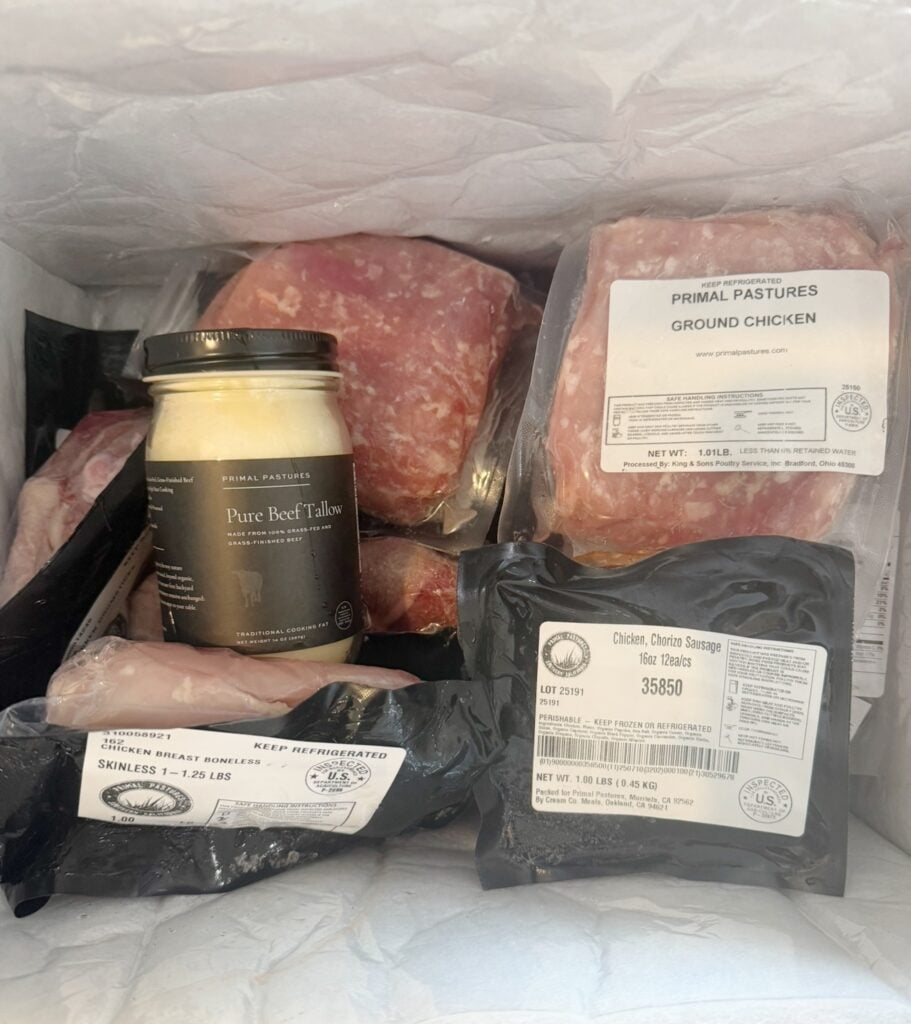
Primal Pastures
If you are looking for more than just beef, check out Primal Pastures!
  • Primal Pastures– This is next level meat, they offer chicken, pork, beef and fish.  I love getting chicken from them because it’s free of soy, corn and even their feed they give the chickens is made from olive oil, not a seed oil.  This is impossible to find!  I’ve asked and researched around.  Primal Pastures is truly doing it right- no corners are being cut.
  • Plainview Beef– Use code: GURLGONEGREEN for $50 off any order of $350 or more. I discovered Plainview this spring and have been so impressed with their process and how they are doing things differently.  They really are taking grass-fed meat and being able to put it on a large scale while still being regenerative.  They do beef only and it tastes amazing!  The flavor is unlike anything I’ve had.  You won’t be disappointed!
  • U.S. Wellness Meats– I haven’t ordered from them in a while, but they do offer so many meat options and it’s all a cut above what you would find in the grocery store.
  • Grass Roots Farmers Co-op Use code: SUZI for 15% off. I order off and on from Grass Roots because they have some amazing sales and they’re a little more budget friendly than some of the above options.  I typically will buy chicken from them.  I like that you can scan the QR code and know what farm you are getting your meat from.
  • Eel River Organic Beef at Whole Foods– This is a great option if you have a Whole Foods around you.  They are organic and grass-fed and finished beef.
  • Organic Rancher at Whole Foods– Another great organic, grass-fed option at Whole Foods.
  • Thrive Market– If you are a Thrive Member you can get some great grass-fed beef online.

Where to you buy your organic grass fed beef? If I missed your favorite, share below!

If you liked this post, check out these pasts posts: