Home Blog Page 236

Authentic 1930s Makeup Looks and Products – Besame Cosmetics

0

As we celebrate our limited-edition makeup collection inspired by Ella Fitzgerald®, one of the greatest Jazz singers of all time, we’re sharing the looks and makeup tips that defined makeup in the 1930s.

While Ella was forging her career during the Great Depression of the 1930s, she was also building her fashion style that was full of fun from sequins to feathers. Her makeup style was more minimalist, even though women’s makeup looks during the 30s became more refined—influenced by Hollywood, as magazines started promoting the stars’ glamorous makeup looks.

1930s magazine

Makeup that was Popular in the 30s

The beauty standard of the 1930s was softer than the 20s. It was not only influenced by Hollywood but also by the Great Depression. It was defined by striking eyes that relied on a lot of mascara, thin eyebrows, and soft or pale shades of eyeshadow. Lips were full, slightly overdrawn, and shaped into two long mounds that flared at the corners. Compared to the 1920s, the overall 1930s makeup look was less vamp-like and not quite as dramatic.

1930s makeup

If you are looking to re-create a makeup look from the 1930s, check out our 1930s and Jazz Age value sets featuring all of the limited edition products in our Ella Fitzgerald® collection, combined with various additional accessories and bonus makeup items to help bring a 30s look to life.

ella fitzgerald makeup collection

Mascara in the 1930s

The look at the time for any Jazz Age beauty was to use a lot of mascara. Cake Mascara was the most popular form of mascara during this time, and it was a multi-functional product – used for lashes and brows.

cake mascara

Bésame Cosmetics has researched and revived a cake mascara formula and enhanced it with a little bit of modern science. It’s easy to use, activated by water, and features less than 10 ingredients. One of the best-selling products at Bésame, Cake Mascara remains popular for its versatility – often used to create a dramatic cat-eye eyeliner effect and by women who are allergic or sensitive to traditional mascara.  They appreciate the pure and simple formula of Bésame’s Cake Mascara.  Learn more about Cake Mascara here.

Eye Makeup in the 1930s

As Hollywood entered its Golden Age, it had a significant impact on women’s beauty, including more options and colors. Eyebrows were still thin but not as thin as in the 1920s, they often had a high arch towards the temples. Eyeshadow was one of the products that benefited from a new array of colors with lighter shades, silver and gold very popular. Explore the limited-edition Ella Fitzgerald® Eyeshadow Quad of matte and shimmer shades in mauve, taupe, a coffee-colored brown, and even a pale pink eyeshadow that can accent and highlight.

1930s eye makeup

For a 1930s look, apply the taupe or deeper brown to the upper lid’s crease and blend with the light mauve or pale pink to highlight the brow bone. Elevate a 1930s eye makeup look with our fake lashes from the 1930s.

1930s lashes

Lipstick during The Great Depression

lipstick during the great depression

An interesting lip trend from this time that continues today is that as times were tough during the Depression, many women traded bigger luxuries for smaller ones like lipsticks. Lipstick was extremely popular in the 1930s. The style shifted a bit from the 1920s, lips were not quite as rounded.  However, the lip look of the time did involve creating rounds or flares at the corners of the lips — which was known as the “Crawford Smear”.  Light rose and raspberry tones, maroons, dark reds and orange tones were popular lipstick shades. Later in the 30s, brighter reds became popular. At, Bésame, we’ve revived many historic lipstick colors including some from the 1930s like Cherry Red or Carminebut we’ve also introduced two new shades in a creamy, lustrous formula inspired by the Queen of Jazz, Ella Fitzgerald. Apollo is a rum raisin, deep cool brick red lip color and Savoy is a terracotta, brown-red shade – both look fabulous on a range of skin tones.

fairest red lipstick

What were popular nail polish colors in the 1930s?

Typically, nail polish was only applied in the center of the nail with the half-moon and tips left bare.  Pale rose, light pink, and cream were popular, check out our creamy shade of Blooming Beige.  The number of nail colors grew in popularity throughout the 1930s to match a variety of dress colors.

If you decide to recreate a makeup look inspired by the 1930s, don’t forget to share it on social and tag us at Bésame Cosmetics.

bloom beige nail polish


Back to Bésame Blog

Asthma: Not Just a Childhood Condition

0

Asthma remains a common and often under-recognized respiratory condition, affecting people of all ages. It affects about 4.6 million Canadians, including 900,000 children under 19 years old. In Canada, more than 300 people are diagnosed with asthma every day and about 300 asthma-related deaths are reported annually.

Adults may experience symptoms throughout their lives or develop them for the first time in adulthood. Factors such as exposure to certain fumes, hormonal changes, and obesity may contribute to who develops asthma later in life.

What is asthma?

Asthma is a chronic lung disease that causes inflammation and narrowing of the airways, leading to symptoms such as shortness of breath, chest tightness, coughing, and wheezing. This is known as an asthma exacerbation, or more commonly, an asthma attack.

An asthma attack can last from minutes to days and is a leading cause of hospital visits and missed time from school or work. If left untreated, severe attacks can be life threatening. Although there is no cure for asthma yet, it can be managed with proper treatment.

Asthma attacks can be triggered by allergies such as dust mites, pollen, mold, or pet dander.  They may also be caused by smoke, cold air, pollution, chemicals, intense emotions, or exercise.

Who is at risk of asthma?

Researchers have not determined an exact cause of asthma, but there are several risk factors that can lead to the disease. Many patients are first diagnosed in childhood, but it is also common to be diagnosed as an adult.

Some known risk factors for asthma include:

  • Family history: Kids of parents with asthma are 2.5 to 3 times more likely to have it.
  • Allergies: Certain allergies that affect the nose and eyes increase asthma risk.
  • Premature birth: Being born before 36 weeks increases risk of developing asthma later in life.
  • Childhood lung infections: Certain lung infections at an early age increase risk of asthma.
  • Occupational exposures: Chemicals, dust, and fumes can cause adult-onset asthma.
  • Hormones: Women are more prone to asthma after menopause.
  • Air Quality: Smoking, exhaust fumes, and pollution can trigger asthma.
  • Obesity: Extra weight around the chest and inflammation can worsen asthma risk.

Exercise-Induced Asthma (EIA)

Some people experience asthma symptoms such as coughing, wheezing, and shortness of breath within 5 to 10 minutes of exercising, forcing them to stop.

Our airways function best with warm, moist air. Typically, air enters our body through the nose where it is warmed and moistened before it reaches the lungs. However, during exercise with heavy breathing, cold and dry air can enter the airways through the mouth which can trigger asthma attacks. Allergens and air pollution can also worsen symptoms in people with asthma.

For those who experience exercise-induced asthma, doctors may prescribe inhalers to use before or during exercise to help open the airways and reduce inflammation. Warming up before exercise, cooling down afterwards, and choosing indoor exercise when its cold outside or if air quality is poor can also help prevent symptoms.

How can we help?

Your London Drugs pharmacist can help identify symptoms consistent with asthma, answer your questions and concerns, and can recommend follow up with a doctor if needed. They can also assist you in managing prescribed medications, teach you how to use inhaled medications correctly, and provide advice on preventing and treating asthma attacks. Ask us about simple to use peak flow meters to monitor how well your lungs are working, or spacer devices to help deliver inhaled medications more effectively to your lungs.

Don’t be left without medication. Talk to your pharmacist if you have run out of medication or if it is expired. They can often conveniently extend or refill your prescription without contacting your doctor.

15 Simple Things You Need to Know

0

  • Reddit
  • X

Let’s talk about simple makeup tips for beginners!

Because, let’s be real—learning how to do makeup can feel overwhelming when you’re first starting out. Between YouTube tutorials, TikTok beauty trends, and influencers showing off flawless routines with 47 products, it’s easy to feel like you’re already behind.

But here’s the truth: you don’t need a massive collection or pro-level skills to look and feel great. All you really need is a few solid products, some simple techniques, and the confidence to experiment.

This guide is packed with beginner-friendly advice that actually works.

Whether you’re building your first makeup bag or just want to feel more confident doing your own face, here are 15 simple makeup tips for beginners that’ll make your routine way easier (and more fun!).


💡TIP: Pin this article to your Makeup Tips board on Pinterest so you can always come back when you need to! 👇🏼👇🏼👇🏼

15 Simple Makeup Tips for Total Beginners

*This post contains affiliate links meaning that if you make a purchase after clicking the link, I earn a small commission at no additional cost to you. This helps me provide the best possible content on this site for free. Keep in mind that I only link to quality products that I use myself and feel would be beneficial for my readers.

Please read my full affiliate disclosure for more information.


Tip #1. Start With Skincare—Always

Skincare Icon

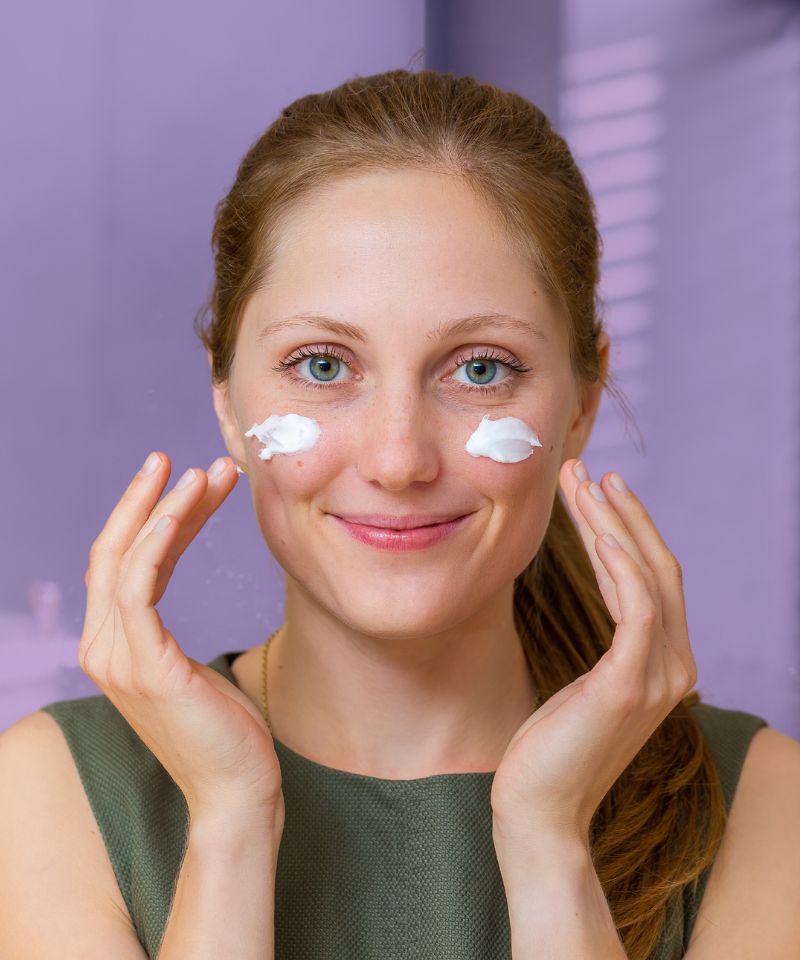
Before you even think about foundation, concealer, or anything else, make sure your skin is clean and moisturized. This is often overlooked, but it makes a huge difference.

Dry, flaky skin makes your makeup sit weird and look patchy. Oily skin can break up your foundation. And if you skip SPF? You’re setting yourself up for long-term regret.

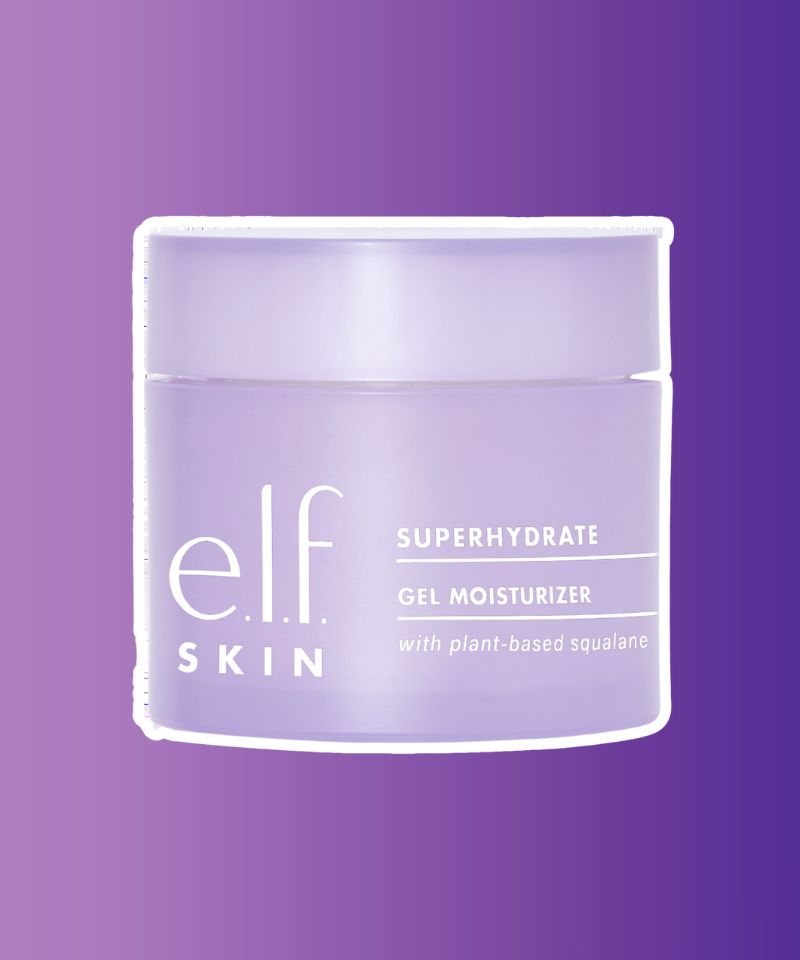
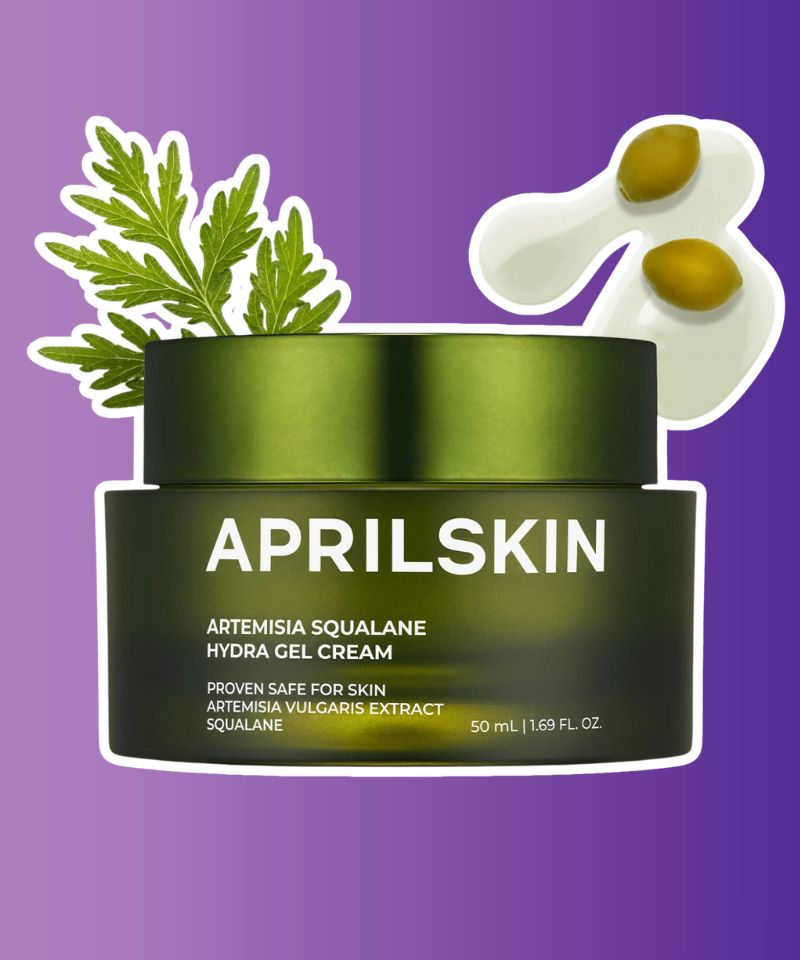
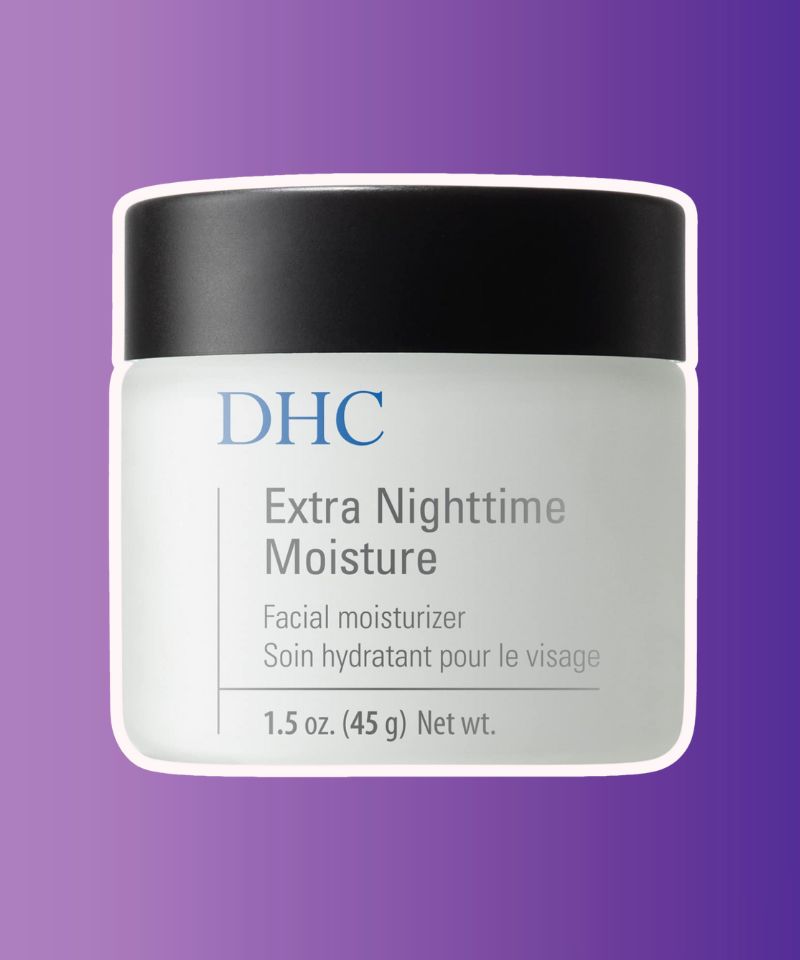
Here’s a simple starter skincare routine:

Hydrated skin = better base = easier makeup.


Tip #2. Match Your Foundation to Your Neck

Makeup Compact Icon

One of the most common mistakes beginners make is choosing a foundation that’s too light or too dark for their skin.

The result? A mismatched face and neck… and nobody wants that.

When shade matching, swipe a few different options along your jawline and see which one disappears into your skin in natural lighting.

Not store lighting. Not bathroom lighting. Actual sunlight.

If you’re unsure, look for a buildable formula like the L’Oréal True Match Foundation or Fenty Beauty Eaze Drop Skin Tint. Both are forgiving and beginner-approved.


Tip #3. Less Is More (Especially at First)

Less Is More Icon

Here’s a secret that even the pros know: less is more.

When you’re just starting out, it’s easy to feel like you need full coverage everything and a full face every day. But that can actually make things harder.

A simple makeup routine using just a few products can look fresh and natural—plus it’s quicker. Stick to the basics:

  • Tinted moisturizer or BB cream
  • Concealer
  • Blush
  • Mascara
  • Lip gloss or tinted balm

Keep it minimal, and build from there as you gain confidence.


Tip #4. Get a Few Good Brushes (You Don’t Need a Whole Set)

Makeup Brush Icon

You do NOT need a 25-piece brush set as a beginner. In fact, too many tools can make things more confusing. Instead, go for a few quality essentials you’ll actually use:

These will take care of 90% of your beginner makeup routine.


Tip #5. Use a Damp Sponge for Seamless Blending

Beauty Blender Icon

This one’s a game-changer. A damp makeup sponge helps blend foundation and concealer into your skin flawlessly.

No streaks. No harsh lines. Just that your skin but better vibe.

After applying your product, use a bouncing motion (not swiping) to blend it in.

💡 For a tip: Run your sponge under water and squeeze out the excess until it feels bouncy and soft.


Tip #6. Creams and Liquids Are Easier Than Powders

Makeup Bottle Icon

If you’re new to makeup, it’s easier to work with cream or liquid formulas. They blend more easily and give you a dewy, natural finish… which is exactly what most beginners want.

Try these:

They’re easier to fix if you mess up… and they won’t emphasize texture or dryness the way powders can.


Tip #7. Concealer: Dot, Tap, Done

Dots Icon

Concealer is a lifesaver when you want to cover dark circles, blemishes, or redness. But too much can crease or look cakey.

Here’s how to apply it:

  • Dot it on the inner and outer corners of your eyes, not the whole under-eye.
  • Use your ring finger or a damp sponge to tapnot rub, until blended.
  • A little goes a long way.

Beginners love Maybelline Instant Age Rewind for a reason… it’s affordable, effective, and super blendable.


Tip #8. Fill in Your Brows With Light Strokes

Eyebrow Icon

Your brows frame your face, and even a tiny bit of filling can make a big difference. But be gentle—overdrawn brows can make your whole look feel heavy.

Use a pencil like NYX Micro Brow Pencil (what I use) or Benefit Precisely, My Brow.
Mimic tiny hairs with short strokes, then blend with a spoolie. That’s it.


Tip #9. Stick With Neutrals for Eyeshadow

Eye Makeup Icon

If you’re nervous about eyeshadow, start with one or two neutral shades—like warm browns, peachy tones, or soft shimmers. These colors are flattering on everyone and hard to mess up.

For an easy look:

  • Use a light shade all over your lid
  • Add a slightly deeper shade in the crease
  • Blend, blend, blend

Try Maybelline Nudes of New York Palette or Tartelette In Bloom Palette for easy combos.


Tip #10. Mascara Is a Must

Eyelash Icon

Even if you skip everything else, a good coat of mascara instantly makes you look more awake and polished.

Start by curling your lashes (with a tool like the Tweezerman Lash Curler), then apply a lengthening mascara like:

Don’t overthink it—one or two coats is enough.


Tip #11. Blush Is Your Secret Weapon

Makeup Icon

A little blush can make you look instantly healthier and more alive. It’s one of those easy makeup tricks that makes a big impact.

Smile, then dab blush on the apples of your cheeks and blend up toward your temples. Go for a cream or liquid blush to start—they’re harder to mess up and easier to blend.

I love Rare Beauty Soft Pinch Liquid Blush or Milani Cheek Kiss Cream Blush.


Tip #12. Tinted Lip Balm > Bold Lipstick

Lips Icon

If lipstick feels too intense, try a tinted balm, gloss, or lip oil. They’re super low-maintenance and look pretty without requiring precision.

Try these:

These are beginner makeup essentials for everyday wear.


Tip #13. Set With Translucent Powder (If Needed)

Makeup Brush Icon

If your skin tends to get shiny, lightly dust your T-zone with translucent powder. But skip the heavy baking trend—it’s not beginner-friendly and can make you look dry or cakey.

Just use a fluffy brush and a light hand. Try e.l.f. Halo Glow Setting Powder or Laura Mercier Translucent Setting Powder.


Tip #14. Natural Light Is Your Best Friend

Sun Icon

Always do your makeup near a window if you can. Artificial lighting can distort colors and make you apply too much.

💡 For a tip: If you’re in a poorly lit space, try a portable makeup mirror with natural LED lighting like this one on Amazon.


Tip #15. Don’t Overthink It—Just Practice!

Sprakle Icon

This might be the most important tip of all: don’t stress.

Makeup should be fun, not stressful. You’re not going to master your beginner makeup routine in a day—and that’s okay.

Practice when you have time. Watch tutorials. Try new products. You’ll get better with each attempt, and eventually, it’ll feel second nature.


FAQ

FAQ Icon
What makeup should a beginner start with?

Start with: tinted moisturizer, concealer, blush, mascara, lip balm, and brow pencil.

What are the best beginner makeup brands?

NYX, e.l.f., Maybelline, L’Oréal, and ColourPop for budget-friendly. Rare Beauty and Fenty for mid-range.

How do I figure out my skin tone for foundation?

Look at your neck and jawline in natural light. You can also use the Sephora shade finder tool or take a quiz online like Findation.com.


Final Thoughts

Final Thoughts Icon

Learning how to do your makeup doesn’t have to feel intimidating or complicated. With these simple makeup tips, you can build a routine that feels natural, easy, and totally you.

Whether you’re doing a five-minute face before work or experimenting with new looks on the weekend, the most important thing is to enjoy the process and give yourself room to grow.

Makeup is a tool for self-expression, not perfection. Start small, practice often, and celebrate your progress. You’ll be amazed at how quickly your skills and confidence grow.

Until next time,

Hollee

🌟 Your Turn: What do you think about these makeup tips for beginners? Are there any other tips I should add to this list? Drop your thoughts in the comments section below! 👇🏼👇🏼👇🏼


🥰  Other Posts You’ll Like:


  • Reddit
  • X

The Easiest Packing Hack Ever: The 5-4-3-2-1 Method

0

Packing. Love it? Hate it? Or just pretend you’ll start tomorrow until you’re sitting on your suitcase praying the zip will just close?
As a stylist who’s seen every wardrobe crisis under the sun, I promise: there’s an easier way.

Meet the 5-4-3-2-1 method: a magical little formula that stops overpacking in its tracks and guarantees you’ll look chic the whole trip. No more “but what if I need six pairs of shoes?” (You won’t. I promise.)

What is the 5-4-3-2-1 Method?

It’s simple math with a stylish twist:

Mix and match these and, voilà! you’ve got multiple outfits that all work together. The real secret? Everything plays nicely in a colour story, so each piece earns its place.

Step 1: Pick a Colour Palette (and stick to it!)

This is where your inner stylist comes out.
Choose two or three core colours (think navy, black, or tan) and add one or two accents for fun (hello, scarlet skirt or a pop of pink!).
If everything can mix and match, you’ve suddenly got way more outfit combos than the numbers suggest.

Stylist tip: Lay everything out on your bed and do a quick “capsule check.” If a top doesn’t work with at least two bottoms, it’s staying home. Brutal but effective.

Step 2: Choose Your Fabrics Wisely

Pack fabrics that don’t crease just by looking at them. Viscose, linen blends, or soft knits are your friends.
And if you’re taking linen, embrace the wrinkles; they’re chic when intentional.

Translation: No one’s holiday highlight is you hunched over a hotel iron.

Step 3: Accessories Are Outfit Multipliers

Scarves, jewellery, and belts are tiny but mighty.
A silk scarf can transform a basic tee and shorts into “just had an espresso in Paris” energy.
Accessories weigh almost nothing but give you endless outfit combinations.

Step 4: Shoes: Keep It to Two

I know, I know. But really, two pairs is enough.
Think one pair for walking (white sneakers or flat sandals) and one for dressing up (block heels or sleek slides).
Your feet will thank you. Your suitcase will too.

Step 5: Trust the Maths (and Yourself!)

With five tops, four bottoms, three dresses, two shoes, and one statement piece, you can easily create 15–20 outfits (I’ve whipped up 18 below for you from my capsule!)
That’s more than enough for a week (or even two) away, without the panic of “I have nothing to wear.”

The Takeaway

Packing with the 5-4-3-2-1 method is like having a stylist (hi!) whispering in your ear as you fold.
It’s smart, stress-free, and leaves room for a cheeky bit of shopping while you’re away.

Now go forth and pack light, because the only thing you should be overdoing on holiday is dessert, and you might just need room in your suitcase for a few new holiday purchases too!

Let me know how you go!

DIY Vegan Cleansing Balm That Rinses Clean (No Oily Residue!) – Vegan Beauty Review | Vegan and Cruelty-Free Beauty, Fashion, Food, and Lifestyle : Vegan Beauty Review

0

If you’ve ever tried making your own cleansing balm at home, you might have noticed one little drawback… the oily film it can leave behind. Don’t get me wrong, nourishing oils and butters are amazing for melting away makeup, sunscreen, and daily grime, but sometimes you just want that luxurious balm-to-milk transformation that rinses off clean without extra scrubbing.

Good news is that you can totally make that at home! The secret is a gentle emulsifier (I’m using Olivem 1000, a vegan emulsifying wax), which allows the balm to rinse away with water, leaving skin soft, refreshed, and never greasy.

This recipe is vegan, customizable, and perfect for all skin types, even sensitive skin if you skip essential oils.

Why You’ll Love This Cleansing Balm

  • Shea Butter → deeply nourishing, softens skin without being too heavy.
  • Jojoba Oil → mimics skin’s natural sebum, balancing and non-comedogenic.
  • Sunflower Oil → light, vitamin E-rich, and super gentle.
  • Olivem 1000 → the magic emulsifier that turns oil into a silky cleansing milk when it meets water.
  • Vitamin E Oil → antioxidant protection and a natural booster for skin health.
  • Candelilla Wax → gives structure so your balm stays scoopable.

DIY No-Residue Cleansing Balm Recipe

Makes: 4 oz jar

Skin type: All (especially great for normal, dry, and combo skin)

Ingredients

Directions

  1. Melt shea butter, candelilla wax, and Olivem 1000 together in a double boiler until completely liquid.
  2. Add oils. Stir in jojoba oil, sunflower oil, and vitamin E.
  3. Cool + customize: Let the mixture cool for a few minutes, then stir in essential oils if using.
  4. Jar it up: Pour into a sterilized jar and let it set at room temperature until firm.

How to Use

  • Scoop a pea-sized amount into dry hands.
  • Massage into dry skin (it’ll dissolve makeup and sunscreen like a dream).
  • Add a splash of warm water and the balm will emulsify into a silky cleansing milk.
  • Rinse thoroughly.
  • Follow up with your favorite toner, serum, and moisturizer.

Tips & Variations

  • For a lighter balm, swap shea butter with mango butter.
  • For ultra-dry skin, add a few drops of rosehip or argan oil for extra nourishment.
  • Keep it fragrance-free if your skin is sensitive.

This cleansing balm is proof that you don’t need to spend $$ on luxury skincare to get spa-like results at home. It’s nourishing, gentle, eco-friendly, and totally customizable. Plus, making your own beauty products is so empowering and fun!

*Post contains affiliate links*

About Sunny (Sunny’s Profile)

Longtime vegan, hardcore compassionate beauty junkie, serious cake aficionado, and lover of all things floofy and sparkly! If there’s something in particular you’d like me to review, drop me a line at Sunny@VeganBeautyReview.com.
You can also find me on Facebook, Instagram, TwitterYouTube, and Google +.

Filed in: DIY vegan beauty products
Tags: all natural cleansing balm • best cleansing balm • diy cleansing balm • no residue cleansing balm

QUICK & EASY GUIDE TO HALT BALDNESS ~ THE MALE GROOMING REVIEW

0

Discover the Proven 5-Step Solution to Hair Loss

Hair loss affects millions of men and women around the world, often leading to frustration, insecurity, and a sense of helplessness. The 5-Step Hair Loss Treatment Plan: A Proven Solution for Men and Women — Stop Hair Loss Naturally and Safely by OA Books offers a clear, practical roadmap for anyone seeking real, lasting results without harsh chemicals or expensive procedures.

This breakthrough guide is built on years of research and proven strategies that address the root causes of hair loss—not just the symptoms. Unlike generic solutions, the 5-Step Plan focuses on a holistic and natural approachcombining nutrition, scalp health, proven topical treatments, and lifestyle adjustments that support strong, healthy hair growth.

Inside the book, readers will discover:

  • Step-by-step guidance on how to restore scalp balance and stimulate natural hair regrowth.

  • Nutritional strategies that help nourish hair follicles from within.

  • Safe, natural ingredients scientifically shown to reduce shedding and improve hair density.

  • Practical daily routines that fit seamlessly into busy lives.

  • Proven techniques suitable for both men and women at different stages of hair thinning.

What sets this book apart is its focus on empowerment. Rather than offering quick fixes or miracle promises, OA Books provides readers with a sustainable system that works with the body, not against it. Whether readers are noticing the first signs of thinning hair or dealing with more advanced hair loss, this guide equips them with the knowledge and confidence to take control of their hair health.

The 5-Step Hair Loss Treatment Plan is more than a book—it’s a blueprint for transformation. With clear language, expert insights, and actionable strategies, it’s designed to help readers stop hair loss naturally and safelywhile supporting overall wellness.

Available now in print and digital formats, this essential guide is a must-read for anyone ready to reclaim their confidence and achieve stronger, healthier hair.

Order your copy today >

image of 5 step hair loss treatment plan book


Most Stylish Blazers For 2025: Stylist Picks

0

Image Credit @ Wendy Rowe by Oleksii Parkhomenko

When we talk about blazers, it’s impossible not to think of Giorgio Armani, the maestro of suiting and the original architect of power dressing, reimagined with grace and subtlety. His suits and blazers were never just garments, they were symbols of a new kind of power, quiet, poised and feminine.

Truth be told, I don’t think there’s ever been a blazer phenomenon quite like the one we’re in now. Just like Armani once blurred the line between masculine tailoring and feminine sensuality, today’s blazers are blazing through office hours, red carpet, and city streets with more ease and assurance than ever before.

Whether worn as a full suit, tossed over your favourite jeans, or one of my favourite combos – styled with a slip dress or skirt, the blazer is the ultimate go-to for that neutral effortless sophistication.

Personally, I’m a single-breast loyalist, but that’s all about shape, style, and what feels right for you.

Proportion is everything when it comes to blazers and finding the right cut not only flatters but also stands the test of time, because let’s be honest: trends are fun, but the right blazer–that’s a long term relationship.

I’ve rounded up six of my favourite blazer brands and yes, they may lean on the luxe side – but whether it’s their heritage craftsmanship of impeccable cut, these labels are true wardrobe investments.

Trust me, they’ll be loyal to you for seasons (and style cycles) to come.

THIS ARTICLE CONTAINS AFFILIATE LINKS

This Season’s Best Blazers

GIORGIO ARMANI | Single Breasted Blazer

Soft and modern elegance done the Armani way.

KNATCHBULL | Double Breasted Jacket

This one is definitely on my wish list!

HEIRLOME | Anita Blazer

The perfect double-breasted scoop neck.

JOSEPH | Jaden Tailoring Wool Stretch Jacket

The 90’s minimalist with a luxurious edge.

BELLA FREUD | Velvet Saint James Jacket Dark Marine

With nostalgia written all over it, it still manages to feel fresh.

BLAZE MILANO | Lady Maud Choco

This is definitely the hero piece with a smiley pocket.


READ NEXT: Stylist Picks: Double Denim | Scarves: Stylist Picks

© Wendy Rowe. All Rights Reserved.

What’s The Difference? – Camera Ready Cosmetics

0

The fine line between finishing powder and setting powder is frustratingly blurry. The industry now seems to market these products as one and the same, making the actual uses and benefits of each unclear. If you’re feeling confused and unsure of which powder is right for you, worry no more!

We’re breaking down the differences between the two so you can feel more comfortable and educated before making a purchase. We’ve even linked to a few of the best setting and finishing powders that are perfect for any makeup bag or kit. Happy powder shoppingbeauties!

What is Setting Powder?

Designed to “set” or hold foundation in place, setting powders prevent base makeup from rubbing off and reduce shine for a long-lasting, flawless complexion. There are different types of setting powders that you can pick from depending on your needs, as well as options between translucent powder or slightly tinted to match your skin tone.

Types of Setting Powders:

Loose powder

Pressed powder

Translucent powder

Tinted powder

Choosing the best form of setting powder is purely a matter of preference. Pressed powders are semi-solid, easy to use, and great for taking on the go. Loose powders are finer in consistency and don’t transport well – they’re messy! But they do offer great lightweight coverage and work well for those prone to oily skin or who prefer wearing liquid foundations.

Setting powder also serves as the perfect weapon against excess oil buildup – hello, mid-day touchups! For those in search of a more sheer look, apply setting powder in place of foundation for lightweight, natural coverage.

5 Best Setting Powders

Our makeup artist community has voted, and these are the five best setting powdersaccording to them:

  1. RCMA – No Color Powder
  2. Ben Nye – Neutral Set
  3. Danessa Myricks Beauty – Evolution Powder
  4. Laura Mercier – Translucent Loose Setting Powder
  5. Mehron – UltraFine Setting Powder
  1. RCMA’s No Color Powder: Loved amongst celebrities and makeup artists, this beauty favorite sets foundation without changing the color. The formula delivers a smooth translucent powder veil without adding unwanted texture or creating a “caked on” look. This setting powder keeps shine at bay and disappears completely for an invisible hold.
  2. Ben Nye’s Neutral Set: This colorless powder formula blends with every skin tone without diminishing the complexion’s natural glow. Ben Nye’s only non-translucent powder that contains a bright white pigment is good for very fair shades. This setting powder controls perspiration for high-energy performers.
  3. Danessa Myricks Beauty’s Evolution Powder: This setting powder provides a silky smooth, invisible finish. This light-diffusing, weightless, translucent powder can be used over and under foundation. The product mimics perfect skin with professionally tested, vegan, and cruelty free ingredients. It’s also available in four tinted shades to match fair to deep skin tones.
  4. Laura Mercier Translucent Loose Setting Powder: This cult classic blends seamlessly, setting makeup in place for long lasting results.  It’s also incredibly lightweight and offers a flawless, 16 hour mattifying finish you can count on.
  5. Mehron’s UltraFine Setting Powder: Finish off your look with this finely processed, clump-free setting powder with a built-in antiperspirant. Specially designed to retain the smoothness of your makeup, the product comes in a user-friendly, convenient “shaker” container.

How is Finishing Powder Different from Setting Powder?

As the name suggests, finishing powders are designed for use after a makeup look is complete. While this product is not recommended for daily use, it’s a great option when you’ll be in front of bright lights and cameras.

Most commonly sold in loose form, finishing powders blur fine lines, conceal pores, and leave a flawless, camera ready finish. Blend the product well to avoid a dry, cakey appearance and also to eliminate white flashback on camera.

3 Most Popular Finishing Powders

These top three finishing powders have been vetted by the pros to help you select the best options for all your makeup needs:

  1. Ben Nye – Banana Powder
  2. Mehron – Celebre Pro HD Loose Mineral Finishing Powder
  3. RCMA – Over Powder

  1. Ben Nye’s Banana Powder: This silky-fine, mattifying translucent powder delivers a hint of color without casting a white glare in your photos. Available in four luxurious tints, this finishing powder offers a beautiful shade for every skin tone.
  2. Mehron’s Celebré Pro HD Loose Mineral Finishing Powder: This Mehron product is a luxurious matte finishing powder that comes in three versatile shades to perfectly complement every skin tone. Made of transparent French delaminated talc, it keeps your colors bright and true. This ultra-fine powder is made with a multi-mineral complex to promote skin’s vigor and moisturization, keeping skin soft and hydrated.
  3. RCMA’s Over Powder: This lightweight finishing powder adds a soft sheen effect. These powders are gorgeous when layered over blush or any of the high points of the face and perfect for achieving an ethereal effect all over the body. Dust it onto collarbones, shoulders, cheekbones, and the cupid’s bow for a subtle, light-catching highlight.

Now that we’re all squared up with the differences between setting powders and finishing powdersyou’re ready to get to work creating flawless makeup looks and setting and finishing them like a pro. Which finishing and setting powders do you think are the best? Let us know in the comments below, and be sure to tag us on Instagram in your completed looks.

About Camera Ready Cosmetics

Camera Ready Cosmetics was founded in 2003 by a professional makeup artist. With over 20 years serving the pro community, Camera Ready Cosmetics prioritizes quality and value with the artist in mind.  Our team of experts understands what makeup essentials an artist needs.

Best Bio-Active Ingredients for Every Skin Type

0

Skincare has evolved a lot over the past 5 to10 years, with a wave of new bio-active ingredients entering the skincare scene and promising to deliver impressive results. From reducing signs of ageing to brightening and hydrating the skin, bio-actives have become the focus of many formulations and skincare product marketing.

If you use skincare, it’s likely you’ve heard of bio-active ingredients. However, understanding what defines a bio-active ingredient and determining which ones are right for your skin type can be overwhelming and a little confusing.

What are Bio-active Ingredients?

Derived from plants, bio-actives are naturally-occurring molecules which have been scientifically proven to harbour compounds that exhibit high levels of antioxidant or anti-ageing activity. These ingredients actively affect the skin’s function or structure by interacting with skin cells to deliver real change such as hydration, exfoliation, brightening and anti-aging effects.

Bio-active ingredients are typically found in serums, moisturisers and skin treatments. At LAMAV, we utilise scientifically proven bio-actives to provide targeted solutions that treat specific concerns. All LAMAV products are exclusively formulated using our trademarked Three Tier Formula™. By incorporating at least 4–7 bio-actives in each formula, we are able to target specific skin concerns and deliver results that are clinically proven. At LAMAV, the bio-actives we utilise in our products address skin pigmentation, ageing, fine lines and wrinkles, oxidative stress, dehydration, tone and texture, skin firmness and elasticity.

Common Bio-active Ingredients

There are many bio-active ingredients now available in skincare, however there are a few popular ingredients that you’ll find in most skincare brands.

  • Vitamin C

  • Retinoids (Vitamin A)

  • Retinol Alternatives such as Bakuchiol

  • Hyaluronic acid

  • Niacinamide

  • Peptides

  • Acids such as AHAs

  • Botanical extracts such as green tea

The Best Bio-Active Ingredients for your Skin Type

While we all want faster, better results from our skincare, sometimes going in hard with the strongest active ingredients can cause more harm than good – often leading to irritation and a compromised skin barrier. When introducing new products or bio-actives into your routine it’s best to take it slow by patch testing and applying a small amount 2-3 times per week until you build up tolerance for daily use.

There are also many bio-active ingredients now available that deliver nourishment and support inflammation while also having a noticeable effect on the skin. For example, replacing harsh Vitamin A actives with Bakuchiol will provide you with similar age defence benefits, without the irritation.

To get the most out of your skincare, it’s important that you implement the right active ingredients into your routine to ensure you get maximum results with minimum irritation.

Dry Skin

Hyaluronic Acid

Although naturally produced by the body, hyaluronic acid declines as we age—leading to dehydration, fine lines and wrinkles. It is extremely moisturising and improves skin firmness and elasticity, while supporting healthy skin barrier function and reducing risk of dryness.

We recommend: LAMAV’s after cleansing followed by the Hyaluronic Moisture Cream to lock in moisture for all-day hydration.

Ceramides

Ceramides are lipids that are naturally found in the top layers of our skin and play a crucial role in maintaining hydration through healthy skin barrier function. Including ceramide-rich skincare into your routine will help to strengthen the skin barrier and prevent water loss. Jojoba Oil is a natural source of ceramides and holds similar properties to our skin’s natural sebum, making it an ideal ingredient to hydrate and protect the skin.

We recommend: LAMAV’s Marula Oil Cleanser as part of your evening routine to gently dissolve makeup and SPF without stripping the skin. You’ll enjoy the benefits of Jojoba along with Marula Oil – rich in fatty acids and antioxidants to maintain hydration while preventing free radical damage.

Squalane

Used to boost hydration and fight free radicals, squalane is extracted from olives and behaves like squalene—which is naturally produced by the body, but declines as we age.

Its antioxidant compounds help to protect the skin from oxidative damage and boost collagen synthesis, for smoother, more youthful-looking skin.

We recommend: LAMAV’s Beauty Sleep mask to deeply nourish, lock in hydration and repair the skin overnight. Packed with Hyaluronic Acid, Jojoba Oil and Squalene, you’ll enjoy instant hydration and comfort that improves the feel and appearance of dry and dull skin while you sleep.

Ingredients to avoid:

Dry skin types should try to avoid over-exposure to high concentrations of exfoliating acids or retinol, and if you are using these stronger actives its important to provide your skin with a hydrating buffer to reduce risk of dryness and irritation. Using a hyaluronic acid serum prior to your Vitamin A treatment can help to minimise dryness and irritation, and a Hyaluronic Moisturiser post exfoliation will sooth the skin an maintain hydration.

Oily and Acne-Prone Skin

Salicylic Acid (BHA) and Alpha Hydroxy Acids (AHA)

Including naturally derived acids such as AHAs in your acne-prone skincare routine is particularly important to reduce dead skin buildup that can lead to an increase in blocked pores and blemishes.

We recommend: LAMAV’s Award Winning AHA Face Exfoliant 2-3 times per week to breakdown dead skin cells while stimulating cell turnover for a deep yet gentle exfoliation that leaves skin looking clearer and brighter.

Niacinamide

Also known as Vitamin B3, Niacinamide is a popular ingredient for acne prone skin as it is known for reducing inflammation, regulating oil production and reducing the appearance of pores. It has also shown promising results with minimising the appearance of dark spots left behind from active blemishes.

Retinol Alternative – Bakuchiol

While Retinol and Bakuchiol have a few differences, evidence shows that bakuchiol interacts with the skin in similar ways as retinol – minus the irritation. From improving skin structure to smoothing and brightening the skin, bakuchiol’s rich antioxidant and anti-inflammatory profile is highly beneficial for all skin types, but particularly acne prone skin.

We recommend: LAMAV’s Bakuchiol 4% Natural Retinol Alternative Booster  – formulated with bakuchiol along with antioxidants and adaptogenic herbs to smooth, calm and protect the skin.

Ingredients to Avoid:

If you have oily or acne prone skin it’s best to avoid heavy, occlusive oils and avoid physical exfoliants that contain sharp particles as these can damage or strip the skin. It’s also important not to over-exfoliate as this can cause further irritation and an increase in oil production.

Sensitive Skin

Ashwagandha Root Extract

A powerful adaptogenic herb traditionally used in Ayurvedic medicine for thousands of years, ashwagandha is particularly useful in helping the body adapt and respond to stress. In addition to anti-inflammatory support, its antibacterial and antimicrobial properties also make it beneficial in supporting skin healing while its powerful antioxidant profile supports collagen production.

Aloe Vera

One of nature’s most well known skin soothers, Aloe Vera has an incredible ability to sooth the skin while retaining moisture. It is also rich in skin-loving nutrients and contains an estimated 75 active constituents including vitamin A, C and E. Its antimicrobial and anti-inflammatory properties make it excellent for wound-healing and it works to increase collagen production in the skin—speeding up the healing process.

We recommend: LAMAV’s Hydra Calm Cream Cleanser for a gentle, ultra-rich cleansing experience that soothes and maintains hydration as you cleanse. Formulated with Aloe Vera Leaf Juice, Avocado and Camellia Oil to soothe and remove impurities, make-up and pollutants.

Bisobolol

Derived from chamomile, bisabolol calms and soothes an irritated complexion. Its rich antioxidant profile makes it useful in the protection from free radical damage and oxidative stress, reducing the risk of redness, irritation and signs of premature ageing.

We recommend: LAMAV’s Intense Repair Eye Balm to hydrate, calm and strengthen the delicate eye area. Infused with Bisabolol and Sandalwood Seed Oil to help to minimise fine lines and wrinkles, while promoting skin elasticity.

Green Tea

Green Tea is well-known for its health benefits, and this also includes our skin. Rich in polyphenols, green tea helps to protect and repair the skin from the damaging and ageing effects of free radicals. It also contains Methylxanthines—compounds which are anti-inflammatory and help to reduce redness and irritation in the skin.

Ingredients to avoid:

Sensitive Skin types are best to avoid strong acids and retinoids unless used in very low concentrations with ample time for skin to recover in between treatments.

Mature Skin

Cockatoo Plum

One of nature’s most potent forms of naturally occurring Vitamin C is Kakadu Plum. This super-native fights environmental damage while brightening dull skin and reducing the appearance of pigmentation. Vitamin C is also essential for the production of collagen, which naturally declines as we age.

We recommend: LAMAV’s Collagen Support Booster as it contains 100% bio-actives including Kakadu Plum and Davidson Plum, to promote firmer skin and prevent the visible signs of ageing.

Commiphora

Extracted from the oleoresin of the Guggul tree, this plant active harbours plumping properties that assist in improving skin tone and texture—smoothing wrinkles and firming the complexion.

We recommend: LAMAV’s Commiphora Plumping Serum for a potent hit of Commiphora, Paracress Extract and Wakame to boost collagen while relaxing the skin to promote a plumper, smoother complexion.

Coenzyme Q10

Coenzyme Q10 is a fat-soluble compound that although produced by the body, declines with age. It is praised for its powerful antioxidant effects and aside from its important role in carrying energy to our cells, it is primarily considered to be a free radical scavenger—helping to neutralise and even prevent damage caused by oxidative stress due to ageing.

We recommend: LAMAV’s Omega Antioxidant Oil to assists in protecting the skin while reducing the visible signs of ageing including fine lines, pigmentation and wrinkle depth.

Ingredients to Avoid:

Mature skin types should avoid harsh physical exfoliants and over exfoliation that can cause micro-tears in the skin and a compromised skin barrier.

When should I apply Bio-active Skincare?

Best Bio-Active Ingredients to use in the Morning

Antioxidant Rich bio-actives such as Vitamin C, Kakadu Plum and Green Tea should be applied in the morning to get the most out of their natural ability to protect the skin from environmental damage. Hydrating ingredients such as Hyaluronic Acid and Aloe can be applied both morning and night as they won’t irritate the skin throughout the day or affect other active ingredients that you may apply at night.

Best Bio-Active Ingredients to use at Night

Stronger bio-actives that have an exfoliating effect on the skin should be used at night to avoid risk of irritation and sun sensitivity. This includes retinol, AHAs and BHAs.

Precautions when Using Bio-Active Ingredients

While bio-active ingredients provide many benefits to all skin types, it’s important to take precaution when introducing any new ingredient – particularly if it enhances exfoliation and skin renewal.

  • Use sunscreen daily – bio-actives such as retinoids, AHAs and even Vitamin C can

  • increase risk of sun sensitivity.

Don’t mix the following bio-actives to minimise risk of irritation and potentially reducing effectiveness of the ingredients:

Final thoughts on Bio-active Ingredients

Bio-actives are tried and tested ingredients that you can count on to deliver noticeable results, however some are stronger than others. Utilising naturally derived bio-active ingredients and tailoring a routine to suit your specific skin concerns will help you achieve the glowing, healthy complexion you’re chasing – minus the irritation.

Don’t forget to wear SPF daily and consult with your dermatologist if you’re unsure of which active ingredients will be best suited to support your skin type.

Ask Lauren: Y2K Trends | Lauren Messiah

0

Ask Lauren: Y2K Trends

Today I want to discuss a fun topic – Y2K fashion trends! I recently received an “Ask Lauren” question asking my opinion on the situation, and I thought it would be interesting to share my thoughts.

First things first, I don’t necessarily follow trends. However, being aware of them is crucial in my line of work. As my mentor used to say, “If you wore the trend the first time, you don’t get to wear it the second time.” I also agree with her when she said, “You never want to look like the oldest in the club.” You don’t want to be the one wearing clothes that don’t fit or match your age.

Now, let’s get into the trends themselves.

Currently, one trend that’s really in is the mushroom print. Have you seen it? It’s everywhere – from clothing to home decor. It’s interesting to note that trend forecasting is a whole industry that predicts trends years in advance and is not just limited to fashion. It includes home and paints colors and even movies. For instance, the upcoming Super Mario Brothers movie is bringing back mushroom prints in a big way. How cool is that?

While I’m digging the mushroom trend, some trends from the past don’t necessarily need to make a comeback. Claw clips and wide-leg jeans from the Y2K era, for example. Although, there are some fun ways to revisit them. For instance, I found claw clips resembling little cats at Marshall’s. As a cat lover, I was tempted to wear them. Unfortunately, they didn’t work with my hair type.

One trend that I find interesting right now is denim. There are many denim trends, from wide-leg jeans to boot cuts and bell bottoms. However, I would advise not to get too swept up in the trend. It’s essential to try on different cuts of jeans and see which ones are comfortable and flattering and make you feel confident. For instance, I recently ordered a pair of bell bottoms that flattered my figure and made me feel good about myself.

In conclusion, trends come and go, and it’s up to you to decide which ones you want to embrace. Whether it’s the mushroom trend, the claw clip trend, or the denim trend, it’s essential to find the ones that work for you and make you feel confident.

Until next time, stay stylish!