At first glance, capri jeans and the winter season may at odds, but this season marks a moment of style evolution as the cropped denim trouser becomes one of most versatile pieces of the season.
Far from being exclusive to spring and summer, the classic capri has been reinvented with new silhouettes, structured fabrics and unexpected style mashups that transform them into a winter staple for the colder months. The key is knowing how to balance proportions, textures and layering to achieve elegant, modern and functional looks.
How to wear capri jeans this winter
There’s a definite recipe to taking your capri jeans into a winter direction – think sleek knitwear, feminine blouses and texture overshirts, which will work great as urban, casual and even semi-formal outfits. If you’re looking to update your style without sacrificing comfort or trends, this guide is for you.
Getty Images
It’s a capri jeans winter!
For AW25/26, capri jeans come in more elevated versions: rigid denim, dark shades like navy, black and grey, as well as subtly worn finishes. The length, which is usually mid-calf or just above the ankle, becomes a perfect counter to the more robust top layers and statement footwear. This visual contrast is what elevates the look and takes it away from a summer aesthetic.
In addition, capris dominate have dominated catwalk collections for this season. Their unique proportions can help elongate the figure and give an elegant take on denim, when worn with structured tops. To battle the cold weather, consider wearing them with visible socks, thin thermal tights or ankle boots, reinforcing their winter functionality.
Getty Images
Soft knitwear
Knitwear is the ideal partner for capri jeans during the winter season. For a balanced, contemporary look, opt for chunky knit jumpers, including braided knits or textured wool. Slightly oversized models work very well when paired with straight or slim fit capris, creating a harmonious contrast between volume and structure.
When it comes to styling these pieces together, the knit should be partially tucked in the front, marking the waist without losing the cozy vibe. As for the colours, neutral tones such as beige, cream, grey or camel add sophistication, while jewel tones – dark green, wine red or navy blue – have a modern touch. Complete the look with leather ankle boots or loafers with a visible wedge for a chic-yet-comfy look.
Clementin cable knit jumper
Abercrombie & Fitch mid-rise capri jean
Camper Casi Myra black mary jane flats
Long cable socks with cashmere
Elegant blouses & shirts
If you’re looking for a more feminine alternative that is also work environment suitable for a creative work environment, pairing your capris with an elegant blouse is a great choice. For this winter, choose pieces in satin, silk, thick poplin or textured fabrics. Long sleeves with details such as sharp cuffs, bows or high collars add sophistication and warmth.
Capri jeans work especially well with blouses tucked in completely, highlighting the high rise of the pants. Add a leather belt to define the silhouette and finish the look with a maxi coat or a structured trench coat. This mix is ideal for those who want an elegant look without going too formal, while maintaining a modern take on their personal style.
Textured shackets & overshirts
A mash between a jacket and a shirt, shackets are one of the star pieces of the winter season, and wearing them with capri jeans is a safe bet. Opt for wool, tweed or thick cloth fabrics, in straight cuts and neutral shades such as gray, brown or plaid. These types of hybrid pieces will provide you with structure and warmth without compromising on comfort.
Wear them open over a thin jumper or structured shirt to create a playfu sense of layering. This type of look travels really well, transforming easily from working weeks to weekends away with sophisticated flair. To finish off the look, a pair of classic Chelsea boots or mid-heeled ankle boots will perfect balance the capri length.
EB Denim low-rise loose capris
Aligne Charlie wool overshirt
Reformation Soreen sheer alpaca top
Vagabond Hedda ankle boots
Tights with modal & cashmere
Capri jeans are no longer a seasonal garment but a reinvented basic for this winter season.
This Article Originally Appeared in Mexican and Latin America.
Impulse buying—or when you surrender to those sneaky I probably don’t need this but…why not? urges—can quietly chip away at your wallet, especially when money’s already tight. And with constant flash or end-of-year sales happening amid a shaky economy, it’s as good a time as any to be extra mindful about your spending.
Resisting the impulse to spontaneously splurge can seem like a punishment, but it doesn’t have to be. No one’s saying you can never partake in some impromptu retail therapy—in fact, doing so “can release a bunch of feel-good hormones like dopamine,” Lindsay Bryan-Podvin, LMSW, CFT, a certified financial therapist and author of The Financial Anxiety Solutiontells SELF—and that’s exactly what makes the habit so invigorating. However, “if random shopping sprees are regularly impacting your ability to pay your bills or you’re using it as a coping mechanism,” Bryan-Podvin says, “that’s when it becomes a problem.”
Because impulse spending is by definition “unplanned and emotionally driven,” as Bryan-Podvin points out, it’s tempting to immediately cave to whatever you have your eyes on. That’s where these expert-approved hacks come in—to help and quiet those spur-of-the-moment urges.
1. Give it 24 hours—or better yet, until the end of the week.
When you’re bored, stressed, or randomly inspired by a flash sale, something like a trendy phone accessory or vintage (yet overpriced) coffeemaker can suddenly become a “must-have.” According to Traci Williams, PsyD, CFT, an Atlanta-based clinical psychologist and certified financial therapist, impulse buying typically involves a split-second decision. “You see something you think you want, you immediately buy it, then you later realize maybe it wasn’t worth what you paid for or you didn’t actually want it,” she tells SELF. That’s why every expert we spoke with recommends waiting at least 24 hours before going through with any purchase.
A similar strategy is making a running “wish list” of things you’re considering, whether it’s a new chic toaster to replace your ugly one, a retro guitar on Craigslist, or a $300 red light therapy mask. Then, at the end of the week (or during the next big sales event), review each item to see what still sparks that excitement and what you’ve already lost interest in.
With both approaches, the sense of urgency will often fade after you sleep on it or go about your day. “And that period of time is the difference between making an impulsive decision and an informed one,” Dr. Williams says. And what does an informed purchase look like? Well….
2. Run through the TAPER acronym.
According to Megan McCoy, PhD, LMFT, CFT, assistant professor of personal financial planning at Kansas State University, the following list of questions can help you figure out if spending your hard-earned money on your latest whim is worth it.
Neutral color palettes might not be flashy, but that doesn’t mean they aren’t classy and eye-catching! Rocking a neutral color scheme is all about choosing colors that suit your undertones and your wardrobe. While some people only think of black and white when they imagine neutral colors, the world of neutral color palettes is enormous and includes warm and cool neutrals from across the color spectrum.
I
n this quick guide, we’re going to share some of the secrets of how to feel pretty in neutral colors, and share a few of our favorite makeup and nail colors to help you get inspired.
Account for Undertones
Knowing the undertones in your skin is super helpful for choosing a neutral color, and can also help you get a better color match when choosing products like foundation or powder. While skin tone comes in a huge range of shades, skin undertones can usually be divided into three categories:
Warm: undertones of gold and red
Cool: undertones of pink and blue
Neutral: a mix of warm and cool undertones
Not sure where you fall on the spectrum and whether you should go for warm neutral or cool neutral colors? Here are a few quick tricks for determining your undertones:
Wear bright white. Bright white clothes help to bring out the undertones in your skin, especially if you are standing in the sun! If your skin looks slightly yellow or golden when you wear white, you likely have warm undertones. If your skin looks slightly red or pink, you likely have cool undertones. If you feel like you fall somewhere in between, you likely have neutral undertones.
Compare gold vs. silver jewelry. While the metals you prefer in your jewelry depend entirely on personal preference, comparing how gold vs. silver looks against your skin can help you to identify your undertones. If gold jewelry pops against your skin, you probably have warm undertones. If silver looks better, you probably are cool. If you can’t decide which looks more amazing, you have neutral undertones.
Choose Your Palette
Once you have figured out whether you have cool, warm, or neutral undertones, it will be easier to choose neutral colors to suit your skin tone. While undertones can help you determine how a color might look on you, remember that you can wear anything you want to as long as you wear it makes you feel pretty!
Beyond undertone, the next step to choosing the right neutral beauty products is picking a neutral color palette.
Dark Neutrals
Dark neutrals are dramatic and romantic, perfect for Autumn and Winter wear, or for that black-tie event you have coming up. One of our favorite examples of a gorgeous dark neutral is Bésame’s nail polish in Deep Mauve. Deep Mauve is a warm, pinky-mauve that will make you feel like a princess all grown up!
Bright Neutrals
Bright neutrals are fun and flirty and make for the perfect Summer and Spring color palette. Pastel Pinkanother stunning color from Bésame’s nail polish collection, is a cool baby bubblegum pink that can take you from day to night. An understated yet bold color, Pastel Pink goes on opaque and streak-free.
Nudes
If you’re someone who has a simple beauty routine and you’re looking for a color that can be worn with anythingyou’ll want to choose a nude neutral. Nudes don’t have to match the color of your skin, so don’t worry about color-matching. Picking a nude is more about the undertone, just like all other colors. One of our current favorite nudes is Bloom Beige nail polish which is bright yet subtle and warm while still remaining neutral.
Match Lips to Nails
Want to elevate a neutral look? Try matching your lipstick to your nail color! This simple yet effective trick is an amazing way to add a bit of glamor to your neutral look without much effort. Monochromatic palettes have been in for years, and can be adapted to suit any style! Whether you are heading to a casual lunch with friends or strutting the red carpet, matching lips and nails can help you stand out!
Thick hair isn’t one size fits all. Understanding the difference between density and texture is essential to choosing the best thick hair routine.
The key to a good haircare routine starts at the most basic level. Finding a shampoo and conditioner that works best with your hair type is crucial.
Thick hair often needs targeted hydration and smoothing to manage frizz, enhance definition, and support the styling process.
Jump to
If you have thick hair, learn what OLAPLEX® products work best with it. Discover the best formulas to smooth, strengthen, and hydrate your hair.
Understanding Thick Hair: What Makes it Different?
Thick hair is often thought of as simply having a full head of luxurious hair, but there are several characteristics of thick hair typessuch as the coarseness or density of the hair, that should be addressed when making decisions about your hair care routine.
One key distinction is density versus texture. Density refers to how many individual strands there are per square inch of your scalp. When talking about thick hair and density, it is more about how tightly your hair is packed on your head. Texture, on the other hand, refers to the diameter and feel of each individual strand, and can range from fine to coarse. Someone could have coarse-textured hair with low density, or fine-textured hair with high density. Both are considered thick hair; however, they require different approaches in routine for the best results.
Pro tip: To determine your hair type, check out our in-depth breakdown of Hair Type and Texture
Caring for Thick Hair
Thick hair is beautiful and resilient. With just a little extra care, you can easily manage its unique needs and keep it looking its best. Coarser textures tend to be more porous, making them prone to moisture loss, which causes the appearance of frizz. In addition, dense hair of all types can be harder to style without targeted hair care, and can sometimes feel resistant to styling. It can even take longer to dry due to its volume and structure, but with the right hair approach, you can maintain balance, structure, and long-term hair health. The right thick hair products can help you manage frizz, dryness, and more.
What Are the Best Products for Thick Hair?
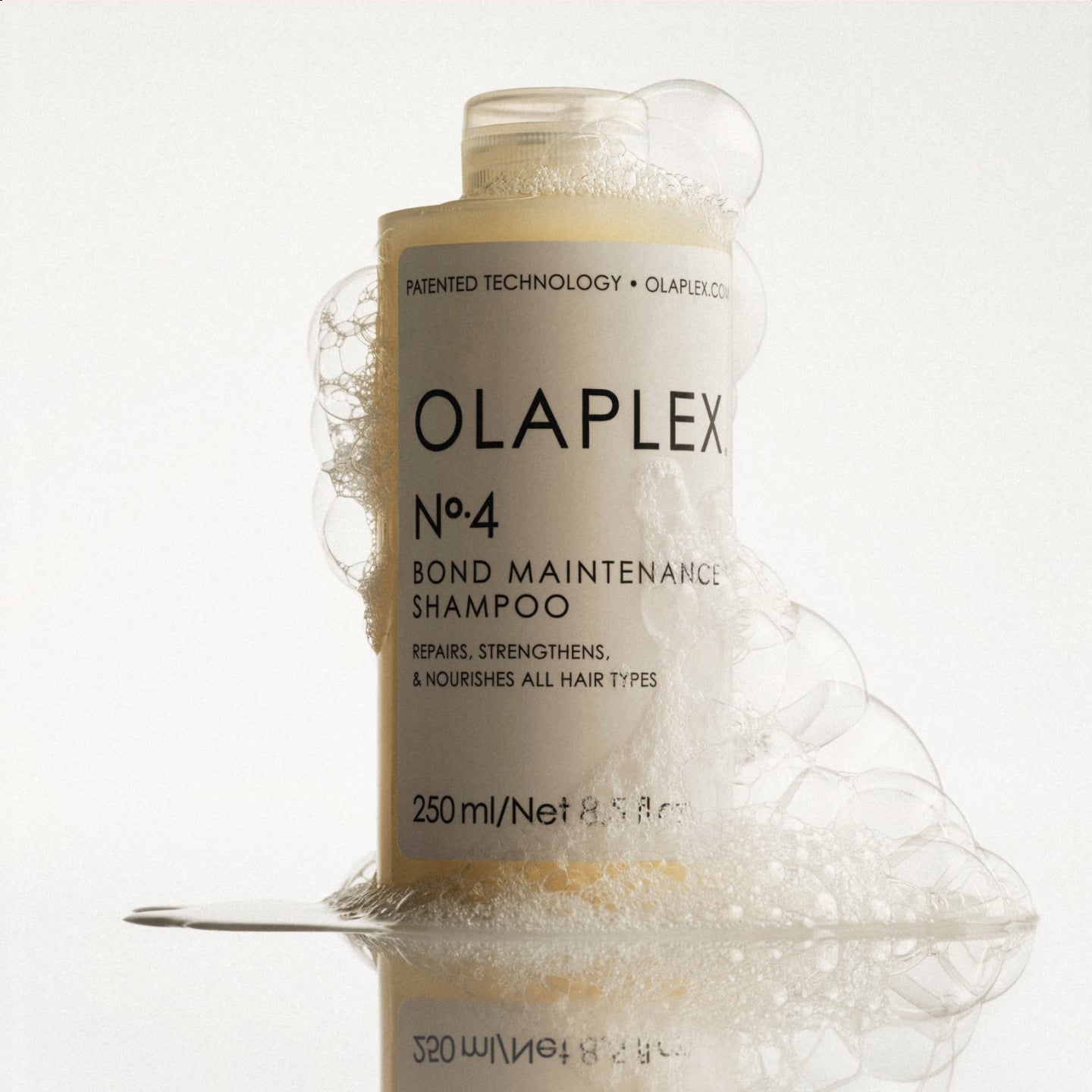
The first step of a good hair care routine starts with the basics—a reliable shampoo that is designed exactly for your hair type. For an overall hair cleanse that focuses on your hair’s internal structure, use Nᵒ.4 Bond Maintenance® Shampoo. This shampoo reduces breakage and strengthens hair while hydrating, and smoothing.
For a boost in hydration that will also detangle your hair, follow up with Nᵒ.5 Bond Maintenance® Conditioner. Both of these products work together as your first steps towards hydrated, shiny, hair.
For coarser hair, focus on reducing frizz and hydrating the hair. For all day frizz reduction, consider using the new Rich Hydration Mask which can provide 74% frizz reduction and add 119% more shine to your hair while increasing hydration by up to 16 times instantly after use. Multiple molecular weight oils infuse deep moisture into the hair, wrapping it in hydration for a high-slip softness and a halo of shine. This mask also works to prevent cuticle damage over time.
The Best Stylers for Thick Hair
Look for stylers that will moisturize thick hair, it’s important to keep up with hydration and definition by incorporating smoothing products and hair oils. Nᵒ.6 Bond Smoother® should be applied to clean, damp hair to create a smoother, softer blow-dries and more defined air-dried styles without weighing hair down. Finish the styling process with the OLPLE.7 Bonding Oil™ for an instant boost in shine, vibrancy, heat protection, and softness.
Pro tip: Hair oil also helps tame any frizz and flyaways.
Final Thoughts for Stronger, Smoother, Healthier Thick or Coarse Hair
Thick to coarse hair has its own character and needs. With the right products, it becomes more manageable and resilient while also being easier to style. Whether your strands are coarse, dense, or both, building a consistent routine rooted in repair and hydration is key to long-term hair health. Take the Hair Quiz today to get a personalized OLAPLEX routine for thick hair.
Dreamy sleep, glowing skin: 5 hacks to try in 2025
Are you a middle-of-the-night wanderer or someone whose mind just won’t quiet down at bedtime? We hear you! But don’t worry – beauty sleep is within reach. These 5 easy, science-backed tips will help you drift off faster and wake up glowing. Ready to support those sleepy hormones and create a calming bedtime routine? Let’s get into it.
Make it dark and quiet
Your body’s sleep hormone is super picky about light. In short? It loves darkness! Creating a dark, peaceful space before bed is like telling your body, “Hey, it’s time to relax.” Also, getting a little morning sunlight is key because it helps you wake up and set your internal clock.
Here’s how to make your room a sleep sanctuary:
Invest in some blackout curtains or try an eye mask (hello, beauty sleep!)
No screens for an hour before bed – trust us, that blue light is a total mood killer
If you can, get some sunlight in the morning by opening those curtains or stepping outside for a few minutes
No caffeine after 2pm (seriously)
We know, we know—your morning coffee is life, but trust us on this one. Caffeine can stick around in your system for hours, and it messes with your sleep. A little trick? Try cutting off your caffeine about 6 hours before bed. So, if you’re hitting the pillow at 10 pm, aim for no caffeine after 4pm.
Pro tip: Replace that last cup of coffee with a calming herbal tea or a hot cacao drink instead!
Eat to sleep, my friend
What you munch on can totally affect your ZZZs! Your body needs protein to produce sleep hormones, and magnesium is a MUST for staying asleep all night.
Here are some sleepy-time snack ideas:
Nuts like almonds and cashews
Dark chocolate (yum!)
Leafy greens like spinach and kale
Seeds like chia and sunflower seeds Also, try not to go for heavy meals too close to bedtime. Your body will be too busy digesting to relax itself.
Stress-free, sleepy vibes
We all know relaxation is key to a great night’s sleep, and there’s plenty of fun ways to keep your stress in check. Find what feels right for you, and it’ll make a world of difference.
Here are a few stress-busting activities we swear by:
Active relaxation: Cooking, yoga, painting, or even a little dance party—find what helps you unwind
Mindfulness: Whether it’s meditation or deep breathing, calm vibes = better sleep
Journalling or chatting with a friend: Talking it out is a game-changer for your mind
When stress creeps in, we love taking a colour walk – and trust us, it works! Simply pick a colour before you head out and focus on spotting it along the way. It’s a simple yet calming way to ground yourself in the present moment.
Get moving for better sleep
We know it sounds cliché, but regular exercise is everything for sleep. It doesn’t mean you need to run a marathon – just 30 minutes of moderate exercise, like walking, biking, or even some light gardening, can do wonders for your shuteye.
Exercise is like a sleep magic potion because:
It helps you stay asleep all night
You’ll fall asleep faster (goodbye, tossing and turning!)
It gives you more of that deep, restorative sleep you crave
Just remember – don’t exercise right before bed, or you’ll be too pumped up to sleep.
And that’s it! These simple, yet powerful tips will have you resting easy and welcoming glowing skin in no time. Sweet dreams!
Hair Loss In Numbers: How many men manage to hold onto their hair, and what is the success rate of treatments?
Hair loss is common, especially among men, with patterns of hair loss typically increasing with age. The most prevalent form of hair loss in men is androgenetic alopecia (male pattern baldness). Here’s a general breakdown based on research:
By age 30, about 35-40% of men experience some level of hair loss.
By age 50, about 65% of men experience hair loss.
By age 70, this rises to about 70-80% of men.
Given these figures, approximately:
60-65% of men under 30 have not experienced significant hair loss.
35% of men by age 50 do not experience significant hair loss.
20-30% of men by age 70 have no substantial hair loss.
Therefore, the percentage of men without hair loss decreases with age but is still significant in younger populations.
Approximately 70-80% of men experience some form of hair loss in their lifetime, particularly as they age. This means that 20-30% of men do not experience noticeable hair loss or maintain a full head of hair throughout their lives.
What percentage of men manage to treat hair loss successfully?
The success of treating hair loss varies depending on the treatment method, the individual’s condition, and how early treatment begins. Here’s a general overview of success rates for common treatments:
Medications:
Finasteride (Propecia):
Clinical studies show that 56% to 73% of men who use finasteride experience a slowing of hair loss, and about 38-56% see some hair regrowth over several years.
Minoxidil (Rogaine):
Around 40% of men experience hair regrowth after 3-6 months of use, though it’s more effective at slowing hair loss than reversing it. Its effectiveness tends to decline over time.
Hair Transplant Surgery:
Success rates for hair transplants can be quite high, with about 85-95% of transplanted hair growing successfully in a permanent way, depending on the surgeon’s skill and the patient’s suitability for the procedure.
Low-Level Laser Therapy (LLLT):
This is a less common method but has shown some positive results, with studies indicating that 30-60% of men may experience a slowdown in hair loss or mild regrowth after consistent use.
HR23+ Hair Restoration Supplement
HR23+ is a hair restoration supplement designed to help men (and women) reduce hair loss and promote healthier hair growth. It is marketed as a non-prescription, all-natural solution aimed at combating thinning hair, often caused by androgenetic alopecia (male pattern baldness). Around 85% of male users noticed visible improvements in their hair within just 3-6 months.
General Estimate
In general, 50-70% of men who pursue treatment (especially early) can manage to treat or slow their hair loss effectively. Complete hair regrowth is less common, but many treatments can slow the process or produce visible improvement.
The best drugstore eye shadows prove that you don’t need to spend a fortune to get rich color payoff, a smooth blend, and long-lasting wear. Once known for chalky textures and sheer pigments, today’s affordable eye shadows rival their high-end counterparts, with thoughtfully curated shade ranges and finishes that work for everyday makeup and full glam. Whether you’re after a swipe-and-go shadow stick for busy mornings, a neutral palette you can wear on repeat, or vibrant shades that were made for a night out, the drugstore has you covered. Ahead, we tapped professional makeup artists and tested a range of formulas ourselves to find the best shadows that deliver impressive results (without the luxury price tag).
Our Top Drugstore Eye Shadows
Frequently Asked Questions
Best Overall: ColourPop Super Shock Shadow
ColourPop
Super Shock Shadow
Allure associate social media manager Katherine Gunderman applying the ColourPop Super Shock Shadow
Why it’s worth it: Sold as singles or trios, ColourPop’s Super Shock Shadows are the kind of sparkly staples you’ll keep reaching for again and again. The pigment is seriously next-level, the shade range is massive (38 and counting), and the blend is effortless. Even better? They cost less than $10 each, but you’d never guess it from the way they blend. The cream-to-powder formula melts onto lids, sets in place, and lasts all day without creasing. According to New York City-based makeup artist Amanda Gabbard, Colourpop shadows are “incredibly blendable and just feel luxurious.” Unlike some shimmery shades that look dull once applied, these deposit bold, almost-metallic color with just one swipe. For the most intense swipe, we like using our fingers or a flat, firm brush. For a sheer, soft wash of shimmer, opt for a fluffy brush.
Gunderman before applying the ColourPop Super Shock Shadow
Katherine Gunderman
Gunderman after applying the ColourPop Super Shock Shadow
Katherine Gunderman
Tester feedback from associate social media manager Katherine Gunderman
“The Colourpop Supershock shadows are my go-to when I’m doing a shimmery look. They have sheen and glitter that looks so pretty on the lid. I love that these are buildable so you can do a light wash of color or really pack it on. I have these in so many shades and love how easy they are to apply and blend out with your fingers.” —Katherine Gunderman, associate social media manager
Shades: 38
Finish: metallic
Most Versatile: e.l.f. Cosmetics Perfect 10 Eye Shadow Palette
E.L.F. Cosmetics
Perfect 10 Eye Shadow Palette
Why it’s worth it: E.l.f. really earns the name here: The Perfect 10 Eye Shadow Palette offers a smart mix of velvety mattes and iridescent shades that instantly brighten the lids, according to Gobbard, which lend themselves to nearly limitless possibilities. Even better, the mattes are richly pigmented and easy to blend, so there’s none of that dry, crumbly fallout. Whether you’re going for a soft wash of color in the crease or layering multidimensional shades for something bolder, this palette makes it almost impossible to miss.
Colorways: 7 (10 shades each)
Finish: matte and metallic
Best for Mature Skin: Maybelline New York City Mini Palette
Maybelline New York
City Mini Palette
Why it’s worth: When shopping for eye shadow for mature skin, a formula that keeps fine lines in mind is key. That’s exactly why Los Angeles-based makeup artist Renée Loiz is a fan of the Maybelline New York City Mini Palette. “It blends beautifully into textured lids,” she says. The creamy mattes and shimmers both buff out seamlessly, softening the look of wrinkles rather than emphasizing them. With eight different colorways ranging from everyday neutrals to party-ready shades, this palette “consistently delivers blendable, wearable colors with impressive payoff,” adds makeup artist Alexa Persico (she notes that the mattes in particular perform well above their price point).
Colorways: 8 (6 shades each)
Finish: matte and sparkly
Best Eye Shadow Stick: L’Oréal Paris Paradise Le Shadow Stick
L’Oreal Paris
Paradise Le Shadow Stick
Why it’s worth it: Everyone needs a swipe-and-go eye shadow stick for rushed mornings. Gabbard swears by L’Oréal Paris’s Paradise Le Shadow Stick for its “silky-smooth finish that glides on easily and never pulls on the eyelid’s delicate skin.” The formula is buildable, so it never looks too thick or cakey, and you can layer it on whenever you want a little extra shimmer. “It’s truly a failproof item,” she says. Available in 14 shades, each one delivers rich color that’s transfer- and smudge-resistant—meaning you get impressive payoff and easy blendability, with or without a brush.
Shades: 14
Finish: shimmery
Easiest to Blend: Juvia’s Place The Coffee Shop Palette
Juvia’s Place
The Coffee Shop Palette
Why it’s worth it: “Juvia’s Place has some of the richest pigment payoff you’ll find at a drugstore price,” says Loiz—and The Coffee Shop Palette is proof. The 16-pan lineup of matte and sparkly shades takes inspiration from your favorite café drinks and blends like a dream—seriously, just a few swipes do the trick—and the colors translate from pan to lid with impressive intensity. Just add a swipe of mascara, and you’re good to go.
Shades: 16
Finish: matte and shimmery
Best Color Options: Nyx Professional Makeup Ultimate Shadow Palette
Nyx Professional Makeup
Ultimate Shadow Palettes
Why it’s worth it: If you’re ready to play with color, New York City-based makeup artist Alexa Persico says Nyx Professional Makeup excels at creating thoughtful color stories with its Ultimate Shadow Palettes. “The warmer neutrals and jewel tones layer easily and allow for full glam or soft-focus looks,” she explains. Take I Know That’s Bright, for example: The mix of vibrant purples and sparkly reds is ideal for anyone who loves to experiment. Prefer something more low-key? Warm Neutrals delivers the same smooth blendability in an easy, everyday palette.
Colorways: 4 (16 shades each)
Finish: matte and shimmer
Frequently Asked Questions
What’s the difference between drugstore eye shadows and more prestige brands?
“The main differences between drugstore and prestige eye shadows typically come down to pigment refinement, wear time, and packaging,” says Loiz. “However, brands like Juvia’s Place are proving that drugstore formulas can perform just as well as high end options.” In fact, many makeup artists often reach for drugstore shadows first. “Drugstore formulas today offer excellent payoff for everyday looks, especially in mattes and basic shimmer tones,” says Persico. She notes that they also tend to offer more accessible color ranges for beginners and impressive quality at an affordable price point—making experimentation feel low-risk. “Honestly, in many cases, the average person won’t notice a huge difference in day-to-day wear, especially if you use a good eye primer and the right brushes,” Persico adds.
How do you pick the best drugstore eye shadow?
New York City-based makeup artist Jennifer Nam previously told Allure that powder eye shadows tend to work best for most people, thanks to their seamless blendability. With the right powder, you can build color gradually, without any harsh lines. That said, if you have oily lids, a cream eye shadow stick or liquid formula may be a better fit. Creams are also a smart choice for mature skin, as “they have a smoother texture and are less likely to settle into fine lines and wrinkles,” New York City–based makeup artist Lisa Aharon previously told Allure. She favors matte finishes in particular, noting that they create a softly diffused look that’s more forgiving on texture.
Meet the experts
How we test and review products
Before reviewing any makeup, we ask questions about a number of factors: What ingredients are in it? Does the brand offer a wide, inclusive shade range with all skin tones and undertones? Is it safe for readers who have sensitive skin or wear contact lenses? Is it on the affordable side or more of a splurge? Is the packaging consciously designed or needlessly wasteful?
For our review of the best eye shadows, we enlisted the help of multiple editors, writers, contributors, and makeup artists. This ensures our testing base spans different skin tones, genders, and dermatological conditions. We considered each product’s performance across four primary categories: ingredients, wear and longevity, packaging, and inclusivity. For more on what’s involved in our reporting, check out our complete review process and methodology page.
Our staff and testers
A beauty product is a personal purchase. You might be searching for a face cream to address persistent dryness, a new nail product to add to your Sunday self-care routine, or you may simply be browsing around for the latest launches to hit the hair market. No matter what you seek or your individual needs and concerns, Allure wants to ensure that you love anything we recommend in our stories. We believe that having a diverse team of writers and editors—in addition to the wide range of outside testers and industry experts we regularly call upon—is essential to reaching that goal.
After all, can we really say a skin-care product is the “best” for people over 50 if the only testers we’ve solicited opinions from are folks who have yet to hit 30? Can we honestly deem a high-end diffuser worthy of your hard-earned cash if it’s never been tested on curls? We’re proud that our staff spans a wide range of ages, skin tones, hair textures, genders, and backgrounds, which means that we are able to fairly assess any beauty product that comes into the beauty closet.
At 31 years old, Jackie Garcia had surgery to remove a nearly 20-pound tumor, which has left lasting effects on her body and quality of life. Below, she shares her five-year journey to a cancer diagnosis she believes was delayed by medical bias and second-guessing—and a message for other plus-size women of color. Here is her story as told to Emilia Benton.
In 2017, when I was 26 years old, I started experiencing unusual symptoms, including cold and flu-like symptoms just about every month, as well as frequent, severe headaches and nausea. I would power through the work day and then take ibuprofen or Tylenol in the afternoons and evenings before passing out from exhaustion on the couch. Even with a supposedly “good night’s sleep,” I felt so fatigued and never woke up feeling refreshed. I would go on to feel this way for the next five years, during which time I struggled to get answers after visiting multiple doctors and other practitioners.
During that time, I also started to rapidly gain weight. I gained about 100 pounds within a year and a half, which was alarming, especially since my appetite had also waned and I could never seem to finish a full meal. This weight gain was an even bigger mystery to me because until then I had always been very active, working out at least six days a week, doing things like running, weight training, and high-intensity interval training (HIIT) workouts. I also lived with my sister, who is a registered dietitian, and she would often cook healthy meals for us. So I just chalked up my symptoms to work-related stress.
But as my symptoms worsened, my abdomen also hardened and expanded in size. I felt pressure in my pelvic floor, and my periods became painful and irregular, with intense cramping, nausea, and cold sweats. I was also getting rashes on my face and began having numbness in my legs when I would stand up. I figured this was all a result of the weight gain and thought maybe it was now my new “normal.” But I now understand none of these symptoms were normal at all, because I eventually learned I had a nearly 20-pound tumor that was pressing on my pelvic floor and spine, basically crushing my muscles and cutting off circulation to my organs.
Addressing underlying biases
For five years, I tried fruitlessly to get answers. I had always been good about going for my annual physical and well-woman exams and going to see my primary care doctor when I needed to. I brought up my symptoms to my PCP, and despite knowing how active I’d always been, she simply told me I needed to lose weight, walk more, and eat healthier snacks. I asked her to touch my hardened stomach, and she told me there was nothing there.
THE WHAT? Douglas Group reported solid full-year sales growth and more than doubled net income in FY 2024/25, meeting updated guidance despite a volatile European beauty retail environment.
THE DETAILS Sales rose 3.5% excluding the divested Disapo business to €4.58 billion, supported by growth across both stores and e-commerce, with online accelerating in the second half. Adjusted EBITDA margin reached 16.8%, while net income increased to €175.4 million, driven in part by lower debt. Fourth-quarter performance was shaped by higher price sensitivity and promotional pressure, resulting in lower profitability despite positive sales momentum. The retailer continued to expand its store network, invest in IT, supply chain and omnichannel capabilities, and signalled potential expansion beyond continental Europe, including a possible entry into the Middle East. For FY 2025/26, Douglas expects sales of €4.65–4.80 billion and an adjusted EBITDA margin of around 16.5%.
THE WHY? As premium beauty markets in Europe continue to grow at a slower pace, Douglas is prioritising profitable omnichannel growth, operational efficiency and selective geographic expansion to navigate shifting consumer behaviour and intensifying competition.
I’m no stranger to dry skin during the cold months — including slight peeling on my face and white ashiness on my knees—but about two winters ago I experienced an unparalleled level of uncomfortable dryness around my nipples and areolas. I thought that was bad, until 2024 when I was pregnant and one of the many bizarre pregnancy side effects I experienced was dryness and itching around my areolas.
And just when I thought it couldn’t get worse, it did. The early days of postpartum and breastfeeding my daughter brought even more dryness and itching in that area than I could bare. If you’re reading this, chances are you’ve experienced a similar itchy dilemma, for any number of reasons.
Experts say the issue is not uncommon, and various factors can lead to dry and itchy skin around the nipples. “Dermatitis, excessive sweating, or even an uncomfortable bra” are a few of the common reasons for dry skin in the nipple area, says Kim Nichols, a board-certified dermatologist in Connecticut.
It may take a bit of guesswork to determine what exactly is causing your itchy boobs (more on that in a minute), but if the sensation is severe and causing a lot of discomfort, your first step should be to see a dermatologist to figure out exactly what is going on. For more minor cases, there are a handful of over-the-counter products and specific ingredients you can use to help soothe the dry, itchy skin on your breasts.
To help, we tapped board-certified dermatologists and an ob-gyn to explain how to know what’s causing your discomfort—and how best to treat it.
Kim Nichols, MD, is a board-certified dermatologist in Greenwich, Connecticut.
Elyse Love, MD, is a board-certified dermatologist in New York City.
Hoosna Haque, MD, is a board-certified ob-gyn in New York City.
Mina Amin, MD, is a board-certified dermatologist in Los Angeles.
What causes dry nipples and breasts?
It’s important to note that nipple skin and breast skin are slightly different, though both have thinner skin than other areas of your body, making these places particularly prone to dryness and irritation. Nipple skin, as opposed to breast skin, “is hair-free, has more glands, and rests on smooth muscle. It has many nerve endings and can be [even more] sensitive,” explains New York City-based ob-gyn Hoosna Haque.
One likely cause of dry skin around the nipples and breasts surprised me: “Not wearing a bra can potentially trigger some dryness if there’s chafing of the nipple against the clothing,” explains Elyse Love, a New York City-based, board-certified dermatologist. Who would’ve thought freeing the nipple might actually dry it out?