THE WHAT? Body care brand Saltair is reportedly exploring a potential sale as parent company The Center evaluates strategic options for the business.
THE DETAILS According to industry sources, The Center has appointed investment bank Raymond James to manage the sale process, with initial bids expected shortly. Saltair, which launched in 2022 in partnership with model and influencer Iskra Lawrence, is projected to generate approximately US$150 million in sales in 2026. The brand is distributed through Target, Ulta Beauty, Amazon and other retail channels, with a portfolio spanning body washes, deodorant serums and body oils featuring skincare-inspired ingredients such as niacinamide, squalane and glycolic acid. The Center strengthened Saltair’s leadership team in 2025 with the appointments of Rachel Shelowitz as CEO and Erin Sale as Chief Marketing Officer. The company has previously sold Naturium to e.l.f. Beauty for US$355 million and fragrance brand Phlur to TSG Consumer.
THE WHY? A potential transaction reflects continued investor interest in fast-growing body care brands with strong retail distribution and ingredient-led positioning. It also underscores ongoing consolidation within the beauty sector, where strategic buyers and private equity firms continue to target high-growth brands.
There’s a kind of editing only summer travel demands. At home, the whole ritual has room to breathe. On the road — a carry-on, a weekend, a hotel sink — everything has to justify its place. The Iles Formula Travel Essentials Kit is that edit: the pieces of the ritual that earn their spot in the bag, and nothing that doesn’t.
It’s our limited-edition travel kit. Refillable minis, built for the season. For the trips between now and the end of summer, when hair takes the brunt of it.
Because travel is quietly hard on hair. Recycled cabin air on the way there. Hard, mineral-heavy hotel water once you arrive. Then days that run from salt water to swimming pool to a dinner you didn’t quite leave enough time for. The kit is built to hold the line through all of it.
Inside, the heroes in carry-on form:
The Iles Formula Signature Collection Minis — travel-sized and refillable — cleanse, condition, and protect, reviving hair to its softest, most manageable state each morning.
The Iles Formula Hair + Body Cleanse, for the days that end in water. Beach, pool, salt, and sunscreen — rinsed away in one.
The Iles Formula Rinseless Root Refresh, the reset for the long layover or the morning there’s no time to start over. A few seconds at the roots, and hair reads freshly done — no basin required.
And theIles Formula Comb, which distributes conditioner evenly from root to end, so nothing is wasted and nothing is missed.
All of it tucked into the kit itself, carry-on sized, packed in seconds.
What it isn’t: a travel-sized compromise.
These are the legendary Iles Formula Signature formulas in refillable smaller bottles — the same results, in carry-on dimensions. Because the whole point of a ritual is that it doesn’t change when your address does.
When it comes to fragrance, summer changes the rules. The heat arrives, the days stretch out, and clothing goes from light layers to barely any. You travel more. You stand closer to more people, in more elevators and on more terraces, than at any other point in the year. Whatever you put on in the morning is going to be noticed, so it is worth getting right.
This is also when I edit hard. In the hot months I want scent that reads as a clean shirt and a cold drink, not a velvet curtain. My rotation leans green, salty, and a little powdery, with a few flowers thrown in to keep things interesting.
Some are old reliables. One is technically a body mist. One is an evening scent that became my summer go-to, richer but never heady, a light take on a profile that usually goes much darker. All of them survive the heat, which is the only test that matters right now. Here’s what I’m wearing.
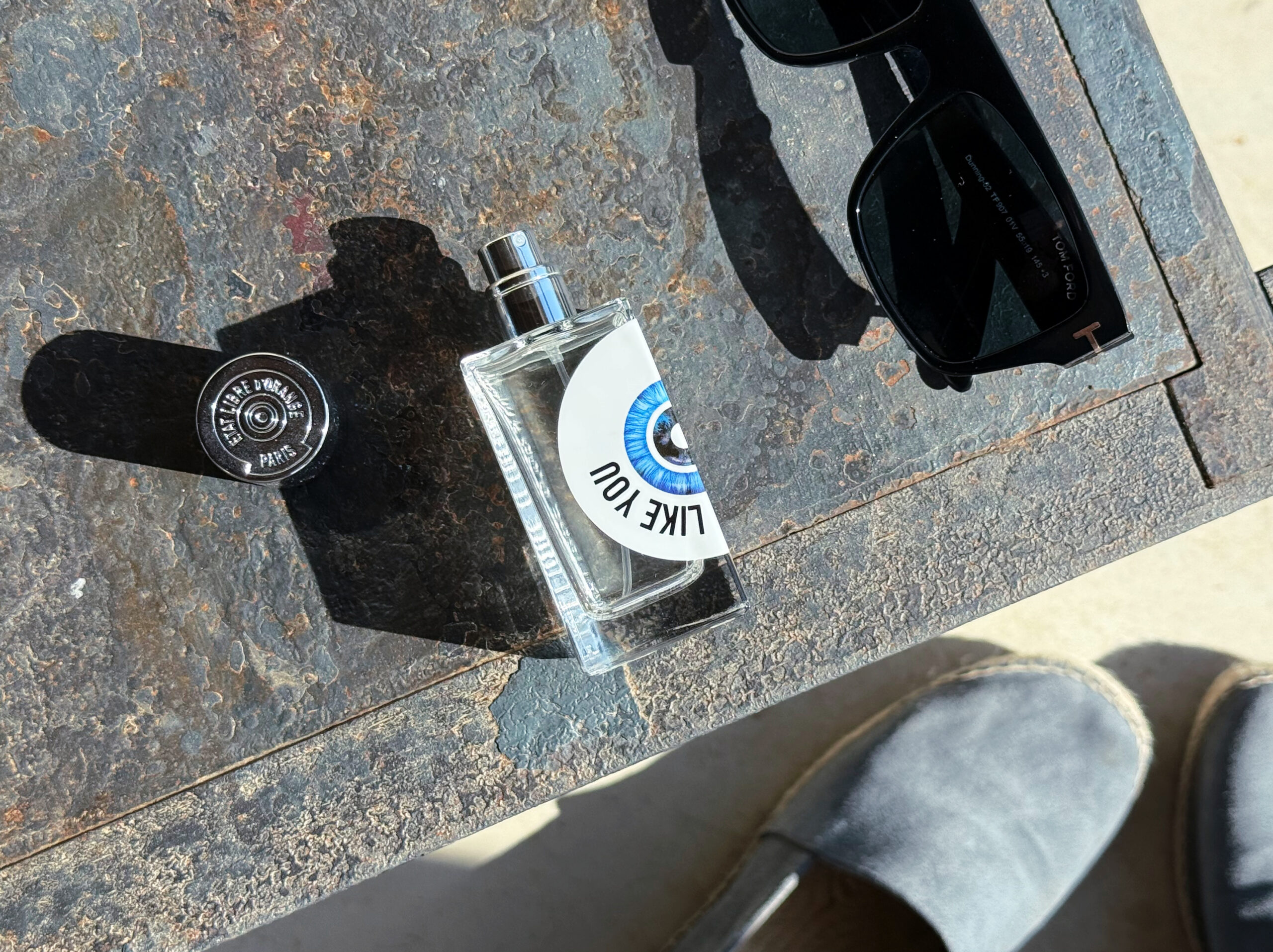
Etat Libre d’Orange You Or Someone Like You
If a mojito and a rose bush got into an argument, this is the truce. It opens on crushed mint, sharp and green, with grapefruit and a little anise giving it bite. Then a clean, dewy rose moves in and softens the whole thing. The mint never reads like toothpaste, it is effervescent, almost aquatic.
What I like is how simple and present it is. You Or Someone Like You smells like standing in a herb garden right after someone watered it. Fully unisex, no effort or bravado required. Longevity is decent for something this fresh, especially if you aim a spray at your shirt. Good for the days when you want to smell deliberate but not dressed up.
$105 (50ml) or $165 (100ml) at monc13.com
Escentric Molecules Molecule 01 + Champaca
The Molecule 01 trick still works. Iso E Super is that soft, woody, almost-not-there material that sits on your skin like warm cashmere and makes other people ask what you are wearing. Here it is paired with champaca, a rich Indian flower with facets of jasmine, orange blossom, and tea. A flash of orange blossom opens it, then the champaca turns creamy but never heady.
Some people cannot smell Iso E Super at all, which is part of the fun. On the right skin this becomes an intimate, blurry floral that comes and goes through the day. It is the most floral the Molecule line has gone, and it stays wearable rather than perfumey. If you want a flower that feels modern and undone, I cannot think of a better find.
$185 (100ml) at eccentric.com,monc13.com,SpaceNK.com
D.S. & Durga Sweet Do Nothing
Do not let the wild notes list fool you. On paper there is cactus, desert pepper, creosote, and a whole West Texas mythology. On skin it settles into a soft, watery orange blossom and neroli, with fig and a thread of incense smoke around the edges. It is calmer than its ingredients suggest, in the best way.
This is the one I wear when I want to smell like I am doing nothing, which is the entire point of the name. It is airy and a little hazy, more shade than sun. Worth knowing it has been a limited release, so if you find it, that is the moment to commit. Orange blossom people should not hesitate.
$210 (50ml) at dsanddurga.com,SpaceNK.com
Guerlain Aqua Allegoria Pink Green
Cucumber water with a rose in it. That is the fastest way to describe it, and I mean it as a compliment. The opening is cool and green, cucumber and mint and a bit of bergamot, like the first second of jumping into a pool. Then a soft green rose comes up, rounded out with pear and a clean musk.
It is light, pretty, and very easy to wear, which is the whole Water Allegory brief. Do not expect it to announce you across a room. This is a skin scent that fades to a whisper after a few hours, so it suits hot days when you want refreshment more than projection. To me, it’s almost soapy but the floral accord is posh and modern.
$125 (75ml) at bergdorfgoodman.com,Sephora.com,boots.com
Primordial Waters Primary Color
This is clean laundry as a fragrance, and it commits fully. Bright aldehydes and a soft pear open it up, jasmine and rose hover underneath, but the headline is that just-washed, line-dried cotton effect. If you are the kind of person who sniffs a fresh towel and feels at peace, this was made for you.
The musk and ambroxan in the base give it real staying power, which clean scents often lack. It is soapy, crisp, and faintly sweet, and it works on anyone. I reach for it on the days I want to smell showered and put-together with zero narrative. Sometimes you do not want a story. You want fresh sheets.
$280 (100ml) at niche-beauty.com
Abel Miami Split
The wildcard. Everything else here is fresh or clean, and then there is this: green banana, white oud, and labdanum. It reads like a dare. In practice it is one of the more interesting things I have worn all year. The opening is a tart, green banana, more peel than candy, with a little burnt caramel underneath. It does not stick around.
Then it turns. The fruit burns off and what is left is smoky, resinous labdanum and a clean, modern white oud that skips the usual barnyard. Abel is a natural house out of New Zealand, and the banana note is upcycled from banana processing waste, which is the kind of detail I cannot resist. It is darker than a summer scent has any right to be, which is exactly why I keep reaching for it on warm nights.
$220 (50ml) at thedetoxmarket.com
Jo Malone Wood Sage & Sea Salt
The one I keep coming back to. A flick of grapefruit up top, then sea salt and that mineral, slightly sweaty ambrette that smells like skin after a swim. Sage keeps it dry and a touch herbal, so it never tips into beachy or coconut territory. This is the cold-Atlantic version of a summer scent, not the tropical one.
There is a catch. It is light, and it does not last long enough. Treat it as something you spray often rather than once. It does layer well with other scents and makes for a great enhancer to other, richer or more floral options in your fragrance wardrobe. Years after its launch, I am shocked one of the most popular launches did not earn a richer ‘extrait’ or ‘oud’ remix.
$92 (30ml), $122 (50ml), $170 (100ml), and some retailers carry the travel-size which retails for $34 (10ml).
Available at jomalone.com,sephora.com,bluemercury.com, and nordstrom.com.
Fitz-James Stuart Fifteen Days of April
A local one, which I am a little biased about. This is a Madrid house tied to the Palacio de Liria, and the scent is meant to capture spring in its gardens. Alberto Morillas built it, which tells you it will be polished. It opens bright and citrusy, bergamot and mandarin and neroli, then moves into orange blossom and jasmine softened by a little tonka.
What keeps it from being just another pretty white floral is the base. Tea, musk, and Virginia cedar give it a calm, slightly woody finish that holds up in the heat. It is elegant without trying hard, the kind of thing you wear to lunch and someone leans in. Fair warning on the price, since this sits firmly in luxury territory at around 240 euros, but it smells like it.
Available at fitz-jamesstuart.com
Exalted from Nothing
Technically a body and hair mist, practically one of the best clean scents I own. White tea and orange blossom keep it bright, then rice powder and soft musk give it that fine, powdery finish, like fresh skin after a bath. It is delicate but not faint, and it lingers more than a mist has any right to.
Here is the part that gets me as a skincare person. The formula is built to be kind to skin and hair, with beta glucan and a hydrating molecule in the mix, so you can mist it head to toe without that drying alcohol bite. It layers beautifully under or over other things. In summer I treat it like a finishing veil and reapply whenever I want to feel reset.
$140 (100ml) at saksfifthavenue.com
Summer Fragrance Wrap Up Notes
That is the lineup. None of these will trail you across a room, and right now that is exactly the point. I want to be noticed up close and forgotten by the time the elevator doors open.
If your taste runs richer, I am not going to talk you out of it. I have a whole post on the heavier, denser fragrances I refuse to retire just because it is summer, so if heady is the goal, start there.
Affiliate disclosure: This post contains affiliate links. I only recommend products I actually use and love. If you shop through these links, I may earn a small commission, which helps keep this site running.
At a time when more than one in two consumers uses between 4 and 6 products daily on the face, and nearly 15% apply 7 or more, the generalization of layering is profoundly transforming the uses of beauty and poses new formulation and safety challenges for cosmetic laboratories.
Cosmed has chosen to place this theme at the heart of the 26th edition of its Scientific Congress, which will be held on September 29, 2026 in Montpellier.
On the program: the latest advances on interactions between active ingredients, optimization of multi-product effectiveness, galenic compatibility and the evaluation of complete routines.
Among the experts present:
Florence Bernardin (Founder, Asia Cosme Lab) will discuss the Asian origins of layering and its impact on consumer perception and loyalty.
Coralie Ebert (CTO & Co-founder, Me Now) will present a unique map, generated by artificial intelligence, of the interactions between the ten major emblematic assets of the market.
Muriel Morelli (R&D Expert, Sciences & Cosmetics) will tackle formulation issues, particularly “linting”, this physical manifestation of incompatibility between products.
Géraldine Savary (Teacher-researcher in chemistry, URCOM Laboratory) will demonstrate how a physicochemical approach to the interface can guide the development of efficient formulas.
Hassan Zahouani (Professor at École Centrale Lyon & Co-founder, Tacinnov) will explain how to technically evaluate the performance of a complete routine.
Clarisse Bavoux (Deputy CEO, CEHTRA) and Adeline Nalin (Pharmacist and Toxicologist, AROMA-ZONE) will decipher the safety requirements imposed by the daily layering of cosmetics.
Complete program and registration: Cosmed Scientific Congress.
The bell-bottom haircut has found an A-list fan in Amal Clooney. If we could trade hair with any celebrity, it would have to be her. Long, glossy and enviably thick, her signature brunette lengths are always impeccably styled. Stepping out at the Cartier Women’s Initiative event in Bangkok, the human rights lawyer debuted a new shape, dubbed the “bell-bottom haircut” by her go-to hairstylist, Dimitris Giannetos.
Drawing inspiration from Clooney’s geometric lilac Prada dress, Giannetos wanted her hair to have a distinctly ’70s feel. “I wanted to complete the look with something timeless, chic, but at the same time make it bold,” he wrote on Instagram. “Since her dress is geometrical, I wanted her hair to have a ’70s flair! I gave her the ‘bell-bottom haircut’ before I styled it into a soft, bouncy blowout.”
Taking its name from the flared jeans that defined the decade, the bell-bottom haircut is all about shape. “It borrows the face-framing softness of the butterfly haircut and combines it with the volume and movement of ‘70s blowouts,” explains Neale Rodger, Style Director at STIL Salon. “What feels new is the silhouette, as the shape is fuller through the mid-lengths and ends, which creates that soft bell-like outline that gives the trend its name.”
Who suits the bell-bottom haircut?
“It’s incredibly versatile, but it tends to suit people who want movement, volume and softness around the face. It’s particularly flattering on medium to long hair and works beautifully for anyone wanting to create the illusion of fuller, more voluminous hair with a modern vibe,” explains Rodger.
There’s a reason it photographs so beautifully, too. “Balance. The face-framing layers open up the face and highlight your features, while the fuller shape adds softness and movement, and the length provides the comfort blanket. It’s one of those rare cuts that can make hair appear thicker while also feeling light and airy. The shape naturally draws attention to the eyes, cheekbones and jawline, which is why it photographs so well.”
Matt Taylor, senior stylist at Hadley Yates Salon, points out that the haircut itself is actually fairly understated. “It’s essentially a one-length haircut with some shaping through the front,” he says. “It’s mainly in the styling.” Think soft, rounded blow-dries that create movement through the lengths rather than perfectly polished curls.
If you’re tempted to give this haircut a whirl, Rodger recommends asking your stylist for “long, soft layers with plenty of movement around the face while maintaining fullness through the perimeter. Reference photos are a must, as the overall silhouette is what defines this look. The key is avoiding layers that are too choppy or disconnected. Everything should blend seamlessly.”
Antonio Hector, stylist at Hershesons Belgravia, agrees that less is more. He recommends asking for “a one length silhouette, minimal layers on the top with shaping focused on the very bottom front layers,” adding that if your hair is particularly thick, “a little invisible layering at the bottom will help contribute to some needed movement.”
I was wondering if Megan Thee Stallion was going to make an appearance on this season of the massively popular Love Island, given that she popped up in Fiji last year, so I can’t say I was too shocked to see the Hot Girl Coach strutting into the villa. That being said, I did not expect to see her with a Marie Antoinette-inspired updo in the prettiest shade of cotton candy pink!
Megan made an appearance on the most recent episode of the reality dating series wearing a lilac lace bikini with a pastel pink wig designed by her hairstylist Kellon Deryck, who broke down the creation of said wig on his Instagram. Megan’s hair was definitely reminiscent of the French queen’s favorite skyscraper styles, piled atop her head in a bevy of loose, fluffy curls with a few tendrils to frame her face and enhanced by dangling pearl earrings and a cute cameo brooch at her throat.
According to Deryck, he created the base with a hair cage, which he sprayed pink to match the dyed pink hair. He then curled it using a roller-set technique and let the curls cool, teased them around the hair cage to disguise the metal, then pinned the curls and sprayed them in place with lots of hairspray to ensure the wig would arrive in Fiji looking camera ready. (Jacob Aaron did the install on the rapper.)
Peacock
Megan’s entire look was modeled after Marie Antoinette and the frilly, ultra-feminine styles favored by the queen and her court, including her pretty-in-pink makeup with a soft rose on her eyes and brighter color on her cheeks by Ehlie Luna and her Versailles-inspired manicure by Jay Oh of Kawaii Nails NYC. Is this Fiji or did we actually time travel to the French court? And more importantly, do we all want pink hair now?
She Is Officially Back: The Ultimate Runway Royalty Reclaims Her Signature Throne
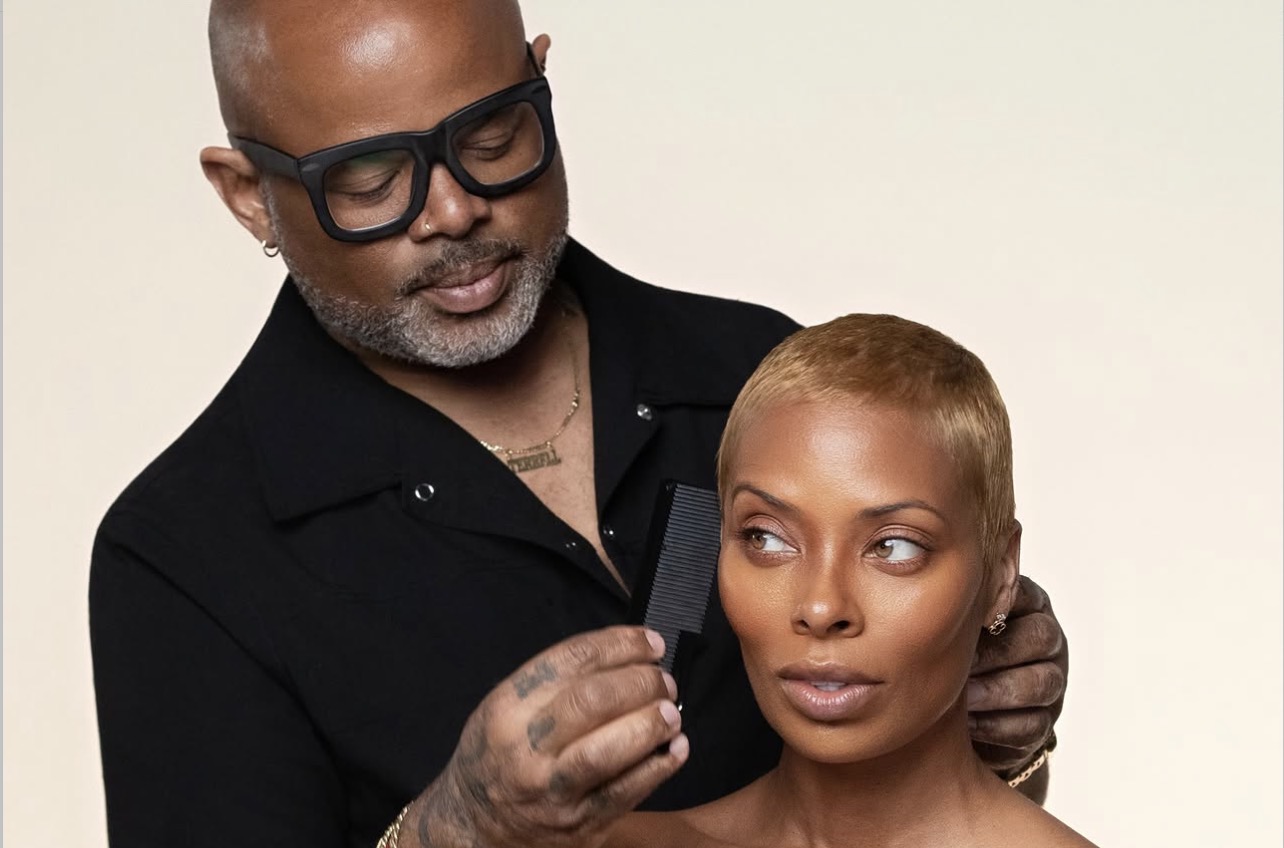
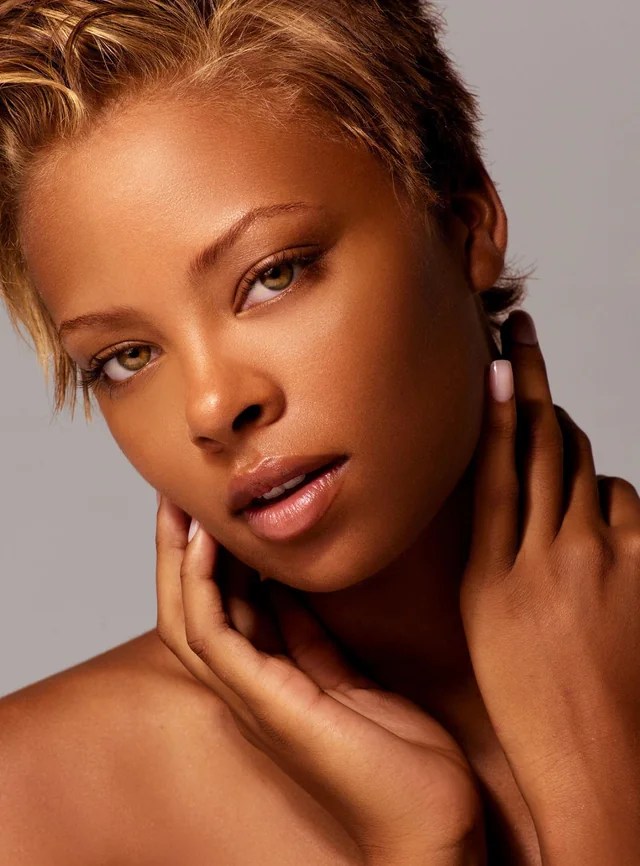
Our beauty timelines are completely melting down today, and we need to collectively catch our breath because the ultimate hair chameleon just blessed us with the comeback of the century. The breathtaking model and television star Eva Marcille officially turned heads by completely parting ways with her long, beautiful locs and debuting a spectacular transformation. Trusting her crown to none other than the master celebrity hair stylist Terrell Mullin, she went for the ultimate big chop to bring back the exact aesthetic that first made the entire world fall completely in love with her. She chose this moment for a major visual reset, effortlessly showing us all that a dramatic hair change can be the perfect way to step boldly into a brand new era of life.
Photo Credit | Instagram| @EvaMarcille
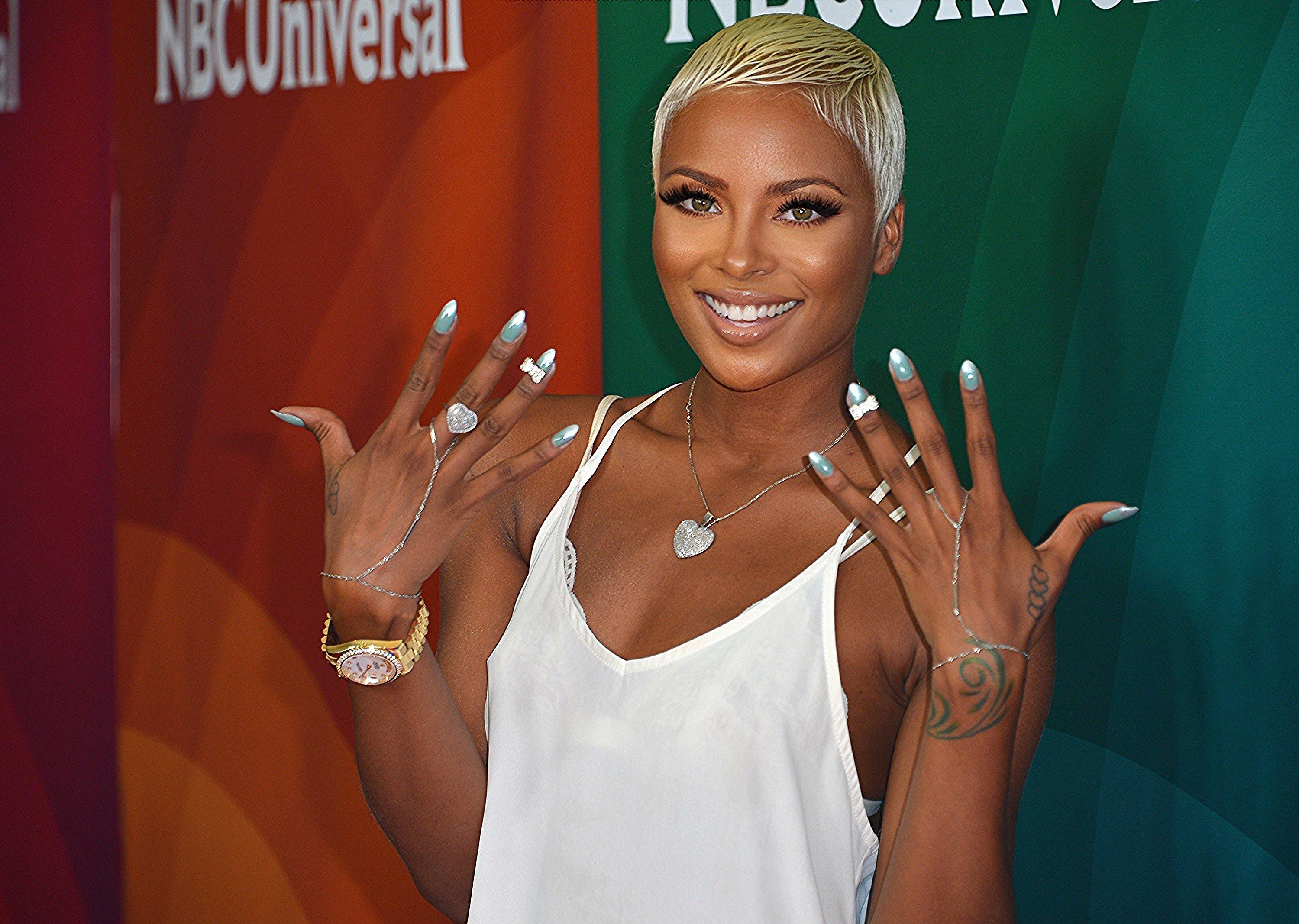
This spectacular shift feels like a beautiful full circle moment for fans who have been following her journey since day one. The stunning Eva Marcille Blonde Pixie Cut makes us incredibly nostalgic because this is the exact, iconic style she pioneered when she first stepped onto the national scene and completely dominated America’s Next Top Model as a fierce young trailblazer. Terrell Mullin perfectly executed the precise cropped fade and vibrant color, proving that a short cut paired with unmatched confidence will always be the blueprint for high fashion elegance. Shifting back to her beautiful roots reminds our community that true style is timeless and that sometimes less really is more. Go ahead and call up your favorite salon professional immediately, because this legendary blonde revival is officially the ultimate summer hair inspiration we all needed.
Wispy lash sets continue to be one of the most requested lash extension styles and for good reason. This textured, airy look gives clients a soft but defined lash line with customized spikes that create beautiful dimension.
In this set created by @katie_the_lash_lady, she used EBL CC Curl .03 lashes paired with our Magic Adhesive to create a lightweight, wispy lash set with the perfect balance of texture and fullness.
CC Curl is a favorite for lash artists who want a soft, lifted appearance. This curl gives the eyes a flattering open look while still keeping the set natural and wearable. The .03 diameter keeps this style lightweight while allowing you to build beautiful texture and volume.
Our Magic Adhesive is our go-to choice for classic and volume lash artists who want a smooth application and dependable retention.
Wispy Lash Mapping Details
The key to a beautiful wispy set is creating contrast between the spikes and the softer fans. Here is the exact map Katie used:
Top Line (Spikes): 10 – 14 – 12
Middle Line (Spikes): 6 – 12 – 9
Bottom Line (Fans): 6 – 12 – 9
This layered mapping technique helps create that signature wispy texture by allowing the spikes to stand out while the fans add softness and fullness underneath.
Tips for Creating a Wispy Lash Set
✔️ Use strategic spike placement to create texture without overwhelming the eye ✔️ Layer different lengths to add dimension and movement ✔️ Keep your fans lightweight to maintain healthy natural lashes ✔️ Choose a curl that enhances your client’s eye shape and desired style
Whether your client loves a soft everyday lash or a more textured “wet wispy” inspired look, a well-mapped wispy set can be customized to fit their style.
Ready to recreate this look?
Shop EBL CC Curl lashes + Magic Adhesive and tag us in your sets, we love seeing what you create! 🤍
To shop all lash extensions and Korean Lash Lift supplies visit our website here.
What Actually Works for At-Home Under-Eye Treatment
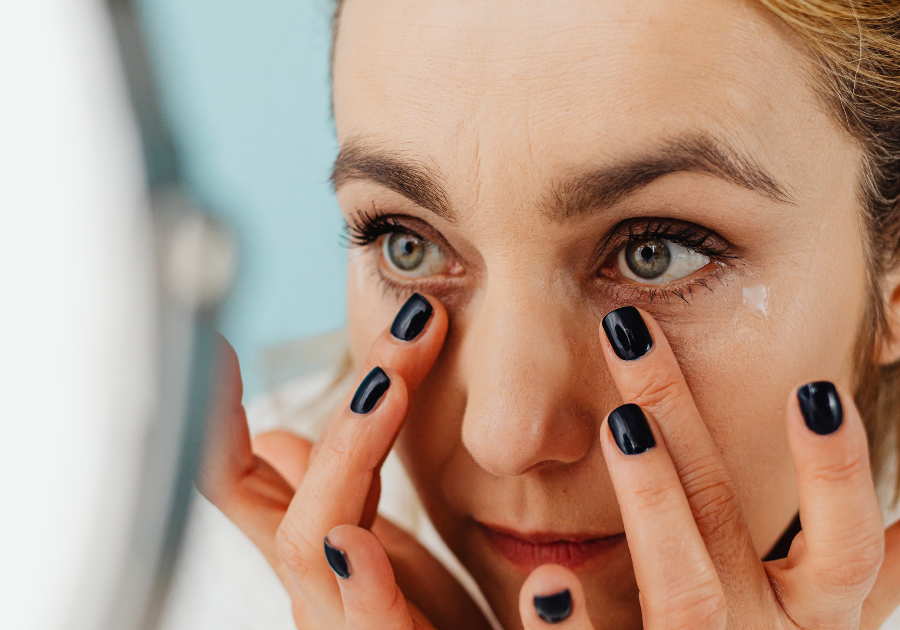
Topical products can support the under-eye area, but the right ingredients matter. Fraicola’s top two recommendations are retinol and caffeine.
A low-strength retinol specifically formulated for the eye area because it helps renew the skin over time. Don’t use a retinol meant for the rest of your face beneath your eyes. The skin in this area is much thinner and more prone to dryness, redness, and irritation and requires a specific formula.
Caffeine can also be helpful for the under-eye area, particularly when puffiness is contributing to the appearance of tired-looking eyes.
For pigment concerns, skin-brightening ingredients like tranexamic acid and kojic acid can help gradually improve discoloration over time.
One product worth knowing about from Apex Skin’s own line is Eye Rehabwhich combines both caffeine and retinol in a single formula.
It’s important to remember that under-eye concerns can be treated in the office or with products but to get the best results, they should be paired with lifestyle improvements like more sleep and proper hydration.
Trends and Products to Avoid Near Eyes
Not every skincare ingredient belongs near the eyes. Alpha-hydroxy acids (AHAs) and beta-hydroxy acids (BHAs), including salicylic acid and lactic acid, can be very irritating around the eyes. Fraicola recommends keeping at least half a thumb’s length of clearance below the waterline when applying these exfoliating products.
One trend Fraicola has seen more frequently lately is patients using Korean skincare “fat plumper” sticks beneath the eyes.
Her concern is that many of these products contain ingredients that can cause irritation, dryness, and flakiness. When the skin barrier becomes compromised, treatments such as microneedling and chemical peels may need to be postponed until the skin has recovered.
When in doubt, consult a qualified provider before trying trending products in such a delicate area.
“Just make sure you know what’s in your products,” she says, “and that you’re consulting with a nurse, nurse practitioner, physician, or PA so that you know what’s good for your skin.”
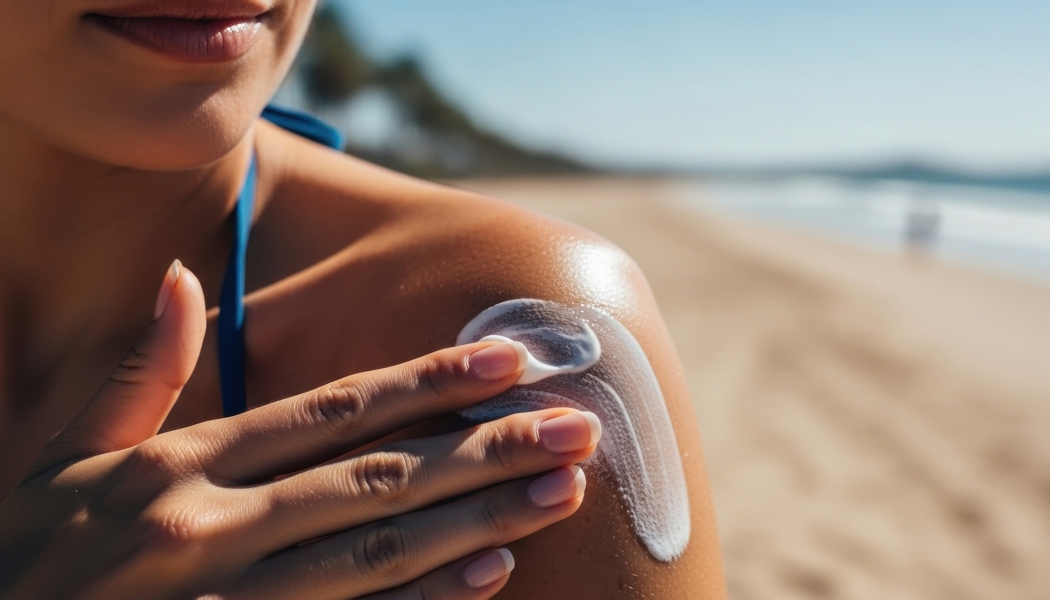
Inolex explains that LexFeel Enhance MB was designed to work with bemotrizinol and other organic UV filters with the aim of facilitating the formulation of solar products “stable, pleasant to use and with high FPS“. Its polymeric structure makes it possible to create anti-UV protection systems that are more thermodynamically stable while improving the aesthetics of the formula. Inolex indicates that in vivo tests have demonstrated that LexFeel Enhance MB offers a booster effect of 25 to 30% within the systems evaluated, making it easier to obtain an SPF 50.
“Inolex is excited to introduce a new ingredient that boosts SPF and provides a sensory experience that encourages consumers to apply and reapply the product“, explain Art Knox, president of Inolex.
Improved sensory properties and stability
Beyond UV protection, the company emphasizes that the sensory characteristics of sun protection products play a key role in their acceptance by consumers. “Aesthetics, and not protection, remains the main criticism that consumers level against sun protection products. Too many formulas are perceived as heavy, greasy or sticky“, explains Inolex.
It is precisely their sensory qualities that have ensured the growing popularity of Korean and Japanese sunscreen products around the world.
LexFeel Enhance MB is positioned as an alternative to traditional solubilizersit makes it easier to spread products on the skin for more even coverage. It provides added radiance and shine without an oily feeling, as well as a final feeling of hydration and comfort.
Inolex also states that its ingredient stabilizes bemotrizinol more effectively than the reference emollients. According to company data, a 5% concentration of LexFeel Enhance MB can solubilize and stabilize 6% bemotrizinol for up to 12 weeks at 4°C in sunscreen formulations. For comparison, formulas containing 5% C12-15 alkyl benzoate, Dibutyl Adipate (DBA) or Dicaprylyl Carbonate remained stable for less than four weeks under the same conditions. The company notes that twice as many of these reference emollients are often required to achieve comparable stability, which can alter the sensory profile of the final formula.
Global opportunities
While bemotrizinol has been used in sunscreens in Europe, Asia and Australia for several years, Inolex says its recent approval in the United States opens up new formulation opportunities, not only in this market, but also globally. According to the company, LexFeel Enhance MB provides a solution for formulators around the world seeking optimal aesthetics and stability for their sun protection products.
This launch also reflects Inolex’s approach to new developments. The company says it relies on R&D accelerated by artificial intelligence to reduce the time between design and marketing, with the aim of offering safe, ecological and more efficient ingredients more quickly.