
Home Blog Page 138

“When well designed, packaging can become a smart tool,” Amela Kusuran

0

What inspired you to pursue a career in the packaging industry?

Amela Kusuran – What inspired me above all was the interaction between material and object. Watchmaking is a highly demanding field, where touch, appearance, comfort, and precision are essential: we create intimate objects that people wear every day. As a scientist, rethinking materials in this context came naturally.

Packaging quickly became an obvious extension of this work, as it is impossible to design something without considering how the object is protected, presented, and passed on. I like the idea that material, packaging, and the narrative surrounding the object all form part of the same vision — a more responsible one — in a sector that is constantly evolving in response to environmental challenges and changing consumer expectations.

Which material has particularly fascinated you in your recent projects?

Amela Kusuran – One material that has particularly fascinated me recently is coffee grounds. I have been working on transforming them into a material for watch and jewellery boxes. Beyond itscircular nature, this project explores a strong sensory dimension: the scent of coffee, the tactile experience, and the emotion created when the box is opened. It provides a new way of telling the story of an object by engaging multiple senses.

What is one of the biggest challenges you have faced as a young leader in this sector?

Amela Kusuran – One of the main challenges has been introducing new ideas into a sector that has historically been highly codified. Proposing an alternative material or a more sustainable process inevitably means challenging established habits: you have to convince, explain, listen, adjust… and sometimes start all over again. Finding the right balance between innovation and industrial feasibility is a constant exercise. As a young leader, you also have to learn how to communicate a clear vision while remaining attentive to market realities.

If you could change one misconception about packaging, what would it be?

Amela Kusuran – I would like to move beyond the idea that packaging is merely “waste.” When well designed, it can become a smart tool — reusable, recyclable, minimalist, and fully aligned with the object it accompanies. It protects, enhances, and can even extend a product’s lifespan. I am convinced that tomorrow’s packaging will be designed with the same degree of precision as the product itself and will become a genuine driver of sustainable innovation.

This year marks the 25th anniversary of Paris Packaging Week. What legacy would you like the new generation of Future Leaders to leave for the next 25 years?

Amela Kusuran – I would like our generation to leave behind a more responsible and more human way of creating. I hope we will have challenged established models and prioritised simplicity, quality, and a more circular approach. If, in 25 years’ time, the industry is more transparent, more respectful of resources, and more aware of its impact, then we will have achieved something really important.

What advice would you give to young professionals starting their careers?

Amela Kusuran – I would tell them to be bold: ask questions, suggest ideas, and express their point of view. Creativity often comes from curiosity or a simple observation. I would also encourage them to explore different disciplines and change their perspective, as the industry needs fresh ways of thinking. Finally, I would remind them to enjoy the journey: it’s a demanding but exciting field, where you are constantly creating and inventing.

What does being selected as a Future Leader mean to you?

Amela Kusuran – It is a great source of pride, but above all a responsibility. Being a Future Leader means embodying a more innovative, committed, and open approach, while giving visibility to work that often happens behind the scenes and leads to the creation of new materials. For me, this recognition is a real encouragement to continue championing innovation that has meaning.

Can you share an example of a design, innovation or brand that you consider iconic and explain why?

Amela Kusuran – One brand I consider iconic is ID Genève. Their approach reinvents watchmaking by combining high-end design, circular materials, and transparency. They demonstrate that it is possible to create a desirable watch while rethinking the entire value chain, from materials to packaging. For me, they embody responsible innovation and a truly modern vision of watchmaking.

Gloves are the unexpected style trend of 2026 – here’s how to style them

0

Before they went out of style in the 1960s, gloves were an essential part of women’s wardrobes for centuries, hitting their most decadent era during the reign of Queen Elizabeth I, who, like Dominic, loved her gloves embellished to an inch of their existence. Politically speaking, it’s impossible not to consider gloves as an archaic piece for a reason, an item that is connected to the disparity in the workforce and women being seen as just decorative. Yet as we’ve seen with younger generations embracing corsets and towering heels, there are opportunities to reclaim these old rules and celebrate them in a new, positive way.

In order to bring gloves back to everyday lives, let’s start by figuring out some style commandments of glove-wearing, according to some of our favourite celebrity and catwalk looks:

Rihanna

Daniele Venturelli/Getty Images

Image may contain Huw Higginson Clothing Dress Formal Wear Fashion Gown Adult Person and Runway

Richard Quinn

WWD/Getty Images

1. Match the gloves to the rest of your outfit

Celebrities like Rihanna, Anya Taylor-Joy, Pamela Anderson and Ariana Grande are experts at this trick, having showcased the levels of drama a pair of gloves can bring to a red carpet look. This approach will create an elongated silhouette and a decidedly contemporary look – matching patterns or bold colours always have that effect, as seen on catwalks from brands like Richard Quinn and Marine Serre.

Dents Women’s Spotted Cotton Gloves with Cuff Bow

Dents Women’s Long Above-Elbow Satin Gloves


Image may contain Liu Wen Fashion Clothing Coat Performer Person Solo Performance Adult and Glove

Saint Laurent AW25

Vittorio Zunino Celotto/Getty Images

Image may contain Maxsta Clothing Footwear Shoe High Heel Coat Pedestrian Person Adult Glove Accessories and Bag

Balenciaga Pre-Fall 2026

Courtesy of Balenciaga/Launchmetrics.com/spotlight

2. A contrasting glove adds unprecedented elegance

Just like matching colours and prints achieves a sense of modernity, a contrasting glove instantly transports you back to the era of 1980s power dressing, pointing to iconic references like Yves Saint Laurent. Recently, designer Anthony Vaccarello brought these pieces back for his AW25/26 collection at YSL, with loose leather gloves in shades that fought with those of the oversized outerwear. Similarly, Pierpaolo Piccioli’s new, pre-fall collection at Balenciaga captured a balance between formality and casual sophistication; think workout gear with opera-length gloves. Miuccia Prada and Raf Simons agree, as evident in one of their key looks for SS26 – a chartreuse 1950s-style dress with a soft lilac glove.

David Koma Bow Detail Long Jersey Gloves

Lauren Perrin Hand Dyed Pink Cotton Gloves


Image may contain Adult Person Face Head Photography Portrait Clothing Hosiery Pantyhose and Glove

Naomi Tarazi’s voluminous silhouettes

Shauna Summers/Courtesy of the brand

Image may contain Clothing Glove Adult and Person

C’est Jeanne beaded velvet gloves

Julia Hermans/Courtesy of C’est Jeanne

3. Bold shapes and embellishments get bonus points

Berlin-based designer Naomi Tarazi creates voluminous silhouettes, with gloves being an essential part of the story. “While designing, I imagine them as an extension of the whole look because it just makes it more complete,” she says, referencing the 3D effect achieved with her signature, circular boning technique. Meanwhile, Dutch designer Jeanne Hermans is one of the leading artisans with her label C’est Jeanne, creating custom couture pieces that veer into the territory of wearable sculpture. “The reason gloves are so special to me is the technical skill required to create this accessory. I started glove making to fully understand this mysterious garment,” Hermans says.

Issey Miyake Red Knit ‘As It Is’ Gloves

Naomi Tarazi Golden Gloves

Image may contain: Adult, Person, Clothing, and Hosiery

C’est Jeanne Sofia Black Bow Gloves


Image may contain Pamela Anderson Person Adult Clothing Glove Body Part Finger Hand Accessories and Formal Wear

Pamela Anderson

Charly Triballeau/Getty Images

Image may contain Accessories Bag Handbag and Purse

Valentino SS26

Daniele Venturelli/Getty Images

4. Tulle, mesh and lace for a softer look

One designer who happens to be a master of recreating a vintage vibe is Alessandro Michele, whose SS26 collection at Valentino showed the most delicate pair of gloves in the form of wrist-length purple lace, reminiscent of 1950s housewives. Transparent materials like nylons, tulle and lace are a great way to dip into the gloved experience, both practically and stylistically. The delicate texture subtly reveals the skin underneath and allows you to actually feel what you are touching.

Valentino VLogo Mesh Gloves in Blue

Mango Elbow Length Lace Gloves


5. One step up from lingerie

It’s no surprise that lingerie and hosiery brands have the expertise needed to craft these pieces. British designer Lauren Perrin and Ukrainian label Zhilyova are both indie brands that create incredible gloves, in prints and unexpected silhouettes, which totally reinterpret vintage ideas. Tatiana Tolstikova of Zhilyova statesthat gloves deserve a return to the mainstream because they “bring intention back into dressing. In a world of fast fashion, gloves invite a more thoughtful, expressive approach to style.”

Lauren Perrin Circles Yellow & Black Gloves

Lauren Perrin Sketch Tartan Red Gloves

Zhilyova Nirvana Midnight Long Gloves

Atsuko Kudo Moulded Evening Length Gloves


Image may contain Taylor Russell Black Hair Hair Person Adult Face Head Photography Portrait Clothing and Glove

Taylor Russell

Frazer Harrison/Getty Images

Image may contain Parker Posey Yumnam Kamala Devi Clothing Dress Person Fashion Formal Wear Gown Adult and Wedding

Parker Posey

Steve Granitz/Getty Images

6. Black gloves forever

Finally, a classic is a classic for a reason. A pair of black gloves should be the 2026 version of the LBD; a piece everyone should have in their wardrobes. According to Naomi Tarazi, style icons like Marlene Dietrich and Aubrey Hepburn created the prototype of modern glove styling, and their choice was (mostly) a simple black glove. Short, mid-length or covering most of the upper arm, see-through or solid, a black glove is a perfect addition to your wardrobe. For bonus decadence points, choose a latex pair – yes, ones from a sex shop will do, too. Instantly, your look will reach new heights.

Norma Kamaly In Velvet Gloves

Nour Hammour Extra Long Butter Soft Leather Gloves

& Other Stories Long Lace Gloves

Karl Lagerfeld Long Ruffled Gloves

Let’s leave absolute practicality in 2025 and take this year as an opportunity to showcase the most opulent version of ourselves. It doesn’t really matter whether you’re getting your pair on the high street, from a heritage glove brand like Dents or a luxury brand – just rust me, it’s much easier to handle that 9 am meeting when you’re wearing a pair of gloves.

Your Skin Has a Rhythm. Here’s How to Work with It – 100% PURE

0

Introduction

Skin is often treated as something static—a surface to correct, smooth, brighten, or fix. But biologically, skin is anything but still. It is a living, responsive organ that follows internal cues, environmental signals, and predictable daily patterns. When skin feels “confused”—reactive, dull, dry yet oily—it’s rarely failing. More often, it’s responding to disruption.

Just like the rest of the body, skin follows a rhythm. Hormones rise and fall. Barrier function shifts. Repair mechanisms turn on and off. These daily fluctuations quietly influence how skin absorbs products, how it holds hydration, and how well it tolerates stimulation.

Understanding this rhythm—and working with it rather than against it—can fundamentally change how skin behaves over time. Better results don’t always come from stronger formulas or more steps. Often, they come from better timing, simpler routines, and consistency that respects skin’s natural cycles.

Understanding Skin’s Natural Rhythm

Skin operates on a circadian rhythm, a 24-hour biological cycle regulated by light, hormones, and internal clocks embedded in skin cells themselves. This rhythm governs when skin is best equipped to defend itself and when it is primed for repair.

During the day, skin prioritizes protection. Barrier function is tighter, oil production increases slightly, and inflammatory responses are more active. These changes help defend against UV exposure, pollution, and environmental stressors.

At night, the focus shifts inward. Cell turnover increases. Microcirculation improves. Trans-epidermal water loss rises as the barrier becomes more permeable, allowing nutrients to penetrate more easily—but also making skin more vulnerable to dehydration.

Hydration levels, enzyme activity, and repair signals fluctuate throughout this cycle. When routines ignore these shifts—using aggressive treatments at the wrong time or skipping nourishment when skin needs it most—imbalances often follow.

Why Timing Impacts Results

Skincare products don’t exist in isolation; they interact with skin’s current state. Applying the right product at the wrong time can limit its effectiveness—or worse, stress the skin unnecessarily.

In the morning, skin benefits most from supportive, barrier-respecting care. Overloading actives during this phase can interfere with skin’s defensive role, leading to sensitivity or uneven texture.

At night, when skin is more receptive, nourishment and reparative ingredients are better utilized. This is when consistent routines quietly reinforce resilience, rather than forcing visible change.

Timing also affects tolerance. Products that cause irritation when used randomly often become well-tolerated when aligned with skin’s natural repair windows. Over time, this alignment leads to more predictable skin behavior and fewer reactive cycles.

Working With Your Skin Morning and Night

Morning: Supporting Protection and Stability

Morning skincare is not about correcting what went wrong overnight—it’s about preparing skin for the day ahead.

Cleanse gently (Argan Oil Creamy Cleanser)
Morning cleansing should refresh without stripping. The Argan Oil Creamy Cleanser removes overnight buildup while preserving essential lipids that support barrier integrity. By maintaining softness rather than squeaky cleanliness, skin begins the day calm and balanced.

Support resilience (Mushroom Peptides Firming Serum)
During the day, skin benefits from structural support rather than stimulation. The Mushroom Peptides Firming Serum helps reinforce skin’s natural resilience, supporting firmness and elasticity without overwhelming daytime defenses.

Maintain hydration and comfort (Mushroom Peptide Moisturizer)
A well-balanced moisturizer acts as a stabilizer. The Mushroom Peptide Moisturizer supports hydration while reinforcing barrier function, helping skin respond more evenly to environmental stress throughout the day.

This trio creates a morning ritual that prioritizes consistency, comfort, and protection—allowing skin to function as intended rather than constantly adapt.

Night: Repair, Regulation, and Recovery

Nighttime is when skin quietly does its most important work. Supporting this process doesn’t require intensity—it requires intention.

Cleanse to reset
Evening cleansing removes the accumulation of the day—pollution, sunscreen, excess oil—allowing skin to enter repair mode without interference. Using the same gentle cleanser reinforces routine familiarity, which skin responds to positively over time.

Nourish and restore with intention
At night, skin is more receptive to supportive treatments. This is when reinforcing structure, hydration, and barrier function makes the most impact. Repeating familiar products in the evening—rather than constantly introducing new actives—encourages tolerance and long-term balance.

Weekly Brightening: Supporting Tone Without Overstimulation

Brightening does not need to be aggressive to be effective. Used weekly, the Vitamin C Glow Max Bright Mask supports clarity and tone without disrupting skin’s rhythm. Instead of forcing radiance, it complements the repair cycle—refreshing skin gently while respecting its limits.

How Rhythm Builds Long-Term Balance

When skincare aligns with skin’s natural timing, subtle changes begin to compound.

Skin becomes more predictable. Oil and hydration levels stabilize. Sensitivity decreases because the barrier is no longer under constant pressure. Over time, skin requires fewer corrections because it is no longer in a cycle of overreaction and recovery.

This predictability builds trust—not just in products, but in skin itself. When routines are consistent and well-timed, skin gradually shifts from reactive to resilient.

Conclusion: Better Results Through Alignment, Not Intensity

Modern skincare often promises transformation through intensity—stronger actives, faster timelines, dramatic change. But skin doesn’t thrive under pressure. It thrives under support.

Understanding skin’s rhythm reframes the goal of skincare entirely. Instead of asking how to force results, the question becomes: How can I support what my skin is already designed to do?

Alignment—between routine and biology, between timing and treatment—creates space for skin to restore itself. This approach doesn’t deliver overnight miracles, but it builds something more valuable: long-term balance, comfort, and consistency.

When skincare respects rhythm, glow becomes a byproduct—not a pursuit. And skin health becomes something sustainable, not seasonal.

FAQs

Does skin really follow a circadian rhythm?
Yes. Skin cells contain internal clocks that regulate repair, hydration, and barrier function on a 24-hour cycle, influencing how skin behaves at different times of day.

Can I use the same products morning and night?
Yes—when products are gentle and supportive, consistency often benefits skin more than frequent changes. Timing and intention matter more than constantly switching formulas.

When is the best time to apply treatments?
Supportive treatments work well both morning and night, while nourishing and restorative care is often best aligned with nighttime repair cycles.

I’m a Makeup Artist—This K-Beauty Blush Is a Game-Changer

0

We put the Dear Dahlia Petal Drop Liquid Blush to the test after receiving a complimentary sample from the brand. Keep reading for our full product review.

Flushed cheeks are always in season, yet finding the right blush finish can sometimes take some work. From powder to liquid formulas, there are so many options, and we all want whichever one will provide effortless color without looking streaky or too saturated. In my opinion, liquid blush can be one of the best additions to your makeup routine—that is, when you find the right one. I have fair skin year-round, and I never skip blush when I want a color boost. Being a makeup artist for nearly 23 years, I’ve tried hundreds of options, yet finding one I personally love has been trickier than I thought.

Ahead, I tested Korean makeup brand Dear Dahlia’s Petal Drop liquid blush to see if it could fulfill my liquid blush dreams, analyzing everything from the application process to the finish. Keep scrolling for my thorough review—spoiler alert: I just saved you hours of time and research.

About My Skin: I love a healthy flush

I wear makeup every single day, and I never go without blush. My skin tone is fair, so I prefer to have the color and the warmth that blush and bronzer bring. Overall, I prefer a natural makeup look that feels fresh but not overdone. Products I use daily include foundation or skin tint, concealer, bronzer, mascara, blush, and a lipstick or gloss.

I tend to gravitate towards cream blush formulas the most, as they apply easily and last throughout the day. I’ve tried liquid blushes before, but they’re often far too pigmented for my liking, and I find them to be more difficult to blend and apply because of their heavy saturation and tendency to stain. I was excited to see if Dear Dahlia’s formula would change the game for me in this category.

Asshley Rebecca / Byrice


How to Apply: Swipe on and blend

I’ve over-applied liquid blush in the past, and the color was far too bright and stained my skin. This time, I tested the product on my hand to check the saturation and how it would blend once on my face. After practicing and seeing it was a buildable formula that didn’t stain, I applied the Dear Dahlia blush in shade Sienna to the apples of my cheeks straight from the doe-foot applicator, then blended it out with a blush brush in an upward motion along my cheekbone. This technique can create a lifting effect: Just follow the natural lift of your face.

Asshley Rebecca / Byrice


You’ll want to apply the blush overtop of your foundation, skin tint, and/or concealer, or you can also opt to use it on bare skin. Feel free to choose between a brush and clean fingers to blend it out, as well. The formula is so silky and buildable to the level of color you’re after. It blends so well and doesn’t streak: You really can’t mess it up.

Asshley Rebecca / Byrice


Once the color has set, you can follow up with any highlighter you’d like on top, lightly tapping it into your cheeks with the same brush. To intensify the color, you can add a powder blush on top, but that’s absolutely not mandatory: This formula is also stunning on its own.

The Results: Gorgeous color, effortless finish

When I tell you that this is the silkiest, most beautiful liquid blush formula I’ve ever tried, I’m not lying. Dear Dahlia’s Petal Drop far exceeded my expectations, from the ease of applying it to the finish. It’s beyond comfortable to wear, and you can’t mess up the application process even if you try. There’s zero streaking or staining, and building up the pigment is easy enough for anyone to do it.

Asshley Rebecca / Byrice


Whether you’re a makeup novice or have logged years of practice, you don’t need to overthink blending this blush out, as the product does all the heavy lifting itself. My skin looked flushed and radiant, and the color lasted throughout the day without needing a touch-up. The consistency is more like a lightweight gel that blurs into the skin once blended. As a bonus, the Dahlia variabilis flower extract offers skin-conditioning benefits. I’ve never tried a liquid blush quite like this, and I don’t think anything else could compare.

The Value: Worth every penny

This liquid blush is on the pricier end, but when you look at all the benefits and the ease of application, it’s honestly worth the money. The tube has a generous amount of product, as well, which means the cost per use is fairly low. You don’t need to spend hours searching for the right liquid blush or spending your hard-earned cash on formulas that will only leave you disappointed: This one checks all the boxes and then some.

The Final Verdict: My new favorite liquid blush

My search is over for my ideal liquid blush. I’ll be wearing this every day for the foreseeable future—that’s how much I love it—and I think you will, too. With a cushiony gel-like texture and buildable color that’s as easy as ever, Dear Dahlia’s Petal Drop liquid blush is one of the better products I’ve tested in the past year. I can’t wait to continue wearing it and add more shades to my pro makeup kit.

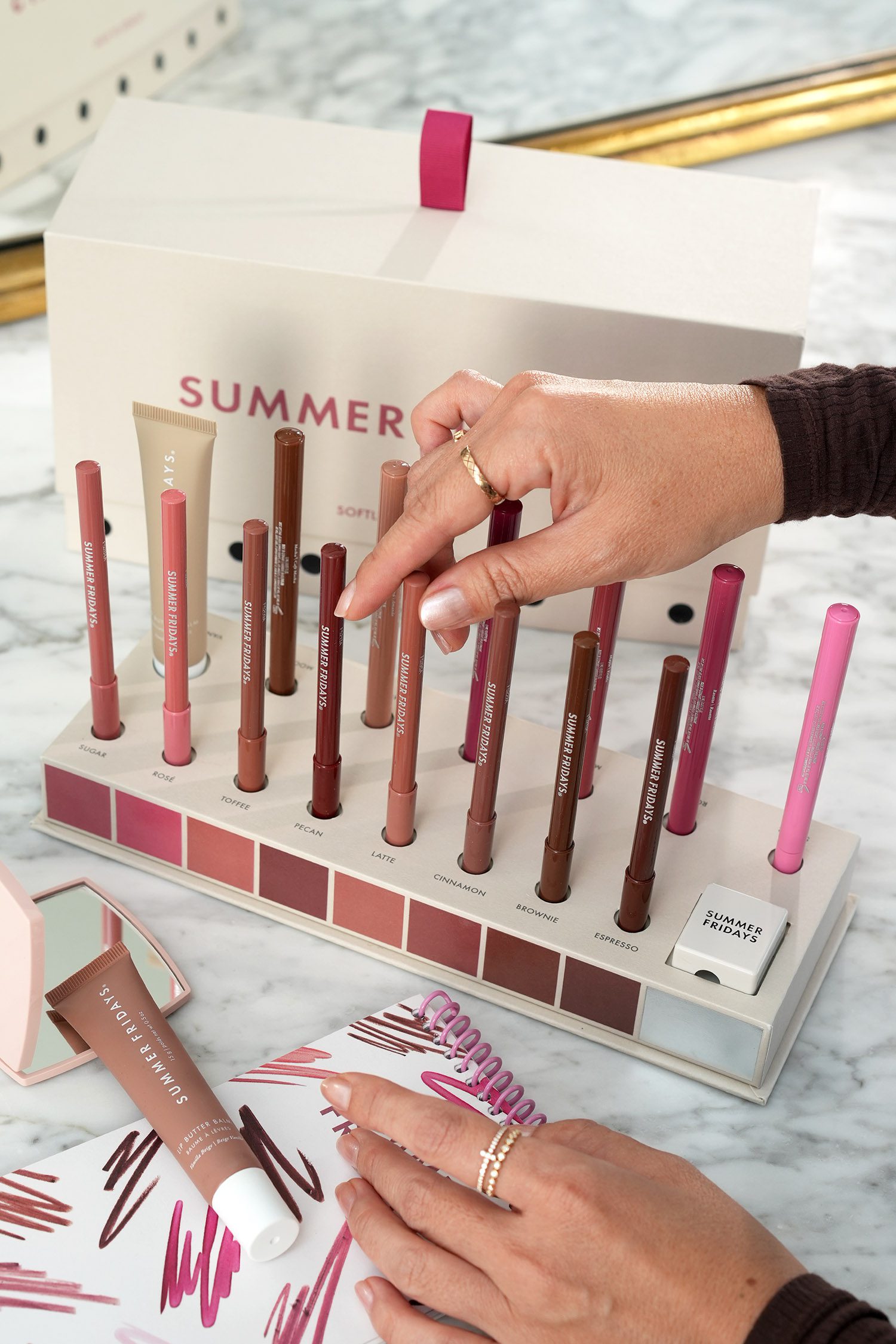
How to Apply Lipstick & Lip Color

0

Love playing with lip color and creating different looks? It’s all down to how you prep your lips. Our Global Artistry Lead Janeena Rumsey shares all her tips and tricks on how to apply lipstick and lip color effortlessly, and creates six lip color looks you need to try now.

How To Put On Lipstick & Lip Color

As most makeup artists will tell you, you should never put lipstick or lip color on without properly prepping your pout beforehand. “The reason for this is that we often have dry or flaky skin or our lips, sometimes they’re even chapped, so ensuring they’re smooth and conditioned will be a game-changer for how the color sits and stays on your lips,” explains Janeena.

Exfoliate Lips

“Exfoliate your lips with a face scrub. Mix a small amount of Hydra-Bright Polishing Cleanser and Pumpkin Enzyme Scrub together with a bit of water in palm of hand. Apply this cocktail to lips in small circular motions, then remove with water. Add some Barrier Balm on lips and you’re good to go,” shares Janeena.

To exfoliate lips with a homemade lip scrub, “Try a simple sugar and honey solution mixed with a little olive or coconut oil. You can gently use an old toothbrush too to really get those flakes off,” advises Janeena, “But make sure you don’t scrub too hard. Keep the pressure gentle.”

Set Lip Base

Once you’ve exfoliated, you can do a little color correction. If you have dark lips, try a light foundation powder to set a base tone for your color. If you have light or medium lips, use your regular foundation to set the base.

Apply Lip Liner

Wondering when to apply lip liner? “While some people prefer to do this after they’ve added the main color fill, to set the shape of the lips you’re filling, apply lip liner first,” shares Janeena. “And, you can even fill the lips with the liner if you’re looking to boost the wear-time of that color too.”

You can always come back to the lining process after you’ve filled the lip color in, to correct and perfect your lip look too.

Apply Lipstick

“Apply your Satin Lipstick or lip crayon from the middle of your lips outwards, as this gives you the best color control. Some people like to apply the lip color directly to lips, while other may prefer to work with a lip brush or even fingers to blot. It’s all down to your preference and really the effect you’re looking to achieve.”

Don’t forget to blot your lips to remove any excess. “Use a translucent setting powder or spray to set the lip color in place,” adds Janeena.

6 Lip Color Looks To Try

The Nude Contoured Lip Look

“This look is just so easy and effortless and is suitable for all occasions.”

1. Shade outer lip edge with a deep shade of Cream Bronze Stick using the Detail Shader Brush.

2. Fill in center of lips with Suede Matte Lip Crayon in Bellini, then blend with the same brush.

3. Line lips with Precision Lip Pencil in Natural.

4. Top with a generous coat of Conditioning Lip Gloss in Skinny Dip.

The Vibrant-Stained Lip Look

“This is a more color-intense look and really brings just the right amount of pop to your look.”

1. Hydrate lips with Barrier Balm.

2. Apply a little Suede Matte Lip Crayon in Rumor to inner portion of lips, then blend outwards with the Crease Shader Brush.

3. Lightly pat Lipstick in In Bloom onto center lip area.

4. Blot and blend outer edges with fingers or the Eye Base Brush.

The Bright Red Lip

“Everyone needs a bright red lip look in their repertoire and this is so effortlessly easy and timeless, you’ll love it.”

1. Line lips with Precision Lip Pencil in Moxie then press lips together to gently blot and blend color.

2. Fully coat lips with Suede Matte Lip Crayon in Crimson

3. Then go back in with Moxie to perfect and smooth out lip line for fully saturated color.

The Wine-Stained Lip Look

“This is a look that never goes out of style and is both lived-in and glamorous at the same time.”

1. Lightly sketch Satin Lipstick in Napa onto lips.

2. Press lips together to blend and soften.

3. Line outer lip edge with Precision Lip Pencil in Vino.

4. Blend and blur lip line with Detail Shader Brush for that lived-in effect.

The Vampy Plum Lip Look

“Much like a classic red lip, a plum lip is always on-point, especially to dress up a Winter or Fall makeup look.”

1. Generously coat lips with Suede Matte Lip Crayon in Rumor.

2. Use Crease Shader Brush to soften and blend lip-edge.

3. Line lips with Precision Lip Pencil in Rave to perfect lip line.

  1. Prime lips with a lip polish such as a gentle sugar scrub remove dead skin cells for a flawless lipstick application. Be sure to remove excess product with a tissue when done.
  2. Hydrate and nourish lips with Barrier Balm. This balm quenches even the driest lips and helps lock in moisture long after the ball has dropped. Pro Tip: a little goes a long way!
  3. Line and fill with Precision Lip Pencil in shade Pronto. This is when you can really let loose. Your line doesn’t need to be too exact, just make sure it’s not too far over your natural lip line. Blend product with finger so it covers your entire lips.
  4. Top with Suede Matte Lip Crayon in shade Rumor on center of lips. This punchy berry is a nice departure from your typical bold red and the nourishing, matte formula ensures your look will be smudge free even if you wind up with a new year’s kiss.
  5. Blend with Full Coverage Camouflage Brush. Fuse the two shades together for a perfectly undone look that says “I put thought into this look but can’t be bothered with a 60 minute tutorial.” Prepare yourself for tons of compliments on your undone yet polished look and feel free not to indulge them that it only took you 5 minutes.

Whatever your color preference, have fun building and customizing your own lip looks. Just put that prep work in and you’ll notice a huge difference in the application and staying power too.

Looking for lip color inspiration? Our zodiac lip chart offers lip color ideas for every sign of the zodiac.

I spoke to an active ingredient scientist… and it changed how I see skincare

0

We are living through the golden age of the active ingredient. From vitamin C to barrier-boosting complexes, skincare shelves – and social media feeds – are saturated with products promising transformative results thanks to one hero compound. But what if our obsession with actives was actually distracting us from what our skin really needs?

In this episode of Green Beauty Conversations, Formula Botanica CEO Lorraine Dallmeier is joined by Dr Jule Lexa Völzke, Manager of Product Design and Development at CLR Berlin, to go behind the scenes of how these ingredients are really created, tested and validated.

Together, they uncover active ingredients, what they really are, what they actually do for the skin, and answer questions such as: do we always need an active ingredient at all? How much do simple ingredients like glycerine really contribute to skin health? And why does hydration still outperform so many headline actives?

If you have ever felt overwhelmed by ingredient trends, felt sceptical of TikTok skincare tips, or are curious about how actives actually work on the skin, this conversation is for you.

Listen here

“You could say the active ingredients are the spices. You just need really little of them to have an impact and to give another layer or a direction for the meal.”  — Dr Jule Lexa Völzke

In this episode with Dr Jule Lexa Völzke, you will hear:

  • What an active ingredient really is: Active ingredients are often misunderstood as miracle compounds, but in reality, they are carefully tested ingredients designed to address a specific skin condition. Jule explains how actives are validated through science, measured for efficacy and only considered successful if the consumer can actually notice a benefit on their skin.
  • How active ingredients are developed behind the scenes: From sourcing plants, algae or bacteria strains to navigating regulatory hurdles and sustainability concerns, the journey from idea to market is long and complex. Many potential actives never survive the early stages due to stability, supply chain or efficacy challenges.
  • Why in vitro, ex vivo and in vivo testing all matter: Jule breaks down the different testing methods used by ingredient suppliers and explains why no single test can tell the whole story. She highlights the importance of linking laboratory data with real-life human experience to build a coherent and honest ingredient story.
  • Why hydration is still underestimated in skincare: Despite being one of the most effective ways to support skin health, hydration is often overlooked because it feels too basic. This episode explains why well-hydrated skin is a sign of a strong barrier and why many actives cannot compensate for poor moisturisation.
  • The disconnect between formulators and marketing teams: Scientific data alone does not sell products, but oversimplified marketing can distort the truth. Jule shares how ingredient suppliers translate complex research into usable claims, and where communication between R&D and marketing most often breaks down.

Key takeaways include:

  • Not every skincare product needs an active ingredient: Actives are problem-solution tools, not mandatory additions. If the skin’s basic needs, such as hydration and barrier support, are met, many concerns improve without the need for complex actives. Choosing an active should always be driven by a clear skin need, not by trends or fear of missing out.
  • Simple ingredients often outperform ‘sexy’ actives: Humectants like glycerine remain benchmarks for hydration, frequently outperforming more fashionable actives in clinical testing. These functional ingredients work quietly in the background, yet they form the backbone of effective formulations and consumer-visible results.
  • Good skincare only works if people actually use it: Actives require time and consistency to deliver results. If a product is unpleasant to use, it will sit unused in a cupboard. Sensory experience, comfort and enjoyment are essential for long-term efficacy and should be considered as important as ingredient selection.
  • Trends are temporary, skin biology is timeless: While trends such as microbiome care or longevity may dominate headlines, they are often new perspectives on long-standing biological processes. Ingredient suppliers grounded in skin biology can meet trends without being driven by them, ensuring longevity and relevance.

Meet our guest: Dr Jule Lexa Völzke, Manager of Product Design & Development at CLR Berlin

Podcast 301: I spoke to an active ingredient scientist… and it changed how I see skincarePodcast 301: I spoke to an active ingredient scientist… and it changed how I see skincareWith a background in chemistry and research experience in bioanalytics, Dr Jule Lexa Völzke works in product design and development for cosmetic active ingredients at CLR Berlin GmbH.

She collaborates closely with CLR’s R&D departments to bridge the gap between consumer needs and the science of the skin, with the aim of developing effective skincare solutions.

Founded in 1926, CLR Berlin brings nearly a century of expertise in fermentation and plant extracts. With a strong focus on skin biology, the company develops natural and effective active ingredients designed to improve skin well-being. Jule’s work sits at the heart of this approach, ensuring each active is scientifically consistent, relevant, and genuinely beneficial.

Find out more about CLR Berlin:

Related episodes:

Thank you for joining us for this episode of the Formula Botanica Green Beauty Conversations podcast. If you enjoyed listening, please share, subscribe and review this episode on Apple Podcasts, Spotify or Youtube so that more people can enjoy the show. Don’t forget to follow and connect with us on Facebook and Instagram.

FREE TRAINING

Learn how to become an
Organic Skincare Formulator

Join over 100,000 other Formulators

By providing your details, you agree to receive additional educational & marketing emails from Formula Botanica, which further introduce our curriculum. Your data is never shared or sold. Read our Privacy Policy.

FREE TRAINING

How to become an
Organic Skincare Entrepreneur

Join over 100,000 other Formulators

By providing your details, you agree to receive additional educational & marketing emails from Formula Botanica, which further introduce our curriculum. Your data is never shared or sold. Read our Privacy Policy.

FREE TRAINING

How to become an
Organic Skincare Entrepreneur

Join over 100,000 other Formulators

By providing your details, you agree to receive additional educational & marketing emails from Formula Botanica, which further introduce our curriculum. Your data is never shared or sold. Read our Privacy Policy.

Leave us a comment

Best Tinted Sunscreens with SPF 2026

0

*Links marked with asterisks are affiliate links, these help Ree with running costs of the blog

Best Tinted Sunscreens 2026 for Glowy, Protected Skin | SPF Skin Tints Round-Up

Updated for 2026: If you’re looking for the best skin tints with SPF, you’re in the right place! I’ve tested a lot of formulas and pulled together a list of the top performers that truly deliver on both glow and protection. I’ll be updating this guide throughout the year as new tinted sunscreens launch and are properly tested. Whether you want sheer coverage, a radiant finish, or skincare-meets-makeup multitasking, these tinted sunscreens are absolute standouts.

Best Tinted Sunscreens

Best Tinted Sunscreens 2026 for Glowy, Protected Skin | SPF Skin Tints Round-Up
Best Tinted Sunscreens 2026 for Glowy, Protected Skin

From lightweight tinted mineral SPFs to hydrating serum-style tints, here’s the best of the best, all tried and tested by yours truly.

Best Tinted Sunscreens 2026: Dr Sam's
Best Tinted Sunscreens 2026: Dr Sam’s

Best for: Skincare-first makeup lovers
SPF: 50
Finish: Dewy buildable coverage

If you’re after a skin tint with SPF that actually feels like skincare, this is it. Dr Sam’s always nails the formulas, and Gossamer Tint is no exception. It is fragrance-free, non-comedogenic, and kind to sensitive skin. The tint gives really good coverage but skin still stays looking like skin.

Read my Dr Sam’s review here.

Best Tinted Sunscreens 2026: MERIT

Best for: Everyday minimalist makeup
SPF: 50
Finish: Soft satin

I was so excited to try this one, and it didn’t disappoint. It has a silky and smooth texture. It is liquidy but not overly runny and it feels very creamy on the skin. It leaves a second-skin finish that’s slightly blurring but not heavy.

My full Merit review is here.

Best Tinted Sunscreens 2026: Naked Sundays

Best for: Full coverage SPF lovers
SPF: 50
Finish: Glowy

This is one of the most makeup-like products in the round-up, so if you want SPF with coveragethis one’s a winner. The texture is really nice. It is thin and liquidy and spreads over the skin effortlessly. It feels super lightweight on the skin yet is really hydrating and comfortable and is boosted with peptides, so ideal for mature skin.

Check out the Naked Sundays review.

Best Tinted Sunscreens 2026: ILIA

Best for: Dewy, plumped skin
SPF: 30
Finish: Super dewy

This is one of the OGs of the tinted SPF skin tint category and still a top pick. It’s packed with skincare ingredients (niacinamide, squalane, hyaluronic acid), and gives such a hydrated finish. Ideal for dry or mature skin andI think this gives a good medium coverage. You can build it up, but it gets dewier the more you apply, so I actually prefer a light layer for more of a weightless feel.

See my ILIA review with swatches.

Best Tinted Sunscreens 2026: Ultra Violette

Best for: High SPF meets radiant sheer coverage
SPF: 50
Finish: Luminous and sheer

This one is a game-changer if you love glowy skin. It has a serum-like texture and gives a hint of coverage and feels ultra-light. It is the perfect base if you want to skip foundation and just use a touch of concealer, as it gives you really juicy, healthy looking skin.

Check out my full Ultra Violette Future Fluid review.

Best Tinted Sunscreens 2026: Kopari

Best for: A no-makeup day with a natural glow
SPF: 50
Finish: Sheer and glowy, yet not slippery or shiny

I was really surprised by how much I loved this one! It’s super lightweight, blends in beautifully without any chalkiness, and leaves skin looking fresh and dewy. It’s not overly tinted but gives a soft blur, just enough to even everything out. And although it gives a glow, it actually feels fairly matte on the skin, which is great for the hot summer months.

Read my full Kopari review here.

Best Tinted Sunscreens 2026: Kate Somerville

Best for: Glowy skin with added skincare benefits
SPF: 50
Finish: Illuminating

This is one of the most glow-boosting and perfecting SPFs that doesn’t technically have any coverage that I’ve tried. It has lovely skin perfecting pigments that subtly improve the appearance of your complexion without actually delivering any coverage as such. It layers well over skincare or under makeup. Perfect for dry or dull skin days!

Read my Full Kate Somerville HydraKate SPF50 review.

Final Thoughts: Which Tinted Sunscreen is Best for You?

If you’re wondering which skin tint with SPF is right for you, here’s a quick summary to help narrow it down:

Dr Sam’s Flawless Gossamer Tint, MERIT The Uniformand Naked Sundays Peptide Foundation all give the most foundation-like finish, with proper coverage and a more polished look. ILIA Super Serum Skin Tint also offers impressive coverage and that perfected-skin feel, although it’s SPF30 rather than SPF50.

If you prefer a more lightweight approach, Ultra Violette Future Fluid and Kate Somerville HydraKate don’t offer much coverage as such, but they do a brilliant job of smoothing and perfecting the look of the skin, making them ideal for no-makeup makeup days.

For a sheer tint Kopari Bright As Day is a great choice even if you have oily skin. It evens and warms up the skin tone ever so slightly, with a soft radiant finish that surprisingly feels quite matte on the skin. It’s great if you want something minimal but still fresh and glowy looking.

Whatever your preference; high coverage, dewy glow, or sheer and natural, there’s a tinted sunscreen here to suit your skin and your style. And remember, whichever one you choose, always apply enough for full protection (and don’t forget to reapply if you’re out and about!).

‘Quiet Quitting’ Your Family Might Save Your Sanity

0

By now you’ve probably heard something about Brooklyn Beckham’s tension with his family. For months there were unaddressed rumors that he was estranged from his parents David and Victoria Beckham. But the 26-year-old finally spoke up on Tuesday, sharing a lengthy Instagram Stories post that detailed what he says are ongoing attempts by his parents to sabotage his relationship with his wife, Nicola Peltz.

There’s been a lot of public commentary in reaction to Beckham’s posts, with people choosing sides. But no matter your opinion on Beckham’s situation, one thing is clear: Family issues are something many people can relate to.

While Beckham decided to go public with his concerns, therapists say there’s a different option to consider: You can quiet quit your family. Here’s what it involves, plus why it’s a strategy worth mulling over if you’re struggling with family tension.

What does it mean to quiet quit your family?

Quiet quitting is a term that gained ground in the early 2020s to describe doing the bare minimum at your job. Meaning, you show up and do what you need to do without going above and beyond. People who practice quiet quitting usually set clear boundaries and stress a good work-life balance. It’s seen as a way to lower the risk of burnout without actually stepping away from the whole situation.

Quiet quitting your family uses a similar approach. “It’s taking a step back without making a big declaration,” Aaron P. Brinen, PsyD, assistant professor of psychiatry and behavioral sciences at Vanderbilt University Medical Center, tells SELF. This can mean accepting less invitations to family gatherings, sharing less with family members, or a combination of these.

There are a few reasons to consider this if you’re struggling with family issues.

Quiet quitting your family gives you a chance to decompress and think about what you want, Dr. Brinen says. “If you keep showing up to these experiences and they’re negative, you’re doing the same thing over and over again and expecting a different outcome,” he says.

But taking a step back and taking the time to think about your values in the context of family can be a helpful way to move forward, both for your mental health and your relationship with your family, Dr. Brinen says. “The benefit only comes when we reflect,” he says.

You can reflect on your own or by talking to your support system, which may include a therapist, Thea Gallagher, PsyD, clinical associate professor of psychology at NYU Langone Health, tells SELF. “Try to get a sense of what it is that you’re upset about, and see if other people feel that it’s reasonable,” she says. “Some things are more objective than others.” Meaning, having your parents refuse to spend time with your partner is a clearer situation than if you just get a vague sense that your family doesn’t like them.

Satin Skin Makeup Look | How to Get a Soft, Radiant Finish

0

What Is a Satin Skin Makeup Look?

The satin skin makeup look is the perfect balance between matte and dewy, never flat and never overly shiny. This radiant makeup enhances your natural texture, giving a soft, breathable finish that feels lightweight and natural. The result is a natural glow look that is healthy, fresh, and effortlessly polished.

BareMinerals’ skincare supports healthy, radiant skin, creating the perfect canvas for satin skin makeup. Prep for the look with our All Skin Collection.

Step 1: Prep With a Hydrating Primer for a Smooth Canvas

A flawless satin skin makeup look starts with proper prep. Using a hydrating primer helps boost moisture and create a smooth makeup base so foundation glides on evenly and lasts longer.

For those with oily skin, a primer for oily skin like the Prime Time Original Foundation Primer controls shine while still maintaining a satin finish. Apply a small amount of face primer with your fingertips, pressing it into the skin rather than layering heavily. This skin-close technique keeps the finish natural and breathable.

Recommended primers:

Shop the full Primer Collection

Step 2: Even Out Tone With Lightweight Foundation

The key to a foundation for satin finish is choosing one that mimics real skin. Look for a breathable foundation with buildable coverage to even tone without masking your complexion.

For long-wear performance, the BarePro 24HR Full Coverage Liquid Foundation offers a natural skin base, SPF protection and is considered one of the best foundations for oily skin seeking a satin effect.

For a lighter, powder approach, the ORIGINAL Loose Powder Foundation SPF 15 delivers sheer-to-medium coverage with a naturally luminous finish and built-in sun protection.

Browse more options in the Foundation Collection.

Step 3: Conceal and Brighten Key Areas

Satin skin makeup is about perfecting, not masking. Apply concealer only where needed to maintain a fresh, skin-like appearance. Use a lightweight concealer under the eyes, around the nose, or on blemishes to subtly brighten and correct. A mineral concealer blends effortlessly and support a natural-looking finish.

Recommended concealer:

Tap concealer into the skin with a fingertip or small brush. Avoid baking or heavy setting to preserve a smooth, brightening concealer finish that is crease resistant. These formulas work as a concealer for all skin types.

Discover more in the Concealer Collection.

Step 4: Set and Seal With Satin Powders and Mists

Setting your makeup is essential, but over-powdering can dull your glow. For satin skin, use a setting powder for satin skin only where needed, typically the T-zone.

The Original Mineral Veil Setting Powder softly blurs pores and locks makeup in place. For a luminous, glowing powder effect, try shade Illuminating.

Finish with a makeup finishing spray to melt products together and restore hydration. This setting spray for all skin types ensures your satin finish makeup stays fresh and radiant throughout the day.

Shop the full Setting Powder & Spray Collection.

Step 5: Add Warmth With Blush and Bronzer

Satin skin should still look alive. Adding cheek makeup brings warmth and dimension back into the complexion.

The Gen Nude Powder Blush delivers a natural blush flush that blends seamlessly into the skin. Pair it with Warmth Bronzer for a soft bronzer effect that mimics a sunlit glow.

Choose shades that complement your undertone and apply with a light hand to the cheeks, temples, and across the bridge of the nose for diffused warmth.

If you prefer a glowy blush, find more in the Cheek Collection.

Step 6: Highlight High Points for a Gentle Glow

Highlighter is essential for enhancing satin skin, but subtlety is key. Opt for a natural highlighter that reflects light softly without visible shimmer or glitter.

Apply face highlighter to the high points of the face, cheekbones, brow bone, and the bridge of the nose, using your fingertips for better control. This creates a luminous makeup look with a refined, subtle glow.

For extra radiance, mix a drop of liquid highlighter into foundation or primer for an all-over satin sheen.

Shop glow-enhancing options in the Highlighter Collection.

Step 7: Perfect the Look With Professional Brushes

Blending is everything when it comes to satin skin makeup. The right makeup tools ensure a smooth, streak-free finish.

The Beautiful Finish Foundation Brush is a go-to foundation brush designed to buff loose mineral foundation seamlessly into the skin. For cheeks, the Dual Finish Blush & Contour Brush works as a precise blending brush for diffused color.

Choose brushes based on density and shape, and clean them weekly to prevent buildup and maintain flawless blending. Pairing high-quality tools with mineral formulas helps achieve the ultimate satin finish.

Explore more essentials in the All Brushes Collection.

FAQ

1. Which Foundation Gives a Satin Finish?

The ORIGINAL Loose Powder Foundation SPF 15 delivers lightweight, buildable coverage with a breathable, satin finish foundation that looks and feels like real skin. This mineral formula helps create a smooth, radiant complexion while providing SPF 15 protection, making it a great everyday option for those seeking a foundation for oily skin that stays comfortable and balanced.

2. What Primer Should I Use for Satin Skin?

The PRIME TIME® Hydrate & Glow Primer smooths texture and boosts hydration while helping foundation adhere for a polished satin skin makeup look. This smooth skin primer creates a seamless makeup base, and when applied strategically, it can still work as a primer for oily skin that needs balance without heaviness.

3. How Do I Set Satin Skin Without Losing the Glow?

Use a lightweight setting powder only on the T-zone, then finish with a setting spray for all skin types. This technique locks makeup in place while preserving a soft glow and satin finish makeup effect. Shop essentials in the Setting Powder & Spray Collection.

4. Can Satin Skin Makeup Work on Sensitive or Oily Skin?

Yes. All of our products are makeup for sensitive skinbut if you lean oily and want a satin look, try Prime Time Original Foundation Primer and a matte foundation for oily skin for smooth, long-lasting coverage. Satin skin looks work even for oily face makeup.

Luster’s Pink Products: The Pink Essentials Collection

0

For nearly seven decades, Luster’s Products has remained a cornerstone of Black hair care, built in a South Side Chicago barbershop.

Photo Credits: Luster’s Products Inc

Founded in 1957 by Fred Luster, Sr., the family-owned brand has evolved alongside Black culture while staying rooted in its original mission: delivering science-backed hydration, authentic representation, and community-first values.

In this interview, granddaughters and third-generation leaders Resa Luster-Mac and her sister Simone (Monie) Luster reflect on legacy, innovation, and what they want generations past and present to discover about Luster’s products today.

Pink Lotion Retouch
Photo Credits: Luster’s Products Inc

Exclusively Interviewed by Marshelle Renee Sanders

Marshelle Renee Sanders: Luster Products has been trusted in Black households for decades. What core values have helped the brand and the culture remain trusted over the years?

Simone Monie Luster: I think it really comes down to remaining true to the mission that my grandfather, Fred Luster, Sr., put forth. We’ve always stayed true to our roots and to who we cater to. We have a very direct relationship with our consumer, and we protect that. Everything we do is centered around authenticity and staying connected to the community that built us.


Marshelle Renee Sanders: Luster has had a long-standing presence in the community. Can you share a moment or a story that really captures that cultural impact?

Resa Luster-Mac: My grandfather didn’t start this company to become rich. He was a barber on the South Side of Chicago, and his clients came to him with real concerns, dry, itchy scalp, and brittle hair. There were no products on the shelves that addressed their needs, so he began mixing his own formulas right in his barbershop and giving them to clients. He didn’t even envision a company. But the results were so good that demand grew throughout Chicago.

When Luster became a corporation, what made him most proud was creating opportunities for people who looked like him. People were able to buy homes, send their kids to college, and build stable lives. Giving back has always been a huge part of who we are. We’ve built drinking wells in Ghana and donated to countless organizations in Black and Brown communities across the U.S. and globally.

MS: Over the years, how do you think Luster has influenced conversations around Black hair, beauty, and identity?

RLM: Our very first product wasn’t a relaxer; it was a hydrating cream. Hydration has always been our foundation.

Many people today look at relaxers without understanding their history. Relaxers were created because Black women needed access to jobs, to opportunity, to survival. Showing up with natural hair once meant being labeled unprofessional or unkempt. Relaxers allowed our mothers and grandmothers to provide for their families.

With the passing of the CROWN Act and other cultural shifts, there is now greater freedom to say, “This is how my hair naturally grows—kinky, curly—and I’m going to embrace it.” People are choosing to show up at work and at school as their authentic selves, reflecting how times have evolved.

At the same time, relaxers were originally created out of necessity. Curly and coily hair cannot be blow-dried daily without damage, and natural moisture patterns are easily disrupted by sweat from workouts or even overnight.

Luster’s has always evolved alongside the culture, aligning with its consumers’ real needs. And it’s important to note, our very first product wasn’t a relaxer at all, but a hydrating cream, rooted in care and practicality from the very beginning.

3rd 4th Generation Lusters 2022 1
Photo Credits:  Luster’s Products Inc

MS: What new products can you share that Hype Hair readers should check out?

RLM: The Pink Essentials Line is one of the most exciting things we’ve launched:

The Pink Essentials line features two lotions alongside a full assortment of stylers, hydrators, deep conditioners, and a deeply moisturizing shampoo, all crafted with a strong emphasis on natural, high-quality ingredients. While Luster’s iconic legacy products remain unchanged because consumers love them as they are, any formulation updates are made solely to meet European Union consumer safety standards, the most stringent in the world.

As a Chicago-based company that manufactures its own products, aligning with EU guidelines protects not only consumer health but also the well-being of the employees who produce these formulas every day.

Pink Essentials products are infused with thoughtfully blended ingredients, including peppermint oil, avocado oil, shea butter, plant proteins, and glycerin, creating multi-benefit formulas.


“We are the kings and queens of hydration. When you put Luster in your hair, it shines, it glistens, and it stays moisturized.”


MS: If someone is trying Luster for the first time, which products should they start with?

SML: I would absolutely recommend the Instant Moisturizer. It’s perfect for braids, locs, natural hair, and everyday hydration. The key ingredient is glycerin, which attracts moisture to the hair and helps prevent dryness and breakage.

The second must-have is our Hydrating Shine Shampoo. It’s sulfate-free, paraben-free, color-safe, and deeply moisturizing. A good shampoo sets the foundation for every hairstyle, and you truly can’t outrun a bad shampoo.

MS: What’s the best way for stylists and barbers to connect with Luster and help keep the legacy strong?

RLM: Social media is the best way to connect with us (as a side note, Resa goes live weekly on TikTok and Instagram, where you can chat with her directly). Through the TikTok affiliate program, stylists and creators can also earn while sharing products they already love and trust.

We’re always open to building meaningful relationships, putting products into professional hands, educating on the science behind our formulations, and continuing to show that Luster is still here: 100% Black-owned, family-owned, and leading the industry in hydration.

Join the Luster’s PINK community on Instagram @lusterspink, Facebook Luster’s PINK, and shop the full line at LusterProducts.com