

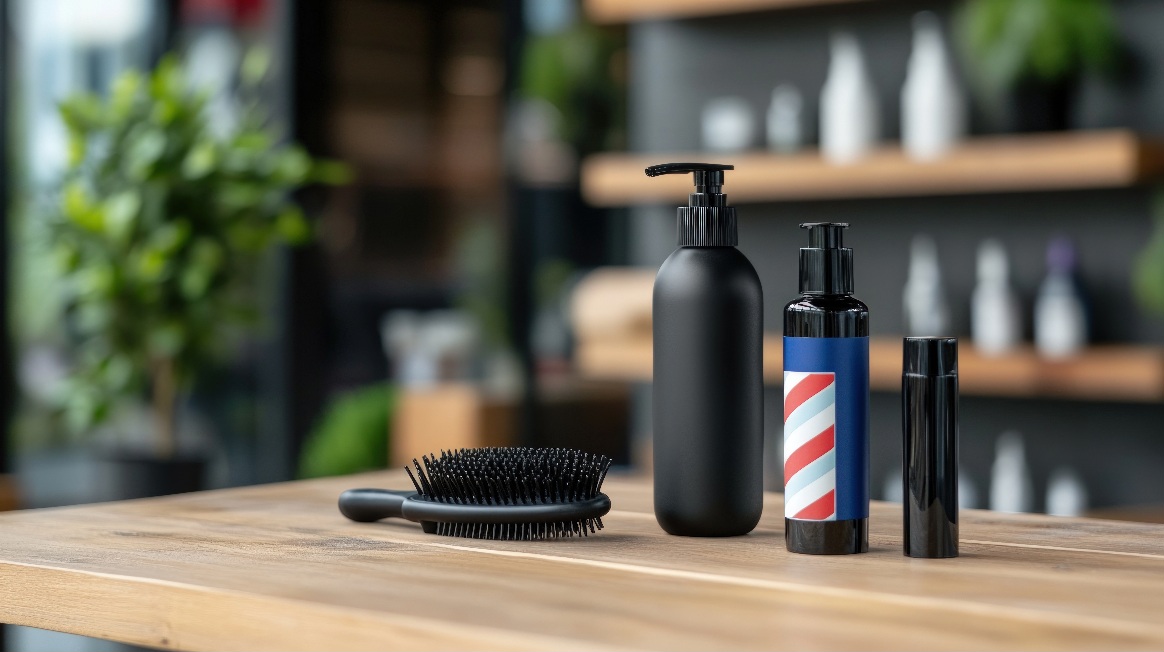
I’ve learned the hard way that washing natural hair isn’t just about keeping it clean—it’s about protecting it. When I first began my natural hair journey, I used whatever shampoo I found on sale and scrubbed my scalp like I was polishing a floor. The result? Dry, brittle strands and tons of breakage.
If you’ve been there too, don’t worry—you can absolutely have clean, healthy, and breakage-free hair. The key is learning how to wash your natural hair the right way. In this post, I’ll share the steps and products that helped me transform my wash day into a nourishing self-care ritual that actually strengthens my hair.
Why Proper Washing Matters for Natural Hair
Healthy, thriving curls start at the scalp. When you wash your hair the right way, you’re not only removing dirt and buildup—you’re creating the foundation for growth and moisture retention.
1. Healthy Roots Mean Healthy Hair
I noticed that when my scalp is clean and balanced, my roots feel lighter and my curls have more bounce. Washing properly helps unclog pores, allowing your hair to grow freely.
2. Less Breakage, More Growth
When you handle your hair gently and use the right products, you keep your strands hydrated and strong. This prevents unnecessary breakage and helps you retain length over time.
3. A Clean Scalp Promotes Shine
Think of your scalp as the soil your hair grows from. If it’s full of buildup, your hair won’t flourish. But when you cleanse regularly, your scalp can breathe—and your curls will thank you with extra shine.
4. Easier Styling and Softer Curls
After a good wash, detangling and styling are so much easier. Clean, moisturized strands respond better to products and hold styles longer.
Choosing the Right Products for Your Hair Type
Not every shampoo or conditioner is made for natural hair. I used to think all “moisturizing” shampoos were the same—until I learned that ingredients matter more than marketing.
When choosing your products:
Go sulfate-free. Sulfates strip natural oils from your curls, leaving them dry and prone to breakage.
Look for moisturizing ingredients like shea butter, coconut oil, aloe vera, or argan oil.
Use a deep conditioner weekly. It restores moisture and strengthens your strands after shampooing.
Don’t skip a leave-in conditioner. It helps detangle and keeps your hair hydrated throughout the week.
If your hair is thick and coily, heavier creams and butters might be your best friends. If it’s looser curls or wavy, go for lightweight formulas that won’t weigh you down.
🛒 Tip: I personally love rotating between a cleansing shampoo and a moisturizing one to keep my scalp fresh without drying my ends.
The Best Washing Techniques to Prevent Breakage
Here’s my tried-and-true wash day method that minimizes breakage and keeps my curls happy.
Step 1: Pre-Detangle Before Washing
Always detangle before your hair gets wet. Use a wide-tooth comb or your fingers to gently remove knots, starting from the ends and working upward.
Step 2: Use Lukewarm Water
Hot water can dry your hair and scalp. Stick to lukewarm water to lift dirt and open your cuticles without stripping moisture.
Step 3: Focus Shampoo on Your Scalp
Apply shampoo directly to your scalp and massage gently using your fingertips—not your nails. This removes buildup and stimulates circulation without causing friction or breakage.
Step 4: Condition with Care
When applying conditioner, concentrate on your ends—they’re the oldest and most fragile part of your hair. Let the conditioner sit for a few minutes before rinsing to allow moisture to penetrate deeply.
Step 5: Rinse with Cool Water
Cool water helps seal your hair cuticles, locking in moisture and enhancing shine.
Step 6: Gently Dry Your Hair
Avoid harsh towels. Instead, use a microfiber towel or an old cotton T-shirt to blot your hair dry. Pat gently—don’t rub.
How Often Should You Wash Your Natural Hair?
This depends on your hair type, your lifestyle, and even your environment.If your scalp gets oily or you work out regularly, washing once or twice a week might be perfect. But if your hair tends to stay dry, once a week could be enough.
Over-washing can strip your hair of essential oils, leading to dryness and breakage. Under-washing, on the other hand, can lead to buildup and scalp irritation. The secret is to listen to your hair—it will tell you what it needs.
Extra Tips for Healthy, Strong Hair
Keeping your natural hair strong goes beyond wash day. Here are a few habits that make a big difference:
Detangle with care. Always use a wide-tooth comb or your fingers, especially when your hair is wet and slippery with conditioner.
Deep condition weekly. Moisture is everything for natural hair.
Sleep on satin or silk. Cotton absorbs moisture and causes friction—switch to a satin pillowcase or bonnet.
Trim regularly. Removing split ends prevents breakage from traveling up the hair shaft.
Feed your hair from within. A balanced diet rich in protein, vitamins A, C, D, and E, plus biotin and iron, helps your hair stay strong and vibrant.
Conclusion: Consistency Is Everything
Washing your natural hair properly isn’t just a step—it’s a mindset. Once I learned to treat my wash day as an act of self-care instead of a chore, my hair changed completely.
If you stick with a gentle, consistent routine, your curls will reward you with strength, softness, and shine. Be patient, use products that truly nourish your texture, and remember—healthy hair starts with healthy habits.
Your natural hair deserves love, not stress. So take your time, pamper your strands, and watch them flourish!
FAQs
1. Should I wash my natural hair with shampoo or co-wash only?It depends on your scalp’s needs.
Co-washing (using conditioner only) can be great for moisture, but you still need shampoo occasionally to remove buildup.
2. Can I detangle my hair after shampooing?
Yes, but it’s gentler to detangle before shampooing or while applying conditioner to avoid breakage.
3. What’s the best water temperature for washing natural hair?
Use lukewarm water for cleansing and cool water for rinsing.
