



You love clothes. You’ve always cared about sartorially fitting into your environment and looking polished, but somewhere along the way, the world got more casual. Now, wearing what feels right to you can make you feel out of step. You’re not alone. Many women face the same dilemma: how to stay true to their more polished style without feeling overdressed. The answer isn’t to give up what you love – it’s to learn how to adapt it for the world we live in now.
The culture of casual dressing has shifted dramatically. Even workplaces that once required polished looks now lean towards sneakers and knits. It’s easy to feel like you stand out for the wrong reasons when your natural instinct is to look put-together. But there’s room for elegance in every environment.
This isn’t about conforming – it’s about integration. You can soften your look without diluting your personality. Here’s how to bridge the gap between you and your surroundings.

Start with One Elevated Element
If you’re worried about feeling out of place, start small. Instead of going all-in with formal pieces, add one elevated touch to an otherwise casual outfit. Try a statement pearl necklace with your jeans and T-shirt. Add a printed scarf to a simple knit top. These quiet refinements build confidence and gradually ease others into your style.
Once people see that you’re comfortable, they’ll get comfortable with it too. Over time, these details become part of how they recognise you.
Reimagine the Pieces You Love
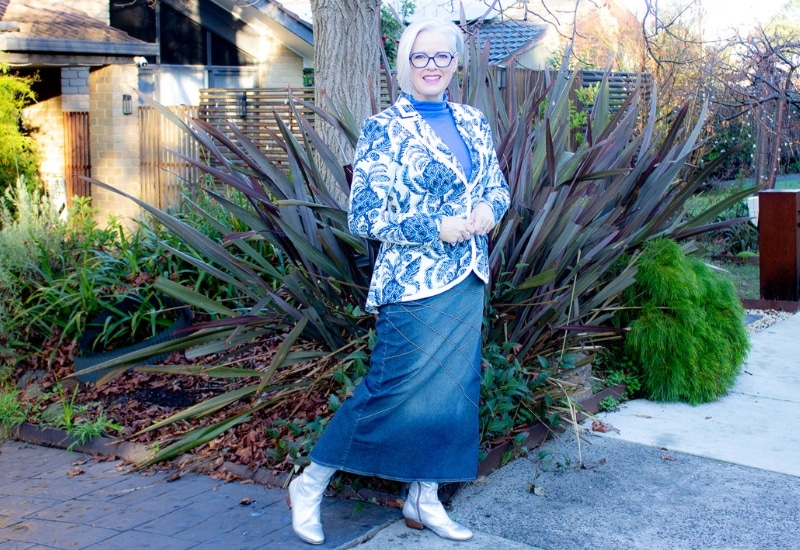
You don’t need to give up blazers, skirts, or tailored clothes – just reinterpret them. Swap a traditional wool blazer for one made of ponte, jersey, textural wool or linen. Choose relaxed shapes and colours that feel less corporate – perhaps a bright hue, an interesting texture, or even a patterned style.
A denim skirt rather than a more formal fabric.
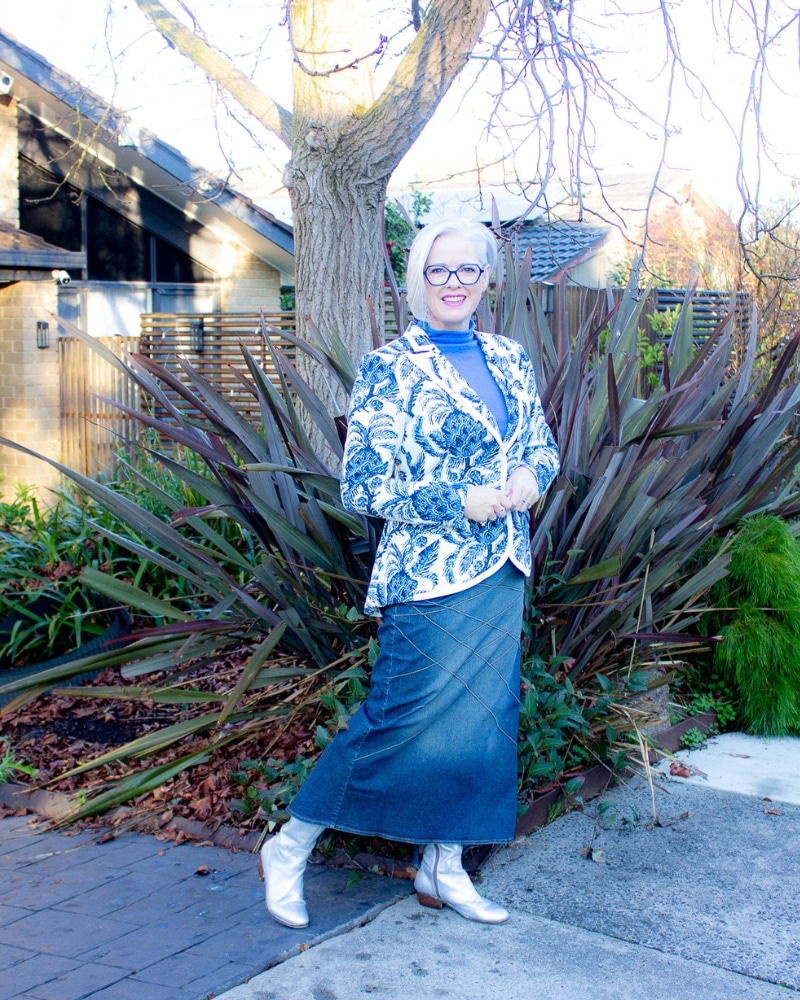 Pair structured pieces with casual counterparts. A blazer over jeans. A crisp shirt tucked into soft trousers. A statement necklace over a knit. It’s the mix that keeps you grounded and stylish.
Upgrade the Casual, Don’t Downgrade the Dressy
If jeans and T-shirts dominate your social circle, elevate that formula rather than surrendering to it. Look for:
- Quality denim that holds shape and feels tailored.
- Well-constructed T-shirts with interesting necklines, textures, or prints.
- Shoes with polish – loafers, ballet flats, low-heeled boots, or sleek sneakers.
- Add an accessory, the scarf, the statement necklace or earrings, a few bracelets and bangles can make a simple outfit look stylish.
These pieces strike a balance between comfort and intention. You’ll still look relaxed, but unmistakably “put together.”
Be the Permission Giver
Chances are, you’re not the only one who wants to dress a little better. Often, others feel restricted by the same social pressure to dress down. Someone has to go first – and that can be you.
I’ve seen it time and again. When one woman dresses with authenticity and confidence, others quietly follow. Style leadership is contagious. What starts as self-expression becomes cultural permission.
Adjust Fabric and Colour to Your Context
The difference between “polished” and “too formal” is often in fabric choice. A button-up shirt feels more relaxed in chambray or soft linen fabric than the crisp cotton of traditional businesswear. A classic blazer feels friendlier in colour than in a traditional neutral, or choose one with a pattern. This way it feels smart but less like traditional corporate officewear.
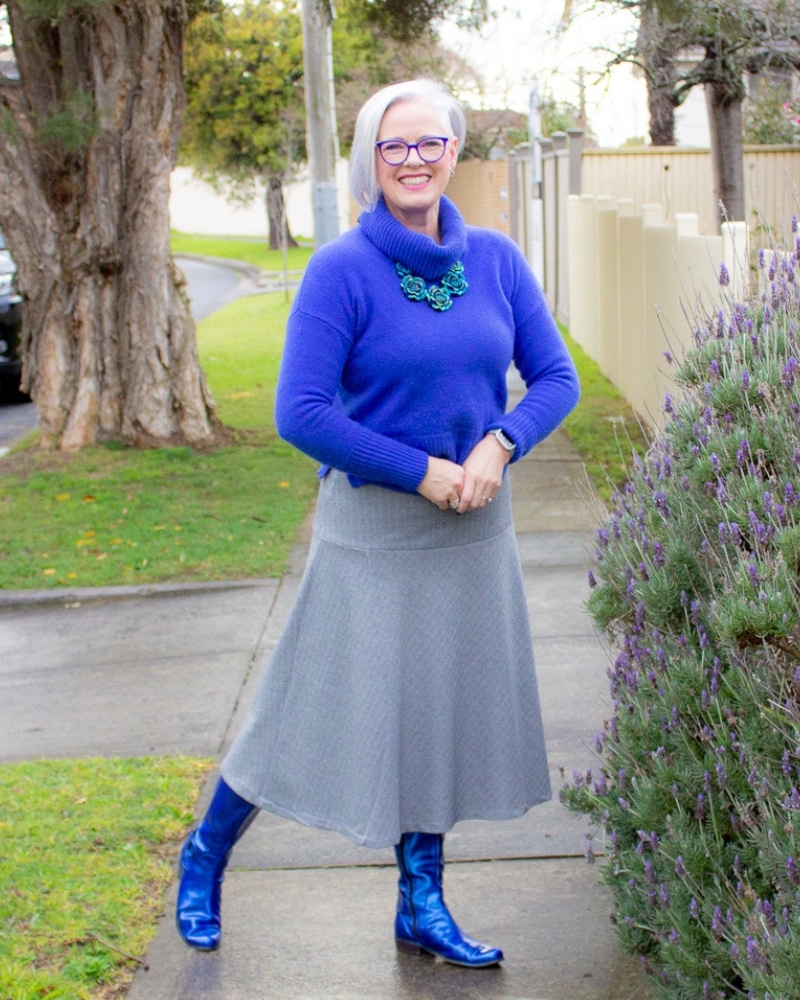
Colour also shifts tone. Neutrals such as black, grey and navy speak of a more conservative and businesslike tone. Tan, camel and olive, whilst neutrals are not seen in traditional business settings, so are more down-to-earth. Softer colours read as more approachable, whilst brighter ones add zest and a more dramatic look to your outfit.
 Stay Confident in Your Choices
It’s natural to feel a little uncomfortable when you step outside the group norm. But confidence grows with repetition. The first few times you show up slightly more polished, you’ll notice – and so will others. After a while, it becomes your new normal.
Remember, when you dress in a way that aligns with your personality, you’ll appear more relaxed and self-assured – not overdressed. People respond to confidence far more than they do to clothing labels or dress codes.
Lead by Example
When you embrace your authentic style, you model self-expression for others. I’ve seen clients – and experienced it myself – where one person’s willingness to dress well shifts an entire environment. Friends start wearing trousers instead of leggings. Colleagues reach for blazers. Dressing better becomes a ripple effect of permission.
Instead of toning down your style to match the room, elevate the room with your presence. That’s how change begins – one outfit at a time.
Keep Your Style DNA Intact
Your style DNA is the combination of traits that make your personal style unmistakably yours, a reflection of your personality, values, lifestyle, and aesthetic instincts. It’s what makes one woman feel herself perfectly in tailored linen and another radiant in flowy prints. When you understand your style DNA, you stop chasing trends or dressing for approval and start dressing in alignment with who you really are
If you’re unsure of your own style DNA, start by paying attention to the moments when someone says, “That’s so you.” Those are clues that your inner and outer selves are in sync. You can also explore your personality-driven style foundations through 16 Style Types, which links psychological type to authentic style expression.
How to stay true to your style without feeling overdressed starts with courage and curiosity. Try smaller details, and gradual elevation – not to hide your love of style, but to integrate it into your life as it is now.
Your wardrobe isn’t meant to match your friends; it’s meant to mirror you. So wear what you love, one confident choice at a time.
Recommended Reading
Discover Your Personality Style DNA
All My Best Tips and Inspiration for Putting Together Stylish Outfits
Do You Want Your Style to Help You Blend In or Stand Out?