Home Blog Page 25

Global Cosmetics News – Weekly Review | Week 25, June 2026

0

This week, the global cosmetics and personal care industry highlighted the growing convergence of artificial intelligence, strategic investment and category expansion, as beauty groups advanced acquisitions, technology partnerships and retail innovation initiatives across global markets.

M&A and investment activity remained active across beauty and personal care. L’Oréal agreed to acquire a majority stake in Indian beauty company Innovis, strengthening its position in one of the industry’s fastest-growing markets. KMI Brands sold NOUGHTY to Komerz, while a South Korean private equity firm moved to acquire French cosmetics manufacturer COSBELLE. Reports also indicated that Jay-Z-backed MarcyPen had emerged as the leading bidder for LVMH’s stake in Fenty Beauty.

Artificial intelligence continued to shape innovation strategies across the sector. L’Oréal and OpenAI announced a partnership to accelerate AI-powered beauty innovation. Unilever expanded the use of AI-powered digital twins across its global manufacturing network. Estée Lauder and Jo Malone London launched an AI-powered fragrance discovery tool on Pinterest, while Rem3dy Health raised £14 million to support international expansion and AI-powered personalised nutrition services.

Brand expansion and category development remained active. e.l.f. Beauty entered the haircare category with the launch of e.l.f. Hair. Kruidvat introduced its first own-brand Korean skincare range across the Benelux region. L’Oréal expanded its global refill campaign as part of efforts to increase adoption of refillable beauty products. Garnier appointed Azziad Nasenya as its first Kenyan brand ambassador in East Africa.

Retail, luxury and consumer engagement initiatives also featured prominently. Albertsons Media Collective and P&G launched a branded entertainment retail media model. LVMH unveiled DreamGallery, a new concept showcasing future luxury innovation. Hermès opened a new Bond Street maison in London. Amway launched a product traceability platform aimed at increasing consumer transparency.

Corporate strategy and leadership developments continued across the sector. P&G reshuffled its leadership team as CEO Shailesh Jejurikar established a new executive structure. Kohl’s appointed Elliott Rodgers as Chief Operating Officer. Charlotte Tilbury was awarded a CBE in recognition of her contributions to the beauty industry.

Financial and portfolio management activity remained in focus. Dolce & Gabbana explored a sale-and-leaseback transaction involving Milan property assets to improve liquidity. Sigma Healthcare withdrew from its pursuit of Boots, ending its involvement in discussions around the retailer.

Packaging, logistics and infrastructure investment continued across the supply chain. Berlin Packaging expanded its UK presence through the acquisition of BlueSky.

Regulatory and policy developments remained active across multiple markets. The French beauty industry called on the EU to remove US tariffs affecting cosmetics exports. The Maharashtra FDA seized misbranded cosmetics during a crackdown in Mumbai. Australia’s ACCC reviewed Woolworths’ sunscreen labelling following a complaint regarding the use of a controversial UV filter.

Taken together, this week reflected continued activity across AI-driven innovation, strategic acquisitions and category expansion, alongside evolving regulatory oversight and retail transformation. From technology partnerships and refill initiatives to manufacturing innovation and international growth, companies continued to invest in long-term capability building across the global cosmetics and personal care landscape.

9 Best Chemical Sunscreens That Won’t Leave a White Cast

0

Frequently Asked Questions

What is a chemical sunscreen?

Chemical sunscreens use chemical UV filters that actually sink into skin, where they absorb ultraviolet radiation and convert it into heat that is then released from the skin, explains Dr. Kil. “Common chemical sunscreen ingredients include avobenzone, oxybenzone, octisalate, octocrylene, and homosalate,” she says. More recently, newer FDA-approved filters such as bemotrizinol (also known as BEMT or Tinosorb S)—which have long been used in Europe and other countries—have begun making their way into the U.S. market, marking “an exciting advancement for sunscreen innovation,” says Whitney Hovenic, MD, a board-certified dermatologist based in Reno, Nevada.

Because these filters are designed to blend into the skin, chemical sunscreens often have a lightweight, elegant finish that makes them especially appealing for everyday use and wear well under makeup.

What’s the difference between chemical and mineral sunscreen?

The biggest difference between chemical and mineral sunscreen comes down to how they protect your skin from UV rays. “Chemical sunscreens rely on organic filters that absorb UV rays and dissipate their energy as heat,” says Dr. Kil. Mineral sunscreens, also known as physical sunscreens, use zinc oxide and titanium dioxide to create a protective barrier on the skin’s surface; these mineral filters absorb UV radiation and also reflect and scatter a portion of incoming rays.

In general, because they’re absorbed by skin, chemical sunscreens tend to blend more easily and are less likely to leave a visible residue, while mineral sunscreens are often preferred for sensitive skin because they are less likely to irritate. In the US, many chemical sunscreen formulations provide excellent UVB protection, and avobenzone remains the primary filter approved for UVA1 (the long-wave UVA rays that penetrate deepest into the skin and are most closely linked to premature aging and pigmentation) coverage.

Are chemical sunscreens safe?

While studies have shown that chemical sunscreen ingredients can be detected in the bloodstream after repeated application, “there is no evidence of adverse side effects from these filters,” and to date, there is no evidence that approved chemical sunscreen filters cause adverse health effects when used as directed, says Dr. Kil. Dermatologists continue to recommend sunscreen as one of the most effective tools for preventing skin cancer, premature aging, and sun-induced hyperpigmentation. As with any skin-care product, the best broad-spectrum sunscreen is ultimately the one you’ll wear consistently every day.

Are chemical sunscreens “bad” for sensitive skin?

Not necessarily, but some people with sensitive skin may find certain chemical sunscreen ingredients irritating. “Chemical sunscreens contain known allergens, such as oxybenzone, a commonly used filter,” says Dr. Kil. In addition, some formulas contain propylene glycol, a humectant that helps sunscreens absorb into the skin but can trigger skin irritation in certain individuals. That said, not all chemical sunscreens are created equal: Many newer formulas are free of common irritants like oxybenzone, fragrance, and propylene glycol, making them better tolerated by sensitive skin. If your skin is especially reactive, patch-testing a new sunscreen before applying it to your entire face is always a good idea.

What is a chemical sunscreen?

Chemical sunscreens use chemical UV filters that actually sink into skin, where they absorb ultraviolet radiation and convert it into heat that is then released from the skin, explains Dr. Kil. “Common chemical sunscreen ingredients include avobenzone, oxybenzone, octisalate, octocrylene, and homosalate,” she says. More recently, newer FDA-approved filters such as bemotrizinol (also known as BEMT or Tinosorb S)—which have long been used in Europe and other countries—have begun making their way into the U.S. market, marking “an exciting advancement for sunscreen innovation,” says Whitney Hovenic, MD, a board-certified dermatologist based in Reno, Nevada.

Because these filters are designed to blend into the skin, chemical sunscreens often have a lightweight, elegant finish that makes them especially appealing for everyday use and wear well under makeup.

What’s the difference between chemical and mineral sunscreen?

The biggest difference between chemical and mineral sunscreen comes down to how they protect your skin from UV rays. “Chemical sunscreens rely on organic filters that absorb UV rays and dissipate their energy as heat,” says Dr. Kil. Mineral sunscreens, also known as physical sunscreens, use zinc oxide and titanium dioxide to create a protective barrier on the skin’s surface; these mineral filters absorb UV radiation and also reflect and scatter a portion of incoming rays.

In general, because they’re absorbed by skin, chemical sunscreens tend to blend more easily and are less likely to leave a visible residue, while mineral sunscreens are often preferred for sensitive skin because they are less likely to irritate. In the US, many chemical sunscreen formulations provide excellent UVB protection, and avobenzone remains the primary filter approved for UVA1 (the long-wave UVA rays that penetrate deepest into the skin and are most closely linked to premature aging and pigmentation) coverage.

Are chemical sunscreens safe?

While studies have shown that chemical sunscreen ingredients can be detected in the bloodstream after repeated application, “there is no evidence of adverse side effects from these filters,” and to date, there is no evidence that approved chemical sunscreen filters cause adverse health effects when used as directed, says Dr. Kil. Dermatologists continue to recommend sunscreen as one of the most effective tools for preventing skin cancer, premature aging, and sun-induced hyperpigmentation. As with any skin-care product, the best broad-spectrum sunscreen is ultimately the one you’ll wear consistently every day.

Are chemical sunscreens “bad” for sensitive skin?

Not necessarily, but some people with sensitive skin may find certain chemical sunscreen ingredients irritating. “Chemical sunscreens contain known allergens, such as oxybenzone, a commonly used filter,” says Dr. Kil. In addition, some formulas contain propylene glycol, a humectant that helps sunscreens absorb into the skin but can trigger skin irritation in certain individuals. That said, not all chemical sunscreens are created equal: Many newer formulas are free of common irritants like oxybenzone, fragrance, and propylene glycol, making them better tolerated by sensitive skin. If your skin is especially reactive, patch-testing a new sunscreen before applying it to your entire face is always a good idea.

Meet the experts

  • Asmi Berry, DO, is a board-certified medical and cosmetic dermatologist at BHSkin Dermatology Practice based in Glendale, California
  • Whitney Hovenic, MD, a board-certified dermatologist and co-founder of Spooge based in Reno, Nevada
  • Erin Kil, MD, a board-certified dermatologist of New Bloom Dermatology and clinical assistant professor at Mount Sinai Health System based in New York City
  • Pearl Rimtepathip, MD, a board-certified dermatologist at MetroDerm based in Atlanta
  • Geeta Yadav, MD, a board-certified dermatologist based in Toronto, Canada
  • Jane Yoo, MD, a dual board-certified dermatologist and Mohs surgeon based in New York City

How we test and review products

When Allure tests a product, our editors look at it from every angle in an effort to best serve you. We review ingredients, scrutinize brand claims, and, when necessary, examine peer-reviewed scientific and medical studies. In addition to testing each and every product that’s included in each and every review, we rely on experts who shape their fields, including dermatology, cosmetic chemistry, and medicine, to help us vet the ingredients and formulas.

For our list of the best chemical sunscreens, we considered each product’s performance across five primary categories: product ingredients and efficacy, packaging, fragrance, texture, and product wear. Every product was determined to have excelled in each category by our editorial team, which is composed of in-house writers and editors as well as contributors—along with special consideration from dermatologists. To learn more information on our reporting and testing processes, read our complete reviews process and methodology page.

Our staff and testers

A beauty product is a personal purchase. You might be searching for a face cream to address persistent dryness or a new nail product to add to your Sunday self-care routine; you may simply be browsing around for the latest launches to hit the hair market. No matter what you seek or your individual needs and concerns, Allure wants to ensure that you love anything we recommend in our stories. We believe that having a diverse team of writers and editors—in addition to the wide range of outside testers and industry experts we regularly call upon—is essential to reaching that goal.

After all, can we really say a skin-care product is the “best” for people over 50 if the only testers we’ve solicited opinions from folks who have yet to hit 30? Can we honestly deem a high-end diffuser worthy of your hard-earned cash if it’s never been tested on curls? We’re proud that our staff spans a wide range of ages, skin tones, hair textures, genders, and backgrounds, which means that we are able to fairly assess any beauty product that comes into the beauty closet.

5 Best Vitamin C Moisturisers 2026, Editor Tested & Reviewed

0

Does vitamin C help with hyperpigmentation and dark spots?

Shown to impede the production of melanin — the pigment that gives colour to the skin — vitamin C can also really help fade dark spots, and leave your skin looking considerably brighter and smoother. “Essentially, it’s a potent ingredient for pigmentation,” Dr Granite adds.


When should I use a vitamin C moisturiser?

“Think lightest to thickest when it comes to layering your skincare products,” Dr Nasir explains. So, in the mornings, begin by applying your usual morning cleanser and — if desired — a toner. Then follow up with your serum, followed by your vitamin C moisturiser, and finally your SPF.

Although they can definitely be applied at night, vitamin C moisturisers are typically designed for daytime use — as this is when you’re more likely to benefit from the antioxidant ingredient’s ability to protect against sun damage, and fend off free radicals. Vitamin C also shouldn’t be mixed with retinol, AHAs, and BHAs if you want to avoid sensitivity, irritation, and even peeling.


What should I look for when choosing a moisturiser with vitamin C?

“L-ascorbic acid is the most stable form of vitamin C, so look for L-ascorbic acid in concentrations varying between 10-20%. Start with a lower concentration initially and gradually build up a tolerance to avoid potential irritation,” says Dr Granite.

“Vitamin C is very sensitive to exposure to light and air, so is best packaged in dark bottles to maintain stability. Vitamin C also pairs well with other antioxidants such as vitamin E and niacinamide.”

Some moisturisers with vitamin C also include other high-grade skincare ingredients such as squalane, ferulic acid, aloe vera, hyaluronic acid, and others.


Who should avoid using a moisturiser with vitamin C?

While the topical application of vitamin C is recommended for most adults, people with sensitive skin are more at risk of common side effects like irritation and redness. To avoid this, be sure to start out with a lower concentration, and only use it only twice a week — before slowly building yourself up to daily application.

DOES SHAVING MAKE HAIR GROW BACK THICKER? THE TRUTH BEHIND THE MYTH ~ THE MALE GROOMING REVIEW

0

Does Shaving Make Hair Grow Back Thicker? The Truth Behind The Myth

It’s one of the most common grooming questions of all time.

Whether it’s facial hair, chest hair, leg hair, or even hair on your head, most people have heard the claim:

“If you shave it, it’ll grow back thicker.”

For some, it’s advice passed down by parents. For others, it’s something they’ve heard from friends, barbers, or online forums.

But is there any truth to it?

The short answer is no.

Shaving does not make hair grow back thicker, darker, faster, or denser.

So why does the myth persist?

Let’s take a closer look.

Quick Answer

No, shaving does not make hair grow back thicker.

When you shave, you’re only cutting the hair at the surface of the skin. The hair follicle beneath the skin remains unchanged, meaning the new hair that grows is no different in thickness, colour, or growth rate than it was before.

The appearance of thicker hair after shaving is largely an optical illusion.

Where Did The Myth Come From?

The belief that shaving makes hair grow back thicker has existed for generations.

Part of the reason is that freshly shaved hair often feels different as it grows back.

When a hair grows naturally, the end gradually tapers to a fine point.

When you shave, you cut the hair straight across, leaving a blunt edge.

As the hair emerges from the skin again, that blunt edge can make it feel coarser or stiffer than before.

Many people interpret this sensation as the hair becoming thicker.

In reality, the hair itself has not changed.

What Happens When You Shave?

When you shave, the razor removes the visible portion of the hair above the skin.

The follicle, which controls hair growth, remains untouched beneath the surface.

This means shaving has no effect on:

  • Hair thickness

  • Hair colour

  • Hair density

  • Hair growth speed

  • Hair follicle size

The hair simply continues growing as it always would.

What Does The Science Say?

Researchers have actually studied this question.

One of the most famous studies was conducted in the 1920s and has since been supported by later research.

Scientists found that shaving had no effect on the rate of hair growth or the thickness of the hair that grew back.

Despite decades of investigation, there remains no scientific evidence showing that shaving alters the structure of the hair follicle.

The myth persists because the hair often appears different during the regrowth phase.

Why Does Hair Look Thicker After Shaving?

Several factors can create this illusion.

Blunt Hair Ends

As mentioned earlier, shaved hairs have flat ends rather than natural tapered tips.

This can make the hair feel rougher and appear more noticeable.

Contrast Against The Skin

After shaving, newly emerging hairs are often darker and more visible against freshly exposed skin.

This contrast can make regrowth seem more obvious.

Multiple Hairs Growing Together

When hair is allowed to grow naturally, different hairs are often at different stages of the growth cycle.

After shaving, many hairs become visible around the same time, creating the impression of greater density.

Does Shaving Affect Beard Growth?

No.

Many young men are told that shaving regularly will help them grow a thicker beard.

Unfortunately, this is another myth.

Beard growth is primarily determined by:

Shaving more frequently will not increase the number of beard follicles on your face.

What often happens is that facial hair naturally becomes thicker during the late teens and twenties, creating the false impression that regular shaving caused the change.

Does Shaving Cause Hair Loss?

No.

Shaving does not damage hair follicles.

Whether you’re shaving your face, head, chest, or body, the act of shaving itself does not cause permanent hair loss.

Hair loss is usually related to factors such as:

  • Genetics

  • Hormones

  • Ageing

  • Medical conditions

  • Stress

  • Nutritional deficiencies

Why Do Some Men Shave Their Heads If They’re Losing Hair?

Many men experiencing male pattern baldness choose to shave their heads because it creates a cleaner, more uniform appearance.

Shaving does not stop hair loss, but it can reduce the visual contrast between thinning areas and thicker areas of hair.

For some men, this can be a practical grooming choice.

What Actually Influences Hair Thickness?

Hair thickness is largely determined by genetics and hormones.

Factors that can influence hair health include:

  • Nutrition

  • Overall health

  • Hormonal balance

  • Age

  • Stress levels

While certain treatments and lifestyle changes may help support healthy hair growth, simply shaving will not alter the characteristics of the hair follicle itself.

The Bottom Line

Despite being one of the most common grooming myths, shaving does not make hair grow back thicker.

The appearance of thicker hair after shaving is caused by blunt hair tips, increased visibility during regrowth, and changes in texture—not because the hair itself has changed.

Whether you’re shaving your face, head, chest, or body, you can do so knowing that the razor is not affecting the thickness, colour, or growth rate of your hair.

The next time someone tells you that shaving makes hair grow back thicker, you’ll know the science says otherwise.

Frequently Asked Questions

Does shaving make facial hair thicker?

No. Shaving does not affect beard thickness. Beard growth is primarily determined by genetics, hormones, and age.

Does shaving make hair grow back faster?

No. Shaving has no effect on the speed of hair growth.

Why does shaved hair feel rougher?

Because the hair has been cut straight across, leaving a blunt edge rather than a naturally tapered tip.

Does shaving increase hair density?

No. Shaving does not increase the number of hair follicles or the density of hair growth.

Does shaving your head stop hair loss?

No. Shaving your head does not stop male pattern baldness or other forms of hair loss, although some men prefer the appearance of a shaved head while experiencing thinning.


L’Oréal takes control of the Innovist group to strengthen its position in India

0

L’Oréal, the world’s number one beauty company, announced Thursday, June 18, that it had acquired a majority stake in the capital ofInnovista platform for Indian personal care and beauty brands, without revealing the amount of the operation.

“This strategic decision confirms L’Oréal’s desire to expand in a rapidly growing beauty market in India, and completes its portfolio with local brands adapted to Indian consumers,” the French group said in a press release.

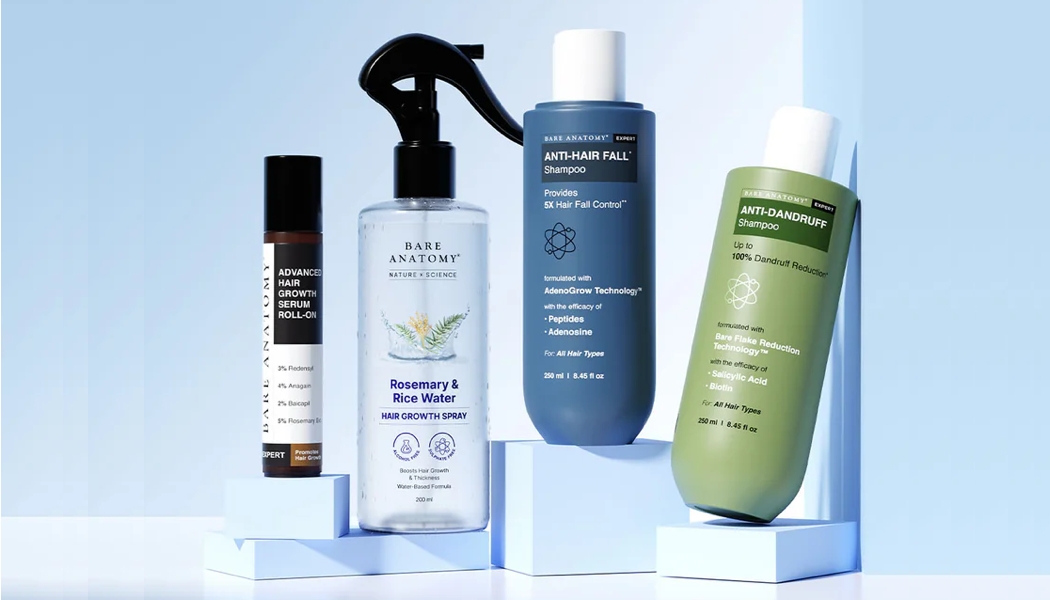
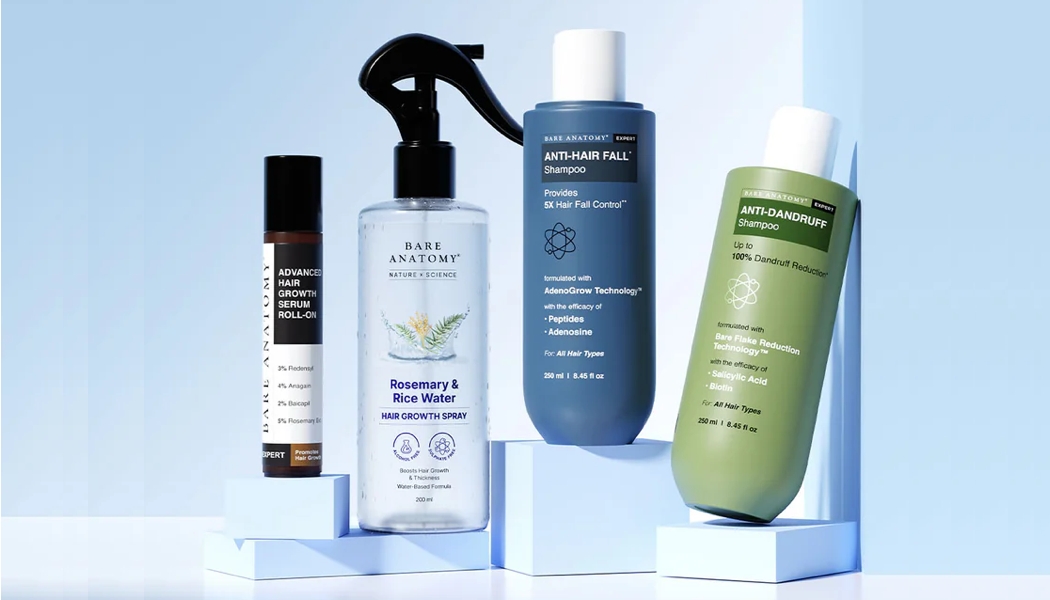
Innovist, founded in 2019, has developed popular brands such Bare Anatomy, SunScoopet Chemist at Playwith in-house research and development and manufacturing capabilities.

“By combining the best of L’Oréal’s global expertise with Innovist’s high-performance, science-backed products, as well as its deep understanding of the Indian consumer, I am confident that we are poised to shape the future of beauty in this dynamic market,” argued Nicolas Hieronimus, CEO of L’Oréalquoted in the press release.

Under the terms of the agreement, Innovist’s founding team will remain in place as minority shareholders, and will continue to run and grow the business in collaboration with L’Oréal India. L’Oréal also acquires the rights to ultimately repurchase in full the shares of minority shareholders.

The growing Indian beauty market is of strong interest to international companies, but Indian Gen Z shows a strong preference for national brandshence the interest in going through partnerships with Indian companies, according to specialists.

What the hair loss industry isn’t telling you

0

Hair loss is one of the most searched beauty concerns online – and yet, much of what you’re being told about it simply doesn’t hold up.

In this thought-provoking and vulnerable episode of Green Beauty Conversations, Formula Botanica CEO and podcast host Lorraine Dallmeier pulls back the curtain on the hair loss industry – opening up about her own hair loss experience – and reveals why so many products, trends and viral TikTok remedies may not be giving you the full picture.

If you’ve ever found yourself scrolling late at night, adding so-called ‘miracle’ solutions to your basket, this episode will feel uncomfortably familiar – but also incredibly eye-opening.

Building directly on last week’s interview with trichologist Chloe Heyworth, this week’s episode explores the complexity of female hair loss. Because here’s the truth: hair loss isn’t one single condition, yet the beauty industry often treats it as if it is.

From rice water trends to rosemary oil hype and even clinically approved treatments, Lorraine reveals what’s backed by evidence, what isn’t, and what the industry would rather you didn’t question.

Whether you care about making informed choices rather than emotional purchases, or are dealing with some hair loss yourself, this is an episode you won’t want to miss.

Listen here

“The question isn’t really about which product works. It’s about whether you’re even asking the right question in the first place.” — Lorraine Dallmeier

Key takeaways:

  • Hair loss is not one single condition – and treating it as such is one of the biggest misconceptions in the beauty industry: Lorraine explains that androgenetic alopecia, telogen effluvium and alopecia areata all have completely different causes, from genetics and hormones to stress and autoimmune responses. Because these conditions behave differently, they also require entirely different approaches. Yet most marketing fails to acknowledge this complexity, leaving consumers trying products that may never have been suitable for their specific situation in the first place.
  • Viral hair loss remedies often rely more on storytelling than scientific evidence: The episode unpacks popular trends like rice water, which has a compelling cultural narrative but lacks clinical proof for hair growth or hair loss prevention. While some early research exists on rice-derived ingredients, it doesn’t translate to DIY treatments seen on social media. Lorraine highlights how easily consumers (including her!) can be persuaded by before-and-after videos, even when the underlying evidence is weak or non-existent.
  • Rosemary oil sits in a grey area between promising research and overstated claims: There is some clinical evidence suggesting rosemary oil may perform similarly to minoxidil for androgenetic alopecia, but the nuance is critical. The research is limited, sometimes contested, and only applies to specific types of hair loss. The industry often skips over these details, marketing rosemary oil as a universal solution, which can mislead consumers who are experiencing different forms of hair shedding.
  • There is an important legal and scientific distinction between cosmetics and medicines: Lorraine explains that only treatments like minoxidil and finasteride are approved to actively affect physiological processes linked to hair loss. Cosmetics, including oils and serums, are not permitted to make these claims – yet marketing language often blurs this line. This creates confusion and can lead consumers to expect drug-like results from products that are not designed or regulated to deliver them.
  • The emotional instinct to “buy a solution” is exactly what the beauty industry relies on: Lorraine reflects and shares her own experience of immediately turning to products instead of investigating the root cause of her hair shedding. She challenges listeners to pause before purchasing and instead ask two critical questions: what type of hair loss am I experiencing, and is this product actually designed for that type? This shift in thinking can prevent unnecessary spending and lead to more effective, durable, and informed decisions.

Thank you for joining us for this episode of the Formula Botanica Green Beauty Conversations podcast. If you enjoyed listening, please share, subscribe and review this episode on Apple Podcasts, Spotify or Youtube so that more people can enjoy the show. Don’t forget to follow and connect with us on Facebook and Instagram.

FREE TRAINING

Learn how to become an
Organic Skincare Formulator

Join over 100,000 other Formulators

By providing your details, you agree to receive additional educational & marketing emails from Formula Botanica, which further introduce our curriculum. Your data is never shared or sold. Read our Privacy Policy.

FREE TRAINING

How to become an
Organic Skincare Entrepreneur

Join over 100,000 other Formulators

By providing your details, you agree to receive additional educational & marketing emails from Formula Botanica, which further introduce our curriculum. Your data is never shared or sold. Read our Privacy Policy.

FREE TRAINING

How to become an
Organic Skincare Entrepreneur

Join over 100,000 other Formulators

By providing your details, you agree to receive additional educational & marketing emails from Formula Botanica, which further introduce our curriculum. Your data is never shared or sold. Read our Privacy Policy.

L’Oréal buys controlling stake in Innovist Group to accelerate growth in India

0

L’Oréal, the world’s leading beauty company, announced on Thursday, June 18, that it has acquired a majority stake in Innovistan Indian platform for personal care and beauty brands. The financial terms of the transaction were not disclosed.

“This strategic move marks a major step in L’Oréal’s expansion in India’s fast-growing beauty industry and complements its portfolio with local brands tailored for Indian consumers,” the French group said in a press release.

Founded in 2019, Innovist has established a portfolio of fast-growing brands, including Bare Anatomy, SunScoop and Chemist at Playbacked by integrated research and development and in-house manufacturing capabilities.

“By bringing together the very best of L’Oréal’s global expertise with Innovist’s high-performing, science-led products and deep-rooted understanding of the Indian consumer, I believe we are poised to shape the future of beauty in this dynamic market,” said Nicolas Hieronimus, Chief Executive Officer of L’Oréalas quoted in the statement.

Under the terms of the agreement, Innovist’s founding team will retain a minority stake and continue to lead the business in partnership with L’Oréal India. The deal also grants L’Oréal the option to acquire the remaining shares held by minority shareholders at a later date.

India’s rapidly expanding beauty market has become an increasingly attractive destination for global companies. However, industry experts note that the country’s Gen Z consumers show a strong preference for homegrown brandsmaking partnerships with local players a key strategic advantage.

Juneteenth: The Celebration Of Freedom Our Culture

0

Photo Credit: iStock

A Sacred Jubilee: Embracing The True Spirit Of Freedom and Cultural Resilience

There is a beautiful, undeniable shift in the atmosphere every single time the middle of June rolls around on our calendars. The neighborhood parks fill up with the unmistakable aroma of smoky barbecue, the joyful sounds of children laughing echo down the block, and the rich rhythm of family playlists brings everyone out onto the front porch. This special occasion is so much more than just an extra day off from work or a simple summer kick off party. It represents a profound, deeply emotional moment of reflection where we get to pause, look at one another with immense gratitude, and honor the unyielding strength of our ancestors who endured the absolute longest nights so that we could step into the light of our own bright futures.

Istockphoto 1617036037 612x612 2
Photo Credit: iStock

Celebrating this historic milestone is a powerful reminder of our collective survival, brilliant creativity, and the beautiful community bonds that have kept us anchored through every single season of struggle. The spectacular Juneteenth Celebration Of Freedom allows us to proudly trace our lineage back to that monumental day in Galveston, Texas, when the glorious news of liberation finally reached the ears of our people. Gathering with our loved ones to share soul food, pour libations, and uplift our local Black owned businesses is a beautiful way to validate that our joy is a form of resistance. We should hold our heads incredibly high because our unique culture has continuously reshaped the entire world, turning pain into pure artistic mastery, rhythmic genius, and an unbreakable sisterhood that continues to lead the way with grace.

Istockphoto 1617038875 612x612 1
Photo Credit: iStock

As we look toward the future with hopeful eyes, let us promise to carry the sacred torch of this legacy in our hearts every single day of the year. Passing down these rich stories to the next generation during our backyard cookouts ensures that our children will always understand the high price that was paid for their brilliant crowns to shine. Take a moment today to embrace your family tight, dance like nobody is watching, and celebrate the beautiful truth that we are our ancestors wildest dreams fully realized. Go ahead and text the group chat to let everyone know the function is officially starting, because honoring our shared journey, our enduring power, and our unlimited potential is the absolute most beautiful way to bless the culture today!

10 WAYS TO LOOK & FEEL YOUNGER ~ THE MALE GROOMING REVIEW

0

Men’s Grooming After 40: 10 Simple Ways To Look Younger Without Trying Too Hard

Getting older is inevitable.

Looking older than you need to? That’s often a choice.

The good news is that looking younger doesn’t require expensive cosmetic procedures, complicated skincare routines, or spending hours in front of the mirror.

In fact, some of the most effective ways to maintain a youthful appearance are surprisingly simple.

If you’re over 40 and want to look fresher, healthier, and more confident, here are ten straightforward grooming habits that can make a noticeable difference.

1. Take Better Care Of Your Skin

One of the biggest differences between men who look younger than their age and those who don’t is their skin.

Years of sun exposure, dehydration, and neglect can quickly take their toll.

You don’t need a bathroom full of products.

A simple routine of:

  • Cleansing

  • Moisturising

  • Daily SPF

can go a long way towards maintaining healthier-looking skin.

2. Don’t Ignore Thinning Hair

Hair is often one of the first things people notice.

Unfortunately, many men simply accept thinning hair as an unavoidable part of ageing.

While genetics certainly play a role, there are steps you can take to support healthier hair.

Many men choose to support their hair through nutritional approaches, particularly if they’re looking for a natural alternative to prescription medications. Products such as HR23+ provide a blend of vitamins, minerals, plant extracts, and hair-support nutrients designed to help support healthy hair growth without the side effects associated with some pharmaceutical treatments.

Whether you decide to address thinning hair or embrace it, making a conscious choice usually looks better than ignoring it.

3. Keep Your Haircut Current

Many men find a hairstyle they like in their twenties and never change it.

The problem is that your hair changes as you age.

The style that suited you at 25 may not work as well at 45.

A good barber can recommend styles that complement your current hairline, face shape, and hair density.

Sometimes a small change can take years off your appearance.

4. Get Serious About Sleep

Sleep affects almost every aspect of your appearance.

Poor sleep can contribute to:

  • Dark circles

  • Dull skin

  • Puffiness

  • Increased stress

  • Tired-looking eyes

Aim for consistent, quality sleep whenever possible.

It’s one of the most effective anti-ageing tools available—and it’s completely free.

5. Maintain A Healthy Weight

You don’t need six-pack abs.

However, carrying excessive weight can often make a man appear older than he really is.

A healthy body composition tends to:

Even modest improvements can have a noticeable impact on appearance.

6. Keep Facial Hair Intentional

A well-maintained beard can look fantastic at any age.

A neglected beard often has the opposite effect.

As you get older, facial hair may become coarser, patchier, or start developing grey hairs.

Regular trimming, shaping, and conditioning can help keep your beard looking sharp and intentional.

7. Deal With Ear And Nose Hair

Let’s be honest.

One of the less glamorous parts of ageing is that hair seems to start growing everywhere except where you want it.

Ear and nose hair become increasingly common after 40.

Fortunately, keeping them under control takes only a few minutes and can make a surprising difference to your overall appearance.

8. Upgrade Your Wardrobe

You don’t need designer clothing.

You don’t need to follow fashion trends.

What you do need are clothes that:

Many men look younger simply because they dress better.

Well-fitting clothing can instantly create a cleaner, more confident appearance.

9. Look After Your Teeth

Few things influence first impressions more than a smile.

Maintaining good oral hygiene, attending regular dental check-ups, and addressing obvious dental issues can significantly improve your overall appearance.

Healthy teeth often make a person appear healthier and younger overall.

10. Stay Active

Exercise isn’t just about fitness.

Regular movement improves:

  • Circulation

  • Posture

  • Energy

  • Mood

  • Confidence

People who stay physically active often carry themselves differently.

That confidence and vitality frequently translates into a younger-looking appearance.

The Bottom Line

Looking younger after 40 doesn’t require drastic measures.

In most cases, it’s the small habits that make the biggest difference.

Taking care of your skin, maintaining your hair, dressing well, staying active, and paying attention to the details can help you look healthier, more confident, and more youthful for years to come.

Ageing is inevitable.

Looking your best as you age is entirely within your control.

before and after hair loss photo male


Exclusive: Inside Antonia Gorga’s Rhinoplasty

0

Growing up on reality TV means fans feel entitled to an opinion on everything, and for Antonia Gorga, daughter of RHONJ’s Melissa and Joe Gorga, having a rhinoplasty at 20 meant that kind of attention was coming either way. So the reality star got ahead of it, documenting her surgery with New York facial plastic surgeon Sam Rizk, MD, in real time on social media.

“I feel like people would have noticed,” Gorga tells NewBeauty exclusively. “I wanted to bring it to light before anyone else noticed. Plus, I like being honest with my fans and it’s just good content that people would love to see.”

Ahead, Gorga shares everything: the decision, the recovery and the results she’s still watching unfold.

Years in the Making

A rhinoplasty had been on Gorga’s mind for a while. Sports through high school made the timing impossible, and college wasn’t much easier. She finally stopped waiting. “I always was nervous to do it,” she says. “But I ended up just pulling the trigger now, and I’m glad I did.”

What she wanted wasn’t a dramatic change. “My nose was very crooked,” she explains. “I wanted to keep it as natural as possible but make it straighter and more defined.”

Dr. Rizk found she also had a deviated septum contributing to asymmetry and some functional breathing concerns. “Antonia was an excellent candidate because she had very clear, realistic goals and had been thinking about this decision for years,” he says.

“I Had a Little Bit of an Identity Crisis”

When the cast came off, the first reaction surprised her. “I had a little bit of an identity crisis, to be honest,” she says. “I was like, ‘What am I looking at?’ But I actually loved it. I immediately saw how straight it was, and I gasped. I really loved it. It looks completely different than it did when I got my cast off, though. Now the swelling went down a lot.”

The hardest part of recovery had nothing to do with pain. Staying elevated on her back was what got to her. “Definitely the sleeping,” she says.

The Results Are Still Developing

Rhinoplasty swelling can take up to a year to fully resolve, and Gorga knows she’s still early in that process. The tip is slightly more swollen after time outside, and she’s watching it shift a little every morning. “I definitely think when the swelling goes down more, I’ll like it better,” she says. “The tip of my nose is definitely more swelled than usual, especially when I go outside.”

For anyone considering the procedure, her advice is less about the surgery and more about what comes after. “Be mentally prepared. I feel like it’s more of a mental battle than it is physical. It’s not that painful. You just have to be patient with the swelling and how you look because your nose changes every day.”

For someone who spent years talking herself into it, the verdict came quickly. “I just love how it’s my nose, but better.”