Home Blog Page 245

Is This the Best Curation Yet?

0

image courtesy of Dermstore

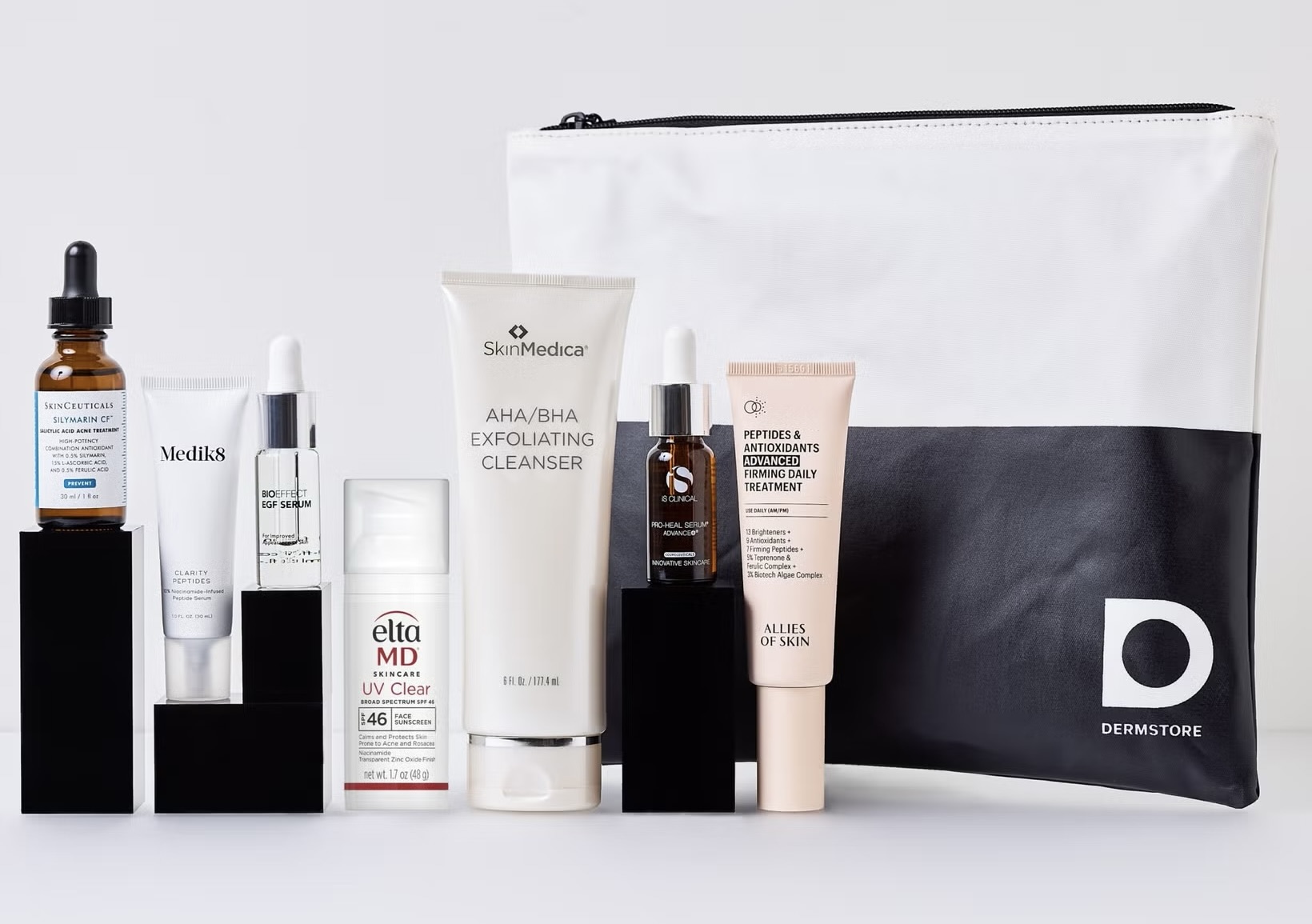
I’ve always been a fan of the Best of Dermstore curations, but the new Healthy Skin Edit is on another level. The lineup covers cleansing, treatment, moisture, and protection in a way that actually makes sense. It also spotlights some of the strongest formulas in antioxidants, growth factors, peptides, and microexfoliants.

If I’m being honest, adding an eye cream would make this set flawless, but that’s truly my only gripe. The brand selection is phenomenal. And if you use my affiliate code OMGBART at checkout, you can have The Healthy Skin Edit on its way for $165.75. Considering the total value is $730, the savings are wild. More below.


What’s in The Healthy Skin Edit


SkinMedica AHA/BHA Exfoliating Cleanser

A foaming gel that smooths texture and prevents congestion. The blend of fruit and sugar-derived alpha hydroxy acids plus salicylic acid helps lift away buildup and keeps skin soft and balanced. FYI: You’re likely receiving the previous packaging. (full-size 6 oz/180ml, $48 value)


SkinCeuticals Silymarin CF

My favorite vitamin C serum from SkinCeuticals, and one that warranted its own dedicated post. It’s brilliant if CE Ferulic feels too rich. Combination and breakout-prone skin types will love it. Lightweight texture, serious results. (full-size 30ml, $185 value)


Medik8 Clarity Peptides

Medik8 does peptides exceptionally well (and retinol even better). This peptide-nia­cinamide-zinc blend aims to firm while refining and clarifying uneven skin. It layers beautifully under sunscreen. (full-size 30ml, $54 value)


iS Clinical Pro-Heal Serum Advance+

People often ask how this compares to Silymarin CF. The textures are similar but the benefits are slightly different. Alternate them if you pick up this edit. Pro-Heal brightens, soothes inflammation, and tightens the look of the skin. Safe for all skin types including rosacea and acne. (deluxe-size 15ml, $99 value)


Bioeffect EGF Serum

A silky, ultra-concentrated treatment powered by barley-derived growth factors that encourage the skin to shift into repair and firmness mode. It’s one of those formulas that actually lives up to the hype. The bottle looks tiny but you only need three drops per application. (full-size 15ml, $175 value)


Allies of Skin Advanced Firming Daily Treatment

If Allies of Skin overwhelms you (serum fatigue is real), go with this hero. Lightweight and creamy, it suits all skin types. It’s my preferred night treatment in warmer months when I crave fewer retinoids and more nourishment. Intensely hydrating. (full-size 50ml, $125 value)


EltaMD UV Clear SPF 46

I’m quietly thrilled this is the untinted version because that formula remains the superior one. UV Clear SPF 46 is still one of EltaMD’s best sunscreens. The hybrid filters and oil-free texture make it a favorite for anyone who wants an airy feel with a glowy (not greasy) finish. (full-size 50ml, $45 value)

Lastly…

The Healthy Skin Edit arrives in a branded Dermstore zip pouch. I’ve collected many versions over the years and the quality holds up. Some remain my most-used travel bags. Use my affiliate code OMGBART at checkout and the price drops to $165.75 from $175. Considering the SkinCeuticals serum alone retails for $185, this is the ultimate treat-to-self for the holidays.

Available while supplies last at dermstore.com.


Affiliate disclosure: this post uses affiliate links, which may provide a small commission if you decide to purchase. It never affects the price and helps support my content.

The Best At-Home Fitness Tools for GLP-1 Users

0

GLP-1 weight loss can be dramatic and quick, and a suddenly slimmer figure may lead to cosmetic concerns, such as skin laxity, and health concerns, such as muscle loss. This “Ozempic effect” has led to a surge in skin-tightening and body-sculpting procedures, but a crucial part of a successful GLP-1 weight loss journey is building muscle back. “Muscle is what keeps your metabolism resilient, supports long-term weight maintenance and helps you move and feel strong in daily life,” explains fitness entrepreneur and NSCA-certified trainer Megan Davies.

Ahead, we speak with Davies about how GLP-1 users should approach their fitness goals, the most effective exercises to try, how to set a realistic workout schedule and the at-home equipment that’s actually worth having.

Fitness Goals to Keep in Mind

“Whether weight loss comes from diet, surgery or medications like GLP-1s, it’s normal for a portion of that loss to include some muscle,” says Davies. “What’s important is that the higher percentages of muscle loss reported with GLP-1 use can be significantly reduced when key lifestyle factors are in place. Regular movement, consistent strength training and a nutrient-dense, protein-forward diet all help protect your muscle mass during weight loss.”

In short, strength training is key to maintaining and building muscle—even for non-GLP-1 users, especially as we age. “Strength-focused training isn’t just important while on these medications; it’s the foundation that allows the mind and body to thrive as we age. This should be a part of self-care, no matter what.”

The Best Exercises

So what exactly are strength-training exercises? “Think squats, lunges, deadlifts, hip hinge variations, rows, presses and carries,” says Davies. “These movements offer the greatest return on effort because they recruit multiple muscles at once and help rebuild or maintain the muscle that may be lost during weight loss.”

But don’t give up your cardio just yet. “In addition to strength work, incorporating walking, low-intensity cardio and occasional short high-intensity sessions can support cardiovascular health,” Davies advises. “The goal is to view your training as a well-rounded approach to overall well-being, not just a strategy for weight loss.”

An Effective Fitness Schedule, Explained

As anyone who has made a fitness-focused New Year’s resolution knows, setting goals is easier than sticking to them. “Frequency really depends on your starting point and your experience with exercise,” Davies says. “For beginners or anyone returning after a long break, a realistic and effective place to start is two full-body strength sessions per week, paired with one low-impact, low-intensity cardio session and a dedicated mobility day. It also helps to be more active throughout the day: take short walks, break up long periods of sitting and look for simple ways to move more. This creates a solid foundation without overwhelming a body that is adjusting to both the medication and new movement patterns.”

As you ease into this new routine and your strength improves, Davies recommends increasing workout volume and intensity to eventually As your ease into this new routine and your strength improves, Davies recommends increasing workout volume and intensity to eventually build up to at least three strength sessions per week, along with two to three cardio sessions that include a mix of low and higher intensities. “Personally, I like including one short high-intensity cardio session, around 20 minutes, followed by 20 minutes of mobility so I can check both boxes in a single workout.”

“There are many ways to structure an effective routine, so take an honest look at your schedule and preferences and experiment until you find a rhythm that feels sustainable,” she says. “Consistency, not perfection, is what ultimately drives progress.”

The Best At-Home Exercise Tools

Repeat after me: You do not need an expensive gym membership or a boutique studio to make a workout effective. “One of the biggest misconceptions in fitness is that you need heavy weights or a full home gym to build muscle. You can start with very basic equipment and still make meaningful progress,” Davies notes. “Even bodyweight alone can be an effective starting point.”

Whether you opt for lighter weights with higher reps or heavier weights with lower reps, a pair of dumbbells is a great place to begin. (Davies recommends one moderate and one heavier pair, plus a comfortable mat.) “As your body adapts and those weights begin to feel easier, you can gradually add heavier options.”

“Additional tools that add versatility without taking up space include a sturdy bench or step, long resistance bands, small resistance loops, sliders and ankle weights. A variety of equipment not only expands what you can do, but it also keeps your workouts engaging. And that matters, because training is a lifelong practice—and enjoyment is what keeps you coming back.”

Glisten & Glow Summer Livin’ Swatches

0

Press Sample

Summer is upon us – especially here in Las Vegas, where temperatures are blazing well past 100° – in fact, they’re set to reach 113° tomorrow! What goes perfectly with summer? NEONS! They’re the perfect summer polish – they even manage to make ghostly pale girls like me look much tanner than we actually are! For this year’s summer collection, Jill came up with some killer neons- they’re fairly opaque, are hella bright even without a white base, and even stamp! Read on to see swatches of this new collection from Glisten & Glow!


Watermelon & Waterslides

Bright neon pink

What’s more refreshing than cold watermelon on a hot summer day? This bright pink screams summer!

Opacity scale (1-5): 2.5

Finish: Creme, 2 coats to be opaque

Slushies & Suntans

Bright neon orange

Orange you glad I didn’t say banana? Wait, what? Who knows, I’m just too distracted by this eye-searing orange neon creme to think straight!

Opacity scale (1-5): 2.5

Finish: Creme, 2 coats to be opaque

Flip Flops & Fireworks

Bright neon yellow

Yellows are always a struggle, and while this one is good, it’s still the toughest of the bunch, and requires 3 coats to help disguise a visible nail line. It’s pretty damn bright though, so totally worth it. If you don’t want to do three coats, you can always put a coat of Wedding Gown White underneath it to take care of that pesky VNL and really make that yellow pop!

Opacity scale (1-5): 1.5

Finish: Creme, 3 coats to be opaque

BBQs & Board Games

Bright neon green

Like liquid lime popsicles melting over your nails, this bright neon green is summer minus the popsicle sticks.

Opacity scale (1-5): 2.5

Finish: Creme, 2 coats to be opaque

Roadtrips & Rollercoasters

Bright neon purple

This one is a little hard to describe, but it is by far the most opaque of the bunch! It’s not quite purple, and not fully a pink either, so it lies somewhere in limbo between them in all its neon glory. I’m surprised to admit it, but I think it’s my favorite of the bunch, and perfect for nail art!

Opacity scale (1-5): 3

Finish: Creme, 2 coats to be opaque

Disclosure: Products in this post were sent to me by the brand, but all opinions are my own.

CeraVe vs. Cetaphil Moisturizers for Sensitive Skin

0

Among the plethora of skincare brands on the market, CeraVe and Cetaphil stand out as saviors for dry, damaged, and sensitive skin by offering gentle formulations to help restore and maintain skin health.

Additionally, CeraVe and Cetaphil are both popular choices among dermatologists, primarily due to their use of moisture-attracting humectants, skin-softening emollients, and barrier-repairing ceramides.

However, while both brands share similar features, how do you choose between them to repair and protect your sensitive and reactive skin?

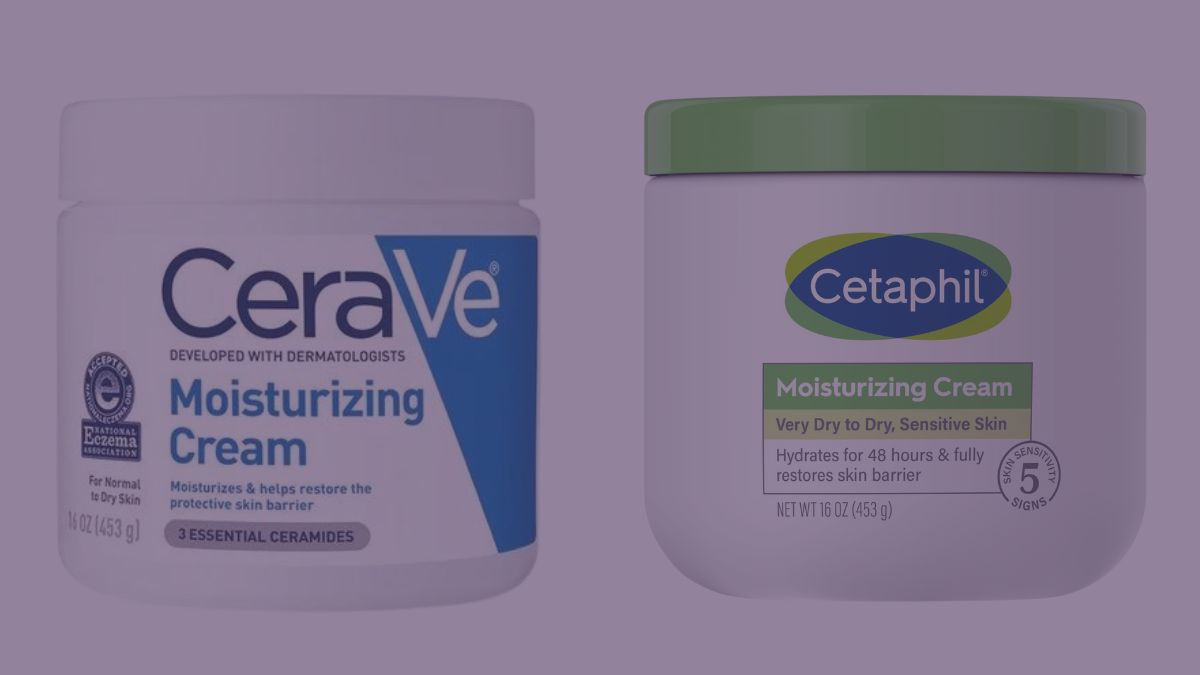
In this article, I will review the philosophies, ingredients, and overall effectiveness of CeraVe vs. Cetaphil moisturizers to help you decide on which one you should use to soothe sensitive skin.

Understanding Sensitive Skin

Sensitive skin can be both a skin type and a condition that causes the skin to react more intensely to stimuli than normal skin, often leading to symptoms such as redness, itching, and dryness.

Sensitive skin can be caused by internal and external factors, including genetics, allergies, and environmental irritants.

However, sensitive skin is most commonly caused by irritants in cosmetics, such as fragrances, alcohol, and certain preservatives.

As a result, it is crucial to choose skincare products that are specifically formulated for sensitive skin to avoid exacerbating symptoms and discomfort.

CeraVe: Brand Overview and Philosophy

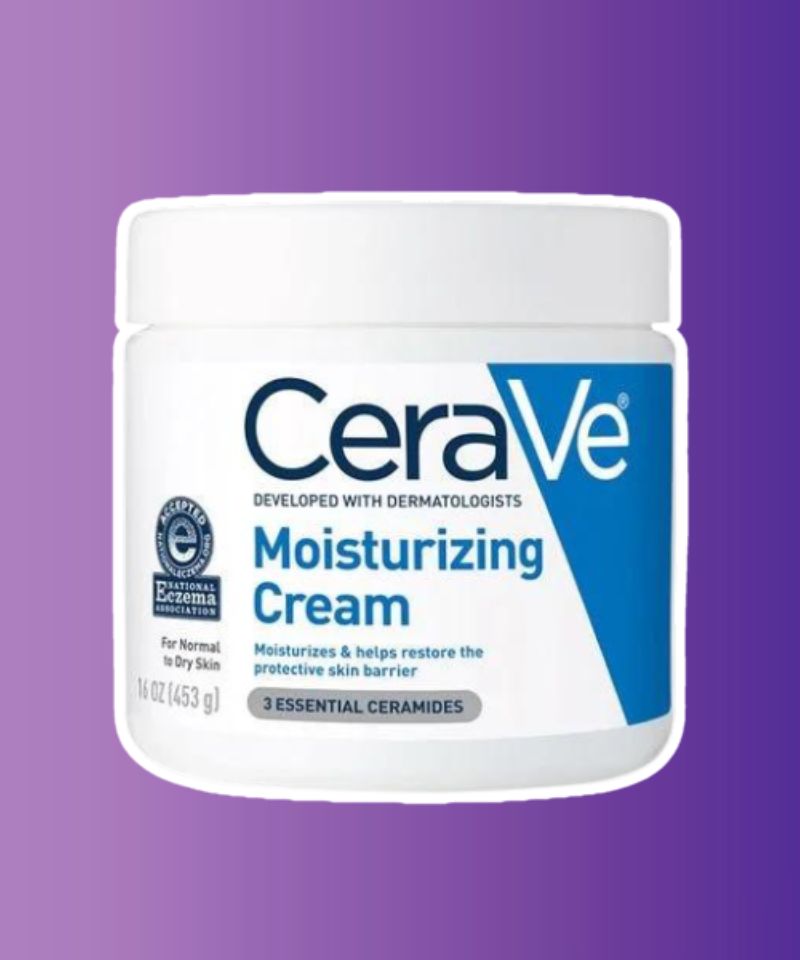
CeraVe Moisturizing Cream, a hydrating skincare product with ceramides to nourish and moisturize dry skin effectively.

Founded in 2005 with a mission to restore and maintain the skin barrier, CeraVe is a brand that has become synonymous with skincare innovation.

The brand emphasizes its proprietary blend of ceramides, which are crucial lipids that help restore the skin’s barrier, along with other key ingredients like hyaluronic acid and niacinamide.

CeraVe’s products are free from fragrance and drying alcohol, making them a popular choice for those with sensitive skin.

RELATED: CeraVe Moisturizer vs. La Roche Posay Cicaplast: Which One is Better For Acne?

CeraVe Moisturizers for Sensitive Skin

CeraVe’s range for sensitive skin includes the Daily Moisturizing Lotion, Moisturizing Cream, and PM Facial Moisturizing Lotion, all rich in ceramides, fatty alcohols, and hyaluronic acid.

These ingredients are essential for repairing the skin barrier and retaining moisture, making them ideal for sensitive skin prone to dryness and irritation.

The formulations are also non-greasy and absorb quickly, providing comfort without heaviness.

Cetaphil: Brand Overview and Philosophy

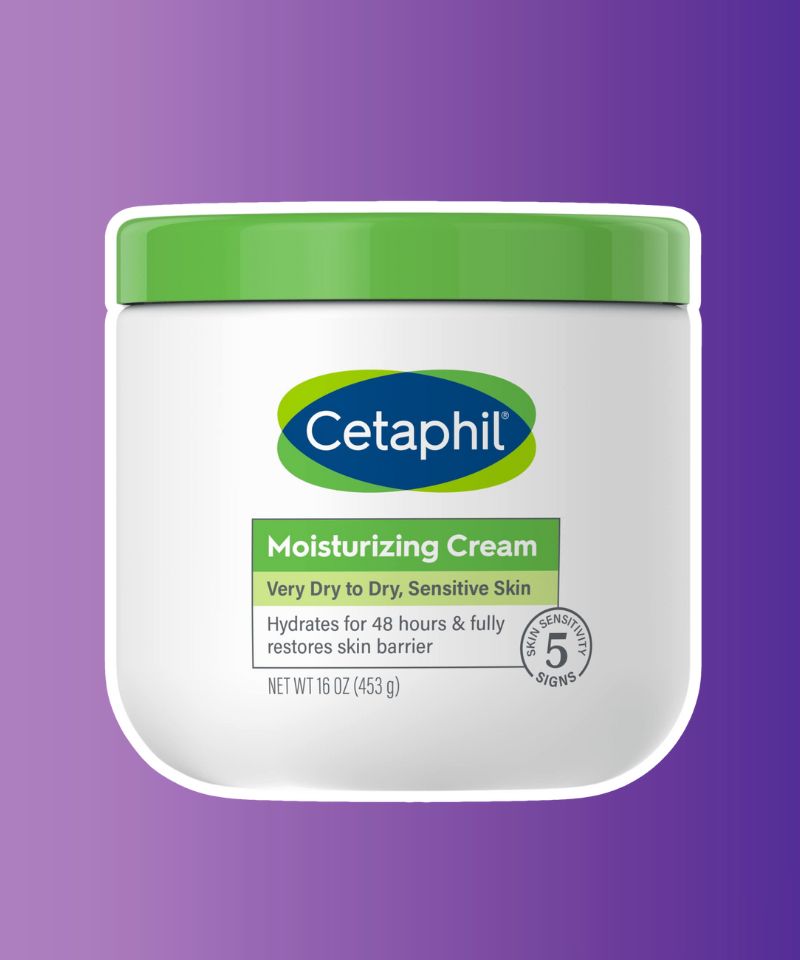
Cetaphil Moisturizing Cream is a gentle and nourishing product that provides hydration and restores the skin's moisture balance.

Cetaphil is a skincare brand developed in 1947 in Texas and lauded for its minimalist approach to skin care, prioritizing gentle products formulated with ingredients tailored for sensitive and irritated skin.

The brand’s philosophy centers on simplicity and efficacy, with products often recommended by dermatologists for their mild and non-irritating formulas.

Cetaphil, similarly to CeraVe, also avoids using fragrances and harsh ingredients in their products, and some of the brand’s main ingredients include glycerin, panthenol, hyaluronic acid, and ceramides to help soothe and hydrate the skin and repair its delicate moisture barrier.

Cetaphil Moisturizers for Sensitive Skin

Cetaphil’s range for sensitive skin includes the Moisturizing Lotion, Intensive Healing Lotion, and Rich Hydrating Cream formulated with glycerin and various emollients to lock in moisture and provide long-lasting hydration for sensitive skin.

However, due to the inclusion of emollients such as avocado and olive oil, some of these products may not be suitable for those with skin prone to clogged pores and acne.

Additionally, they have a heavier texture compared to CeraVe’s moisturizers, making them better suited for drier skin types.

Comparing CeraVe and Cetaphil for Sensitive Skin

When comparing the two, it’s evident that both brands offer high-quality products designed with sensitive skin in mind.

CeraVe’s focus on ceramides and a sustained-release technology might edge out for those needing intensive barrier repair.

Therefore, CeraVe’s products may be more suitable for individuals with dry skin, mature skin prone to dryness, those living in cold climates, and those using drying acne treatments.

On the other hand, Cetaphil’s simplicity and ultra-gentle formulations are perfect for skin that reacts negatively to more complex ingredient lists.

This makes Cetaphil more suitable for sensitive skin prone to irritation, redness, and sensitivity but not so much for skin prone to acne.

Price-wise, both brands are positioned similarly, offering affordable options for everyday use.

Availability is also comparable, with both brands widely accessible in drugstores and online.

Which One Is Best for Sensitive Skin: CeraVe or Cetaphil?

Choosing between CeraVe and Cetaphil for sensitive skin will depend on your specific skin needs, as not every sensitive skin type reacts the same to different products.

However, if your skin craves deep hydration and barrier repair, CeraVe’s ceramide-rich moisturizers might be the answer, while Cetaphil’s gentle moisturizers are a better fit for sensitive skin that’s easily irritated.

Additionally, CeraVe’s formulations might be better suited if your sensitive skin is caused by external factors, such as cold and harsh weather, irritating cosmetic products, or potent active ingredients, such as tretinoin or exfoliating acids.

On the other hand, if your skin is prone to severe dryness, be it genetic or caused by external factors, but is not prone to clogged pores and acne, Cetaphil’s heavier and more emollient-rich moisturizers may provide the necessary relief.

In conclusion, both CeraVe and Cetaphil are excellent options for sensitive skin, offering effective and affordable solutions tailored to different needs.

Whether you need deep hydration and barrier repair or a gentle yet effective moisturizer, both brands have you covered.

It ultimately comes down to finding the right fit for your specific skin concerns and preferences.

However, regardless of choice, patch testing and gradually introducing new products into your skincare routine are advisable to prevent potential reactions.

The post CeraVe vs. Cetaphil Moisturizers for Sensitive Skin first appeared on The Skin Care Culture.

Supergoop appoints ex-Amazon Health & Beauty GM Melis del Rey as incoming CEO

0

SPF-focused brand Supergoop! has appointed Melis del Rey as Chief Executive Officer and Board Director.

Del Rey, who most recently served as General Manager of Amazon US Health & Beautyis credited with transforming the platform into a powerhouse in the prestige beauty market. She will relocate from Seattle to New York and assume her new role on December 8.

She brings over two decades of experience in the global beauty and consumer products industry. She began her career as an engineer and researcher in academia, earning a Ph.D. in New Product Development & Engineering Design and a B.Eng. in Manufacturing Engineering and Operations Management from The University of Nottingham. She brought that technical rigor to Procter & Gamblewhere she spent more than a decade in marketing and sales leadership roles across the company’s global beauty portfolio. Over the past 11 years, she built and scaled Amazon’s global Health and Beauty businesses, transforming the beauty offering from a replenishment-driven channel into a leading beauty destination, recognized for its immersive, innovative, and personalized shopping experiences. She also serves on the Board of Cosmetic Executive Women (CEW), a leading non-profit organization advancing women’s leadership in the beauty industry

“Melis is a dynamic and visionary leader with a proven track record of building global brands, strengthening retail partnerships, and delivering exceptional consumer experiences,” said Edgar Huber, Chairman of the Board, Supergoop!. “Her innovative approach to brand building and deep expertise across beauty, e-commerce, and omnichannel strategy make her uniquely suited to lead Supergoop! into its next era of growth.”


Gregory Polcerwho has been serving as Interim CEO since May 2025, will work closely with Ms. del Rey to ensure a smooth leadership transition. Mr. Polcer will continue to serve on the Supergoop! Board of Directors.

Supergoop! is one of those rare brands that defines a category rather than simply participating in it,” said Ms. del Rey. “The brand’s commitment to innovation, education, and joyful sun protection has already transformed how people think about SPF. I’m thrilled to help accelerate that momentum — expanding our impact, deepening consumer connection, and bringing Supergoop!’s mission into more routines around the world.

Frustrated with Your Outfits? How to Finally Find Your Best Colours — Inside Out Style

0

twitterpinterestlinkedinmail

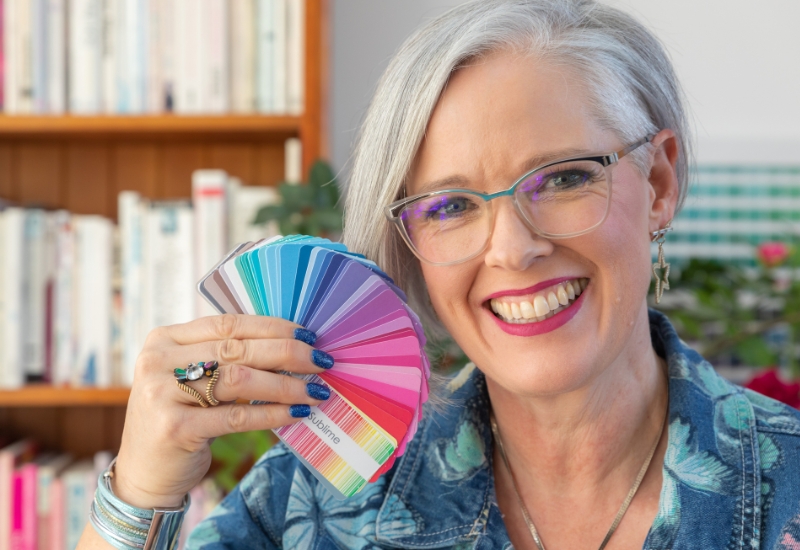
For many women, colour analysis can feel like a never-ending puzzle. You might have been told you’re a “Spring,” only to be re-draped as an “Autumn” later. You try on those palettes, but somehow they still don’t feel right. You look washed out in some hues, overwhelmed by others, and the result is confusion rather than clarity.

So why does this happen? And how can you finally find your best colours to create gorgeous outfits that make you the star without starting over again (and again)?

1. Your Colouring Changes and That’s Normal

As we age, our pigmentation softens. Hair loses intensity, skin cools slightly, and contrast often reduces. What once felt warm and vibrant may now look too strong or too yellow.

If you were once a vivid redhead, your current ivory-toned hair will change how colours appear against your face. You might still suit warmthbut now you’ll need softer, more muted versions of those shades.

For example:

  • Swap bright coral for soft coral
  • Replace golden yellow with warm blush pink.
  • Trade orange-red for soft terracotta or rosewood.

Your undertone – warm or cool doesn’t necessarily flip (though some warm people do cool down with age). However, the intensity and value of your colours often require adjustment.

Your hair colour may have changed over time, whether with hair dye or just natural greying, this means that the colours and in particular, the neutrals that suit you now will have changed.  Plus, how you put your colours together will also change. It’s worth reassessing your colouring every 5-10 years or anytime your hair colour changes (or if you’re just not feeling as good in your palette as you used to).  You can get an online colour analysis here.

2. You Don’t Have to Wear Every Colour in Your Palette

One of the biggest misconceptions about colour analysis is that you must wear every shade in your palette. Not true. Every person’s palette has colours that enhance and others that are just “okay”.

Even within a harmonious group, you’ll have personal signature colours that make your skin glow and your eyes light up. Those are your true allies.

For instance:

  • Warm individuals might find orange overpowering but glow in soft salmon or coral pink.
  • Cool individuals may struggle with icy pastels yet shine in mid-tones like raspberry or teal.

The joy of getting your signature colours as part of your colour analysis is that you will find out which are your very best colours from a generic palette, so you can adjust your wardrobe to suit who you are today.

Think of your palette as a menunot a prescription – you get to choose what works best for your unique features.

3. Understanding the Three Dimensions of Colour

Once you understand how undertone, intensity and value work together, you’ll see why specific colours feel more natural.

  • Undertone – Is the colour yellow-based (warm) or blue-based (cool)?
  • Value – Is it light, medium or dark?
  • Intensity – Is it bright or muted (greyed and smoky)?

Many people go wrong by focusing on only one. For example, someone may soften their colours (lower intensity) but accidentally shift them too cool. This can lead to a palette that feels dull or draining.  Or you may keep your correct undertone but be wearing colours that are now too dark for you as your hair has gotten lighter with age, so they feel heavy on you.

If your features are soft but still have a hint of warmth, you need muted warm tones, not icy cool ones.

Plus, your colour contrast or value contrast may have changed, so how you put the colours in your palette together may need to change, even if your palette is still the same.  Check out my free 3-step process to understanding your contrast levels.

colours and ageing4. Focus on How Colours Make You FeelNot Just How They Look

The right colours don’t just flatter your skin – they support your confidence.
If you feel uneasy in a hue, trust that instinct. When a colour makes you feel tired or self-conscious, it’s not your best match, no matter what a label says.

Here’s a simple experiment:

  1. Stand near a window with natural light.
  2. Hold two garments near your face – one warm and one cool.  I find green to be a great tool for this – one a warm olive green, the other a cool emerald green.
  3. Watch for differences in skin tone, eyes, and expression.

If your skin looks fresher, your eyes brighter, and you feel uplifted, that’s your colour working with you.

5. The Role of Expert Guidance

Colour analysis is a skill built on trained observation, and it’s easy to get confused by DIY methods or inconsistent systems online. If you’ve been re-draped multiple times, it doesn’t mean you’re “hard to classify.” It simply means your colouring is nuanced. It could also mean that the system you’ve had a colour analysis in is lacking in nuance (which is why I developed my 18 palette Absolute Colour System).

An experienced colour consultant will look beyond labels and work with the subtleties of your features – hair sheen, skin undertone, and eye clarity – to pinpoint your ideal balance.

If you’re ready to truly understand your palette and stop second-guessing yourself, my 7 Steps to Style program will guide you through every part of the process from discovering your personal colouring to creating a wardrobe that works harmoniously for you.

6. Embrace Evolution – Not Perfection

Colour isn’t fixed. Just like your personality, it grows, shifts, and refines over time. The goal isn’t to chase one definitive “season” but to understand your current expression of colour harmony.

When you align your wardrobe with your natural colouring, you don’t just look better, you feel more authentic, confident, and at ease in your own skin.

If you’re frustrated with your colour analysis, it’s not failure – it’s feedback. You’re evolving, and so is your palette. Understanding warmth, depth, and chroma will help you interpret colour with confidence instead of confusion. And when you’re ready for expert clarity, you’ll discover your colours aren’t lost – they’ve simply grown up with you.

Further Reading

Personal Colour Analysis: The Hot New Old Trend

Busted! 7 Myths About Personal Colour Analysis Holding You Back From Your Perfect Palette

Why Colour Analysis has Evolved Beyond the Seasons

How to Find Your Ultimate Signature Colours

How to Select Your Best Neutrals

Frustrated with Your Outfits? How to Finally Find Your Best Colours

Facebooktwitterpinterestlinkedinmail

Using Vitamin C and Retinol Together: Guide

0

In the world of skincare, two superstar ingredients are always stealing the spotlight: Vitamin C and retinol. These are two of the most well known ingredients in skincare, especially when it comes to anti-aging and skin brightening.

The question is: can these two powerhouse ingredients be used together? In this article we will explore the ins and outs of vitamin C and retinol, from their benefits, to how they function together, to how to create a personalized skincare routine that includes both.

Why Do Vitamin C and Retinol Matter for Your Skin?

Both vitamin C and retinol play important roles in maintaining healthy, youthful, glowing skin. Vitamin C is known for its antioxidant properties and ability to brighten skin tone, while retinol is celebrated for its anti-aging benefits and skin renewal capabilities.

To elevate your skincare game, instate a solid skincare routine that incorporates these two ingredients: vitamin C in the mornings, and retinol in the evenings. Let’s get to know these ingredients a little better, and learn more about what they can do for your skin.

What To Know About Vitamin C

Vitamin C, also known as ascorbic acid, is a potent antioxidant that protects the skin from damaging free radicals caused by UV exposure and pollution. It’s also essential for boosting collagen production, which helps to maintain skin firmness and elasticity.

Some of the key benefits of vitamin C in skincare include:

  • Brightening Skin Tone: This is vitamin C’s bread and butter. It’s known for reducing pigmentation and evening out skin tone. The result is a beautiful, natural glow.
  • Supporting Collagen Production: This important vitamin supports collagen synthesis, reducing fine lines and wrinkles while plumping skin.
  • Antioxidant Defense: Supports skin during exposure to oxidative stress, working to reduce the look of visible premature aging.

What To Know About Retinol

Retinol has earned its reputation as the gold standard in anti-aging skincare due to its remarkable ability to address multiple signs of aging. This vitamin A derivative is renowned for its effectiveness in reducing fine lines and wrinkles and improving overall skin texture.

Retinol works by penetrating deep into the skin’s middle layer, the dermis, where it changes your skin at a cellular level, neutralizing free radicals and boosting the production of collagen and elastin.

This creates the much-desired plumping effects that many of us are looking for. Not only does it improve the appearance of wrinkles, but it also helps to reduce enlarged pores. As if that’s not already enough, retinol has an exfoliating effect on the skin, which improves its tone and texture.

Why Do Vitamin C and Retinol Work Well Together?

When used together, retinol and vitamin C make powerful partners! Both ingredients target slightly different aspects of skin health, complementing each other’s effects for an ultra-effective product pairing and more comprehensive results.

Vitamin C is a potent antioxidant that protects the skin from free radical damage and helps brighten your complexion for a gorgeous glow. Retinol on the other hand, stimulates cell turnover and collagen production.

When combined, they work synergistically to address the signs of aging:

  • While both products can help support collagen production, when combined the effect is simply more potent.
  • Vitamin C defends skin cell health during exposure to the damaging effects of free radicals, while retinol works to repair existing damage.
  • Retinol supports cell turnover while vitamin C helps form new, healthy skin cells.
  • Vitamin C has been known to stabilize retinol, potentially increasing its effectiveness by helping it to absorb more effectively.

The best part is that all of this is perfectly safe. There are different ways to incorporate vitamin C and retinol into your skincare regimen, and we will share our thoughts on the best way to do it.

How To Incorporate Vitamin C and Retinol Into Your Skincare Routine

To maximize the benefits of each ingredient, we recommend using vitamin C in the morning, and retinol at night. This approach allows you to reap all the benefits of each ingredient, without interfering with the efficacy of the other.

Application Order and Timing Tips

In the morning, after cleansing, apply a vitamin C serum that meets your skincare needs. Follow this with a moisturizer that’s suitable for your skin type. If your moisturizer doesn’t contain at least 30 SPF, slather on some sunscreen.

In the evening, cleanse your skin thoroughly to remove any makeup and built-up debris from the day. Apply your retinol and a rich night cream. When it comes to retinol, your best bet is to start off by using it every other day, or even just a couple times a week, until your skin adjusts to the new product.

You may want to do that with vitamin C as well, but that ingredient is typically a bit gentler than retinol. It depends on your skin type, and sensitive skin may need to be handled with kid gloves, regardless of ingredient combination.

Addressing Sensitivity Concerns

Both vitamin C and retinol can potentially cause skin sensitivity, especially when first introduced. Don’t worry — this is completely normal. To minimize irritation, it’s best to start with products that have a lower concentration of the ingredients.

What does that mean? Well, you might find a serum that boasts more than 20% vitamin C might be extremely effective for those who are used to the ingredient, but may cause redness and irritation for someone with sensitive skin, or someone who is new to the ingredient.

For vitamin C, any concentration that is 10% or below is a great place to start. For retinol, a low concentration in serum is typically between .01% and .03%. This of course does not mean that you can’t use a higher concentration; you might just need to exercise a little trial and error to find what’s best for your individual skin needs.

What Are Some Vitamin C and Retinol Products To Try?

At Juice Beauty, we believe in harnessing the power of nature to create effective, natural, sustainable clean beauty products.

Our skincare solutions are formulated with fruit stem cells and other organic ingredients that nourish your skin, and we combine them with well-known effective skincare ingredients for the best possible results. Let’s take a closer look at some of our favorite products.

Vitamin C Products

Looking to add vitamin C to your lineup? Reach for these:

  • Stem Cellular Anti-Wrinkle Moisturizer: If you’re in the market for a new moisturizer, this is one you’ll truly love. 88% of participants in a clinical study reported a reduction in fine lines and wrinkles, while a whopping 100% experienced instrument-measured increases in hydration. This product also features grape plant stem cells and jojoba oil for anti-aging and hydrating effects.

  • PreBiotix C-Boost72 Hydrating Whipped Cream: A cream for those with a little more vitamin C experience, this one will get the job done. With vitamin C, niacinamide, and a hydration skin barrier blend, you can expect a clinically proven increase in skin luminosity in just 4 weeks.

  • Blemish Clearing Salicylic Acid Serum: If you experience breakouts but still want anti-aging effects, this serum is a godsend. It has salicylic acid, willow bark, vitamin C, and CoQ10.

Retinol Products

When it comes to retinol, these are our top contenders:

What Are Some Skincare Best Practices for Maximum Results?

Skincare is a journey, not a destination. It can take anywhere from six to 12 weeks of consistent use to see any visible results after starting a new product.

Sunscreen is a non negotiable in your routine. Apply sunscreen daily, even on cloudy days, to make sure that you are maintaining the results you get from your retinol and vitamin C.

A solid skincare routine doesn’t have to be complicated. Focus on the following:

  1. Cleanse: Use a gentle cleanser that works for your skin
  2. Treat: Apply the serum that suits your needs
  3. Moisturize: Choose rich, creamy formulations for dry skin, and oil-free gel formulations for oily skin.
  4. Protect: Never forget your sunscreen!

A Simple Approach to Radiant Skin

At Juice Beauty, we believe that beautiful skin is within your reach — and by incorporating clean, organic skincare products into your routine, you’re nourishing your skin from the outside in.

What you put on your skin is just as important as what you put in your body, so choose wisely.

Sources:

Human Skin Aging and the Anti-Aging Properties of Retinol | Biomolecules

Retinol: The Ideal Retinoid for Cosmetic Solutions | JDDonline

Why is topical vitamin C important for skin health? | Harvard University Health

Vitamin C: One Compound, Several Uses | Science Direct

WHY MEN LOSE MORE HAIR DURING SUMMER TIME ~ THE MALE GROOMING REVIEW

0


Most men understand the importance of sunscreen when heading outdoors, but hair protection? That’s often an afterthought—if it’s thought of at all.

Whether you’re working outside, hitting the beach, going for a run, or just enjoying a cold beer on the patio, your hair is constantly exposed to the elements. And while sunlight has its benefits—like helping your body produce Vitamin D—too much of it can silently sabotage your hair.

In this article, we’ll break down exactly how sun exposure affects men’s hair health, the signs of damage, who’s most at risk, and how to protect your hair without complicating your daily routine.

What the Sun Does to Your Hair

Your hair is made up of keratin, a tough protein. Each strand has a protective outer layer called the cuticle. Think of it like shingles on a roof—when it’s intact, everything inside is protected. But when exposed to UV rays, that layer can break down.

Here’s what happens:

  • UVA rays penetrate deep into the hair shaft, damaging proteins and reducing strength.

  • UVB rays affect the outer layer, degrading pigments and drying out the surface.

And here’s the kicker: your hair doesn’t heal. Once the strand is damaged, it’s damaged for good until you cut it off.

Signs Your Hair Is Getting Hit by UV Damage

You might not notice it after a single day in the sun, but repeated exposure will start showing up—especially in the warmer months. Common signs include:

1. Dry, Rough Texture

Sun exposure saps natural oils from both your scalp and hair, making it feel brittle, dry, and harder to style.

2. Color Fading

Blondes may go blonder, but brunettes might notice a reddish or brassy tint creeping in. Natural or dyed, UV rays break down hair pigments over time.

3. Split Ends and Breakage

Sun-weakened hair becomes fragile, leading to split ends and mid-strand breakage—especially if you’re also using heat tools or wearing hats all day.

4. Thinning Appearance

UV damage weakens the integrity of individual hairs. Even if your hair isn’t falling out, it may start to look thinner and lose its body.

5. Scalp Sunburn

Bald spots or thinning areas on your scalp can burn just like skin elsewhere on your body. A sunburned scalp can lead to peeling, itching, and even temporary hair shedding.

Who’s More Vulnerable?

While all men are at risk, some are more likely to see sun-related hair issues:

  • Guys with lighter hair: Blonde and red hair have less melanin, which provides natural UV protection.

  • Men with thinning or receding hairlines: Less hair coverage means more scalp exposure.

  • Those who work or play outdoors: Construction workers, athletes, hikers, and beachgoers get more UV exposure overall.

  • Men with dyed or chemically treated hair: Color or bleach weakens the hair shaft, making it more vulnerable to sun damage.

Why Men Often Overlook It

Let’s be honest: most guys don’t have a 10-step haircare routine. For many, it’s shampoo, maybe conditioner, and that’s it. Haircare tends to fall low on the priority list—until the damage is done.

But ignoring sun damage doesn’t make it go away. In fact, left unchecked, it can speed up hair aging, breakage, and even contribute to a more noticeable balding appearance.

How to Protect Your Hair Without the Fuss

Good news: protecting your hair from the sun doesn’t mean spending half an hour in front of the mirror. Here are simple, low-maintenance ways to keep your hair in solid shape—even during peak summer:

1. Wear a Hat

The easiest and most effective move. Baseball cap, bucket hat, or wide-brimmed hat—whatever fits your style. It protects both your hair and your scalp.

Bonus tip: Avoid tight hats all day every day—they can cause friction or cut off circulation to hair follicles over time.

2. Use a Leave-In Conditioner or Hair Cream with UV Protection

Yes, men’s hair products exist that protect against UV rays. Look for leave-in conditioners or light creams labeled with UV protection or antioxidants.

No need to overdo it—just apply a small amount to damp hair before heading out.

3. Shampoo Less, Condition More

Daily shampooing strips away natural oils. Unless you’re working out or sweating heavily every day, try cutting back to 2–3 shampoos a week.

Instead, rinse with water and use a good conditioner regularly. It helps restore moisture and strengthen hair that’s taken a hit from the sun.

4. Use a Moisturizing Mask Once a Week

This sounds more “salon” than “garage,” but hear us out: hair masks are like protein shakes for your hair. It’s a 10-minute step, once a week, that can make a noticeable difference in texture and resilience.

Look for masks with ingredients like argan oil, keratin, or aloe vera.

5. Rinse After Swimming

Chlorine and saltwater dry out your hair and make it even more prone to sun damage. Always rinse with fresh water after a swim, and follow up with conditioner.

6. Eat for Strong Hair

Hair health isn’t just about what you put on it—what you eat matters too. Protein, omega-3s, iron, and vitamins like D, E, and biotin all play a role in hair growth and strength.

Think eggs, nuts, salmon, leafy greens, and whole grains.

What If You’re Already Seeing Damage?

Don’t panic. While you can’t undo existing damage to the strands, you can stop things from getting worse and give your hair a reset.

  • Get a trim: Cut off split ends and start fresh.

  • Upgrade your shampoo: Use one designed for dry or damaged hair.

  • Start conditioning: Even if you never did before, it’s never too late to begin.

  • Protect going forward: A little prevention now will save you from major damage later.

Final Thoughts

Sun exposure affects more than just your skin—it can weaken your hair, dry it out, fade its color, and even contribute to thinning. But with a few easy habits, you can protect your hair without overhauling your routine.

Whether you’re bald, buzzed, bearded, or rocking a full mane, your hair and scalp deserve attention. So next time you step out into the sun, don’t just think SPF—think about your hair, too.

Take care of it, and it’ll keep you looking sharp for the long haul.

Ad.

hair loss solutions for men


Cupcake Polish 5 Year Anniversary Trio!

0

Press Sample

It’s super awesome seeing rad people succeed at what they set their mind to – and I’m super excited to celebrate the 5th Anniversary of Cupcake Polish with Sara and all of her fans and customers! Today I’m sharing the trio that she came out with to celebrate the success of the last 5 years, and it’s super pretty – and very true to the Cupcake Polish aesthetic! My fave of the trio is Diamond, read on to see why… (and check out the HUGE sale details!!!)

Celebrate

Bubblegum pink foil

Girly to the maxxx! A feminine soft & bubblegummy pink with a silvery foil finish.

Opacity scale (1-5): 2.5

Finish: Foil, 2 coats to be opaque

5 Years

Vibrant pink with subtle linear holo, microglitter & strong blue reflect

SUCH a pretty polish – I’m a huge fan of the blue reflect, I love it when polishes have a contrasting shimmer – so pretty and adds a ton of dimension to a polish.

Opacity scale (1-5): 2.5

Finish: Holo/shimmer, 2 coats to be opaque

Diamond

Clear base LOADED with iridescent flakes, silvery flakes & awesomeness

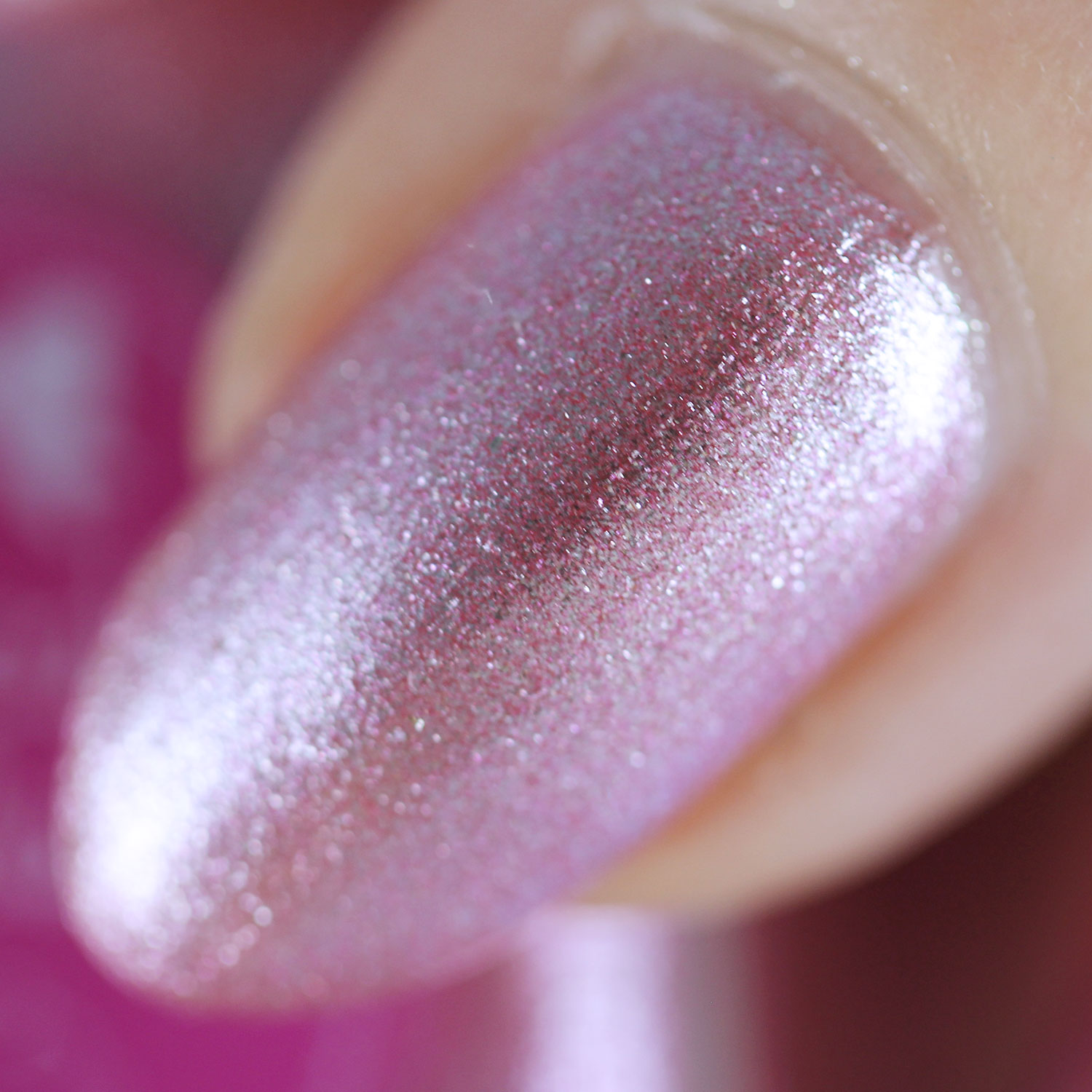
OK, this is my favorite of the trio, and it’s obvious to see why. It’s jam-packed full of awesome and even ONE coat of this polish (shown) is an amazing topper over a contrasting polish! I haven’t tried it yet, but I want to try to coat my nails in this using a sponge technique to transfer the flakes.

Opacity scale (1-5): 2.5

Finish: Glitter/Flaky TOPPER, multiple coats to be opaque

––––––––––––––––––––––––––––––––––––––––––––––––––––––––––––––––––––––––––––––––

So, which polishes are you going to pick up from this trio? From the sale? Wait… did I mention SALE?! Everything in the Cupcake Polish store will be 30% off from July 1 – July 5 using the code: “5YEARS” – YES – even the trio will be on sale!! Will you snag a bottle of Berry Good Looking (one of my all-time favorite polishes), or will you splurge and buy the trio, or maybe some of the Candyland collection? Tell me in the comments below!

Disclosure: Products in this post were sent to me by the brand, but all opinions are my own.

What is Squalane? Skin Benefits and More

0

Everyone wants glowing, healthy-looking skin, and creating a skincare routine unique to our skin’s needs is the best way to achieve that goal. One ingredient that can elevate your daily regimen is squalane, an ingredient used in moisturizers, serums, and even repair treatments to provide many skin benefits.

But what is squalaneand what does it do for your skin? If you’re interested in learning more about this skin-benefiting oil, our Skin Health Experts at Kate Somerville are here to help you better understand this super hydrating ingredient and how you can incorporate it into your skincare regimen. Rejuvenate your skin with a squalane-infused skincare products.

What Is Squalane?

Though squalane may be a new term to you, your skin is already up-to-date on the benefits of this ingredient—in fact, it produces it naturally! Before delving into squalane skin benefitsit’s essential to understand the science behind this remarkable ingredient.

The Science Behind Squalane

What is squalane all about? Squalane is derived from squalene, a natural compound produced by our skin’s sebaceous glands.1 While squalene is highly beneficial, it’s prone to oxidation, making it less suitable for skincare products. To overcome this challenge, squalene is hydrogenated, turning it into a more stable and skin-friendly squalane. This transformation ensures that squalane can provide long-lasting benefits to your skin without the risk of oxidation.

When added to skincare ingredients, squalene oil, better known as squalane, directly contributes to healthy-looking skin. Squalane helps to reinforce the skin barrier’s function by mimicking the skin’s natural oils, preventing moisture loss and keeping harmful external irritants at bay. Daily application of squalane offers all kinds of benefits ranging from anti-aging to moisturization.

Unveiling the Benefits of Squalane for Skin Health

What does squalane do for the skin? Now that you know the science behind squalane, the skincare-ready version of squalene, let’s take a look at the health benefits of this natural product.

Anti-Aging and Wrinkle Reduction

Anti-aging products are key to keeping your skin healthy and keeping you confident. Working with peptides in age repair, squalane provides your skin with a more youthful look by smoothing the appearance of fine lines and wrinkles, softening dark circles, and softening the texture of your skin. Using squalane regularly also helps minimize the formation of new wrinkles, causing your skin to look and feel better than ever. With consistent use, squalane can aid in maintaining a radiant and age-defying appearance.

Encouraging Collagen Production

Collagen, a protein that provides structure to your skin, is essential for maintaining its firmness and elasticity. As we age, collagen production naturally decreases, leading to sagging skin and the formation of wrinkles. Squalane can assist in combating this process. It encourages the production of collagen, helping to improve skin’s elasticity and suppleness. This makes squalane a valuable ally in the fight against signs of aging, ensuring that your skin remains youthful and resilient.

Intense Hydration for a Supple Complexion

While squalane is lightweight, it holds just the right amount of moisturization to leave your skin supple, hydrated, and glowing. In addition, because it is so similar to squalene, a naturally produced oil, it works with your skin’s natural protective barrier and shields it from harmful, external irritants.

If your skin is dehydratedthe skin’s sebum formation is high, causing oily skin and clogged pores. Hydration products will protect the skin barrier and moisturizing it will give your skin a healthy glow. If you’re considering adding a new moisturizer to your routine and are looking at different types of moisturizersour Skin Health Experts recommend a moisturizer with squalane because it effectively hydrates the skin.

Calming Effects for Skin Irritation

One of the many benefits of squalane oil is that it offers soothing qualities. If you experience redness, dry or flaky skin, acne, or skin sensitivity, applying squalane regularly can help minimize and alleviate irritation. For optimal results, use Squalane in both your AM and PM skincare routines.

If you experience redness or are looking to treat a skin condition, squalane can provide relief and help reduce the appearance of these issues. Its gentle nature makes it suitable for daily use, providing consistent support for irritative skin.

Balancing Oil Production Effectively

Squalane is a hydrogenated version of squalene—an oil that your skin naturally produces. Because squalane mimics squalene oil, your skin recognizes it, and when applied regularly, it will begin to adjust its oil production to only produce what is needed. Over time, your skin will produce less oil on its own, making it an excellent option for those struggling with oily skin.

Enhancing Skin Tone and Texture

Squalane contains powerful antioxidants, which offer many benefits, including evening out your skin tone by fading dark spots and scars. Antioxidants play a crucial role in neutralizing free radicals, which can damage skin cells and accelerate the aging process. By incorporating squalane into your skincare routine, you can harness the power of these antioxidants to protect your skin from environmental stressors and maintain a more youthful appearance.

Squalane’s moisturizing properties also help improve skin elasticity, further contributing to a youthful and rejuvenated complexion. Creams and serums containing squalane can promote a more even and radiant skin tone by reducing the appearance of hyperpigmentation and blemishes. Add this skin care for texture and pores for glowing, even, and smooth skin.

Treating Sensitive Skin with Soothing Rejuvenation

Squalane oil is one of the most gentle moisturizing ingredients on the market, making it a great choice among sensitive skin products. Its delicate, soothing effects and anti-inflammatory properties help minimize the appearance of visible redness and irritation. Not only does this boost the appearance of your skin, but it can also alleviate any discomfort caused by irritation.

Many heavy moisturizers carry the unfortunate reputation of clogging pores and leading to acne. Lightweight in nature, squalane holds powerful moisturizing benefits and is considered non-comedogenic, making it an excellent choice for all skin types.

Using Squalane in Your Skincare Routine

Incorporating squalane into your skincare routine can be a transformative step towards healthier and more radiant skin. To maximize its benefits, it’s essential to follow a structured regimen. Here’s a detailed guide on how to integrate squalane effectively:

Step 1: Cleansing

Begin your skincare routine by thoroughly cleansing and toning your skin. Cleansing is crucial as it helps remove impurities, excess oil, and makeup residues that might hinder the absorption of squalane. A clean canvas allows squalane to penetrate deeply and work its magic.

Step 2: Exfoliation

If you have an exfoliation product as part of your skincare routine, apply it after cleansing. Exfoliation helps remove dead skin cells, promoting skin renewal and allowing squalane to penetrate even more effectively. However, it’s essential to use exfoliation products sparingly, as over-exfoliation can irritate the skin.

Step 3: Squalane Application

Next, apply your squalane-based hydration product. Squalane can be found in various forms, such as serums, oils, or creams. Choose a beauty product that suits your skin type and concerns. Gently massage the squalane into your skin, focusing on areas prone to dryness or fine lines. Squalane’s lightweight texture ensures quick absorption without leaving a greasy residue.

Step 4: Additional Treatments and Serums

Depending on your skincare goals, you may use other treatments or serums in this step. For example, vitamin C serums can brighten your complexion, while age repair systems can help you turn back the clock. The key is to apply these products after squalane to benefit from its hydrating and protective properties as a base.

Step 5: Moisturizing

After applying treatments and serums, seal everything in with your preferred facial moisturizer. Squalane works synergistically with moisturizers, enhancing their hydrating effects. It helps lock in moisture, ensuring your skin remains supple and plump throughout the day or night.

Step 6: Sunscreen (Morning Routine)

If you’re applying squalane in your morning skincare routine, it’s crucial to finish with sunscreen. Sunscreen provides essential protection against harmful UV rays, preventing premature aging and maintaining the results of your skincare regimen. Choose a broad-spectrum sunscreen with an SPF rating suitable for your skin type and daily activities.

By following these steps and incorporating squalane into your skincare routine, you can experience the full spectrum of benefits this versatile ingredient offers.

Top Squalane-Infused Products for Optimal Skin Health

To keep your skincare routine minimal, choose a product that combines more than one ingredient. To target specific concerns, opt for a squalane serum. These concentrated formulas deliver a potent dose of squalane to your skin, allowing for more intensive hydration and wrinkle reduction. Kate Somerville’s revolutionary stem cell face serum is an effective skin replenisher that moisturizes and repairs the skin barrier, reduces wrinkles and fine lines, and supports a healthy skin microbiome.

While squalane itself offers numerous benefits, combining it with other complementary ingredients can enhance its effectiveness. Our Kx Concentrates Squalane + HA is an excellent way to reap the benefits of squalane and hyaluronic acid together without adding too many extra steps to your routine.

Squalane: The Skincare Secret Ready To Replenish Your Skin

Incorporating squalane oil into your skincare routine can be a game-changer for achieving healthier, more youthful-looking skin. Its versatile benefits, including moisturization, anti-aging properties, and soothing effects, make it a valuable addition to any regimen. As a universal skincare ingredient, it complements any skin type, from acne-prone to dry skin.

Whether you’re combatting signs of aging, seeking relief for sensitive skin, or simply aiming for a radiant complexion, squalane has you covered. So, embrace this skincare secret, and let squalane work its magic, helping you achieve the skin you’ve always desired.

Sources:

  1. https://www.ncbi.nlm.nih.gov/pmc/articles/PMC6253993/