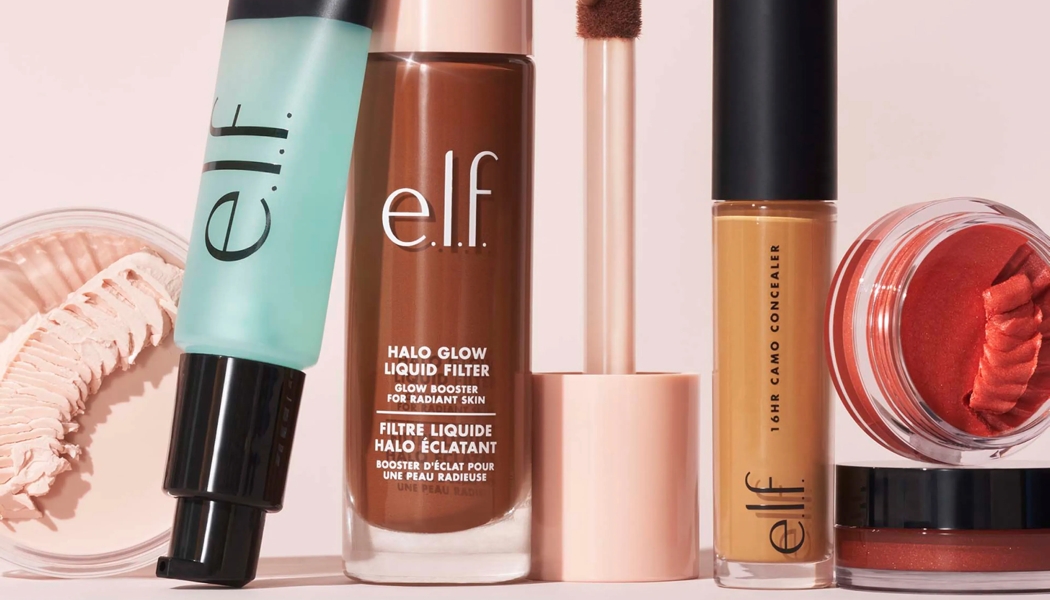
The US beauty company reported a 38% growth in sales to USD 489.5 million for the three months ended December 31, 2025, compared to the three months ended December 31, 2024.
During this period, which corresponds to the third quarter of its fiscal year, e.l.f. Beauty surpassed analysts’ estimate of USD 460.2 million.
The company now expects full-year net revenue of USD 1.60 billion to USD 1.61 billionraising its prior forecast of USD 1.55 to USD 1.57 billion.
“Our Q3 results, which included 130 basis points of market share gains for our namesake e.l.f. Cosmetics brand and a record-breaking launch of rhode in Sephora in the U.K., are a continuation of the consistent, category-leading growth we’ve delivered over the past 28 quarters,” said Tarang Amin, e.l.f. Beauty’s Chairman and Chief Executive Officer. “Our value proposition, powerhouse innovation and disruptive marketing engine continue to fuel our brands. We remain confident in our ability to grow market share and deliver best-in-class growth in beauty, as reflected by our raised fiscal 2026 outlook.”
As of December 31, 2025, the company, which acquired Hailey Bieber’s rhode brand for USD 1 billion last May, had USD 196.8 million in cash and cash equivalents, and USD 816.7 million of long-term debt, as compared to USD 73.8 million in cash and cash equivalents and USD 154.1 million of long-term debt outstanding as of December 31, 2024.
Hair-care products can serve many purposes, from cleansing and moisturizing to styling and strengthening. While some products come in aesthetically pleasing packaging and advertise appealing results, you may need to take a closer look at the ingredients list. Some chemicals found in hair care products can do more harm than good. Understanding these can help you make informed choices for healthier, more resilient hair.
5 Common Ingredients That Can Compromise Your Hair’s Integrity
While not all chemicals in hair care products are harmful, some common ones can strip hair of its natural defenses.
1. Sulfates
Sodium lauryl sulfate and sodium laureth sulfate are powerful detergents that are used to create foam lather and remove oil, dirt and product residue from hair. They are commonly found in deep-cleaning shampoos and conditioners. However, they may pull too much natural oil from your hair and scalp, leading to excess dryness and irritation, especially for those with sensitive skin.
2. Parabens
Methylparaben, propylparaben and other common parabens may be found in personal care products to prevent bacteria or mold from growing. While this may extend a product’s shelf life, it can cause scalp dryness, strand breakage and hormone disruption.
3. Silicones
Silicones are particularly prevalent in conditioners, styling creams and even heat protectants. Although they are designed to leave hair smooth, shiny and frizz-free, the protective layer created by silicones can block moisture and lead to buildup. This can weigh your hair down, especially with excessive use.
4. Formaldehyde-Releasing Preservatives
Hair straightening and smoothing products may release formaldehyde, especially when heated with flat irons or hairdryers. Levels above 0.1 ppm can irritate the eyesnose and lungs, so the FDA is moving toward a ban. Avoid formaldehyde, formalin and methylene glycol, especially when hair styling at home.
5. Phthalates
Phthalates, often listed as “fragrance” or “parfum,” are added to make scents last longer and maintain product consistency. They may have broader health implications, including hormonal disruption, hair damage and scalp absorption.
A Proactive Approach to Hair Wellness
A knowledgeable, tailored approach to product selection can help you make the best choices for your hair.
Mindfully Read a Product Label
The ingredient label is a powerful tool for selecting cosmetic products. Look past the front marketing materials and focus on the ingredient list on the back. Consider hair care products that contain natural oils, beneficial proteins, natural fragrances and gentle cleansers. Avoid those with long, unknown chemical names and potential allergens.
Smart Styling Swaps
Overstyling hair with heat tools can lead to hair thinning or loss by damaging the roots and follicles. Always use a heat protectant when blow-drying, straightening or curling your hair. You can also opt to air-dry your hair naturally and then simply brush or comb it.
Scalp Care is Self-Care
A healthy scalp is important for hair growth. Regular cleansing and exfoliation can remove oil or product buildup. You can find detoxifying scrubs and hydrating scalp masks to address a range of targeted needs. Shampoos and serums with niacinamide can boost scalp circulation and soothe irritation. Salicylic acid, tea tree and glycerin are other excellent ingredients to seek in scalp care.
Understand Your Hair
Hair can be straight, wavy, curly or coily. It may also be artificially colored or permed. Being familiar with your hair type and needs can help you make more informed decisions about the ingredients that best serve your hair without weakening it. For example, curly hair typically needs more moisture-rich styling than straight hair, while coily hair textures benefit from deep conditioning and protective styles.
Redefining Your Hair Care Ritual
When choosing your next shampoo, mousse and other hair care essentials, consider how its ingredients will impact your hair in the long run. Be wary of harsh chemicals and ingredients that are incompatible with your hair type or concerns. Gentler styling habits and more natural products can enhance your routine, leaving your scalp and hair both stronger and healthier.
Despite being the shortest month of the year, February really feels… long.
Do you know what makes it better though?! Besides a day full of chocolate and flowers to break things up 14 days in, there are a ton of brand new beauty and style launches to get excited for. Many of which are pink.
Keep reading to discover this month’s most exciting releases, from gua sha-inspired combs to heart -shaped purses and some very fun collabs.
La Prairie Cashmere Body Cream
La Prairie
Luxe and lovely, La Prairie’s new cashmere body cream (also their first!) was formulated with a peptide inspired by cashmere—the cream itself hopes to mimic the feel of the fabric on your skin—and an advanced hydrating complex. I’ve personally been living for it this winter, especially when pairedwith my favorite actual soft-knit sweats.
Find Me Now Foldover Flared Maxi Skirt
Find Me Now
I’m still in a place of butter yellow and polka dots, by the way. And feeling very glad that Find me now is on the same page. Though the red polka dots are looking enticing, too…
Ming Yu Wang Bloom Chopstick Rest
Ming Yu Wang
Crafted in celebration of the Year of the Horse (the design is based on the graceful lines of a horse’s saddle), these bespoke chopstick rests are cast in recycled brass, plated in rhodium, and adorned with a freshwater pearl.
Kara Yoo Lunar Horse Bag Charm
Kara Yoo
More fire horsing around comes courtesy of Kara Yoo, whose Lunar New Year collection is full of gorgeous literal horse designs like this silver bag charm.
“2026 is all about movement, freedom, and stepping into what’s next,” they shared when announcing the design. “Our newest capsule is centered around a hand-carved charm that nods to the Year of the Horse and its symbolism of strength, vitality, and adventure.”
Prereq Giving Me Life Hydro-Mist
Prereq
Gen Alpha isn’t taking beauty too seriously, and brands are happy to provide products that fit into their simplified routines. Prereq is a brand-new brand created specifically for teen and pre-teen skin (they worked with 50 of them to conceptualize!) and launching with two offerings: a hydrating and balancing face mist and a refreshing deodorant spray.
The Violet Lab 30
and the labo
New Le Labo? It’s true. They do love us! Violette 30 is “inspired by the secret language of flowers” and pays homage to every facet of the violet with green floral notes with white tea notes, cedarwood, and a touch of guaiacwood. “Familiar yet unknown, Violette 30 is a study in saying yes to contradiction; a call to reclaim and embrace our many multitudes,” the brand explains.
Crown Affair Smoothing Air Dry Cream
Crown Affair
I’m an air dry girl through and through, and the right products really make or break it. This one makes it. Designed to adapt to your ritual (and save you time in the process), The Smoothing Air Dry Cream helps you perfect your air-dry for soft, defined texture, restyle between washes, or you can use it to diffuse or blow-dry—it’ll give you heat protection up to 450 degrees.
Wool Beauty Axis Comb
Wool Beauty
Very, very cool celebrity and editorial hairstylist Adrian Arredondo just launched his brand of “hair tools made with intention,” Wool. To kick things off, there are two offerings—the Form hair brush and Axis comb—both professional tools that the artist uses backstage, but built for your everyday styling rituals.
MISTA GANNA MULLEE
Mista
It’s going to be de-thawing outside soon, but while we wait loafers are the perfect in-between shoe for the seasons. Available in multiple colors and finishes, these are “part moccasin, part t-bar mule, with a buckle.” Just stay away from the slush if you go suede.
Dove Whole-Body Alcohol Free Deodorant
Dove
Dove just reformulated their alcohol-free whole-body deodorants. Providing up to 72 hours of odor control (head, shoulders, knees, toes, and anywhere else), they’re infused with 2% glycerin and vitamin E to keep your skin nourished.
Repetto Silk Tennis Sneakerina
Respect
If you’ve already bought your lover some classic Repetto ballet flats (good present), mix things up with a Sneakerina this month. The French brand just launched the beloved silhouette in four new, spring-y shades: Rose, Limoncello, Bleu Eden, and Cashmere.
Campbell & Kramer x Julia Mervis BFF Bolero
Campbell & Kramer
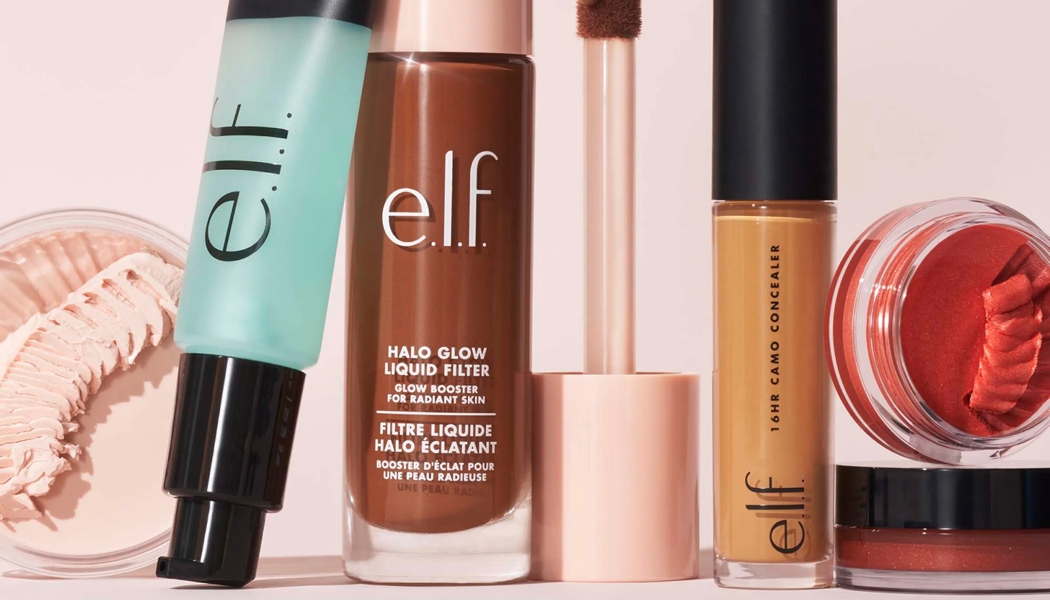
Campbell and Kramer’s collaboration with social media star Julia Mervis is full of soft fabrics, softer shades, and perfect-for-anything-you’re-up-to-this-winter silhouettes. The off-the-shoulder Julia Dress is a favorite (especially in the ballet pink shade), but I’m also partial to the BFF bolero. Me and mine will get matching, probably.
Casa Noon Sabbatical Hydrating + Balancing Serum
Casa Noon
Another new brand alert: Casa Noon is a science-driven skincare company designed to “shepherd skin through salt, sweat, sun and anything else life throws at it.” Their first offering is Sabbatical, a waterless, aloe-based hydrating and balancing serum that you can use in the morning, at night, before you step into the sun, and any time after.
“I wanted skincare that could keep up with real life (from a morning run to school drop-off to meetings to the redeye out of town!) instead of slowing it down with complicated routines,” explained founder Andi Alleman in a press release. “The brand is my love letter to movement and living ‘OOO.'”
Estée Lauder Double Wear Foundation
Estee Lauder
You’ve probably met Estée Lauder’s famous Double Wear Stay-in-Place Foundation, but it’s had a makeover and it’s time to be reintroduced. After seven years of research and development, the new formula (it hasn’t been reformulated since 1997) promises better wear, comfort, and skincare benefits.
Adidas x Willy Chavarria Chavarria Megaride AG
Adidas
The latest drop of the Chavarria Megaride AG (a collab between Adidas and Willy Chavarria) is available in two colorways: black and cream. First appearing on the Willy Chavarria Fall/Winter 2026 runway, the shoes are described as having “the power to transport us to a world without gravity, where no limits exist.”
Sauz x California Naturals Sauz Tomato Lip Balm
California Naturals
Speaking of collaborations, how about a special little offering from the Owen Wilson-backed bodycare brand California Naturals and.. Sauz tomato sauce! Featuring a subtle tint and hint of natural flavor via tomato water extract, this lip balm is super hydrating and, despite its simple ingredient list and lack of shine, will perhaps leave you feeling very saucy. That’s the power of soft, smooth lips, ya know?
Fitnexa Somnipods 3
Fitnexa
For your beauty sleep consideration, these smart ear plugs were made specifically to help you snooze, offering powerful noise cancellation and insights into how well you rested come morning. If you’re someone who loves white noise (or brown, pink, the sound of a thunderstorm, crickets), they have that too… or you can use them as regular bluetooth earbuds during the day.
Noyz Unmute Mylk de Parfum
NOYZ
Noyz loves finding new ways for us to fragrance. Their latest is a collection of a few brand-favorite concentrated scents (you’ll find Unmute, Detour and Only Human) captured in a lightweight, first-of-its-kind pour-on fine fragrance milk that hydrates and nourishes your skin while providing the scent power of a perfume.
Milk Makeup Hydro Grip Gel Concealer
Milk
It’s a big month for Milk. Milk Makeup, this time around. After launching their viral jelly sticks in shimmer finishes (!) at the end of January, they just came out with a brand-new gel-to-cream concealer. Designed to deliver natural-looking coverage with a fresh and hydrated finish, the fun and skin-loving formula promises to make your skin look rested for up to 12 hours.
Summer Fridays Flushed Lip Stain
Summer Fridays
After deciding I was more of a cool pink girl than a neutral brown girl, I offered my BFF my extra Summer Fridays Flushed Lip Stain. Then she put it on, and I was hit with immediate regret. These nicely-shaped pens offer a super soft flushed tint that enhances your lip tone, whether you choose to wear it as a liner or cover your whole pout. The six shades (Rosette is my favorite, and I’m going to have to re-buy Almond) launched alongside eight equally smooth Soft Line Lip Liners that you can wear alone or layer on top for perfectly defined lips.
Slow Sunday V-Day Nightie
Slow Sunday
A delicate, soft pink nightgown to wear all February (and honestly, every night thereafter) long? Just what we all need. Made of 100% organic cotton and fully lined, this special Valentine’s Day edition of Slow Sunday’s June Nightie features bows, hearts, and a heirloom-quality lace neckline.
Versed Skin Refine Gentle Pore Clearing Serum
Versed
Meet your new favorite mandelic acid serum. Naturally it’s Versed’s version. A one-step multitasker, Skin Refine is what the brand refers to as “glass skin in a bottle.” It’s gentle on skin and big on glow, working to refine your pores and smooth texture as you sleep… all for under $20.
Odele Signature Hair Scent Mist
Cuticle
Have you smelled Odele’s signature fragrance? It’s found in almost all of their original haircare products and so, so good. Now, the clean, green, fresh, and earthy scent has been bottled so you can enjoy it even when it’s not wash day. At the top, you’ll find cucumber and bamboo. Middle notes of ylang ylang and lemon come in to jazz things up before oakmoss and white cedar stick leave their lasting impression.
Affection Blvd Marshmallow Heart Clutch in Blood Orange
Affection Blvd
Will you be my Valentine? If yes, will you buy me a heart-shaped bag to mark the occasion? Affection Blvd has so many cute options, including this pillowy, cotton-stuffed option. Don’t miss those star and moon zipper charms, either.
PJs by PJ Valentine’s Day Heart Set
PJs by PJ
…Or a Valentine’s Day pajama set. This cute top and bottom (there are matching boxers, too!) is covered in all the symbols of romance. Think boxes of chocolates, heart-shaped balloons, and John Cusack with a boombox over his head.
Welcome to your go-to guide to the 2026 Winter Olympics. We’re tracking everything—from real-life heated rivalries (yes, they exist) to under-the-radar sports and surprise standouts—so you can catch up on all of our coverage in one place.
In 2022, I was somewhere over the Atlantic, flying home from a training camp in Slovenia and watching a live broadcast as the president of the International Olympic Committee announced decisions for the 2026 Games. I kept refreshing the livestream as it buffered and froze (the overpriced Wi-Fi was pretty wonky), waiting for him to reveal the plans for Nordic combined. I was barely blinking, barely breathing. Minutes felt like hours. I kept checking, thinking maybe I’d missed something.
But the truth is it would not have mattered if I had missed his announcement. Of course, I didn’t miss it. Even worse, l knew what the IOC president would say even before he completed the sentence: Women wouldn’t be included in Nordic combined racing in the 2026 Winter Games.
I had been training for five years for my sport, and I was beyond ready to rewrite history. I even had a quiet thought about asking the flight attendant for a glass of champagne in anticipation of the announcement.
Instead, I cried for eight hours straight.
Sitting there, suspended in the air, the reality that my dream would stay just out of reach for another four years weighed heavily on me.
By the time we landed, my eyes were so swollen I could barely see. Somewhere between Europe and home, the dream I had built my life around—trained for, sacrificed for, fought for—disappeared.
As the 2026 Winter Games begin, Nordic combined will remain the only Olympic ski discipline where men compete but women are still excluded. The question has never been whether we’re capable of performing in the sport. It is whether we’re allowed to jump from the same hill and stand on the same stage as men.
For the uninitiated, Nordic combined is a unique winter sport that combines ski jumping and cross-country skiing into one competition. Athletes start with ski jumping, where they earn points for distance and form. Those points are then used to determine staggered start times for the cross-country race. The first skier to cross the finish line wins.
Nordic combined has been part of the Winter Olympic Games since 1924. Despite that long history, women have never been allowed to compete in the sport at the Olympic level. And it’s not for lack of trying. There were formal proposals to include women for both the 2022 and 2026 Games. Both were denied.
The American company announced a 38% growth in salesreaching $489.5 million for the quarter ended December 31, 2025, compared to the quarter ended December 31, 2024.
Over this period, corresponding to the third quarter of its staggered fiscal year, elf Beauty exceeded analysts’ estimates of $460.2 million.
The company has revised upwards its full-year net revenue guidance of $1.60 billion to $1.61 billioncompared to a previous estimate of $1.55 billion to $1.57 billion.
« Our third quarter results, which include a 130 basis point gain in market share for our flagship brand elf Cosmetics and the record launch of rhode at Sephora in the UK, confirm the sustained and exceptional growth we have shown for 28 quarters “, declared Tarang Amin, Chairman and CEO of e.lf Beauty. « Our value proposition, our capacity for innovation and our disruptive marketing strategy continue to propel our brands. We remain confident in our ability to increase our market share and achieve leading growth in the beauty sector, as evidenced by the upward revision of our guidance for fiscal 2026 ».
As of Dec. 31, 2025, the company, which acquired Hailey Bieber’s Rhode brand for $1 billion last May, had $196.8 million in cash and cash equivalents and $816.7 million in long-term debt, compared with $73.8 million in cash and cash equivalents and $154.1 million in long-term debt as of Dec. 31, 2024.
How is tubing mascara different from regular mascara?
While there is plenty of overlap between the ingredients in tubing mascara and regular mascara, there are also crucial differences, the main one being the former’s ability to wrap around lashes, Dobos explains. “The overall ingredient list for a tubing mascara might resemble a traditional mascara emulsion with traditional waxes and emulsifiers, but polymers are necessary to form a ‘tube’ around each lash,” she says. “The polymers have just enough adhesion to the lashes to hold them in place until you wiggle the tubes free with gentle pressure for removal.”
Tubing mascaras tend to be easier to take off. Instead of rigorously wiping your eyes with makeup remover or thoroughly massaging mascara away with cleansing oil, the polymer-formed tubes slide off with warm water and gentle pressure. While waterproof mascara may offer comparable staying power, its composition can be conducive to a full-force scrub-fest for removal, and even worse, it often claims a few lashes as collateral.
How should I choose a tubing mascara?
When choosing a tubing mascara, check the ingredients list for key players. “If you’re looking for more volume, ingredients like silica microspheres will help fatten the appearance of lashes and allow for a smooth application,” Dobos explains. “And tiny rayon fibers can bring additional lengthening.”
Meet the experts
Kelly Dobos, a cosmetic chemist based in Cincinnati, Ohio
How we test and review products
Before reviewing any makeup, we ask questions about a number of factors: What ingredients are in it? Does the brand offer a wide shade range inclusive of consumers with all skin tones and undertones? Is it safe for readers who have sensitive skin or wear contact lenses? Is it on the affordable side or more of a splurge? Is its packaging consciously designed or needlessly wasteful?
For our review of the best tubing mascaras, we enlisted the help of multiple editors, writers, contributors, makeup artists, and cosmetic chemists to review the products. This ensures our testing base spans different skin tones, genders, and dermatological conditions. We considered each product’s performance across four primary categories: ingredients, wear, longevity, and resistance. For more on what’s involved in our reporting, check out our complete reviews process and methodology page.
Our staff and testers
A beauty product is a personal purchase. You might be searching for a face cream to address persistent dryness or a new nail product to add to your Sunday self-care routine; you may simply be browsing around for the latest launches to hit the hair market. No matter what you seek or your individual needs and concerns, Allure wants to ensure that you love anything we recommend in our stories. We believe that having a diverse team of writers and editors—in addition to the wide range of outside testers and industry experts we regularly call upon—is essential to reaching that goal.
After all, can we really say a skin-care product is the “best” for people over 50 if the only testers we’ve solicited opinions from folks who have yet to hit 30? Can we honestly deem a high-end diffuser worthy of your hard-earned cash if it’s never been tested on curls? We’re proud that our staff spans a wide range of ages, skin tones, hair textures, genders, and backgrounds, which means that we are able to fairly assess any beauty product that comes into the beauty closet.
If you’re searching how much is Emsculptyou don’t want vague ranges. You want real numbers, what’s included, and what a full plan actually costs.
At Joanna Vargas, Emsculpt Classic is $875 per sessionand each session is 30 minutes. Each area is typically treated 4 times in two weekswhich is why most people end up comparing packages, not just one session.
1. How much is Emsculpt per session?
At Joanna Vargas, Emsculpt Classic is $875.00 per session.
2. How much is Emsculpt for the usual recommended plan?
A common plan is 4 sessions over 2 weeks for one area.
4 sessions x $875 = $3,500 (for one area)
This is the number most people should be thinking about when they ask how much is Emsculptbecause the full series is where you typically see the change.
3. Are there any specials or package discounts?
Joanna Vargas lists a New Client Special:
EMSculpt40: 40% off your first session
EMSculpt20: 20% off your first package
To make that real with the $875 session price:
40% off first session: $875 x 0.60 = $525
20% off a 4-session plan: $3,500 x 0.80 = $2,800
These are straightforward examples using the listed pricing. The clinic can confirm exactly how the codes apply to your treatment plan and area.
4. What does the price include?
Beyond the Emsculpt session itself, pricing can feel “worth it” or not depending on what the experience includes and how the clinic runs the protocol. At Joanna Vargas, the service description notes a facial cleanse, face mask, and cryotherapy as part of the experience, which is a big reason some people compare clinics and choose based on more than just price.
5. What affects how much Emsculpt costs overall?
Even when you know the per-session price, the total cost depends on:
How many areas you want treated (abs, glutes, etc.)
How many sessions you book per area
Whether you buy a package versus single sessions
Whether you qualify for specials and if they’re still running
6. The questions to ask before you book
If you’re asking how much is Emsculptthese questions make sure you’re comparing properly:
Is this price per session or for a series?
How many sessions do you recommend for my goal?
Is the plan 4 treatments in 2 weeks for one area?
Do specials apply to the series I’m booking?
What’s the total cost for my full plan, start to finish?
Final thoughts
So, how much is Emsculpt at Joanna Vargas? $875 per sessionwith many people planning around a 4-session series for one area, which comes to $3,500 before any specials. If you’re price-checking, compare total plan cost, not just one session, and make sure the protocol and inclusions match what you’re paying for.
When you think about building strong bones, an image of someone sipping on a tall glass of milk might come to mind. We’ve been trained since childhood to equate calcium with skeletal strength, and dairy milk is the darling of the calcium-containing food world.
While calcium is, undoubtedly, the reigning monarch of bone minerals, it doesn’t work alone. In fact, without a supporting cast of other essential nutrients, calcium can’t do its job effectively. Thankfully, vitamin D has been getting more attention in recent years, and many people now recognize just how crucial it is for ensuring your body can actually use the calcium you consume. But calcium and vitamin D are only pieces of a broader nutritional foundation that’s essential for building and maintaining strong, healthy bones.
This nutritional teamwork becomes even more critical as you age, particularly for women. During perimenopause and menopause, the decline in estrogen levels accelerates bone loss, which can increase the risk of osteoporosis, a condition that makes bones weak and more likely to break. In fact, women can lose up to 20% of their bone density in the five to seven years following menopause, and approximately one in two women over age 50 will break a bone because of osteoporosis.
As a registered dietitian with a strong family history of osteoporosis, bone health is more than just a professional focus. It’s personal. I’ve spent years not only helping my patients protect their bones, but also learning how to fortify my own to reduce the risk of fractures (or worse) later in life. What I’ve learned is this: Building a resilient skeleton takes more than just popping a supplement or drinking the occasional glass of milk. It requires a variety of key nutrients that work together to support your bones. And while diet is just one piece of the puzzle (movement, genetics, and lifestyle factors also play a role), what you put on your plate matters immensely.
So what else should you be looking for in a bone health diet? Three underrated power players: boron, vitamin K, and zinc. These nutrients work alongside calcium and vitamin D to keep your bones strong and healthy. Let’s dive into why they matter—and how to get more of them.
Boron
Boron doesn’t get much PR, but in the world of bone metabolism, it’s a quiet powerhouse. It acts as a facilitator, helping your body utilize other bone-building nutrients more effectively.
Modern life places a quiet but constant emotional weight on most people. Deadlines, digital overload, environmental stressors, and personal responsibilities accumulate throughout the day, often without space to pause or process. While skincare is frequently discussed in terms of appearance, it can also serve a deeper role — one rooted in regulation, comfort, and reconnection.
Caring for your skin doesn’t need to be another task on a long to-do list. When approached intentionally, it becomes a grounding practice — a moment where attention shifts inward, the nervous system softens, and the body receives consistent signals of care. This is where skincare begins to feel like something more than maintenance. It becomes a form of self-connection.
The Skin–Mind Connection Explained
Skin as a Sensory Organ
The skin is not only the body’s largest organ — it is also one of the most neurologically active. Richly innervated with sensory receptors, the skin continuously communicates with the brain, relaying information about temperature, pressure, texture, and comfort. These sensory inputs influence emotional state through direct connections with the central nervous system.
Research in psychodermatology has shown that skin and brain share embryological origins, which helps explain why emotional stress so often manifests through the skin. Sensitivity, inflammation, dryness, and reactivity are frequently linked to prolonged activation of stress pathways rather than surface-level skin issues alone.
How Touch and Repetition Affect Emotional State
Intentional touch — such as gently cleansing or applying moisturizer — activates mechanoreceptors that signal safety and calm. This stimulation can engage the parasympathetic nervous system, helping to counterbalance stress responses driven by cortisol.
Repetition strengthens this effect. When skincare actions are performed consistently, they become predictable sensory cues. Over time, the brain associates these cues with rest, comfort, and transition, reinforcing emotional regulation alongside physical care.
Why Ritual Creates Emotional Safety
Predictability Reduces Stress
Rituals provide structure in an otherwise unpredictable day. Neuroscience research suggests that predictable sequences reduce cognitive load and decision fatigue, allowing the nervous system to settle. This reduction in mental strain can help lower inflammatory signalling throughout the body — including the skin.
Even simple rituals can offer this benefit. When skincare steps occur in the same order, using familiar textures and scents, the body begins to anticipate calm rather than stimulation.
Familiar Routines Build Comfort and Trust
Trust is not built through intensity; it is built through consistency. Skin responds best when it feels supported rather than challenged, and the same principle applies emotionally. A familiar routine signals reliability — that care will arrive each day, without urgency or correction.
This sense of trust reduces the impulse to “fix” perceived imperfections and encourages patience, both with skin and with self.
A Grounding Skincare Ritual
A grounding ritual does not require excess steps or aggressive treatments. Instead, it focuses on gentleness, sensory balance, and intention.
Cleanse: Transition Into Presence
Rose Water Gentle Cleanser
Cleansing marks the transition between the external world and personal space. The Rose Water Gentle Cleanser removes impurities while respecting the skin barrier, helping prevent the tightness or irritation that can trigger stress responses.
Rose water has long been studied for its soothing and hydrating properties. Its mild antioxidant profile supports barrier comfort while its naturally calming aroma provides subtle sensory grounding. The act of cleansing becomes a moment of arrival — not just for skin, but for awareness.
Tone: Rebalance and Soothe
Lavender Niacinamide Pore Minimizer Toner
Toning helps restore balance after cleansing, both physiologically and emotionally. The Lavender Niacinamide Pore Minimizer Toner combines barrier-supporting niacinamide with lavender, known for its calming influence on the nervous system.
Niacinamide supports skin resilience by strengthening the moisture barrier and reducing visible reactivity over time. Lavender contributes a soft aromatic cue associated with relaxation, reinforcing the ritual’s grounding effect without overwhelming sensitive skin.
Moisturize: Comfort and Nourish
Rose Water Hydrating Milk
Moisturizing is an act of reassurance. The Rose Water Hydrating Milk delivers lightweight hydration while reinforcing skin comfort, helping reduce trans-epidermal water loss that often increases during stress.
Plant-derived emollients and rose water work together to maintain softness and flexibility, encouraging a sense of physical ease. This step invites slower touch, allowing the nervous system to register comfort through sensation.
Body Ritual: Calm the Nervous System
French Lavender Shower Gel
Skincare rituals need not stop at the face. The body holds stress just as readily, and warm water combined with gentle cleansing can have a profound calming effect.
The French Lavender Shower Gel transforms daily bathing into a sensory reset. Lavender has been widely studied for its ability to support relaxation and reduce perceived stress levels. When paired with warm water, it helps signal the body to unwind, making it an ideal transition into evening or rest.
Signs Your Ritual Is Supporting You
A ritual that truly supports wellbeing produces subtle but meaningful shifts.
Reduced Urge to “Fix”
When skin feels balanced and cared for, the impulse to overcorrect diminishes. Fewer product switches, less aggressive experimentation, and greater patience are signs that both skin and mind feel safer.
Increased Consistency and Calm
Consistency becomes easier when rituals feel nourishing rather than demanding. Many people notice that grounding routines naturally integrate into daily life without resistance, reinforcing emotional steadiness alongside skin health.
Conclusion: Caring for Skin as a Form of Self-Connection
Caring for your skin is not about control, perfection, or transformation. At its most meaningful, it is about connection — a daily reminder that care can be gentle, intentional, and deeply supportive.
When skincare becomes a ritual rather than a reaction, it offers something rare in modern life: a moment of presence. Through consistent touch, familiar sensations, and purposeful ingredients, skincare creates space for emotional grounding while supporting long-term skin health.
At 100% PURE, this philosophy is reflected in every formula. Ingredients are chosen with intention, developed by in-house chemists, and refined through sensory testing to ensure they support both skin and experience. The result is skincare that respects the skin’s biology, the body’s rhythms, and the emotional wellbeing of the person using it.
In caring for your skin, you are not just improving how it looks — you are reinforcing a relationship built on patience, trust, and care that extends far beyond the mirror.
FAQ
Can skincare really affect mental wellbeing?
Yes. Sensory experiences such as touch, scent, and repetition influence the nervous system. When skincare is approached as a ritual, it can support relaxation and emotional regulation alongside physical benefits.
How do rituals help with stress?
Rituals reduce uncertainty and decision fatigue. Predictable routines signal safety to the brain, helping lower stress hormones that contribute to inflammation and skin reactivity.
Does skincare need to be elaborate to feel grounding?
Not at all. Simplicity often enhances grounding. A few intentional steps performed consistently are far more effective than complex routines that create pressure or overwhelm.
We’re tokenised or trussed up as inspirational fodder for non-disabled audiences to pity or to admit, “I’d kill myself if I were like that”. I can’t tell you how many times I’ve heard those exact words to my face. So, it’s not exactly surprising that we’re rarely cast as romantic leads or even side interests when many can’t even see the point in living a disabled life, let alone finding love with a disability. But within the vibrant world of Bridgerton, I feel a glimmer of hope for disabled representation on screen.
Throughout its three-and-a-half seasons, Bridgerton has sprinkled disabled characters into the background, and in Season 3, the producers made a concerted effort to increase representation. Lord Remington, a charming and intelligent gentleman, piqued Penelope Featherington’s interest during her search for a husband. While Remington disappeared as quickly as he appeared, his inclusion as a wheelchair user whose disability is simply part of him, rather than his only character trait, was a huge win for disabled representation. As was his framing as a viable romantic interest for Penelope!
Though his appearance was fleeting, any positive depictions of disability on screen are a welcome departure from oft-overused stereotypes that treat disabled people as fascinating oddities or inspirational warnings. We also had our first glimpse of British Sign Language (BSL) with the introduction of a hard-of-hearing/Deaf debutante during season 3. These moments are almost blink-and-you’ll-miss-it scenes, yet they feel like a friendly wink from writers to disabled audience members to say, “Hey, we see you, and we want to represent you.”
Netflix
The first drop of season 4 has expanded its inclusion of disabled characters by casting Gracie McGonigal, an actress with a limb difference, as a maid named Hazel, and by including another moment with two people using BSL. This time, it felt more significant because the BSL was positioned at the forefront of a scene in a satisfyingly gossipy moment. When Lady Araminta Gun, or Lady Penwood, enters a party after instigating “maid-gate,” which causes chaos in the ton, the signers openly mock her as she strides past them. That small aside demonstrates how easy it is to include disabled people in every fictional universe.
However, I still have one more desire that this saucy show hasn’t yet fulfilled. I want a sexy, charismatic romantic lead who also happens to have a disability. I want to see them breathy with desire, falling head over heels and being loved wholly for who they are, including their disability. Bridgerton has broken down so many barriers, largely thanks to the almighty Shonda Rhimes steering the ship. It’s time the show turns its attention to another underrepresented group: the diverse disability community. With one casting choice outside the box, Bridgerton could cast out stereotypes of disabled people as unattractive, non-sexual beings, and prove just how sexy and desirable we all are.


:max_bytes(150000):strip_icc()/juliasocial-21d812833e0b4b06950ef0ca2735348b.jpg "25 February Beauty and Style Launches We’re Falling for")