



A lovely reader wrote to me with this fashion issue: “My height and build, which is petite, is my main challenge when it comes to shopping for clothes. Most especially trousers. I’ve bought crop trousers, however, the fit isn’t that good. Tops with V-necks or cro crossover dresses are a problem as the V comes too low. I’ve had breast surgery, so I’m a lot smaller on one side, which makes it difficult. I’m also short-waisted, so f so fitted items can pose problems. Petite clothing seems to look either very boring or very girly, and I’ve tried all the stores that do petite ranges but have been disappointed. I wish the fashion fairy would come up with a solution for me as I’m 71 and would still like to be stylish for quite a few years as I love fashion and clothes.”

Why Your Trousers Will Never Fit (And What To Actually Do About It)
Let’s start with a truth that every woman knows but the fashion industry would rather you forget: trousers are the hardest garment in existence to fit a human body. Not a little bit hard. Properly, stubbornly, unreasonably hard.
And if you’re petite, you’ve probably been battling this your whole life.
Here’s why it’s not you. Clothing manufacturers are making garments for a fictional, standardised body. They need one pattern to fit as many people as possible, which means it fits almost nobody perfectly. When your body differs from that mythical standard, whether you’re petite, tall, plus-size, long in the leg, short in the rise, or anything else entirely human, the gap between “what’s on the rack” and “what actually works” widens considerably.
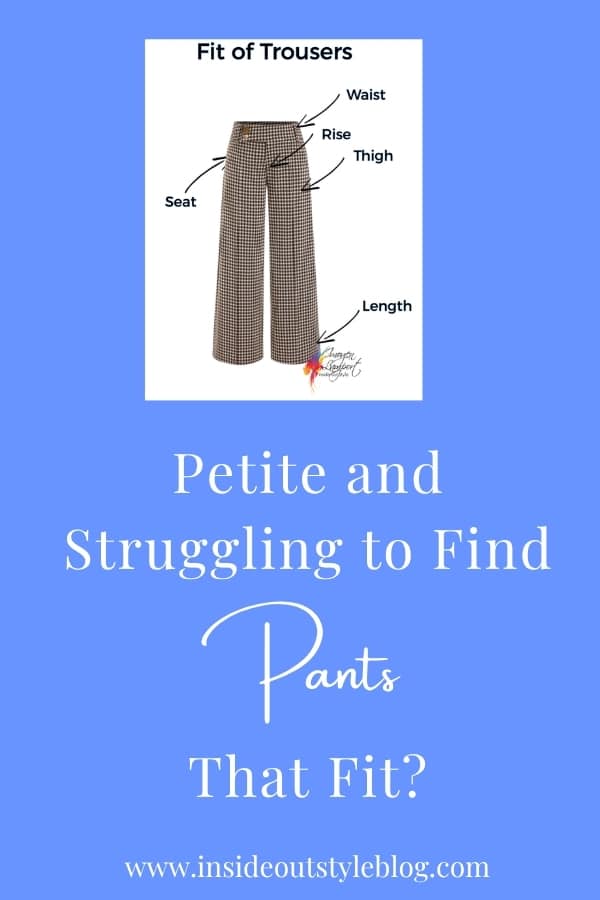
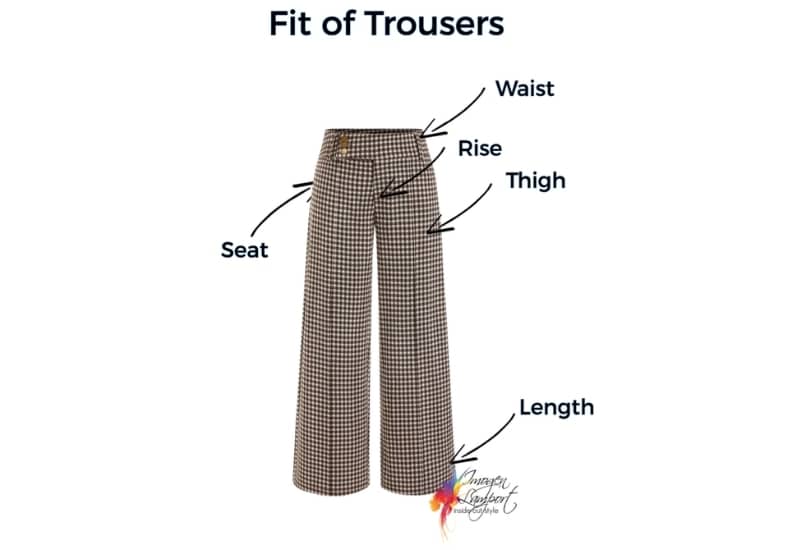
Trousers have more fit points than any other garment. The waist, the hips, the rise, the seat, the thighs, the length. Getting all six right on a body that wasn’t the one they were cutting for? That’s not a shopping problem. That’s a geometry problem.
 When Alterations Aren’t Enough
Alterations are not a sign of failure. Please write that somewhere you’ll see it. Most of us need them, most of the time, and there’s nothing shameful about it.
But here’s the honest reality: if you’re petite with a non-standard rise, plus waist issues, plus leg issues, by the time you’ve altered all of that, you’ve practically remade the trousers from scratch. At that point, you might as well start with fabric that you actually love.
The Case For Made-To-Measure
This is where a good tailor or dressmaker becomes genuinely life-changing. Once someone cuts a pattern to fit your body specifically, you have something extraordinary: a blueprint. You can make those trousers again and again, in whatever fabric, colour, or style you want. The upfront cost feels significant, but it amortises beautifully over time.
If a fully bespoke route feels like too big a leap, search for “made to measure” options online. There are increasingly more brands that start with a standard style but adjust the pattern to your measurements, especially length. It’s not the same as fully custom, but it’s a significant step up from hoping the petite range at your local department store will come good this season (spoiler: it probably won’t).
Etsy is also worth a look. There are skilled makers there who will produce garments from your measurements, and the range of styles is genuinely wide.
A Note On Fabric
Always consider stretch. Fabrics with a little elastane or similar woven in are more forgiving across multiple fit points simultaneously. Not activewear-level stretch, just a small percentage that gives the garment some flexibility to move with your body rather than against it.
The V-Neck and Crossover Problem
For anyone dealing with a neckline that plunges lower than intended, there are a couple of practical fixes.
First, taking up from the shoulders rather than the hem is something most people don’t think of, but it pulls the neckline up without changing the length of the garment below. Particularly useful for sleeveless dresses.
Second, there are products like the B-string, which attaches to your bra and sits across the neckline, providing coverage without adding bulk or significantly changing the look of the garment. Worth knowing about if you like a wrap style or a crossover dress but find the cut sits too low.
Why More Women Are Learning To Sew (or Refreshing Their Sewing Skills)
It’s not a coincidence. It’s a rational response to a problem that the high street has consistently failed to solve. When you sew, or when you work with someone who does, you have control. You choose the fabric, the style, the fit. Nothing is “close enough.”
If you’ve been frustrated by petite ranges that read as either frumpy or aggressively girlish, the answer may genuinely be to sidestep the mainstream entirely.
The fashion fairy isn’t coming. But a good pattern and a talented dressmaker might be the next best thing.
Petite Problems?
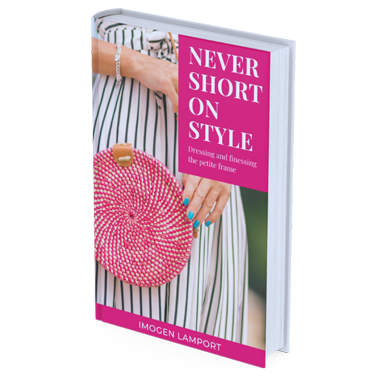
If this resonates, my ebook Never Short on Style: Dressing and Finessing the Petite Frame covers the full picture, from body shape and proportion to colour, jewellery, and everything the standard style guides skip because they weren’t written with you in mind. It’s been called the most comprehensive style guide for petites ever written, which I’ll take. At $17, it costs considerably less than the trousers that didn’t fit. You can grab it here.
Related Reading
10 Long Legged Petite Dressing Tips
Breaking the Petite Style Rules
Why Shopping For Clothes Makes You Want to Scream