

In the bales of plastic waste stored in a large hangar, we recognize logos well known to French consumers. Tex-Mex prepared meals, red or blue sodas, aperitif biscuit packaging… The waste was grouped into large packages of more than 420 kilos by the waste specialist, Paprec, before being delivered to the TotalEnergies site.
“Zero oil platform”
These rejects from the consumer society will not be incinerated or buried, like three quarters of their plastic counterparts in France, but must serve a noble purpose, explains the group: closing the loop in plastic production, by replacing their raw material, naphtha.
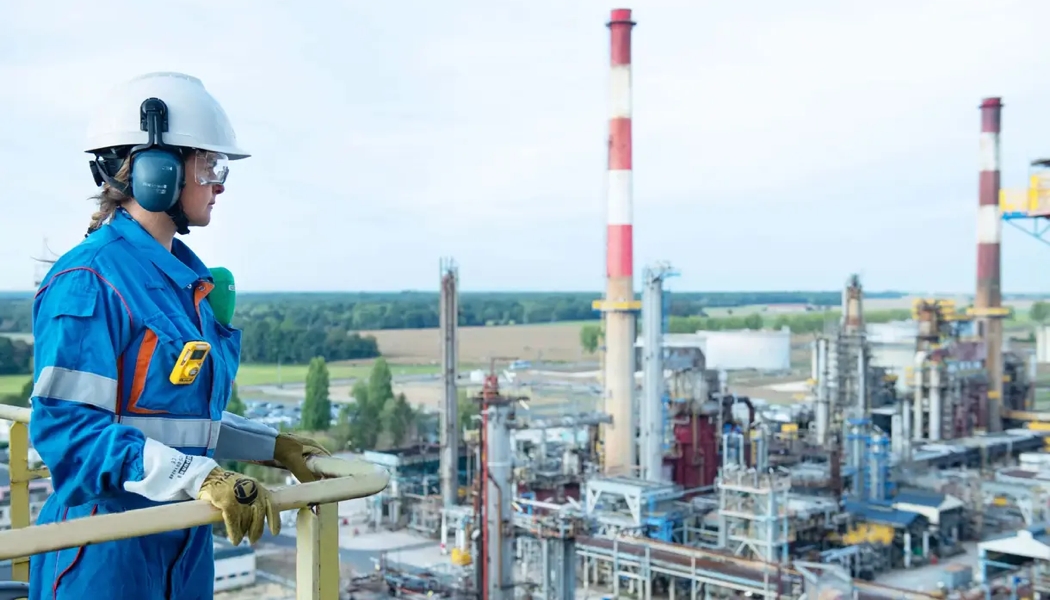
The latter comes largely from oil refining, which for decades was the activity of the gigantic Grandpuits refinery, from which gasoline and diesel for cars and trucks, kerosene for planes, fuel oil and even gas and naphtha have been produced since 1967. A leak in the pipeline supplying it with crude from Le Havre made the hydrocarbon giant decide in 2020 to convert the impressive industrial footprint into a “zero oil platform”. Ambitions have since been scaled back with the freezing of part of the activities initially planned.
TotalEnergies, however, announced on Thursday March 19 the launch of what the group presents as thea “first factory in France for the chemical recycling of plastics”using technology developed by the British company Plastic Energy. The latter claimed in August to have produced plastic pyrolysis oil registered under the brand “Tacoil”, in a factory under a joint venture with the Saudi chemical giant Sabic, based in Geleen in the Netherlands.
On the Grandpuits side, the first tanker truck filled with Tacoil, a dark-colored and flammable oil, left the site at the beginning of March to reach Antwerp, in Belgium, and the refining-petrochemical platform that TotalEnergies operates there, explains the site director, Guillaume Alliot. This hydrocarbon makes it possible to manufacture recycled plastics “of identical quality to virgin plastics”rejoices in a press release the French giant, supplied with plastic waste by Paprec and by the eco-organization Citeo.
The ambitions remain modest: the site can manage up to 15,000 tonnes of waste per year, i.e. less than 0.3% of the 5.5 million tonnes of household packaging placed on the French market in 2024according to Citeo. Given current capacity, it will produce enough to fill at best one truck per day with pyrolysis oil, again a drop in the bucket.
Criticisms of the “myth” of recycling
The economic model for chemical recycling of plastic “is still to be built” and it “will take years before the activity is significant in terms of volumes” produced, admitted to AFP at the beginning of February Jean-Yves Daclin, general manager France of Plastics Europeorganization of the plastics industry. The process is energy-intensive and expensive, and demand is still low, for now.
Author of Plastic Inc.a book on a sector which has never produced so much – 430.9 million tonnes of virgin plastic worldwide in 2024 – Beth Gardiner notes that pyrolysis oil must “be mixed with a large quantity of virgin naphtha” from petroleum to make plastic again. “The industry is really trying to convince that chemical recycling is the miracle solution” to the proliferation of plastic waste, but “the evidence is lacking,” continues the journalist.
The NGO Zero Waste also criticizes the process for maintaining the “myth” of infinite recycling of plastic, while this material degrades throughout its life.
However, chemical recycling is one of the options retained by the authorities to combat pollution generated by plastic packaging.and the 27 states of the European Union approved in early February the integration of this technology into the mandatory share of recycled content in plastic bottles.
